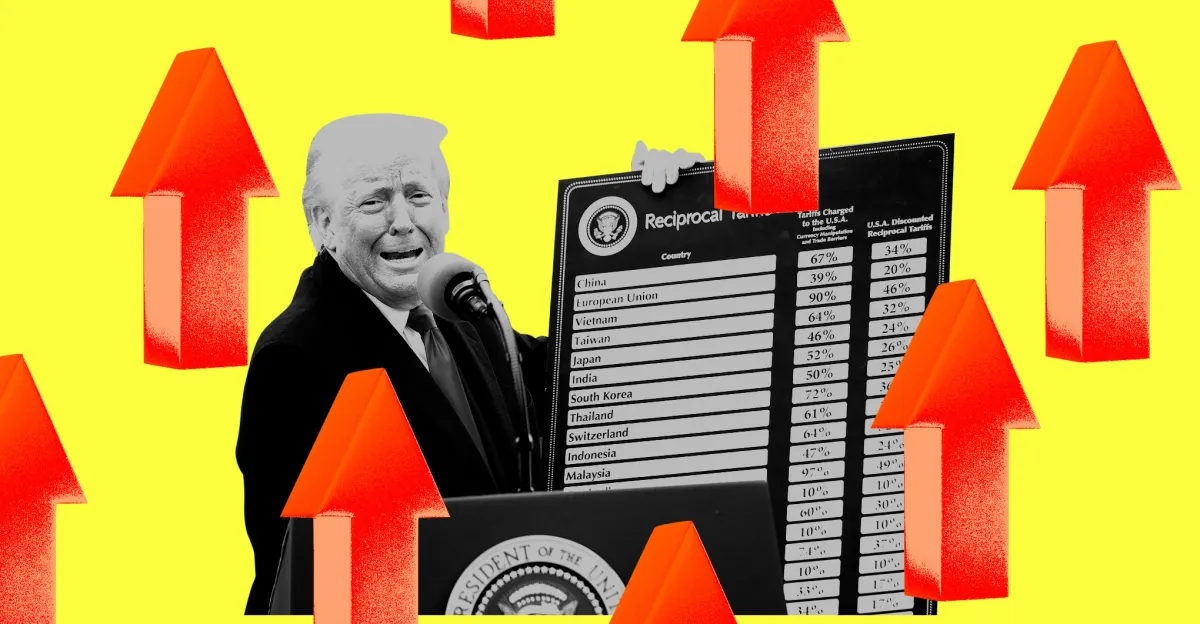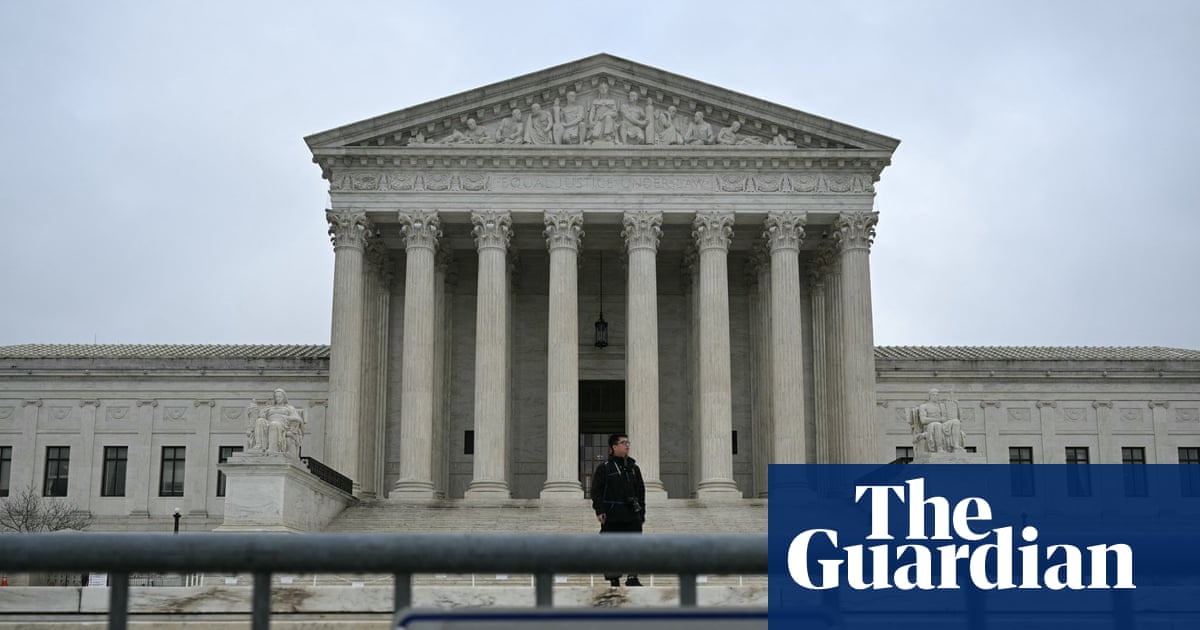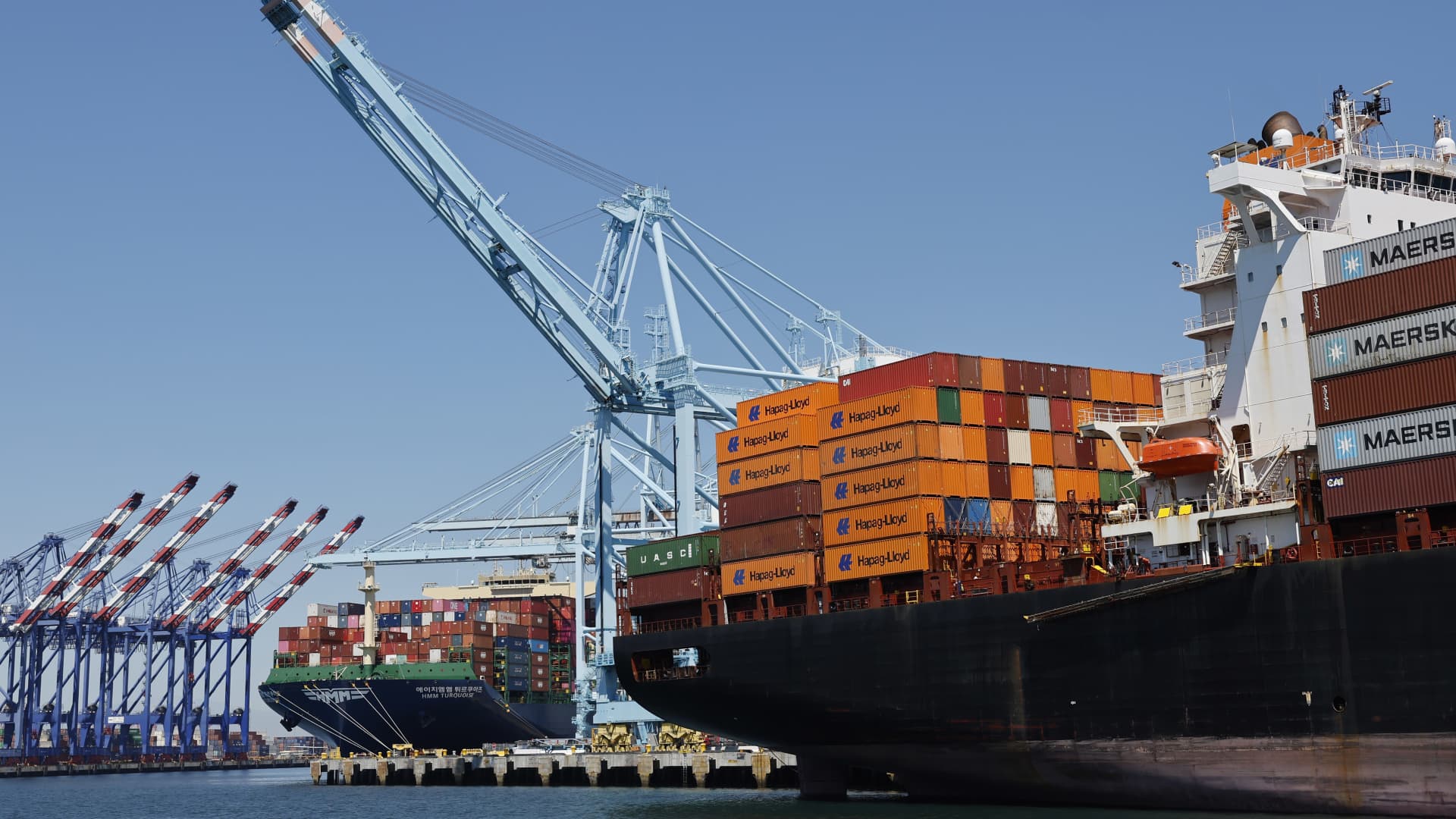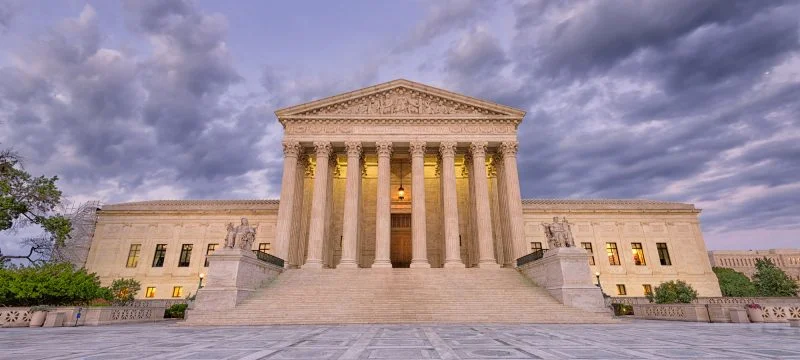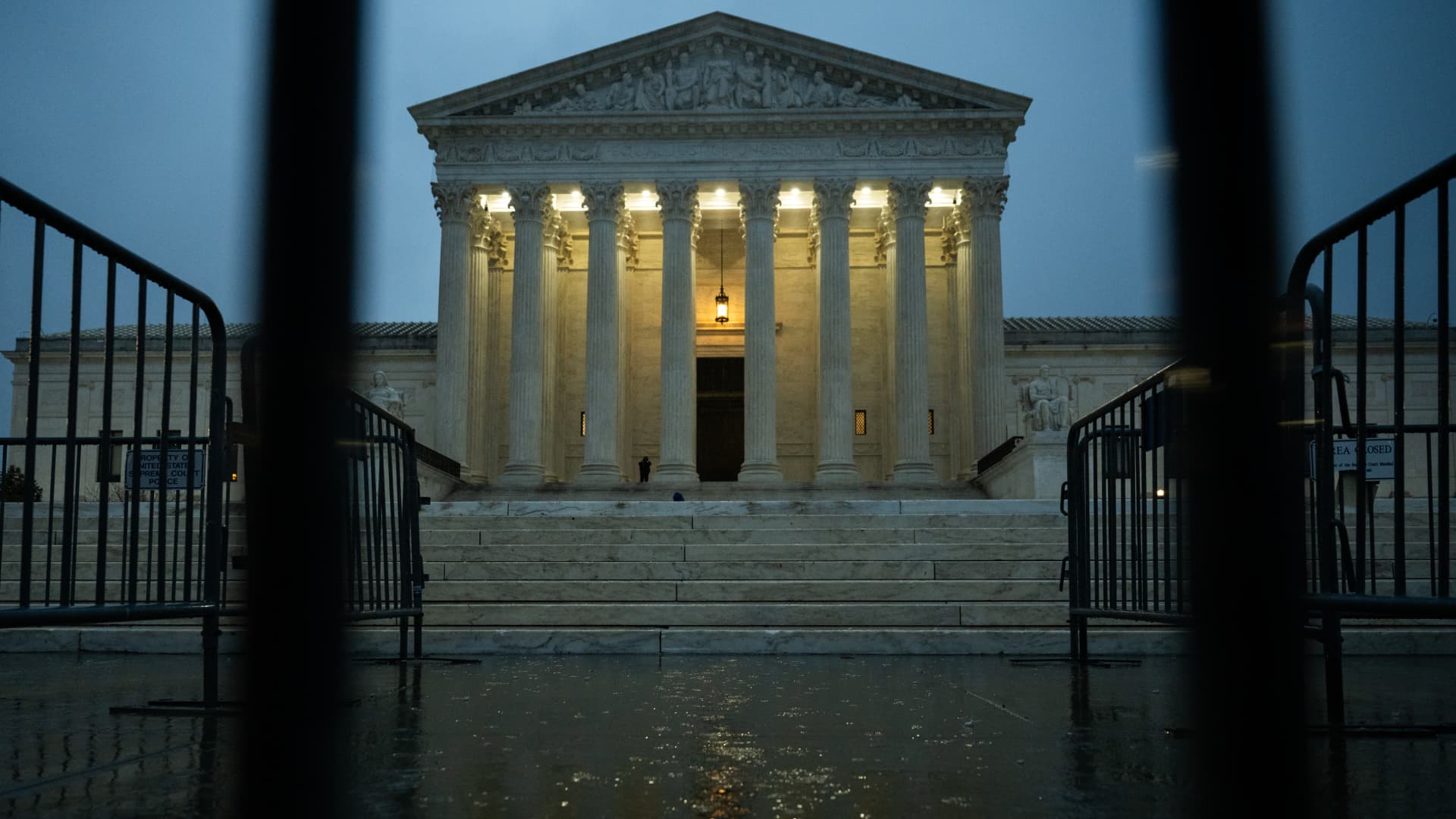
The Supreme Court on Friday ruled that President Donald Trump’s country-specific so-called “reciprocal” tariffs are unconstitutional, delivering a win for many consumer companies facing higher import costs.
But the ruling doesn’t cover all sectors.
The Supreme Court reviewed tariffs enacted under the International Emergency Economic Powers Act of 1977, or IEEPA, which the Trump administration used to justify the sweeping tariff agenda. The act had never before been used by a president to impose tariffs.
In a 6-3 decision, the Supreme Court ruled that IEEPA “does not authorize the President to impose tariffs.”
Still, the Supreme Court’s ruling does not cover tariffs enacted under Section 232 of the Trade Expansion Act of 1962. Those duties are intended to target specific products that threaten national security, and remain in effect after Friday’s ruling.