HomeAI · summaries
Storia in 8 fonti
Study finds humans were making fire 400,000 years ago, far earlier than once thought
LONDON: Scientists in Britain say ancient humans may have learned to make fire far earlier than previously believed, after uncovering evidence that deliberate fire-setting took place in what is now eastern England around 400,000 years ago. The findings, described in the journal Nature, push back the earliest known date for controlled fire-making by roughly 350,000 years. Until now, the oldest confirmed evidence had come from Neanderthal sites in what is now northern France dating to about 50,000 years ago.
Confronto fonti
6 prospettive sulla stessa storiaTimeline cronologica
- ·
elpais.com
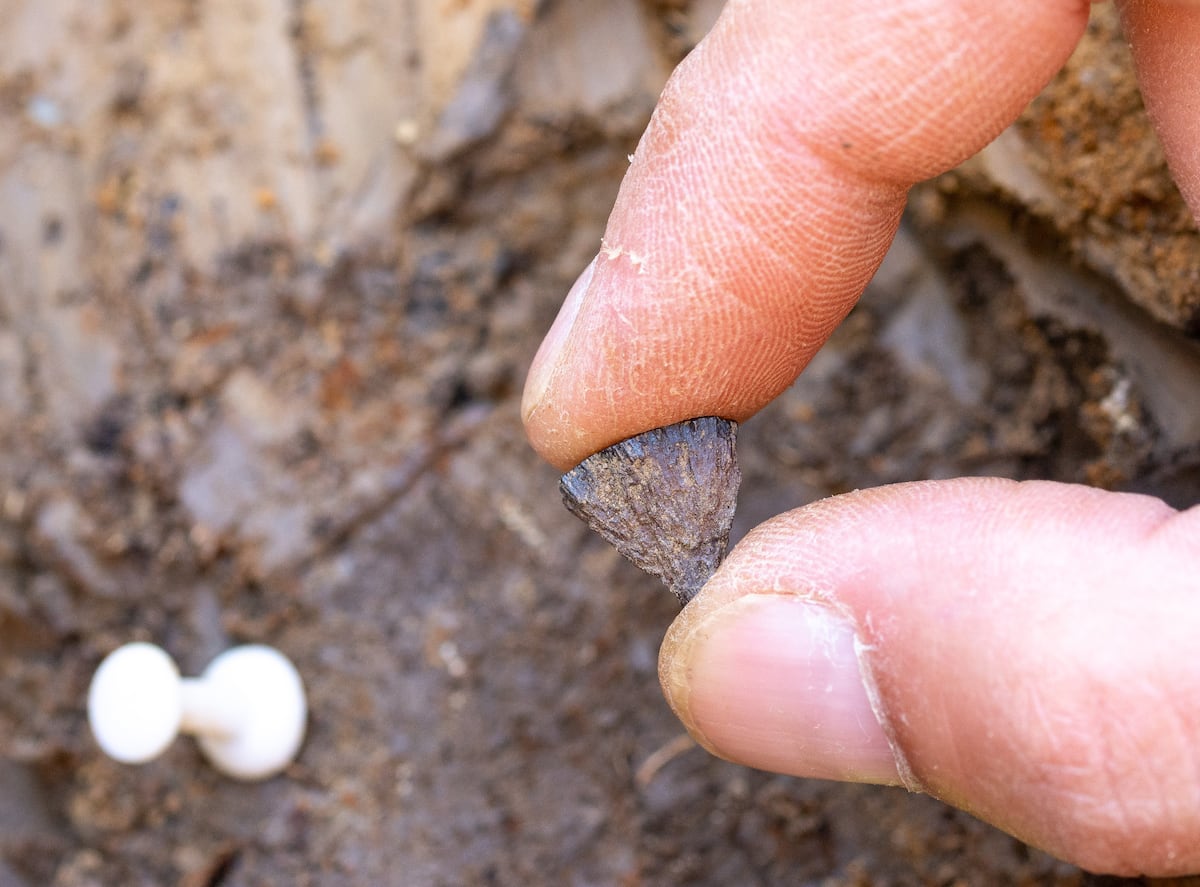
Los neandertales encendieron el primer fuego de la humanidad
Los restos de una hoguera en Inglaterra muestran que los neandertales ya eran capaces de crear llamas hace 400.000 años
- ·
theguardian.com

Man made fire 350,000 years earlier than previously thought, discovery in Suffolk suggests
Groundbreaking find makes compelling case that humans were lighting fires much earlier than originally believed
- ·
aljazeera.com

Oldest evidence of deliberate fire use found in England
Experts suggest humans made fire 350,000 years earlier than previously thought, scientists say.
- ·
iltempo.it
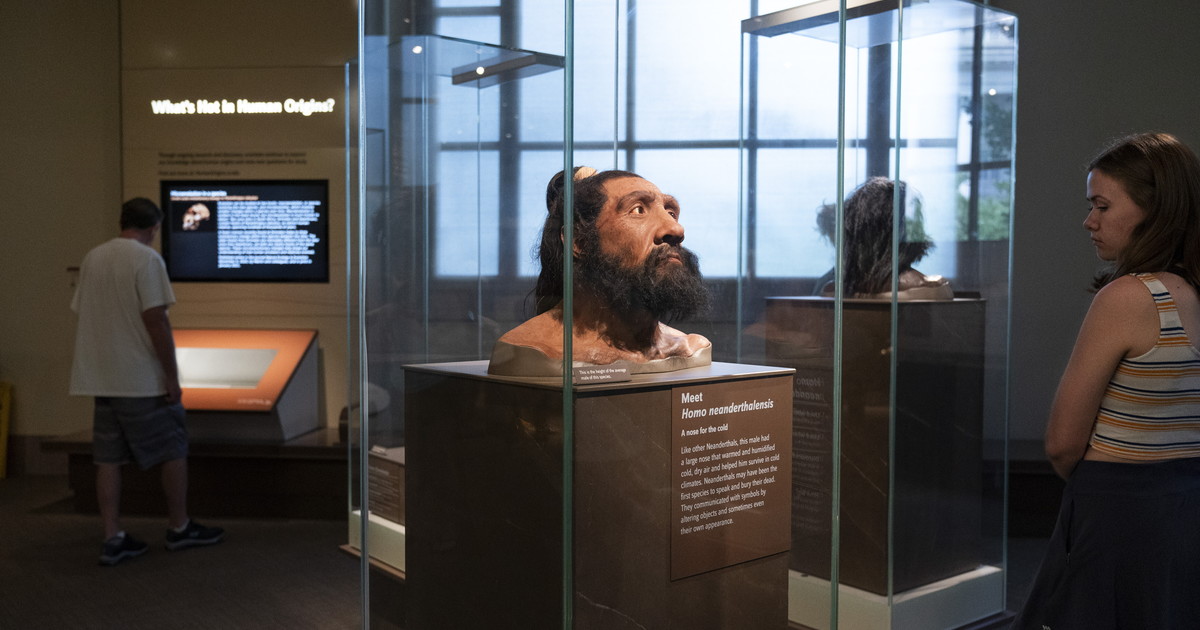
Neanderthal accendevano il fuoco: la scoperta che cambia tutto sulla preistoria
La scena è piuttosto evocativa: attorno a focolari accesi in una radura del Suffolk, piccoli gruppi di Neanderthal si scaldano, cucinano, si pr...
- ·
independent.co.uk
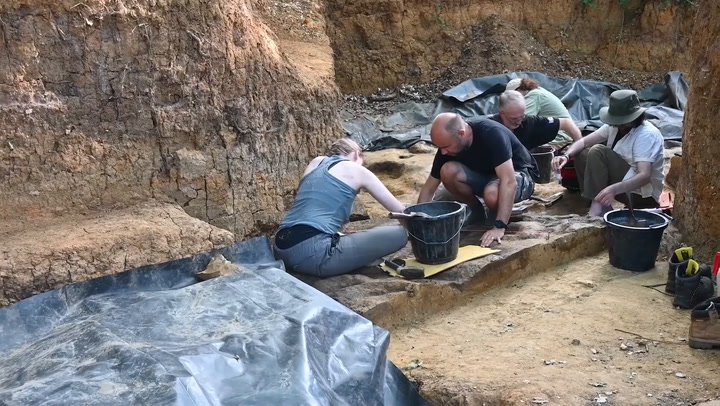
Humans made groundbreaking discovery 350,000 earlier than previously thought
Archaeologists have made a discovery that could challenge everything we know about human development. Footage shows scientists examining an excavation site of a 400,000-year-old…
- ·
welt.de
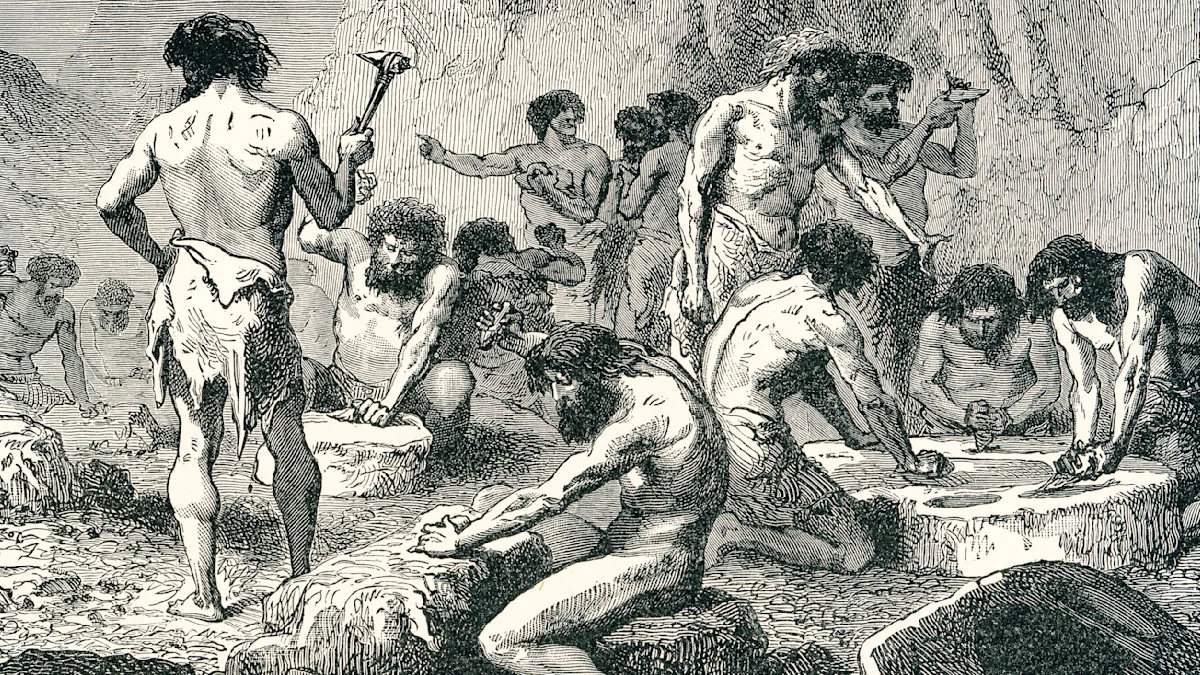
Archäologie: „Es ist unglaublich, was Neandertaler wussten“ – Menschen machten viel früher Feuer als gedacht - WELT
Der Einfluss von Feuer auf die menschliche Evolution ist immens. Eine Studie enthüllt nun die mit Abstand ältesten Belege für die gezielte Erzeugung von Feuer durch Menschen –…
- ·
arabnews.com

Study finds humans were making fire 400,000 years ago, far earlier than once thought
LONDON: Scientists in Britain say ancient humans may have learned to make fire far earlier than previously believed, after uncovering evidence that deliberate fire-setting took…
- ·
ansa.it
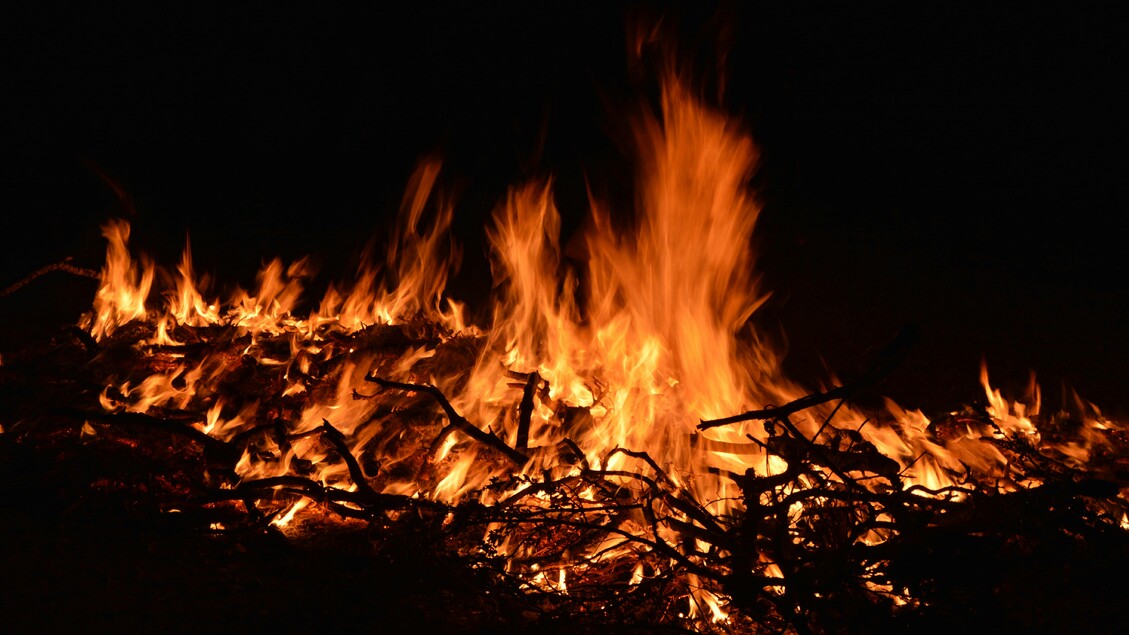
Il fuoco più antico è stato acceso quasi 400.000 anni fa - News - Ansa.it
Trovati i più antichi strumenti usati per accendere il fuoco: sono due frammenti di minerale pirite risalenti a 400.000 anni fa, rinvenuti accanto ai resti di focolai nel Regno…