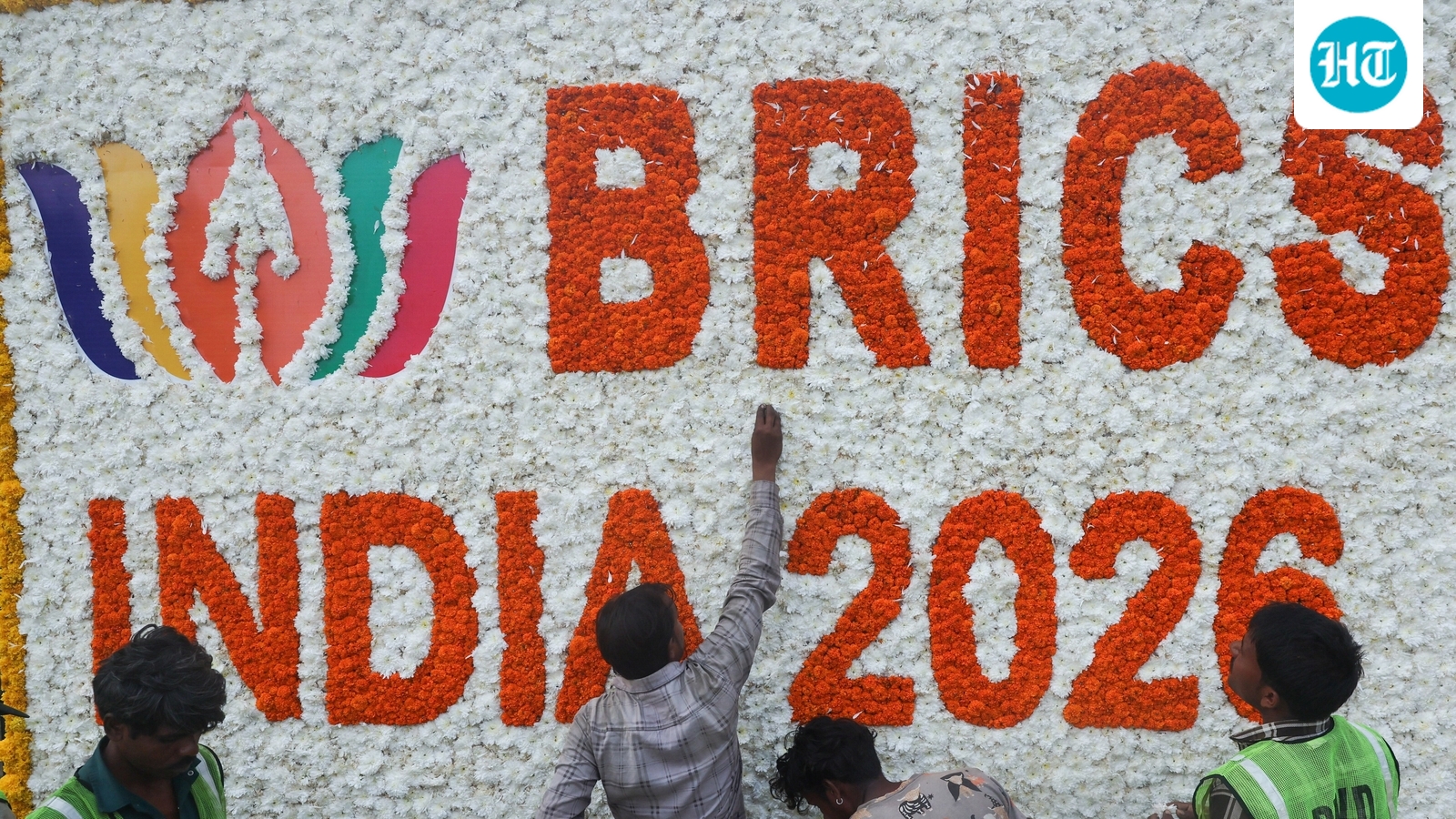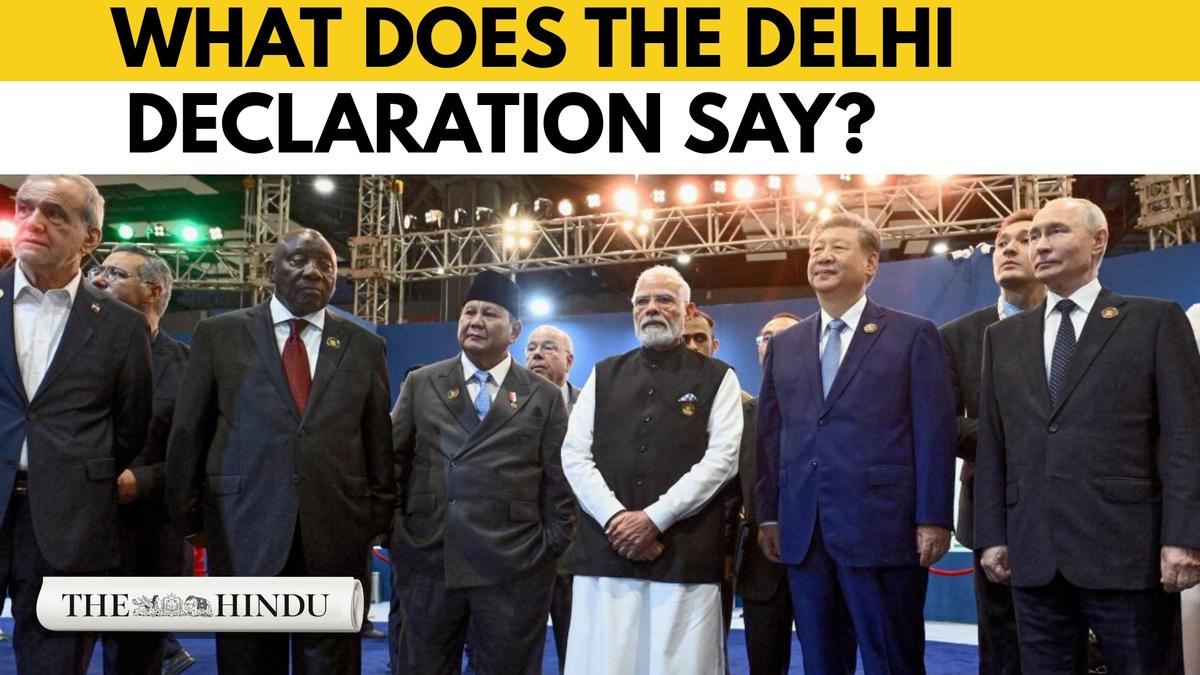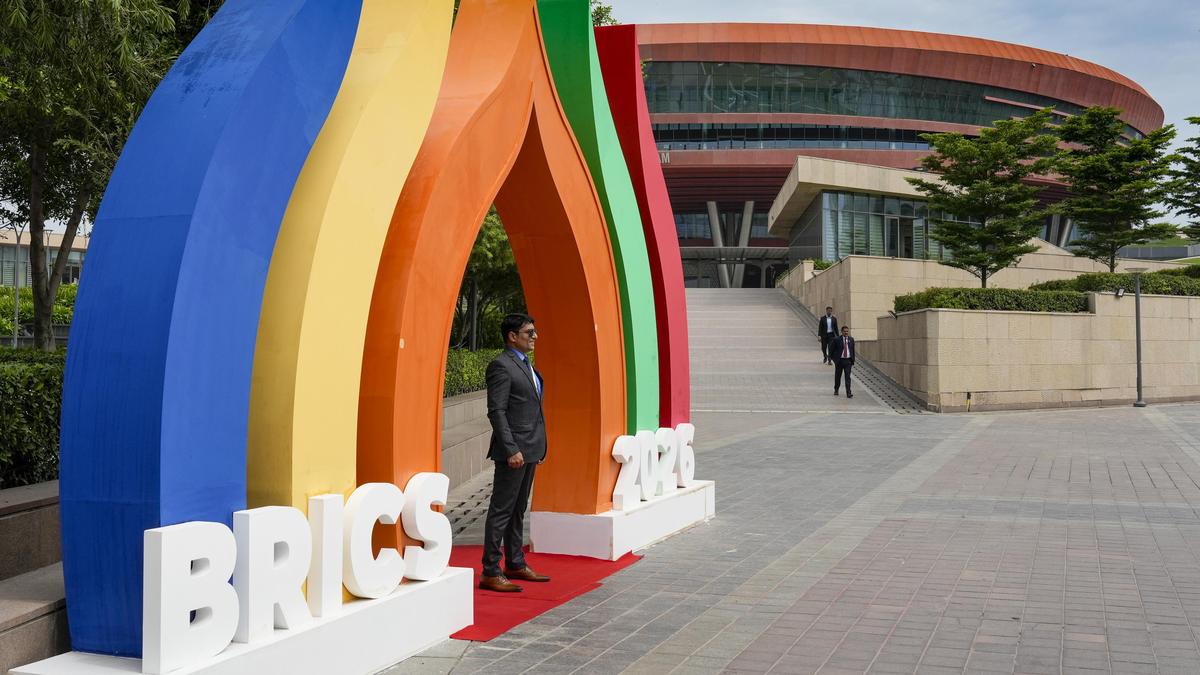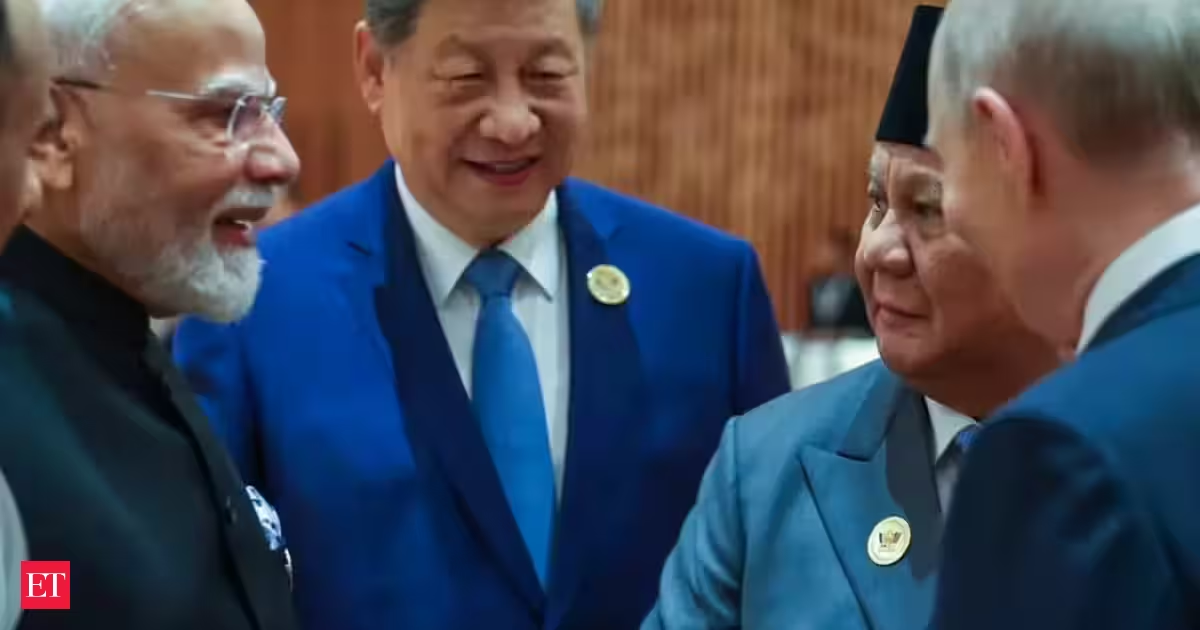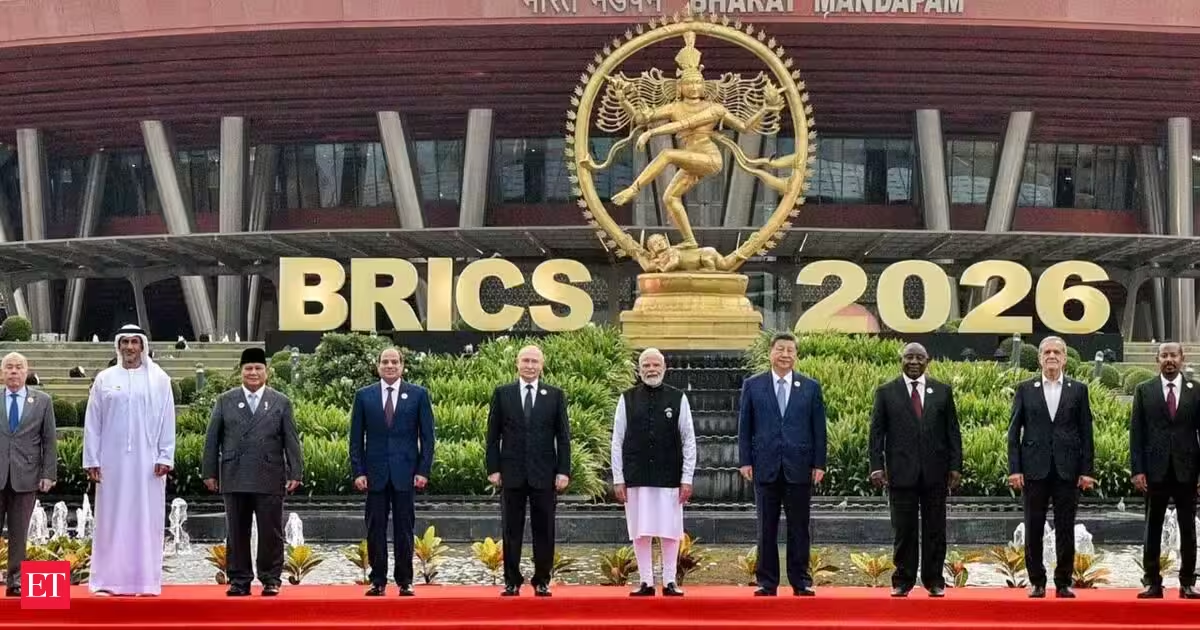
New Delhi: The BRICS group of emerging economies on Saturday adopted its New Delhi Declaration, voicing serious concern over the rise of “unilateral tariff and non-tariff measures” such as carbon border adjustment mechanisms (CBAMs), saying such steps undermine efforts of developing countries to address climate change issues and called “for the elimination of such unlawful measures”.“We condemn the imposition of unilateral coercive measures that are contrary to international law, and reiterate that that such measures, inter alia in the form of unilateral economic sanctions and secondary sanctions,” it said in ‘The New Delhi Declaration 2026’.The bloc proposed exploring pragmatic solutions for efficient cross-border payment mechanisms and to study the cross-border interoperability of payment and messaging channels, and the discussions on promoting trade settlements and investments using BRICS local currencies, while respecting national priorities and acknowledging that there is no one-size-fits-all approach.Track our latest coverage on BRICS Summit 2026 hereSudhakar Dalela, Secretary, economic relations, ministry of external affairs said the discussion on trade in local currency has been going on for over a decade.“There is no proposal in the Brics for a brics currency as of now,” he said.The bloc warned that trade-restrictive measures could “further reduce global trade, disrupt global supply chains, and introduce uncertainty into international economic and trade activities”.Condemning the imposition of unilateral, punitive, discriminatory and coercive measures that are contrary to international law, they encouraged continued discussions to find practical solutions for cross-border payments among BRICS countries. They called for a sweeping reform of the global financial architecture to give emerging markets and developing economies a greater voice in the IMF and World Bank.It said that quota realignment under the multilateral institution should reflect countries’ relative positions in the global economy, increase the quota and voting shares of Emerging Markets and Developing Countries and should not come at the expense of developing countries.BRICS reaffirmed support for a rules-based multilateral trading system centred on the World Trade Organization (WTO) and called for the restoration of its dispute-settlement mechanism.“We voice serious concerns about the rise of unilateral tariff and non-tariff measures which distort trade and are inconsistent with WTO rules,” the bloc said.Recognising that it is “important to identify appropriate pathways for plurilateral initiatives into the WTO legal framework including on development-oriented issues”, it said to explore the formulation of forward-looking rules in the WTO and advocated for the immediate restoration of an accessible, effective, fully functioning, two-tier binding WTO dispute settlement mechanism.Also read: BRICS Declaration condemns Pahalgam terror attack, backs India's UNSC aspirationsEnergy, agricultureThe grouping encouraged BRICS collaboration on interoperable standards and certification frameworks for zero/ low-emissions hydrogenThey called for stronger energy security through diversified supply sources, resilient infrastructure and stable energy markets, while acknowledging that fossil fuels will continue to play an important role in the global energy mix, particularly for emerging and developing economies.At the same time, BRICS called for "just, orderly, equitable and inclusive energy transitions" and lower greenhouse-gas emissions, while stressing technological neutrality and the principle of common but differentiated responsibilities.They emphasised the continued elaboration of the initiative to establish a grain trading platform within BRICS (the BRICS Grain Exchange) and discussions on facilitating intra-BRICS trade of agricultural products, and agricultural and food production inputs, including by promoting resilient and non-discriminatory supply chains, and improve value chains and sustainable agricultural practices.
BRICS urges IMF, World Bank reforms, condemns unilateral tariffs, secondary sanctions
BRICS leaders adopted the New Delhi Declaration, expressing serious concerns over unilateral trade measures. They called for the elimination of unlawful measures and advocated for global financial architecture reform. Discussions explored efficient cross-border payment mechanisms and local currency trade settlements. The bloc also emphasized stronger energy security and agricultural collaboration among members. BRICS reaffirmed support for a rules-based multilateral trading system centered on the WTO.
547 words~2 min read