BRICS backs grain trading platform, four farmer-centric initiatives at Delhi Summit.
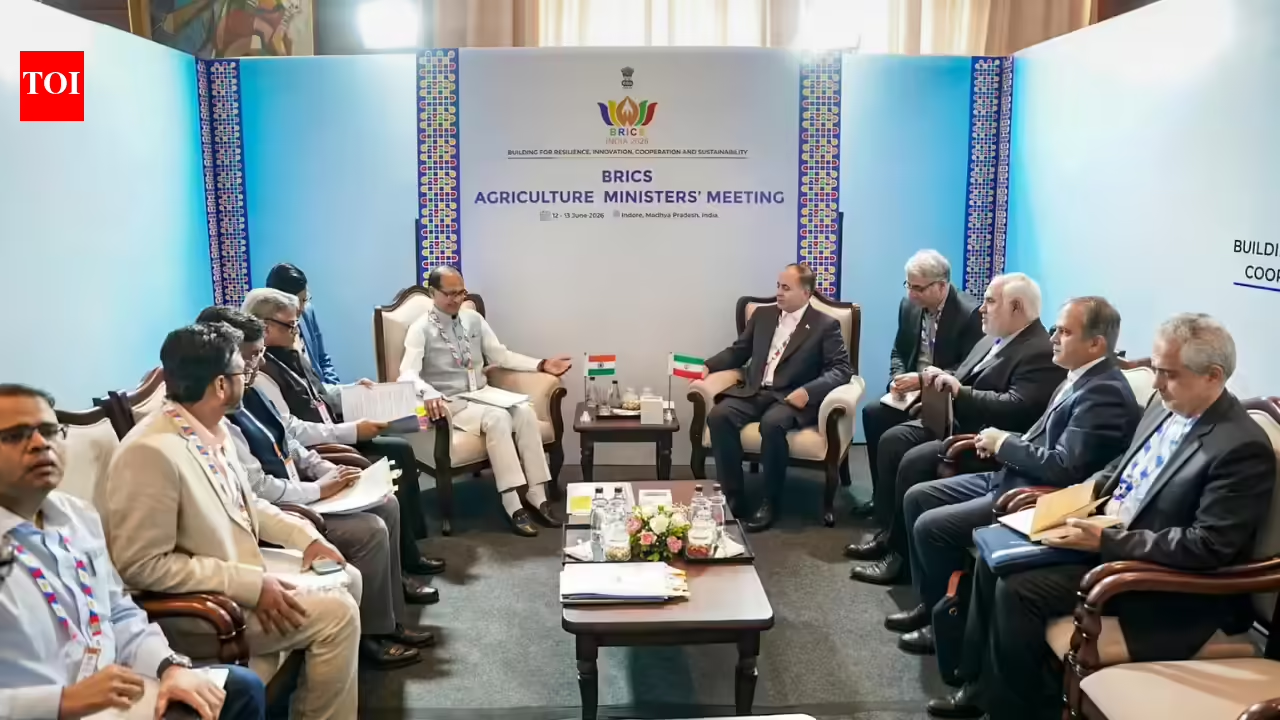
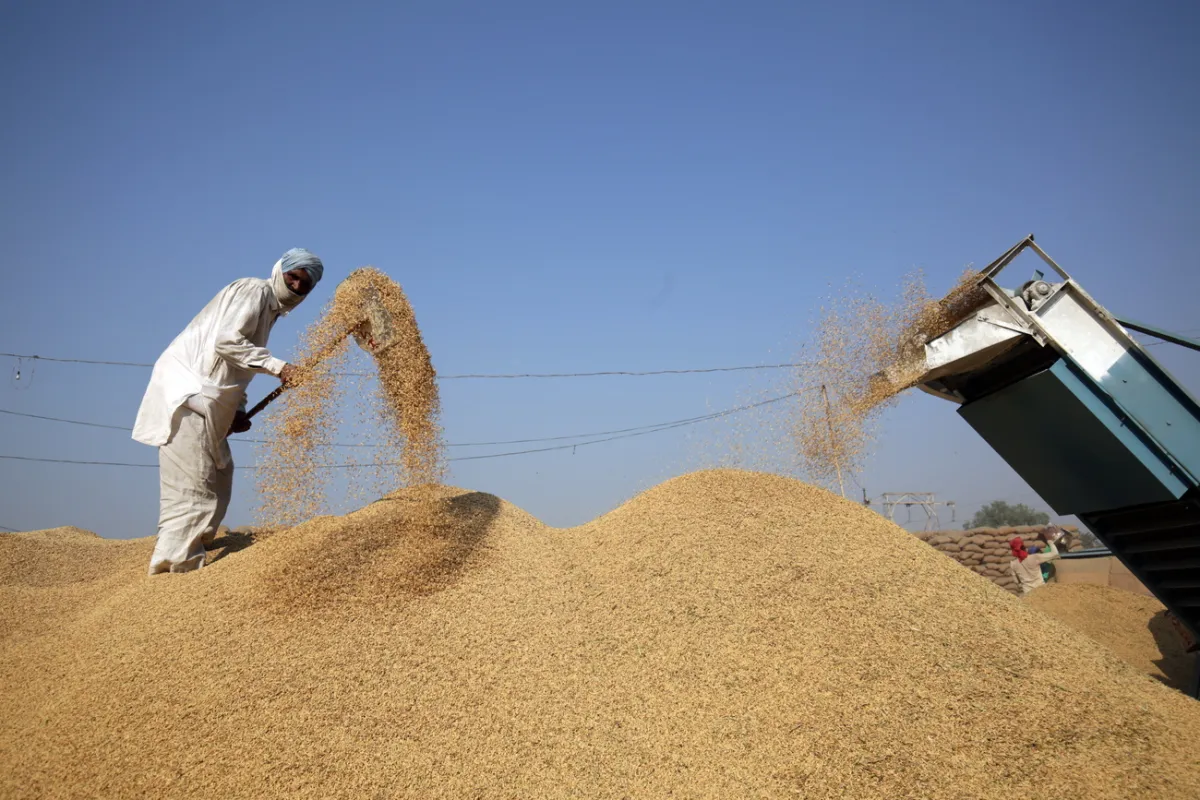
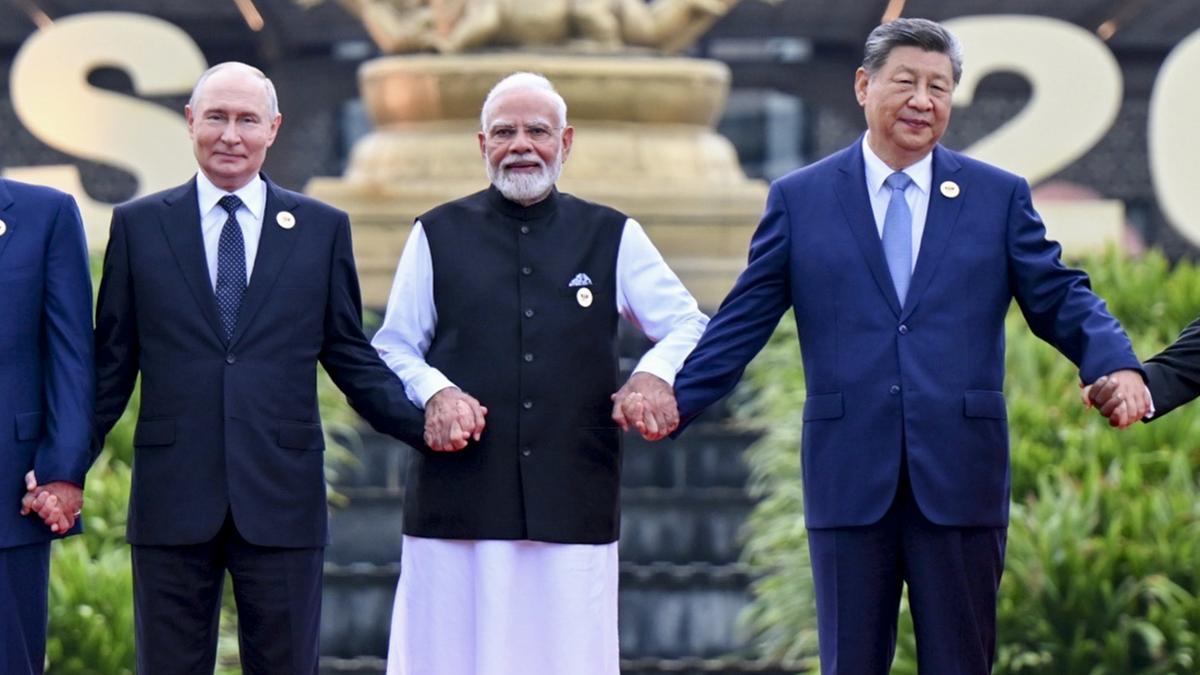
Recognising member countries’ key roles in world food production, the Russian proposal to set up BRICS Grain Exchange has been mentioned in the New Delhi Declaration of BRICS, as it said that it welcome further discussions on the modalities of its functioning. Russia is keen to see the BRICS Grain Exchange starts on a pilot basis this year and full fledged operation in 2027, sources said.“We emphasize the importance of ensuring food security nutrition and mitigating the impacts of acute food price volatility, as well as abrupt supply crises, including fertilizers shortage. In this regard, we acknowledge the importance of continued elaboration of the initiative to establish a grain trading platform within BRICS (the BRICS Grain Exchange) and welcome further discussions on the modalities of its functioning and its subsequent development, and expanding into other agricultural products and commodities,” the declaration said.businessline had reported in October 2025 about the move to set up the BRICS Grain Exchange as an alternative to the US based futures trading platform CME. Alleging biases on platforms like CME, Russia has told BRICS partners that a BRICS Exchange can save them $2.5 billion annually.As China did not agree to commit to exempt BRICS countries from any future ban on its fertiliser export, which is considered a key factor of recent global price surge amid US-Iran war, the Declaration simply said it support more discussions on the issue.“We support further discussions on national policies and on international coordination that enhance food availability, accessibility, utilization, stability and affordability, as well as relevant agricultural and food production inputs in BRICS and other developing countries - including those that strengthen national capacities to respond to supply disruptions, such as national food reserve systems, and drought resilient and climate adaptive seed systems,” it said.However, it noted that discussions on facilitating intra-BRICS trade of agricultural products as well as agriculture inputs, including promoting non-discriminatory supply chains, will continue.Highlighting the 16th BRICS Agriculture Ministers’ meeting held in Indore in June, it said: “We agree to the establishment of a collaborative, non-binding, and farmer-centric BRICS AGRIN (Agro-Inputs, Genetic Resources, and Information Network), drawing upon relevant national, regional, and international practices. We also welcome the launch of a Global Forum on Farmers’ Rights in Seed Systems to address shared challenges, promote effective policies, and encourage the documentation and exchange of traditional knowledge related to agriculture and seed systems.Officials said that though BRICS AGRIN is “non-binding”, nevertheless it will help build consensus in future to make it binding as there was no such adoption of a statement like this earlier.Among other points mentioned in the Declaration include establishment of a BRICS Network of Centres of Excellence on Agroecology and Regenerative Agriculture for Climate Resilience and Productivity, and a BRICS Network on Digital Agriculture, including agroforestry, fisheries, and aquaculture.“We reaffirm our commitment to advancing agriculture negotiations at the WTO, in accordance with existing Ministerial mandates and the WTO Agreement on Agriculture (AoA), with a view to achieving progress on long-standing mandated issues and promoting a fair, balanced and development-oriented agricultural trading system, while recognizing that evolving policy and regulatory developments increasingly affect agricultural production and trade, food security and the livelihoods of smallholders and family farmers,” the Declaration said.Published on September 12, 2026