Meta description: OpenAI says an AI model found a singularity in the Navier-Stokes equations, one of math's Millennium Prize Problems. Here's what actually happened and why it's the latest in a fast-growing string of AI math breakthroughs.
On September 8, 2026, OpenAI announced that an internal, unreleased model had produced a solution to the Navier-Stokes existence-and-smoothness problem one of the seven Clay Mathematics Institute Millennium Prize Problems, each carrying a $1 million bounty for over two decades. Headlines called it a "breakthrough." Social feeds filled with infographics declaring the 100-year mystery "solved."
The real story is more interesting, and more useful for understanding where AI-driven math is actually heading.
What OpenAI actually claims
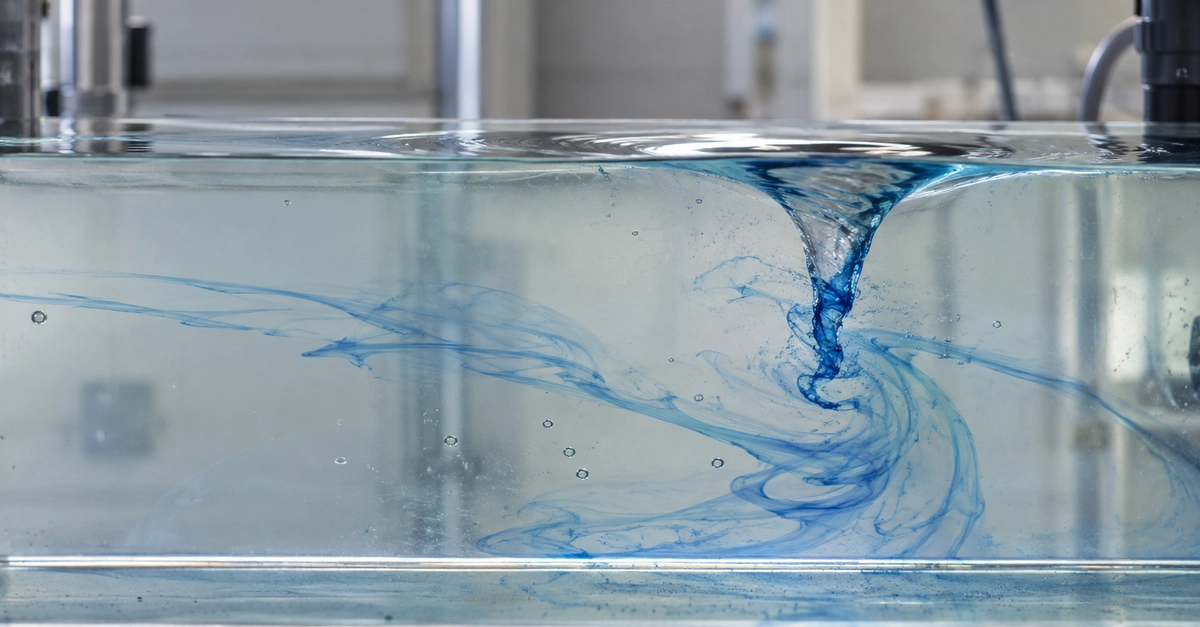
The Navier-Stokes equations describe how fluids like air and water move, and they underpin everything from aircraft design to weather models. The Millennium Prize question isn't "do these equations work" it's whether, in three dimensions, they always produce smooth, well-behaved solutions, or whether a solution can "blow up" into a singularity in finite time.