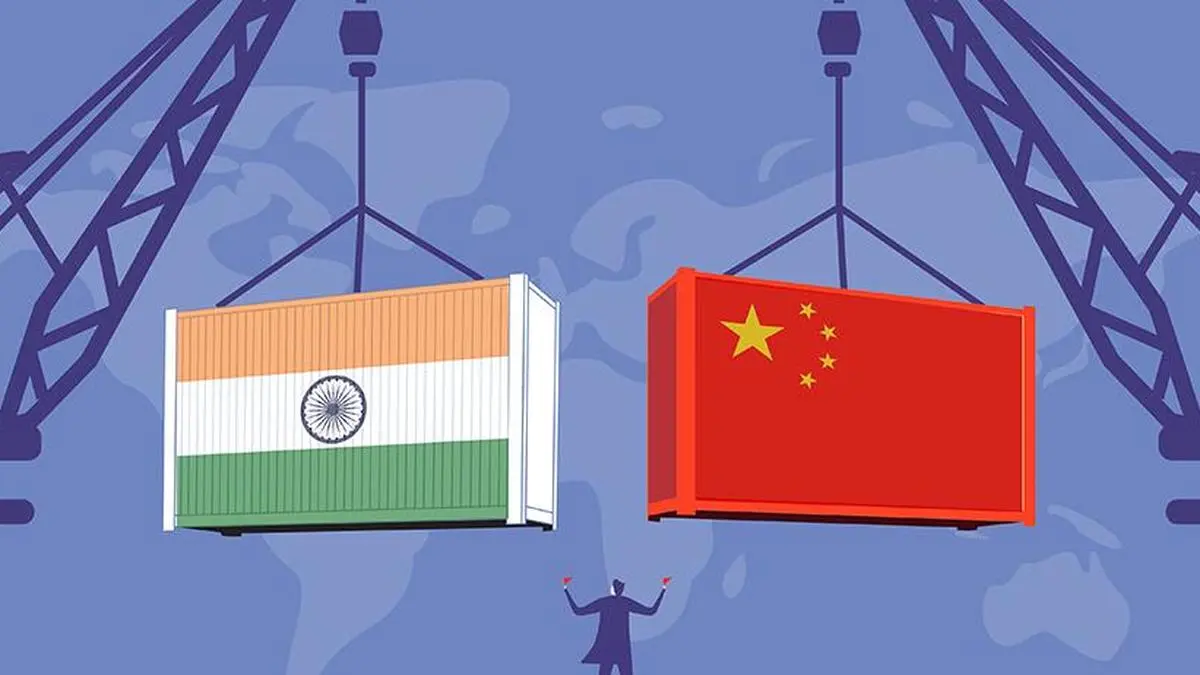
The bilateral trade between India and China rose 7.9% in 2025-26 to $127.7 billion from $118.39 billion in 2024-25.
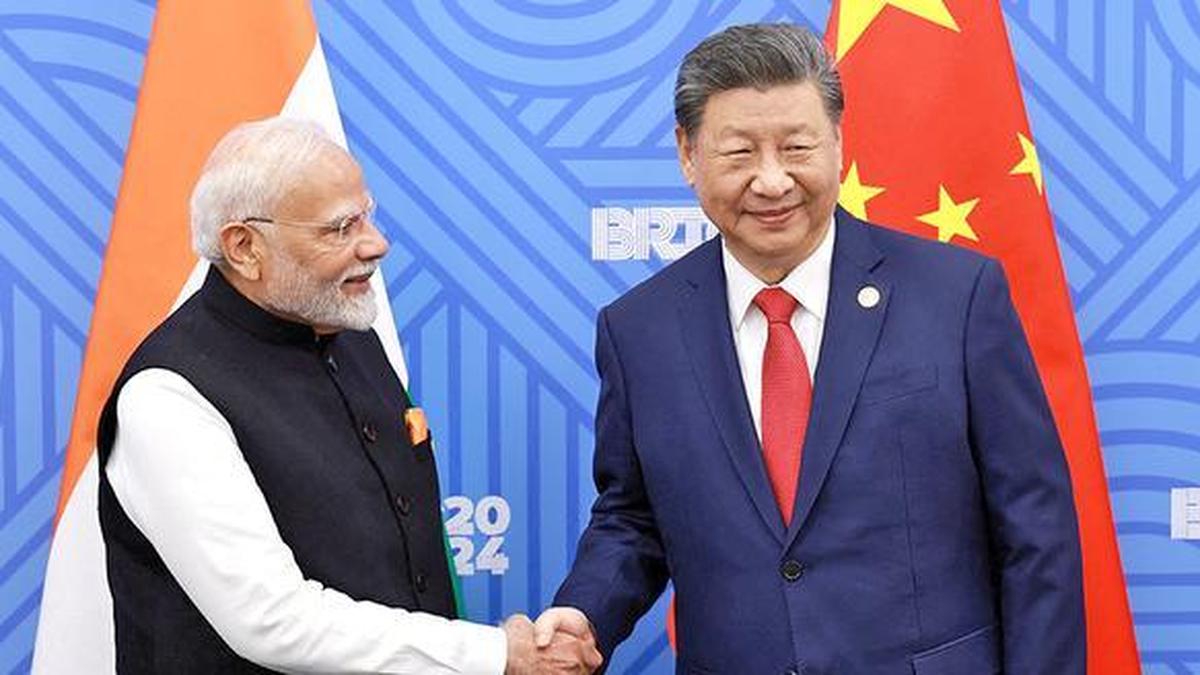
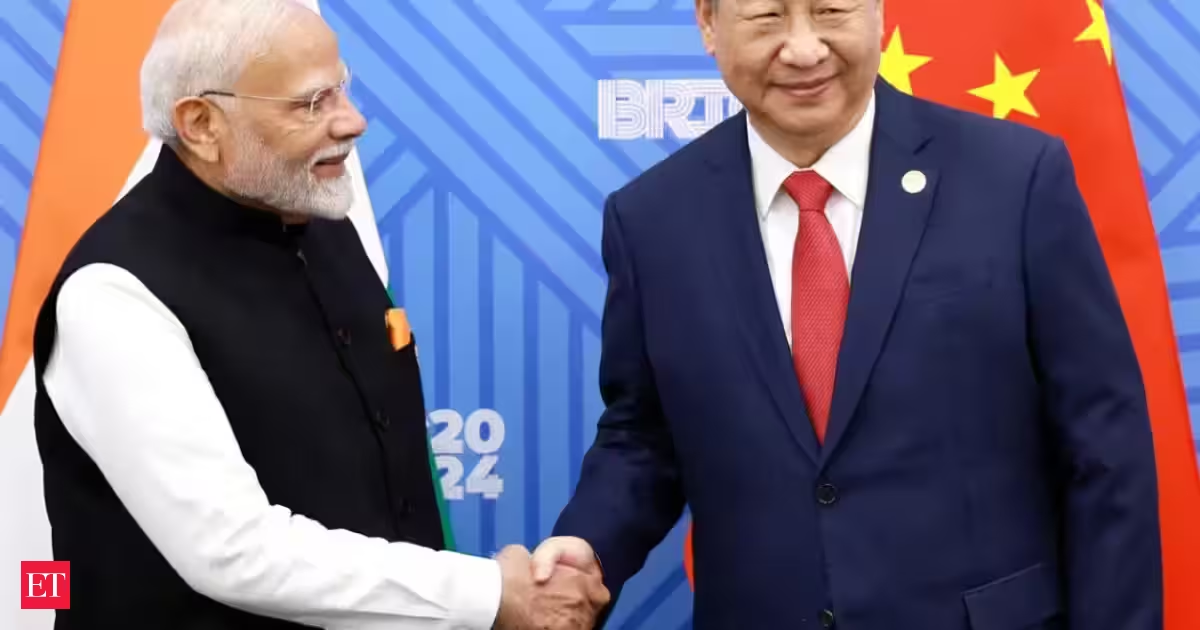
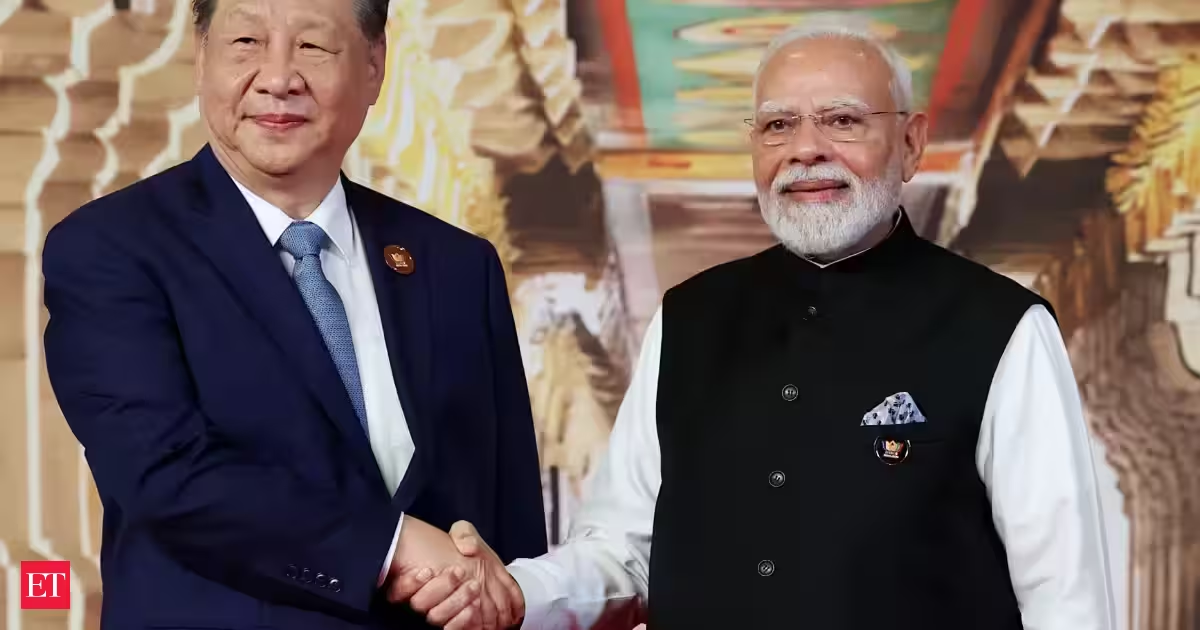
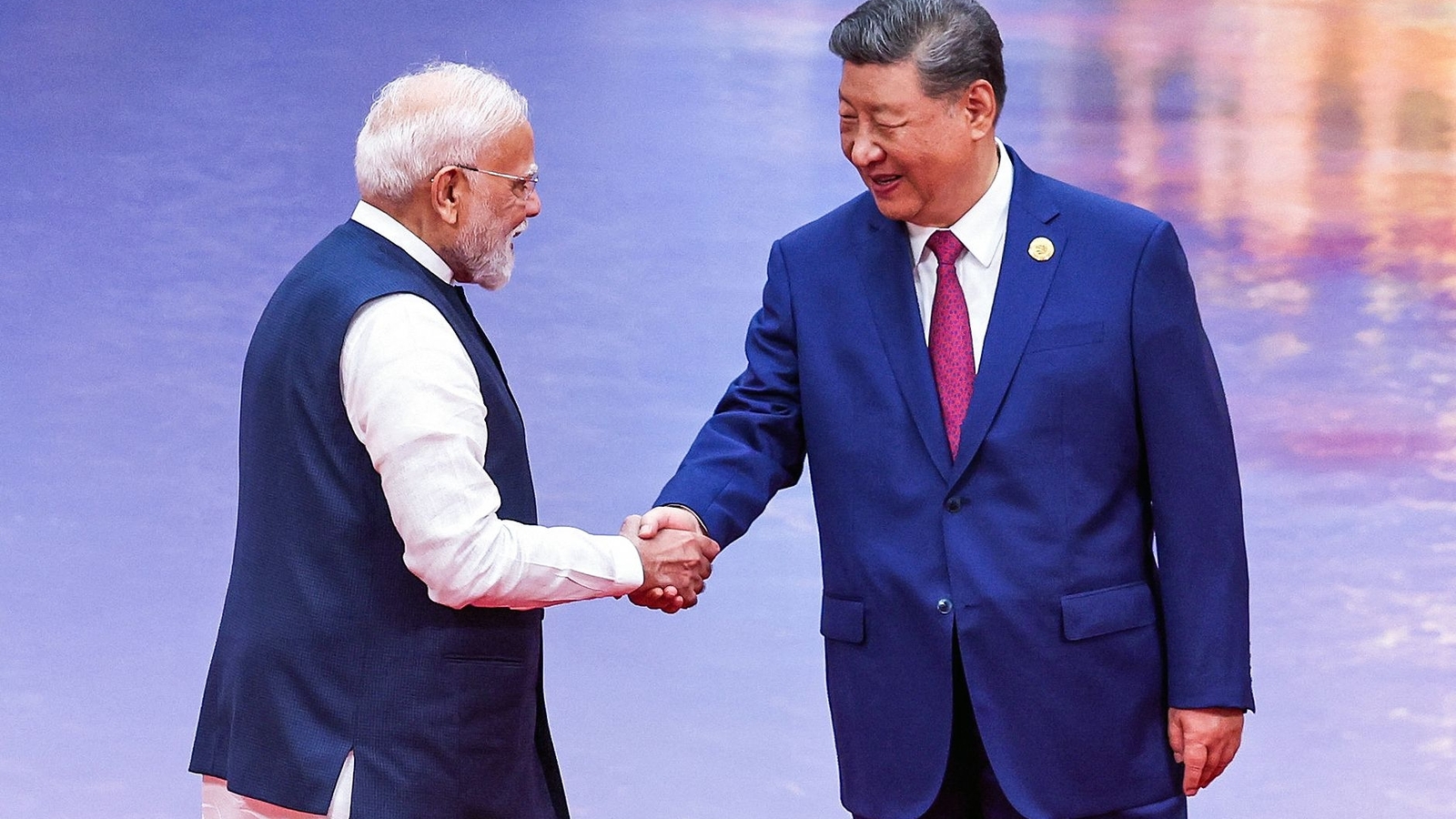
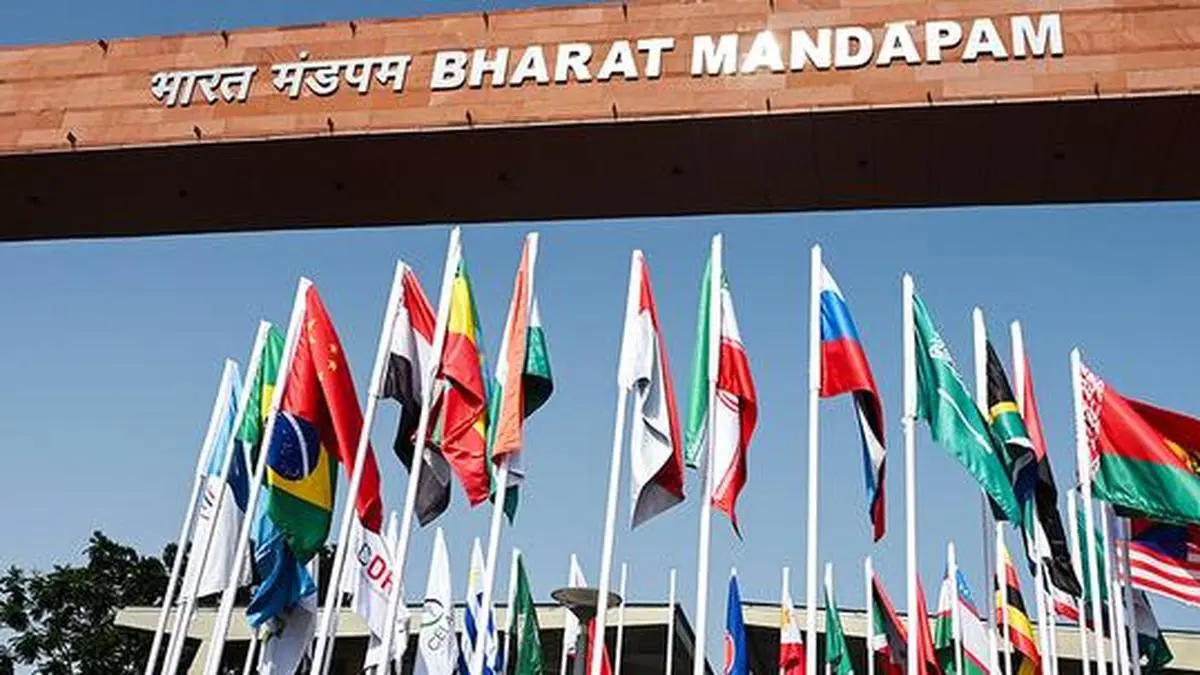
India is hosting the 18th BRICS summit here at Bharat Mandapam on September 12 and 13.Marking his first trip to India after a seven-year gap, Chinese President Xi Jinping is visiting India to attend the summit.He is scheduled to hold talks with Prime Minister Narendra Modi on the sidelines of the summit.China was the second largest trading partner of India in 2025-26. Here is a snapshot of India's trade with China.Bilateral tradeThe bilateral trade between the two countries rose 7.9 per cent in 2025-26 to $127.7 billion from $118.39 billion in 2024-25.Trade deficit widened to $99.19 billion last fiscal from $85 billion in 2024-25. It was $83.2 billion in 2023-24, $73.3 billion in 2022-23, $44 billion in 2021-22, $48.64 billion in 2020-21 and $53.56 billion in 2019-20.India's exports to China grew by 36.62 per cent to $19.47 billion in 2025-26 from $14.25 billion in 2024-25. Imports, on the other hand rose by 16 per cent to $131.62 billion in the last fiscal from $113.44 billion in 2024-25.China's share in India's total merchandise imports was about 17 per cent in 2025-26, up from 15.7 per cent in 2024-25. While in exports, Beijing's share was 4.4 per cent in the last financial year, up from 3.2 per cent in 2024-25.Dependence on ChinaIn 2025, 98.5 per cent of India's imports from China are industrial products, with agriculture, fuels, and gems and jewellery together accounting for less than 1.5 per cent.About 66 per cent of India's imports from China, valued at $82.6 billion, are clustered in electronics, machinery, computers, and organic chemicals.China accounts for 43 per cent of India's electronics imports, 40 per cent of machinery and computer imports, and 44 per cent of organic chemicals.These are not discretionary purchases but core inputs that feed directly into India's manufacturing ecosystem, think tank GTRI has said.Indian industry relies heavily on Chinese inputs - electronics parts, EV batteries, solar modules, APIs and specialty chemicals - that are hard to replace at scale. As a result, even as India tries to grow exports, its supply chains remain tied to China.According to the commerce ministry, the deficit is mainly due to imports of raw materials, intermediate goods and capital goods, like auto components, electronic parts and assemblies, mobile phone parts, machinery and its parts, Active Pharmaceutical Ingredients (APIs), which are used for making finished products which are also exported out of India.Chinese investmentsIndia has received foreign direct investment worth $2.51 billion during April 2000 and March 2026.In March, the country eased FDI norms for companies in countries other than those that share land border with India and having beneficial owners from LBCs (land border countries) below 10 per cent and non-controlling stake.However, the relaxed FDI norms will not apply to entities registered in China/Hong Kong or other countries sharing land borders with India.About BRICSBRICS has emerged as an influential grouping as it brings together 11 major emerging economies of the world, representing around 49.5 per cent of the global population, around 40 per cent of the global GDP and around 26 per cent of the global trade.Published on September 12, 2026