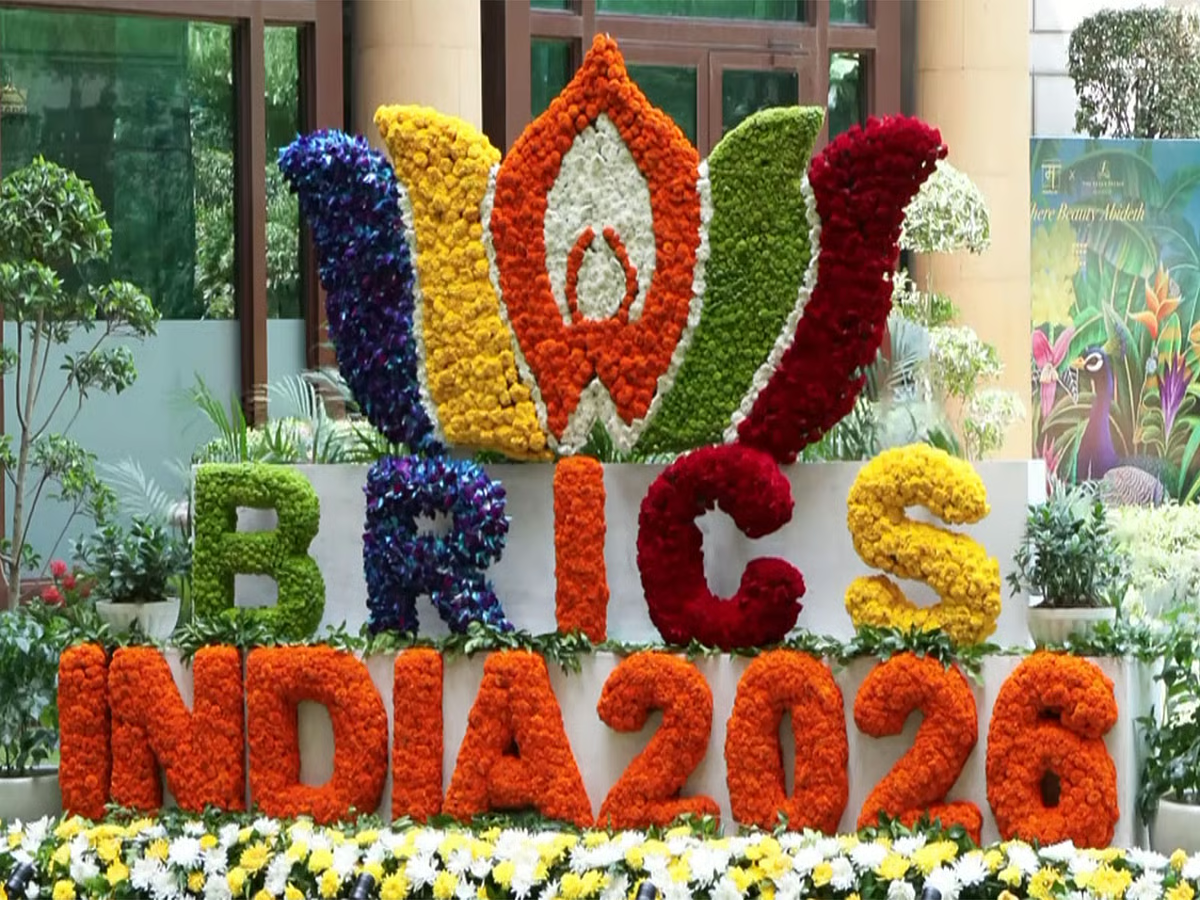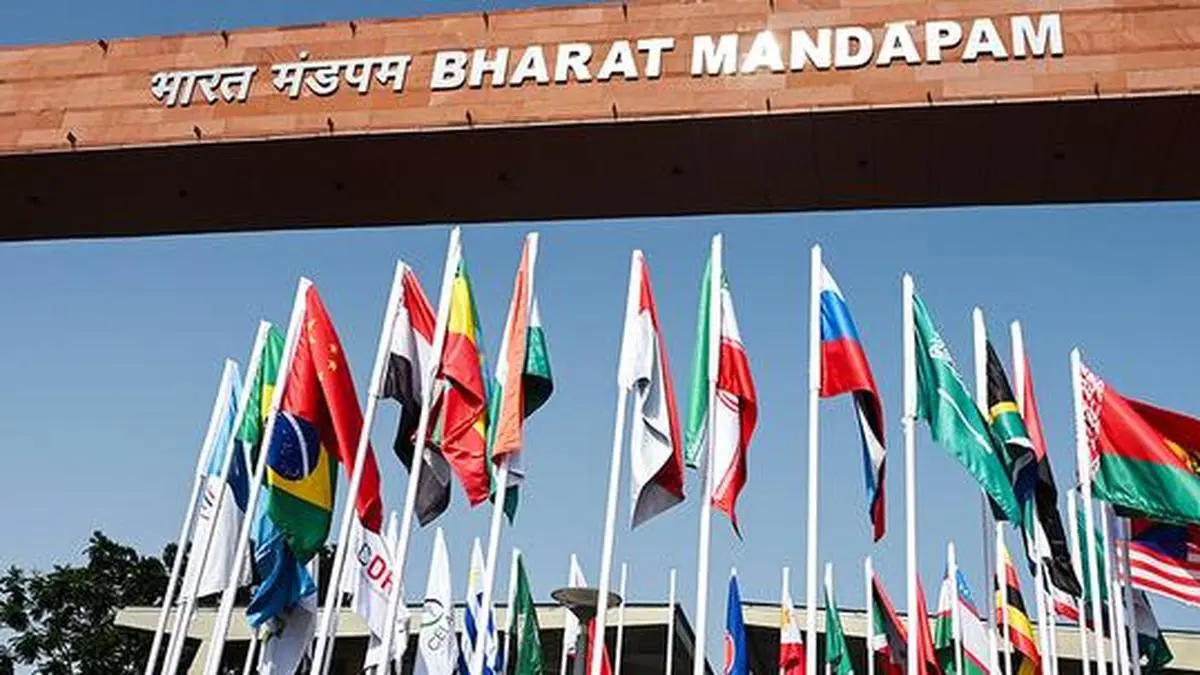
A view of the flags of countries participating in the 18th BRICS Summit outside Bharat Mandapam in New Delhi on Wednesday
| Photo Credit:
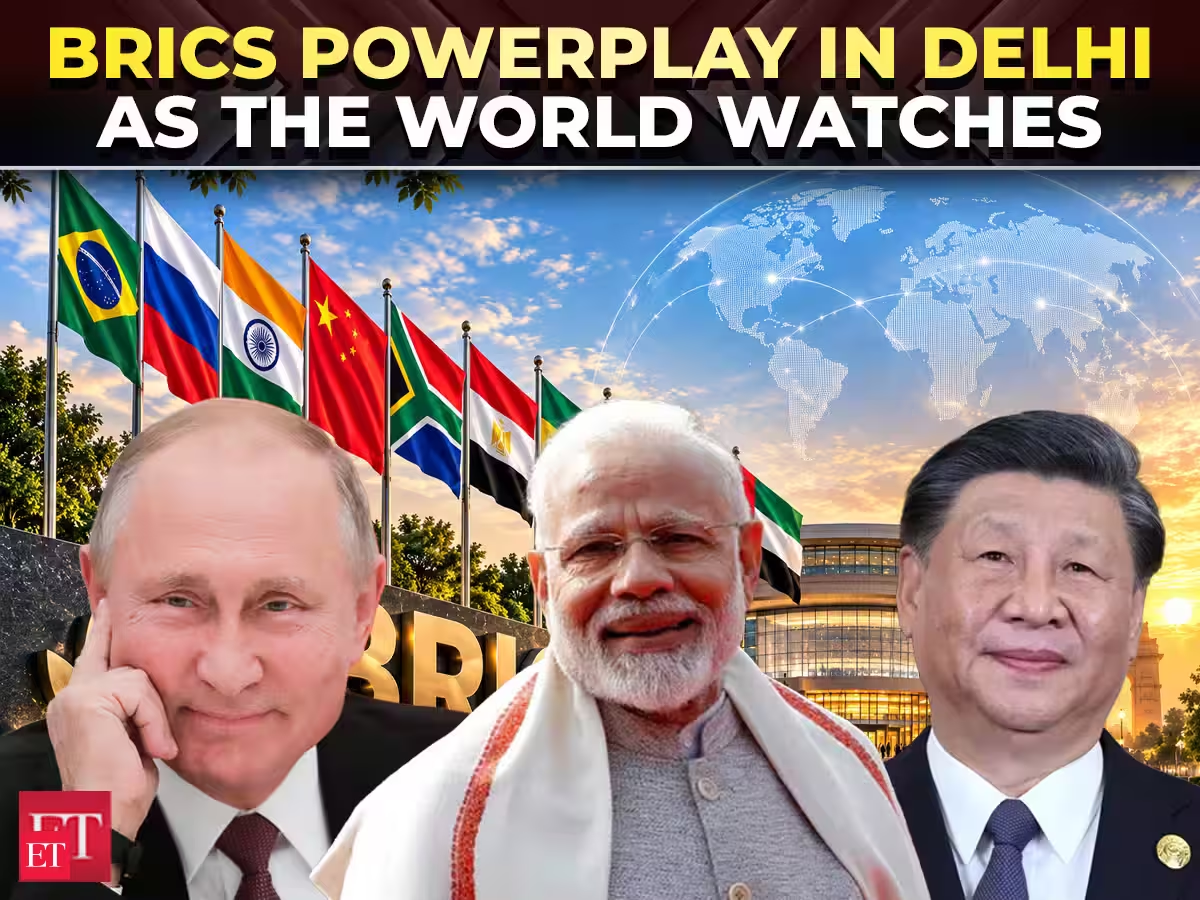
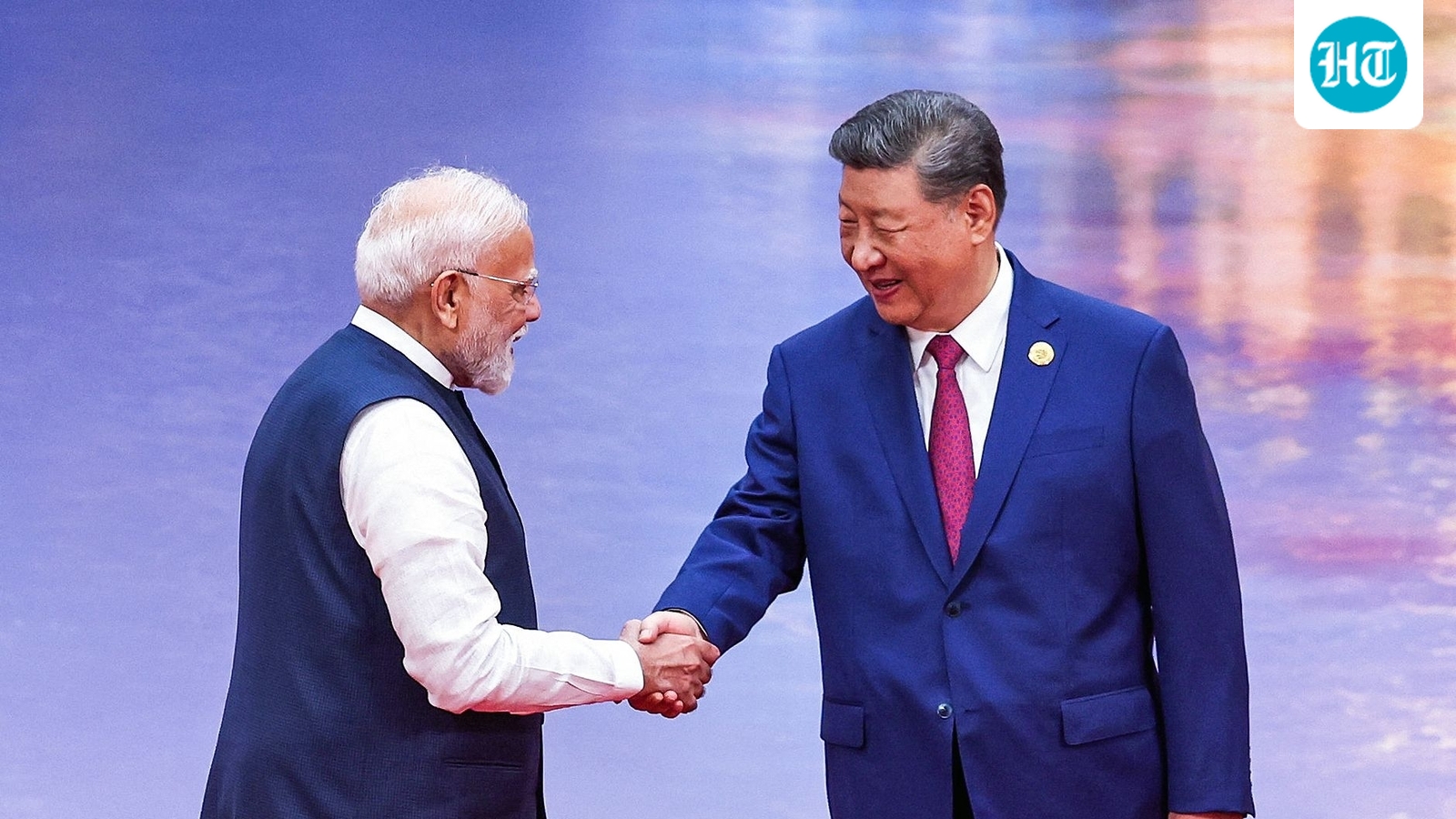
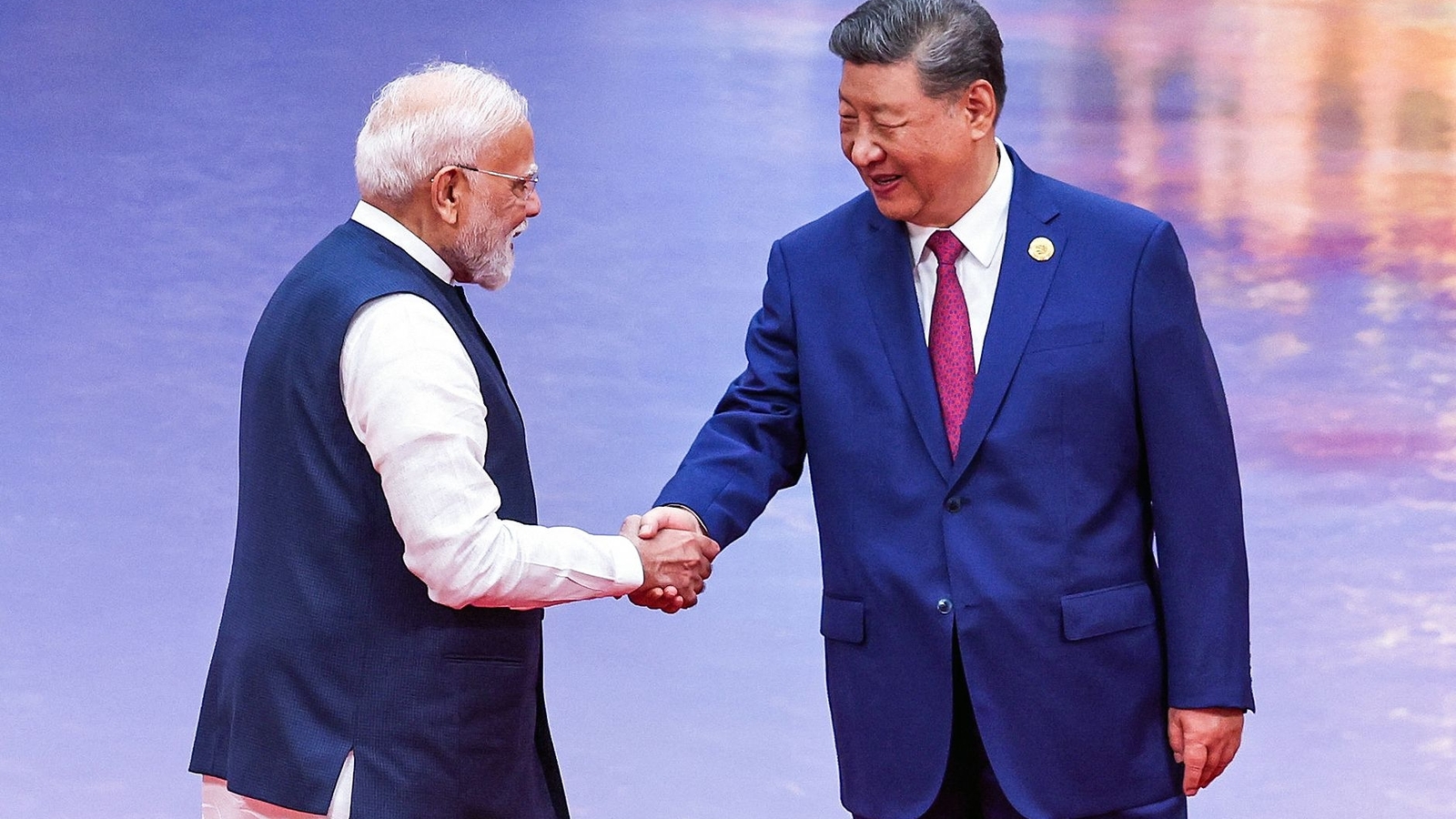
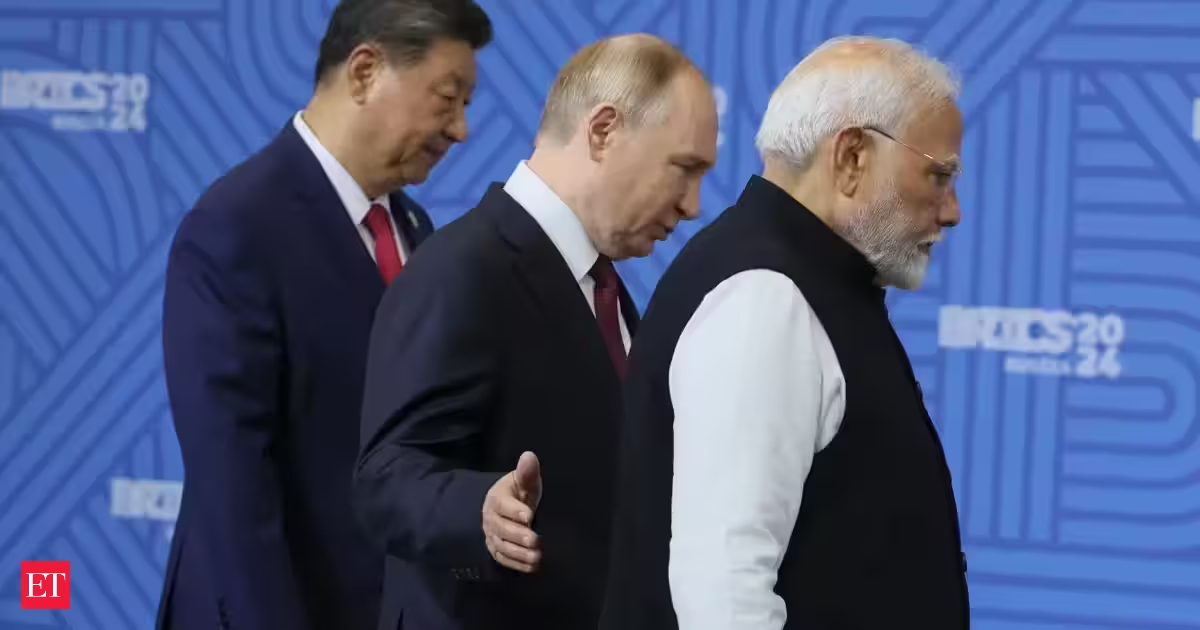
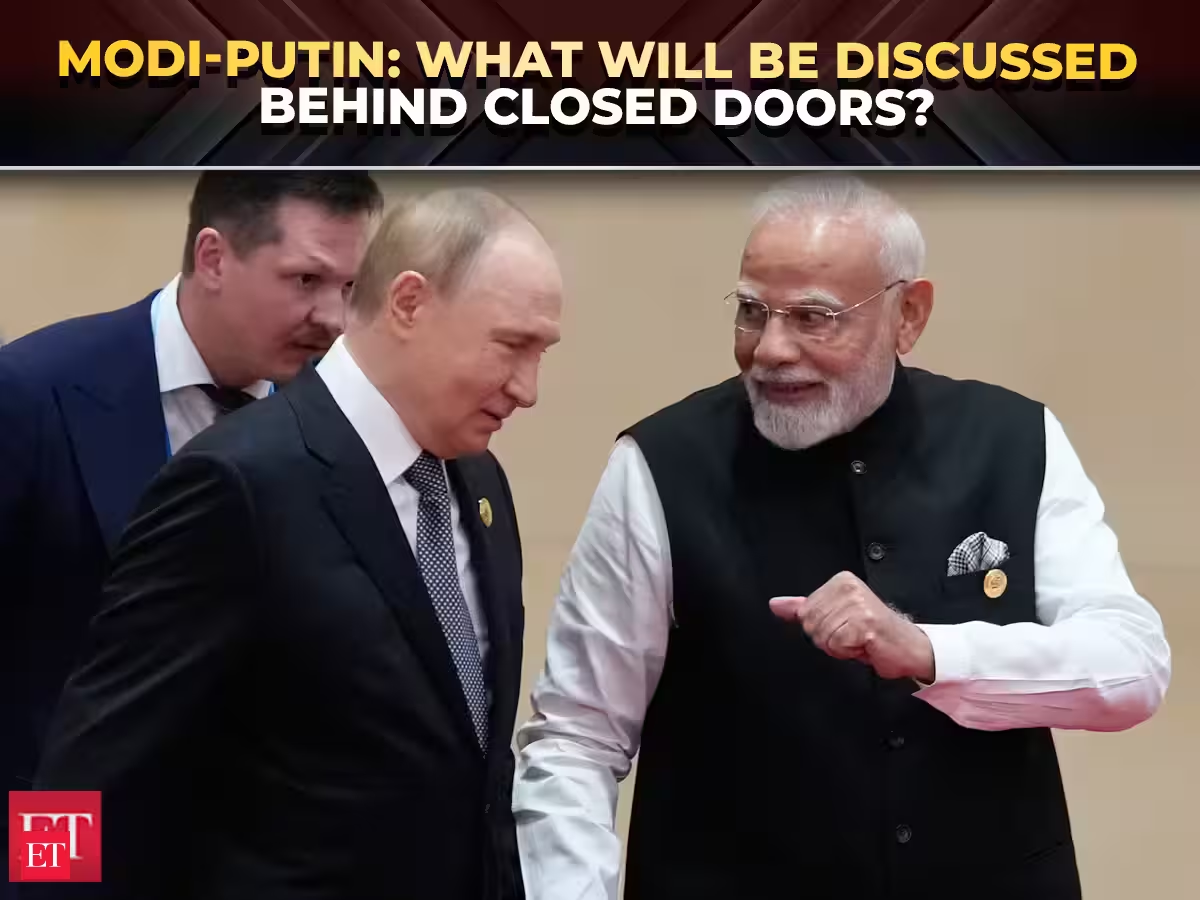
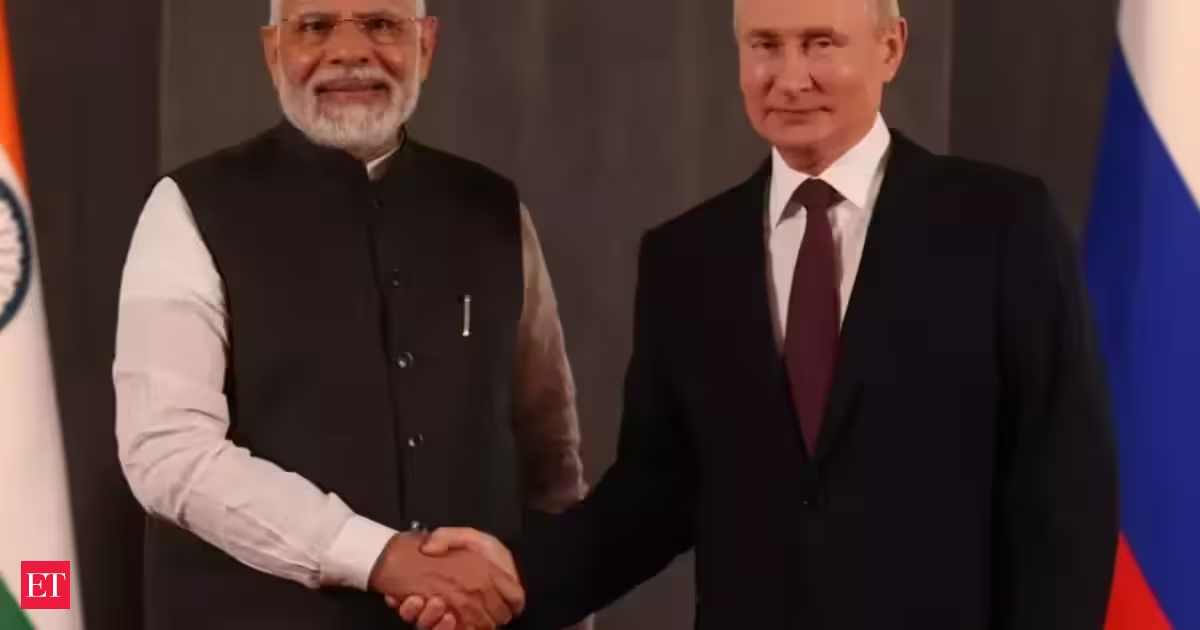
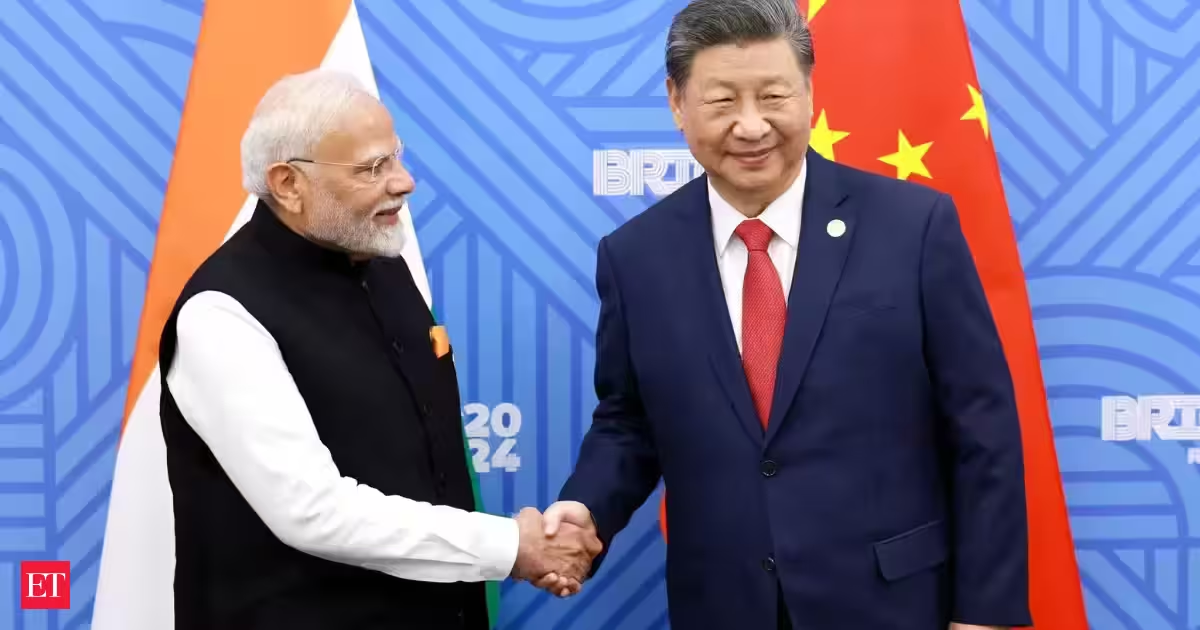
The economic and strategic import of the BRICS summit in Delhi on September 12-13 became clear in the run-up on Thursday with the confirmation of Chinese President Xi Jinping’s first visit to India in seven years and a bilateral meeting between Russian President Vladimir Putin and Prime Minister Narendra Modi scheduled a day ahead of the summit.The Russian trade minister Anton Alikhanov was already in Delhi, holding talks with his counterpart Piyush Goyal during the India-Russia business dialogue, while other delegates started arriving by late Thursday. PM Modi was effusive on social media, putting a welcome message on X: “All set for BRICS 2026”.Goyal said India needed to diversify exports to Russia — pharmaceuticals, engineering goods, chemicals, food and marine products, and auto components — to help lift bilateral trade to $100 billion by 2030 from around $60 billion in FY26. He noted Russia remains a major importer of several product categories where India is a significant global exporter, yet has not fully tapped that potential.More crucial meetings are ahead. “The Modi-Xi talks are expected to focus on the fragile improvement in ties, with the unresolved border issue, widening trade imbalance, visa problems, and curbs on Chinese investment likely to dominate,” a source tracking the matter told businessline. Both sides have sought to stabilise relations since the 2020 LAC clashes, but mutual distrust and border friction continue to limit economic engagement despite periodic exchanges, the source said.In the Modi-Putin bilateral on Friday, India will be pushing for greater exports to Russia to narrow a bilateral trade deficit exceeding $50 billion. “Modi’s meetings with Xi, Putin and other BRICS leaders will be watched closely as nations navigate uncertainty from Washington’s shifting tariff and trade policies under President Donald Trump,” the source said.Putin is expected to press ahead on defence deals, including proposed co-production of the Su-57 fifth-generation stealth fighter jet, and on alternative payment mechanisms within BRICS.With China, the border remains the core obstacle. Despite an eight-point consensus, recent talks have yielded little progress, and Beijing’s push for eased investment restrictions is unlikely to succeed without movement on the LAC, the source said.“The Modi-Xi meeting will test whether the diplomatic thaw can translate into real progress on trade, investment and the border,” the source said.Published on September 10, 2026