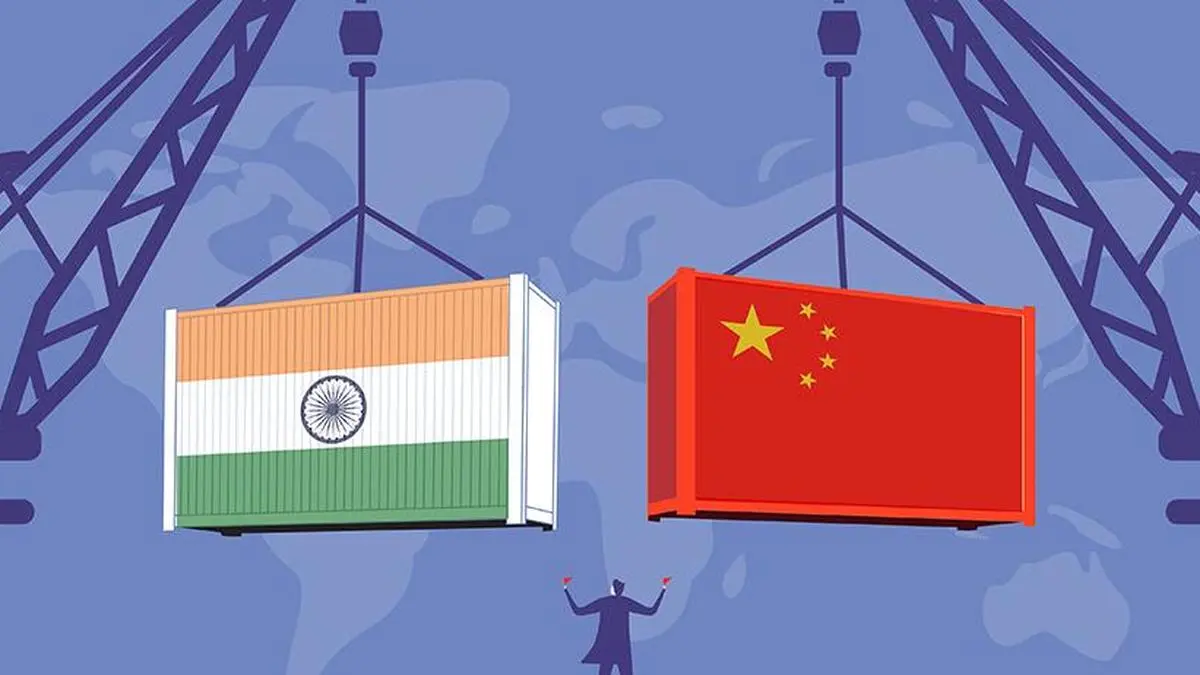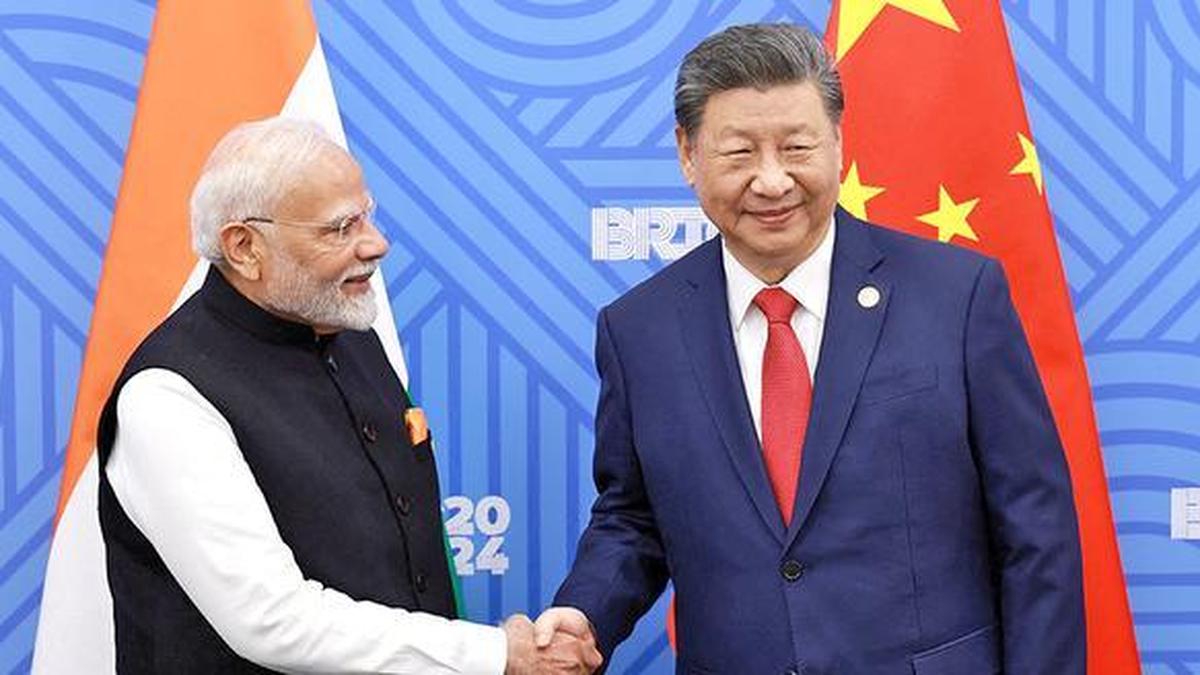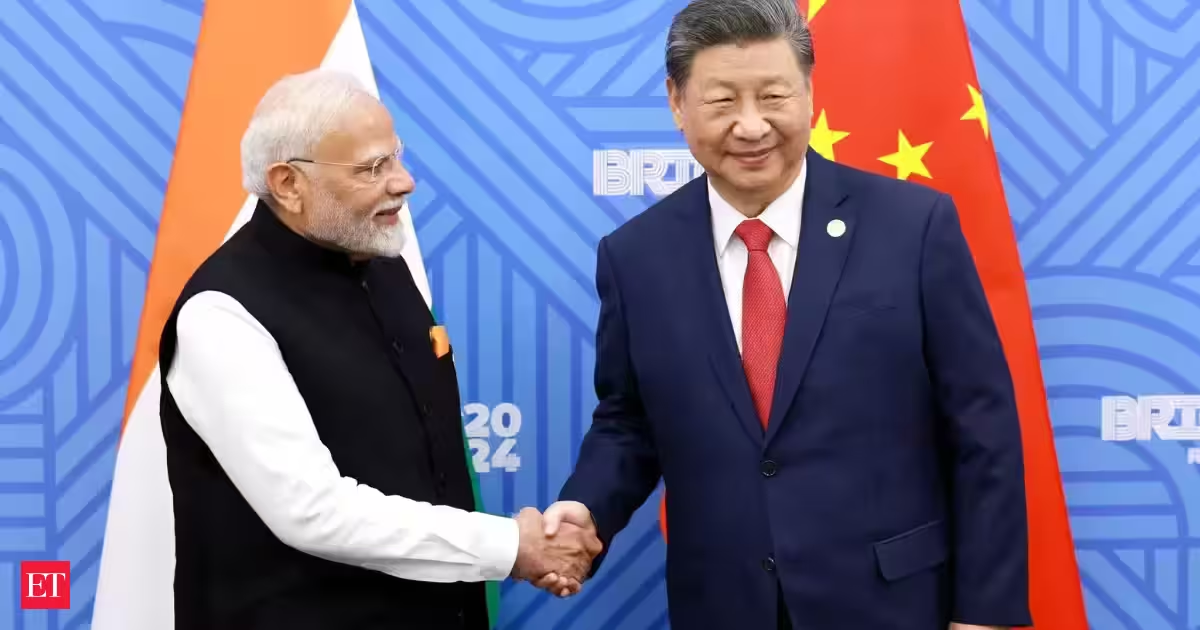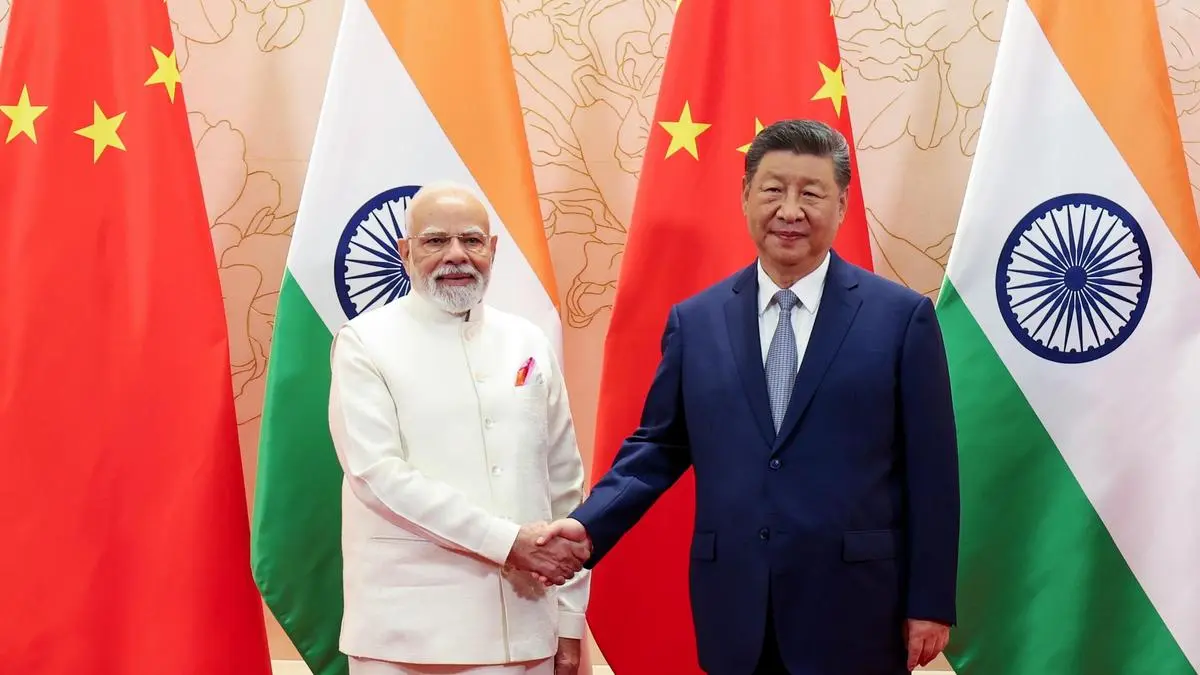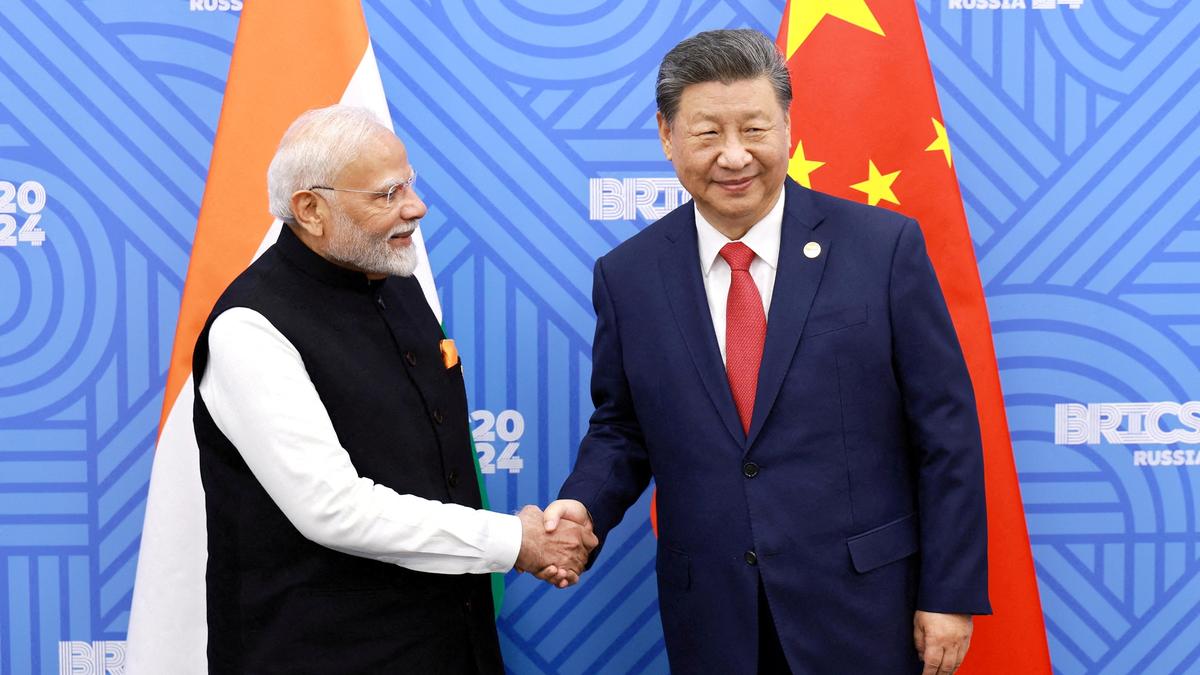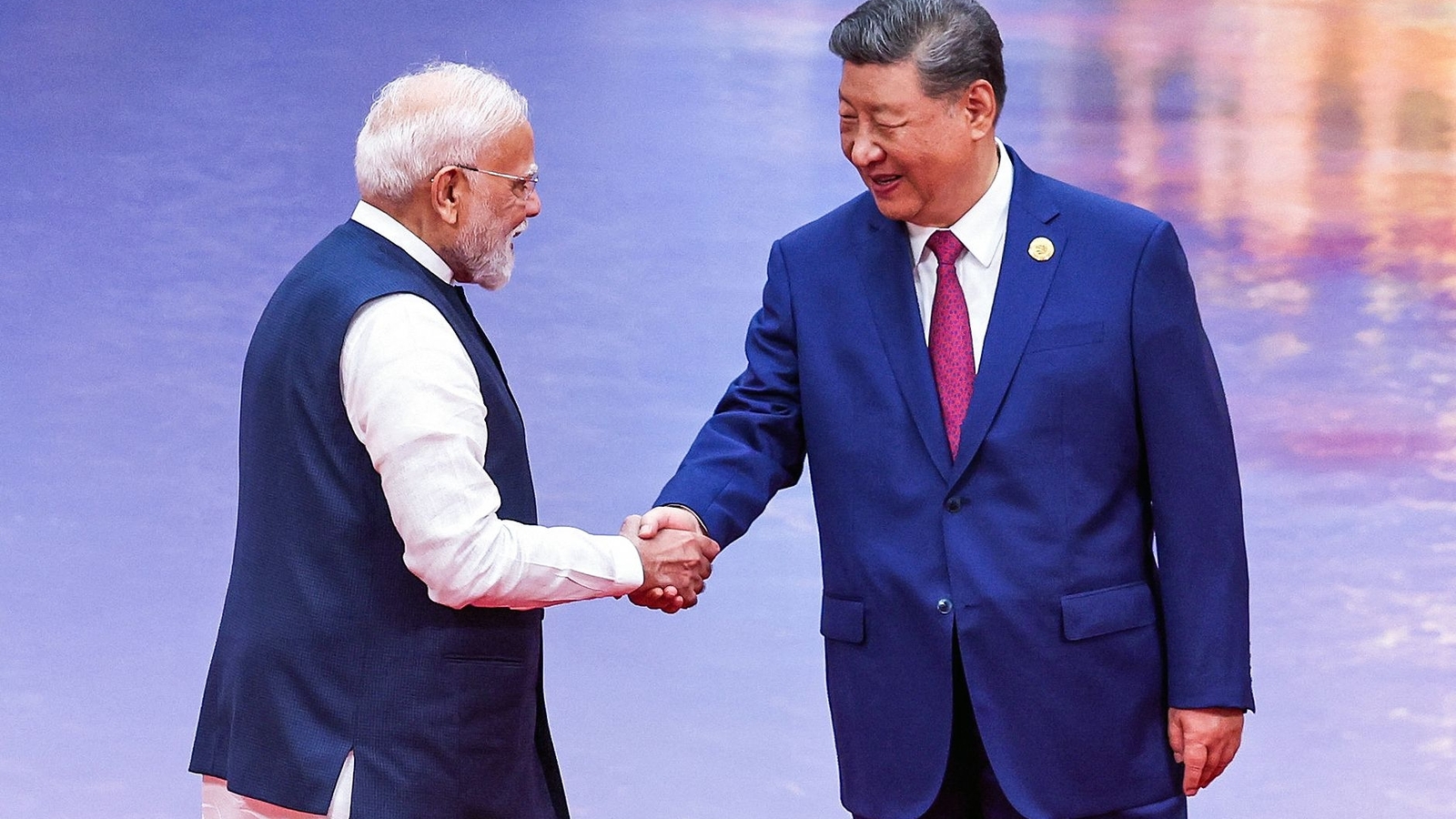
Chinese President Xi Jinping's visit to India for the 18th BRICS Summit has put the complex India-China relationship back in focus, with trade emerging as one of the clearest markers of the economic ties between the two countries.Xi, who is visiting India for the first time in seven years, is scheduled to meet Prime Minister Narendra Modi on the sidelines of the summit at Bharat Mandapam on September 12 and 13.Follow our BRICS stories hereThe two countries have seen a cautious improvement in ties following the 2020 border crisis, even as economic relations remain marked by a stark imbalance. China emerged as India's largest trading partner in 2025-26, with bilateral goods trade reaching $151.1 billion, according to government data.But the headline trade number masks a much larger problem for India: the country's imports from China vastly exceed its exports, while Chinese industrial inputs remain deeply embedded in several critical sectors of the Indian economy.Bilateral trade: $151 billion and a record deficitIndia's exports to China rose 36.62% to $19.47 billion in 2025-26 from $14.25 billion a year earlier. Imports, however, rose 16.03% to $131.63 billionvfrom $113.46 billion.As a result, India's trade deficit with China widened to $112.16 billion in 2025-26, from $99.21 billion in 2024-25.The latest figures mark a sharp increase from the $85.08-billion deficit in 2023-24, highlighting how quickly the imbalance has expanded over the past few years.India's total goods trade with China increased 18.31 in 2025-26 to $151.10 billion. China had overtaken the US as India's largest trading partner after the US held that position for four consecutive years.China's importance is particularly pronounced on the import side. The country accounted for around 17% of India's merchandise imports in 2025-26, while its share of India's exports was around 4.4%, according to the figures in the supplied data.Also Read: BRICS Summit in New Delhi: The grand finale is India's moment to navigate a bigger, and more divided blocWhere India's dependence on China liesThe trade imbalance is not simply a story of consumer goods flowing into India. A large portion of India's imports from China consists of industrial inputs, components and capital goods used by Indian manufacturers.GTRI has highlighted the concentration of India's Chinese imports in industrial sectors. Its analysis says 98.5% of India's imports from China in 2025 were industrial products, while agriculture, fuels, and gems and jewellery together accounted for less than 1.5%.About 66% of India's imports from China, worth $82.6 billion, are concentrated in electronics, machinery, computers and organic chemicals, according to the think tank.China accounts for about 43% of India's electronics imports, 40% of machinery and computer imports, and 44% of organic chemical imports, GTRI has said.The significance of these imports goes beyond their value. Electronics components, EV batteries, solar modules, active pharmaceutical ingredients and specialty chemicals are increasingly important to India's manufacturing and energy-transition ambitions.GTRI has argued that these are not discretionary purchases but core inputs that feed directly into India's manufacturing ecosystem.The Commerce Ministry has similarly pointed to India's imports of raw materials, intermediate goods and capital goods, including auto components, electronic parts and assemblies, mobile phone components, machinery and parts, and APIs.Many of these imported inputs are subsequently used to manufacture finished products, including goods that India exports.That creates a difficult equation for New Delhi: reducing dependence on China cannot simply mean cutting imports, because some of those imports are themselves critical to expanding India's domestic manufacturing capacity.Exports to China are rising, but from a much smaller baseIndia's exports to China have recovered sharply after falling to $14.25 billion in 2024-25.Outbound shipments increased by 36.62% to $19.47 billion in 2025-26, with growth reported in products including printed circuit boards, electrical appliances, telephone systems, shrimp, aluminium ingots, vessels and some agricultural commodities.Yet the scale remains modest compared with India's imports from China.The result is that even a strong increase in exports has not been enough to materially narrow the overall trade gap. The $112.16-billion deficit in 2025-26 was the highest on record.India has been pushing for greater Chinese market access for sectors such as pharmaceuticals, agriculture and IT, while seeking to diversify its own sources of industrial inputs.Chinese investment remains limitedThe trade relationship is far larger than direct Chinese investment in India.Between April 2000 and March 2026, China accounted for only 0.32% of India's total FDI equity inflows, with cumulative investment of $2.51 billion, according to DPIIT data. China ranked 23rd among sources of FDI into India.In March 2026, India eased some provisions of its FDI rules for companies with beneficial ownership from countries sharing a land border with India, subject to conditions.However, the relaxation does not apply to entities registered in China, Hong Kong or other countries sharing a land border with India. Investments from such entities continue to face the applicable approval requirements.India's relatively limited direct FDI from China stands in contrast to the country's growing reliance on Chinese goods and industrial inputs.BRICS: The larger economic pictureThe India-China trade relationship is unfolding against the backdrop of an expanding BRICS grouping.BRICS now comprises 11 major emerging economies and represents around 49.5% of the world's population, 40% of global GDP and 26% of global trade, according to the figures cited for the grouping.India is hosting the 18th BRICS Summit in New Delhi on September 12 and 13, with the grouping bringing together major economies from Asia, Africa, the Middle East and Latin America.For India and China, the summit provides a broader multilateral setting for engagement even as their bilateral relationship continues to be shaped by trade imbalances, supply-chain dependence and unresolved strategic differences.Xi's visit, and his expected meeting with Modi, therefore comes at a moment when the two countries are seeking to stabilise ties while managing an economic relationship that has become both too large to ignore and too imbalanced to overlook.
India-China trade: The numbers behind the relationship as Xi visits Delhi
Chinese President Xi Jinping's visit highlights India-China trade's stark imbalance. India's imports from China vastly exceed its exports, creating a record deficit. Chinese industrial inputs are deeply embedded in India's critical manufacturing sectors. Bilateral goods trade reached $151 billion, with imports dominating the exchange. This economic relationship unfolds against the backdrop of an expanding BRICS grouping.
956 words~4 min read