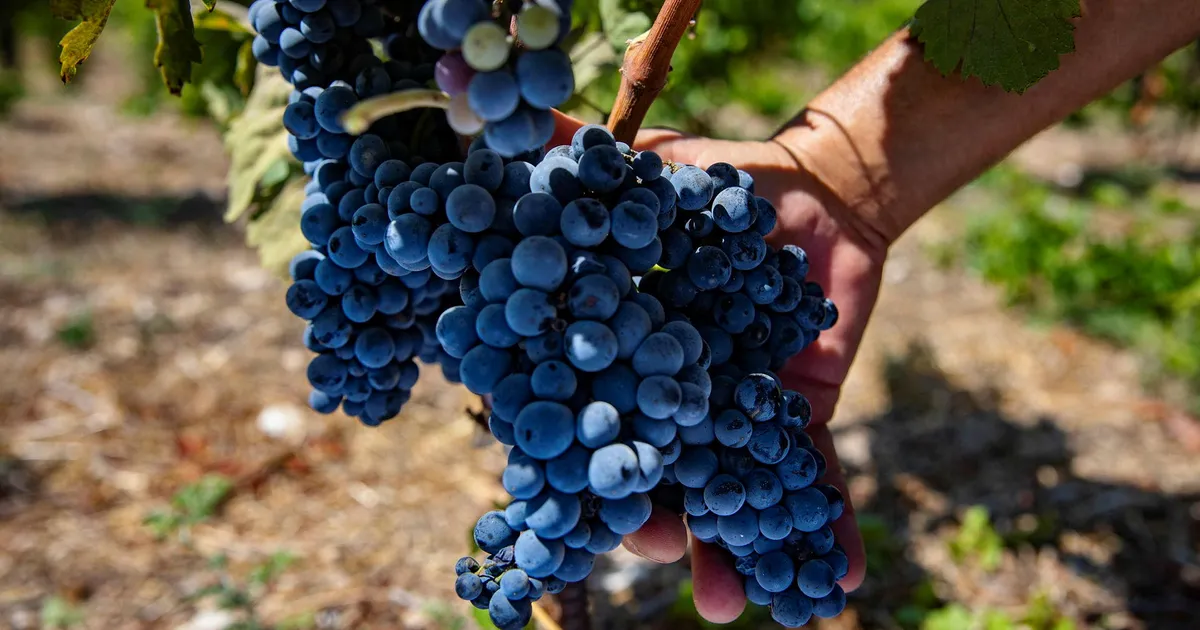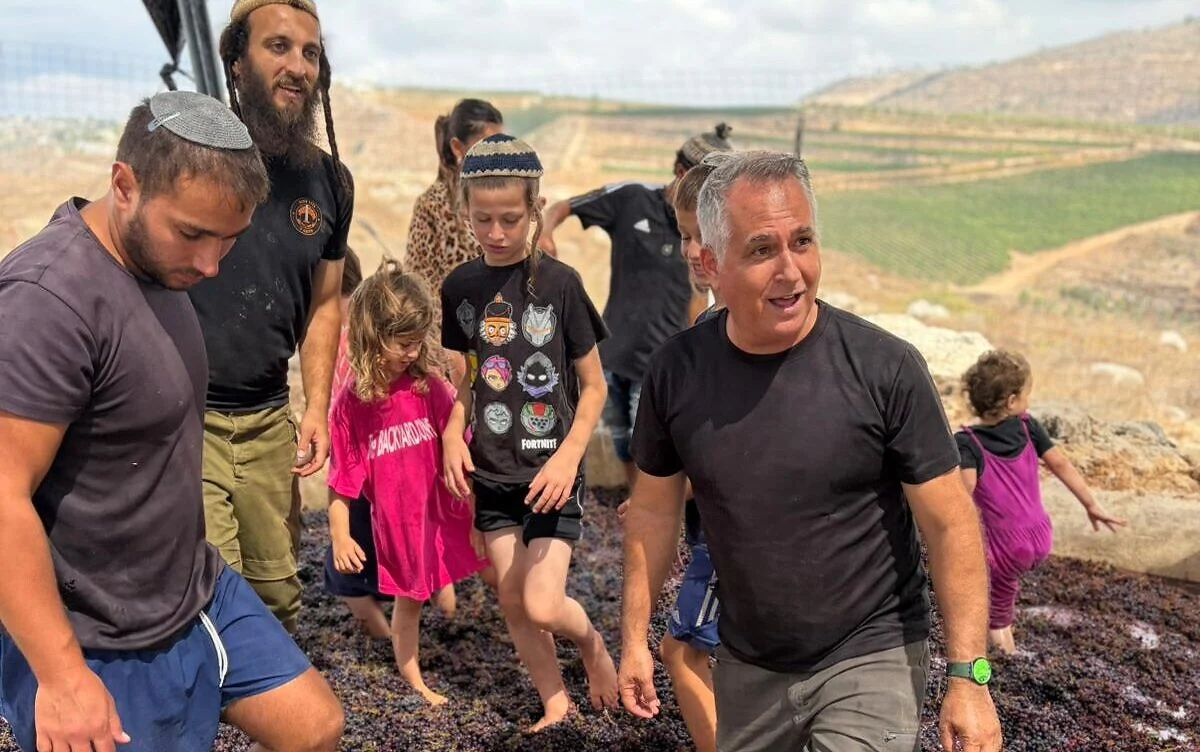
Standing at an ancient wine press on a West Bank hilltop last week, a team of researchers and volunteers removed their shoes in the name of science. Then they washed their feet and began stomping on several tons of red grapes on the reconstructed treading floor.
The goal: to uncover the ancient process of winemaking in the land of Israel.
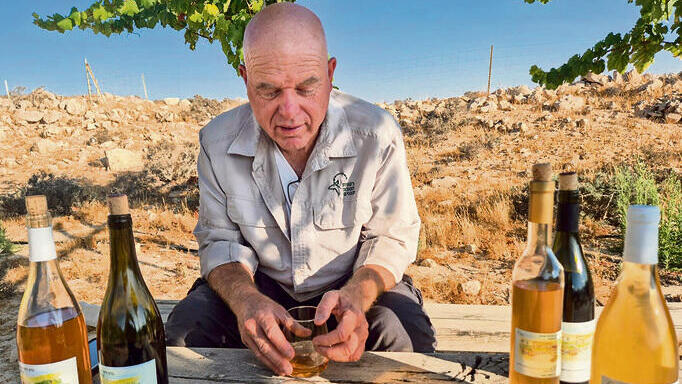
“This is a once‑in‑2,200‑years event,” scientist and winemaker Shivi Drori told The Times of Israel in a phone call after the initial wine pressing. “We are recreating the ancient wine industry of Israel.”
The purpose of this particular project, Drori explained, was to determine whether ancient Judean winemakers let the juice flow directly into the adjacent collection vats to ferment, or instead left it to ferment on the treading floor itself.
But the question was just one part of a larger effort by Drori to understand how wine was made in ancient Israel. Drori is a professor of chemical engineering and biotechnology at Ariel University and head of its Samson Family Wine Research Center, as well as chief winemaker at Gva’ot Winery in Shilo. His studies have focused on identifying the indigenous grapes used for wine in ancient Israel and understanding how wines were produced and imbibed.