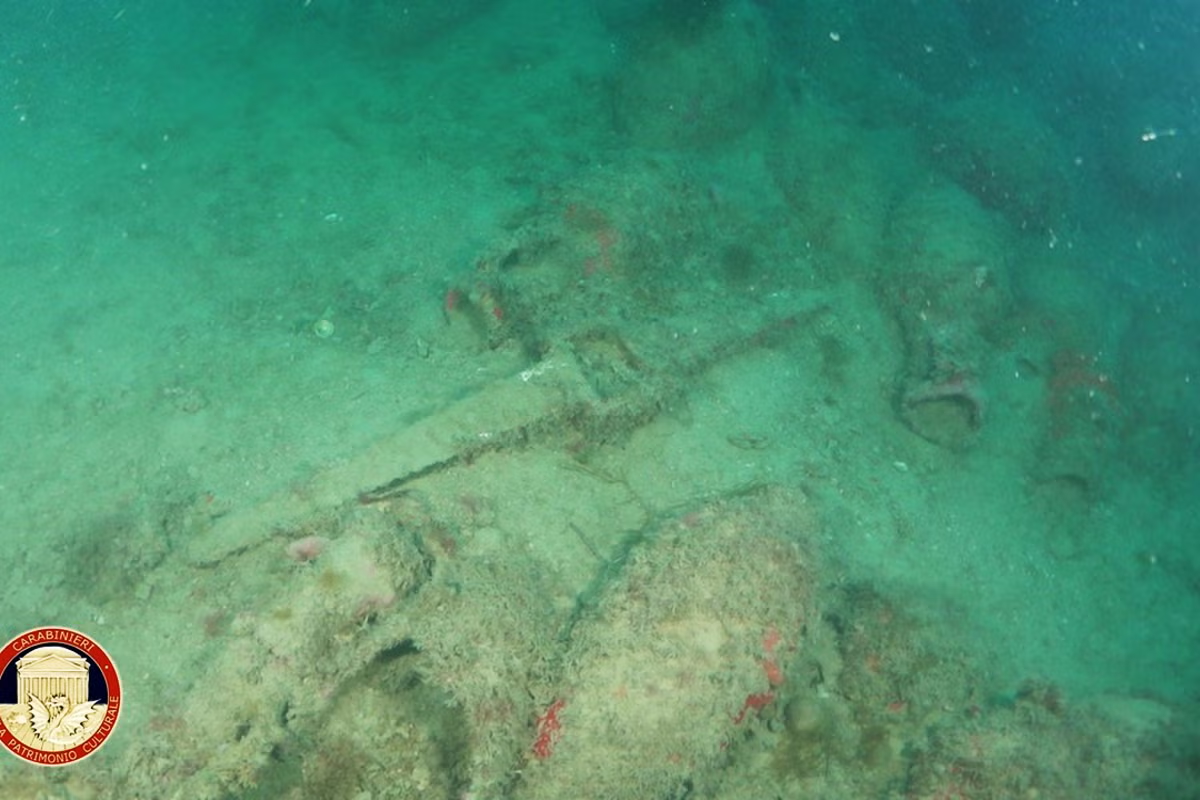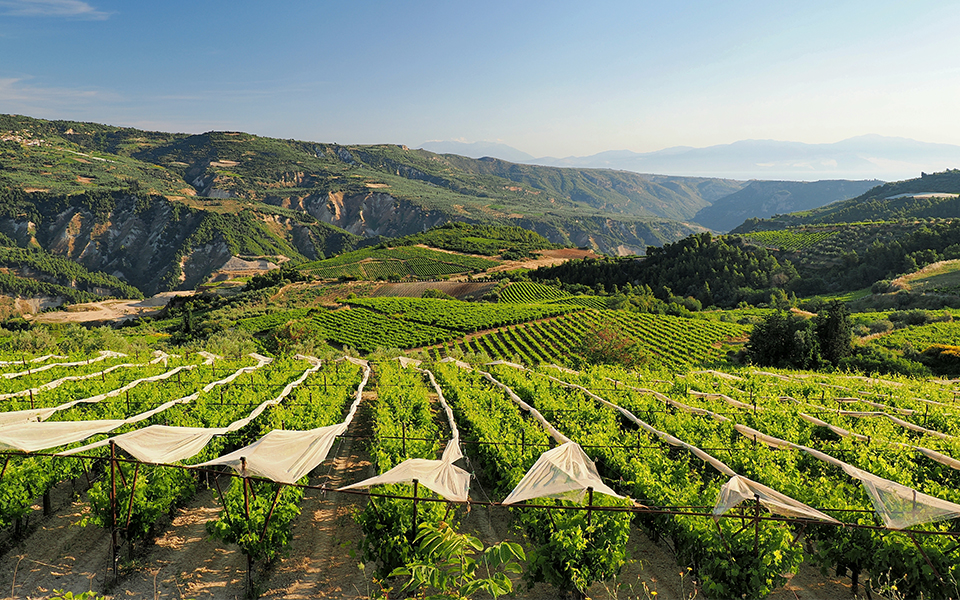
Wine has been part of life in Greece for thousands of years. Archaeological evidence shows that grapes were being cultivated and wine produced here as early as the Late Neolithic, c. 4500 BC, while the drink became deeply embedded in the religious and social life of the Aegean Bronze Age. The Minoans – master seafarers and traders – carried their wines and winemaking traditions into a wider world, forging connections with Egypt and communities across the eastern Mediterranean.
At the heart of this ancient wine culture was Dionysus, god of wine, revelry, ecstatic celebration – and, when the occasion demanded it, madness. His presence is attested as far back as the Mycenaean period, when Linear B tablets – the earliest found at Pylos – record offerings to the god. Centuries later, vase painters brought the world of Dionysus vividly to life, depicting grape pressing, wine production, and “symposia”: the leisurely, aristocratic drinking parties where wine flowed freely and conversation, music, and merriment could run late into the night.
The ancient Greeks believed Dionysus had taught humans the secrets of cultivating the vine and making wine. It was a divine gift – and one they clearly knew how to enjoy.