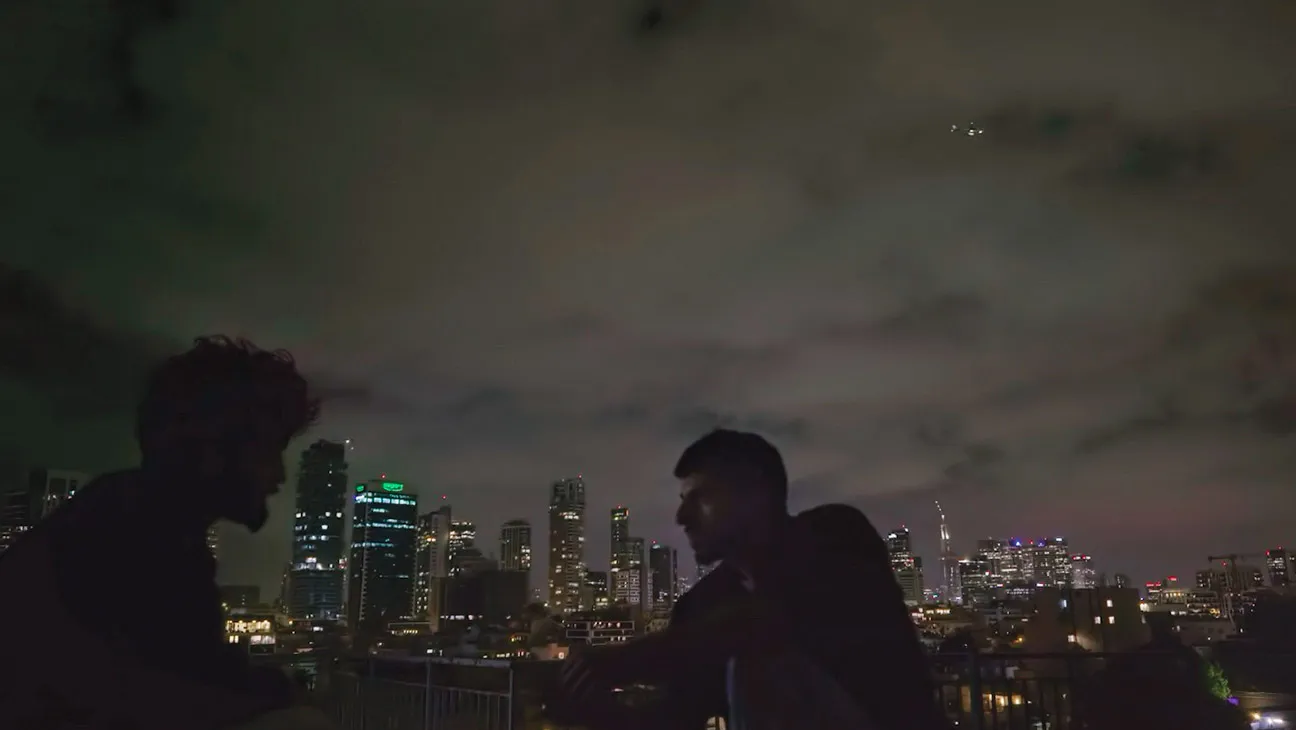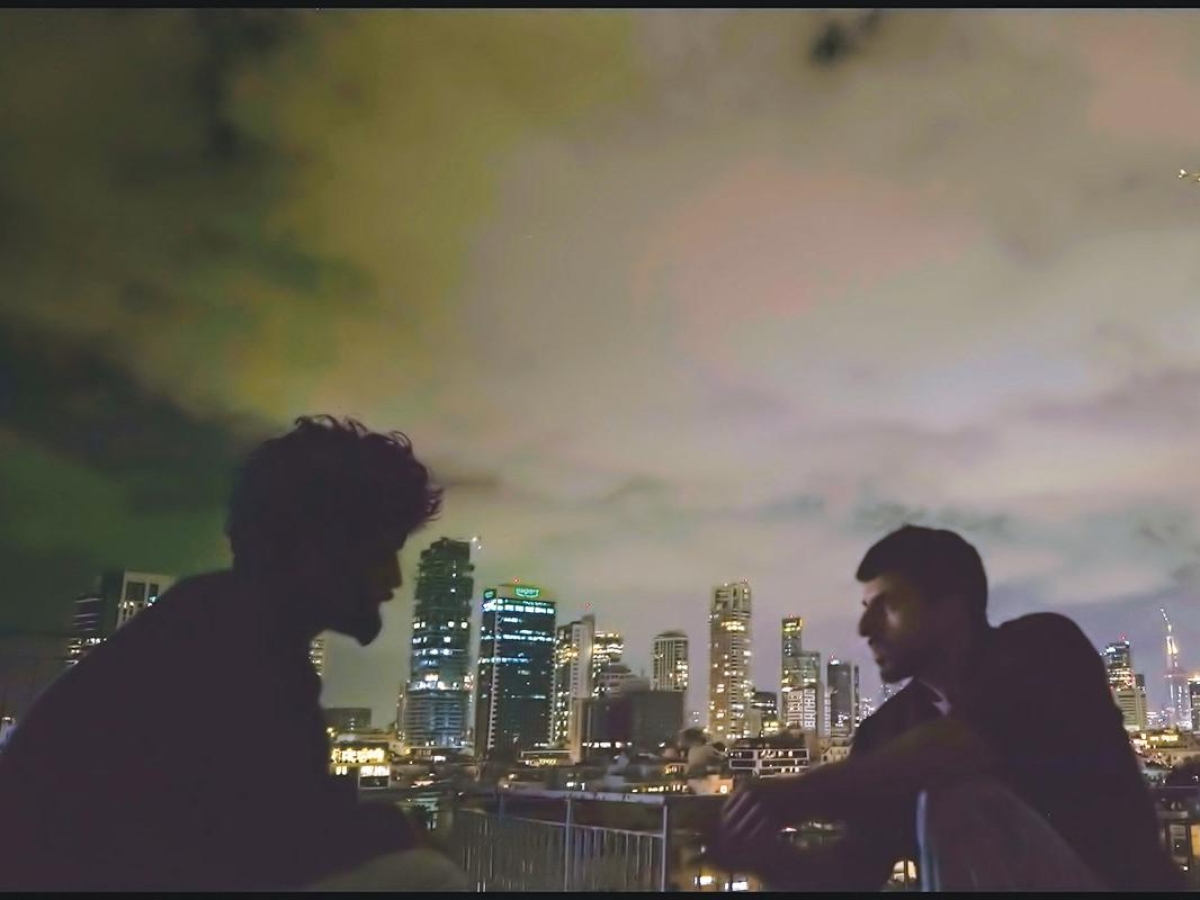
The irksome controversy over “No Other Land” upon winning both the Berlinale Documentary prize and the Academy Award was never really about the film. It was hardly the first strong documentary to call attention to Israel’s official policy of ethnic cleansing, and there were no revelations to be had. But coming just four months after the October 7th Hamas attack, tensions were high, misinformation was rife, and Israel’s decades-long conflation of anti-Zionism and anti-Semitism had burrowed deep into the Western psyche. Simplistic media pieces marveled that Palestinian and Israeli filmmakers were working together, and film festivals claiming “not to take sides” were able to hide behind their programming and have it both ways.
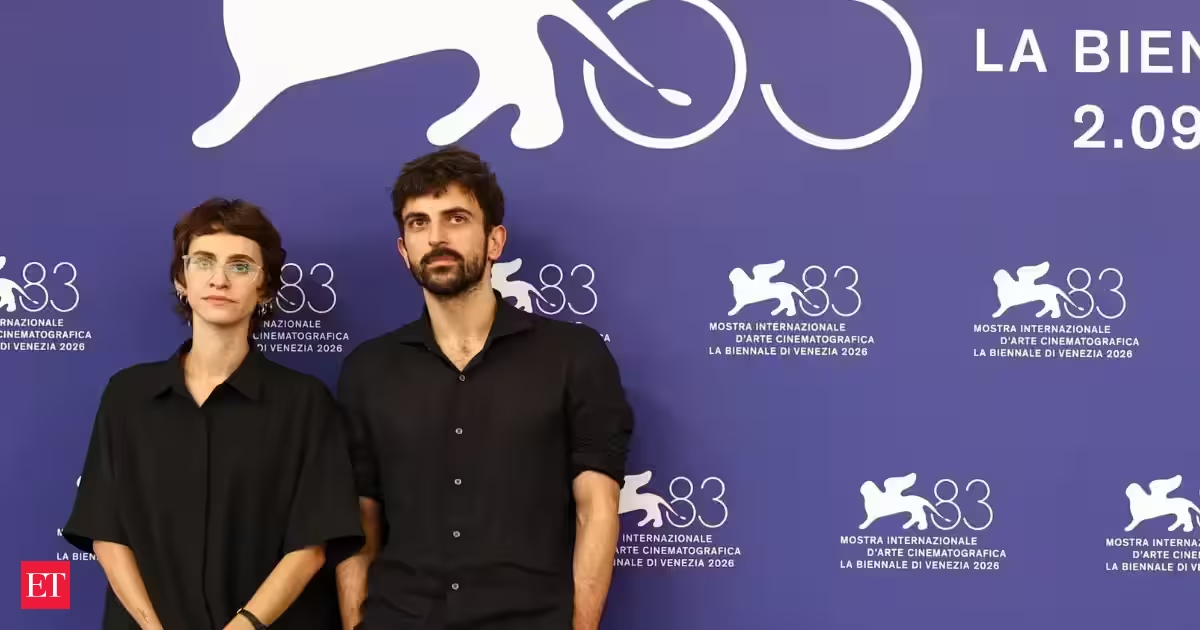
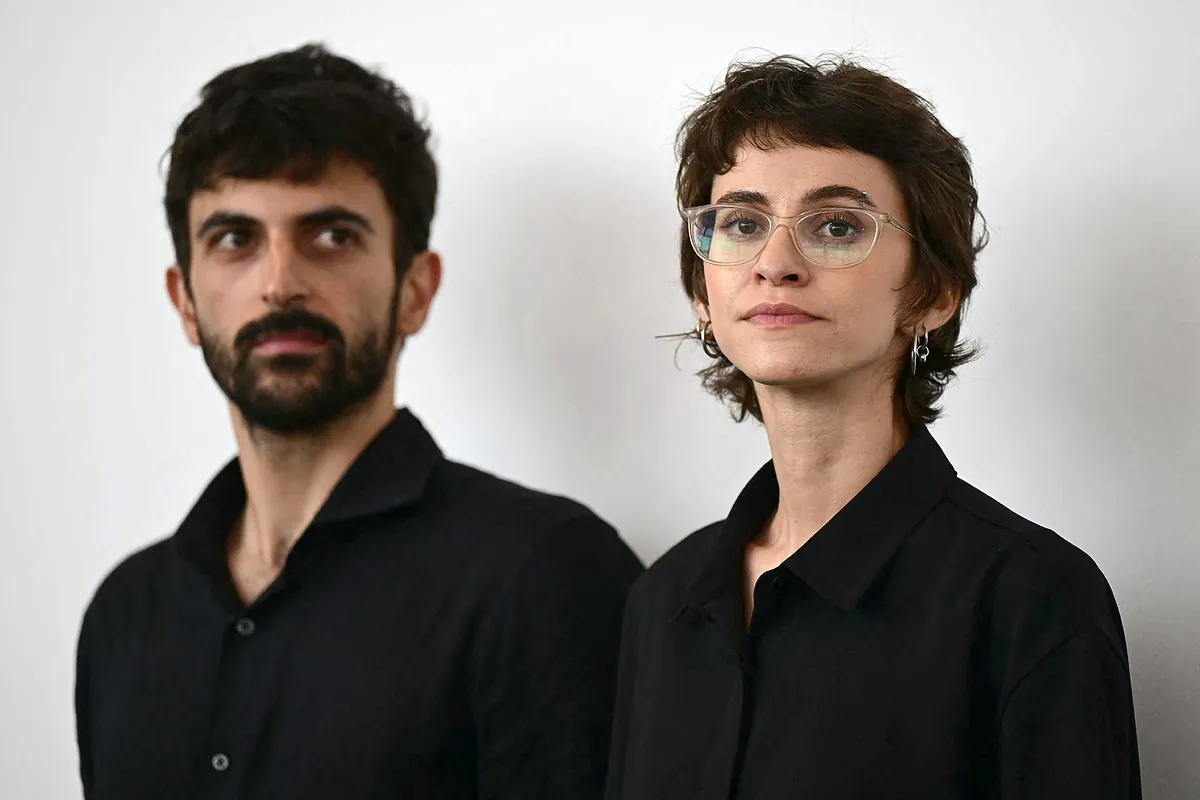
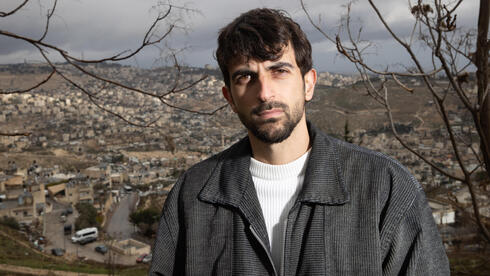
The distance between then and now is saturated with the blood of more than 73,000 people, though casualty figures fail to account for the deliberate infliction of trauma on those who survive. This is the space that “Naza” seeks to fill, and in its systematic, neutral-toned way of conveying information about Israel’s policy-driven perpetration of genocidal war crimes, it’s a more effective and urgent documentary than “No Other Land.” It also makes sense that it’s directed by only the Israeli half of that film’s directing team, Yuval Abraham and Rachel Szor, who have assumed the responsibility of revealing their government’s hidden activities in a way that would have been impossible had their fellow filmmakers joined them.