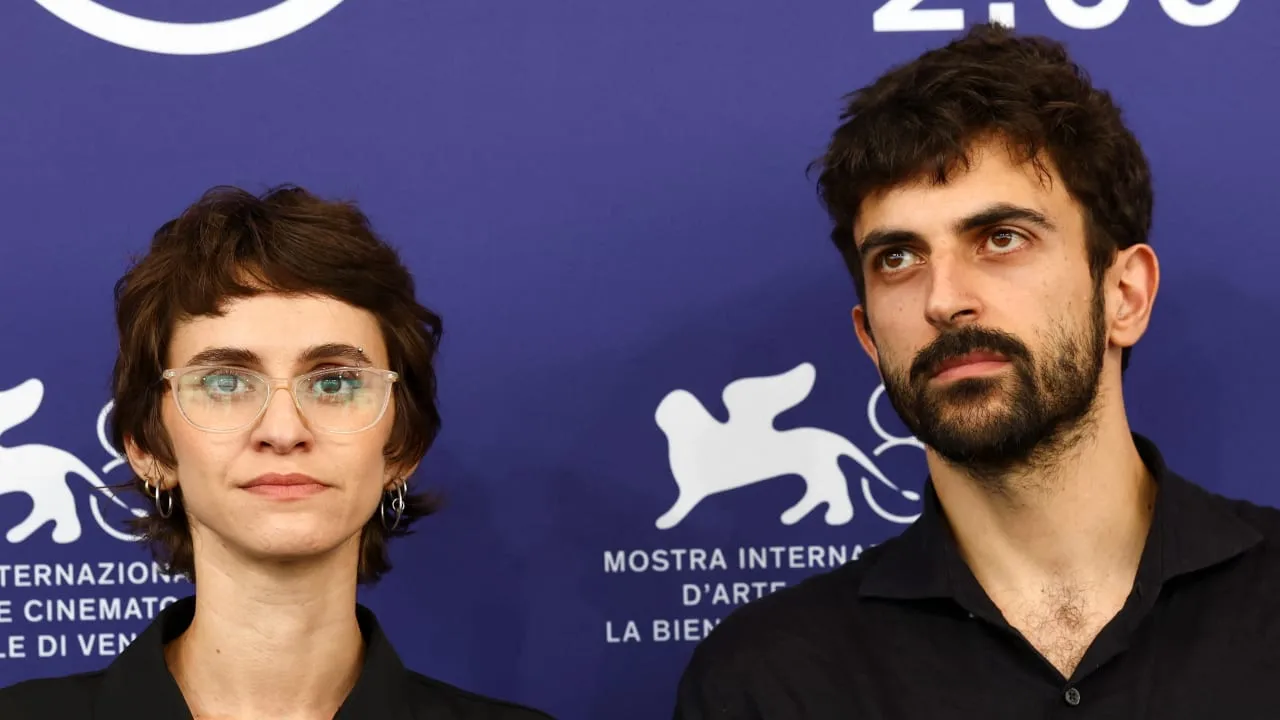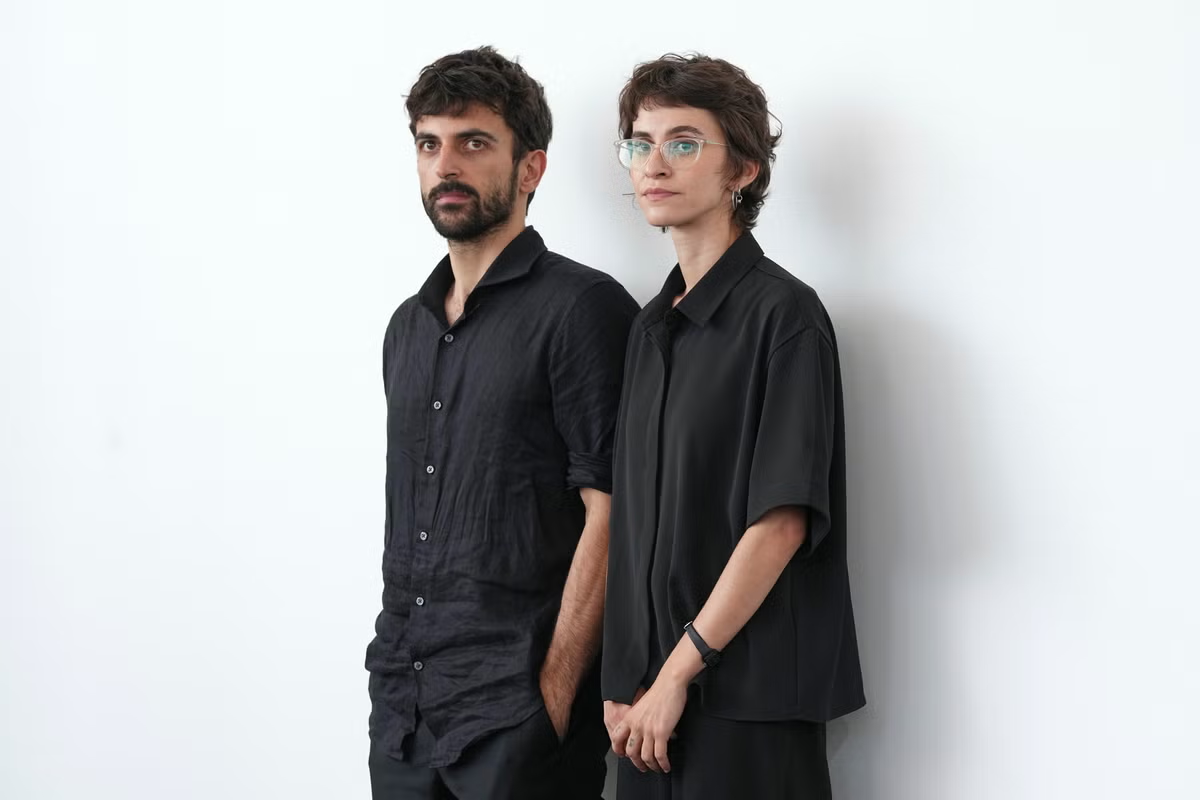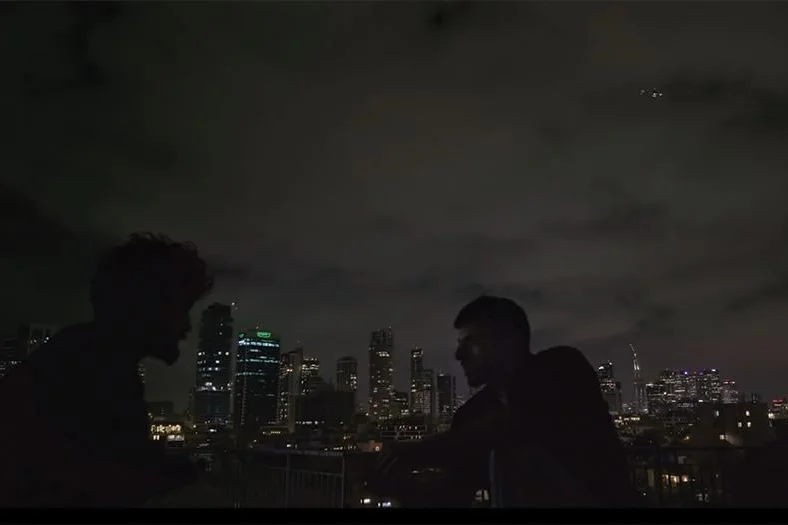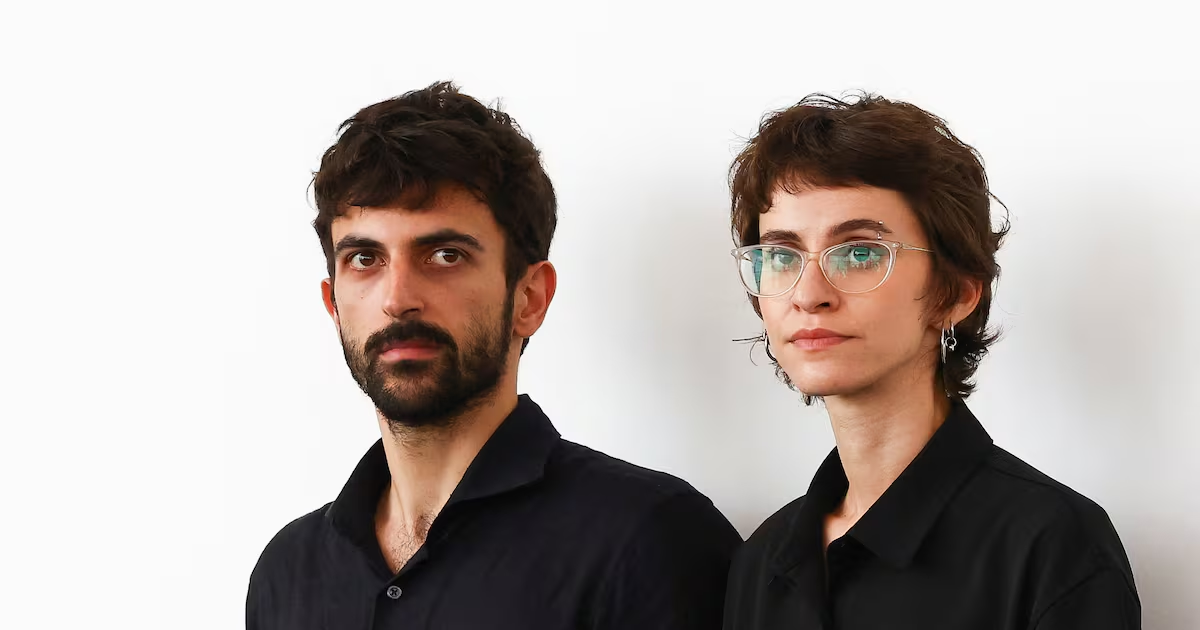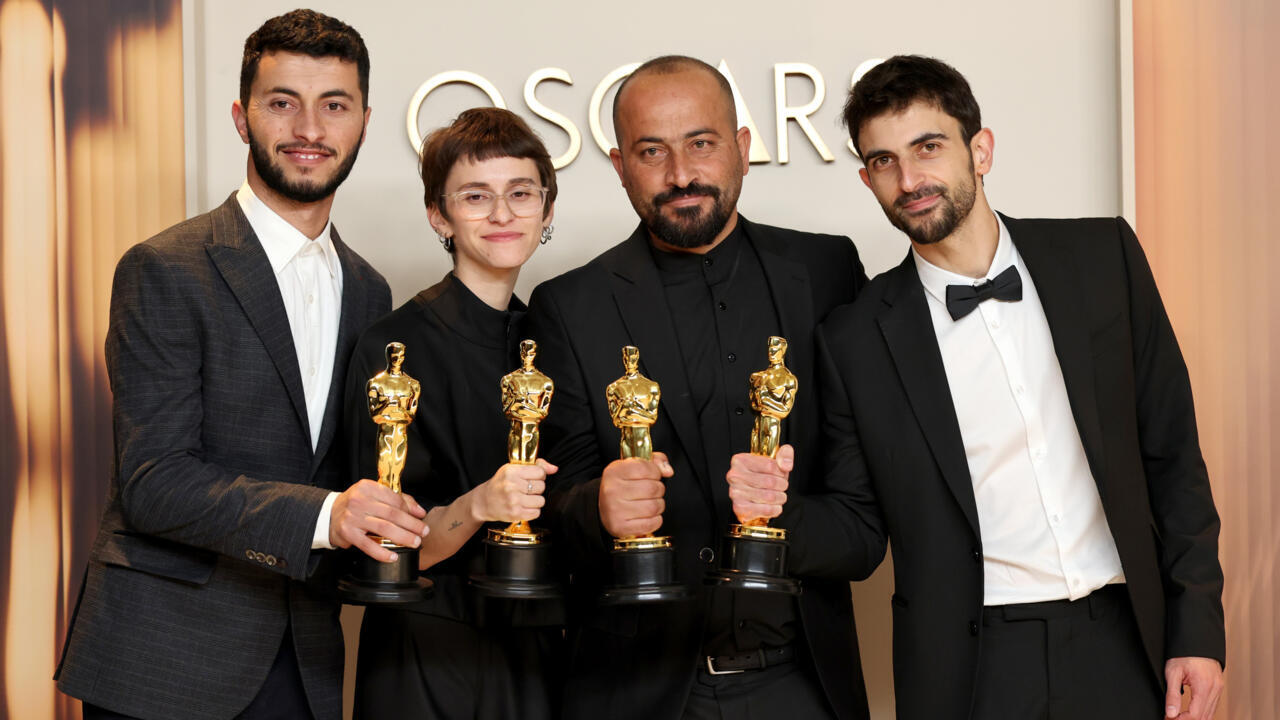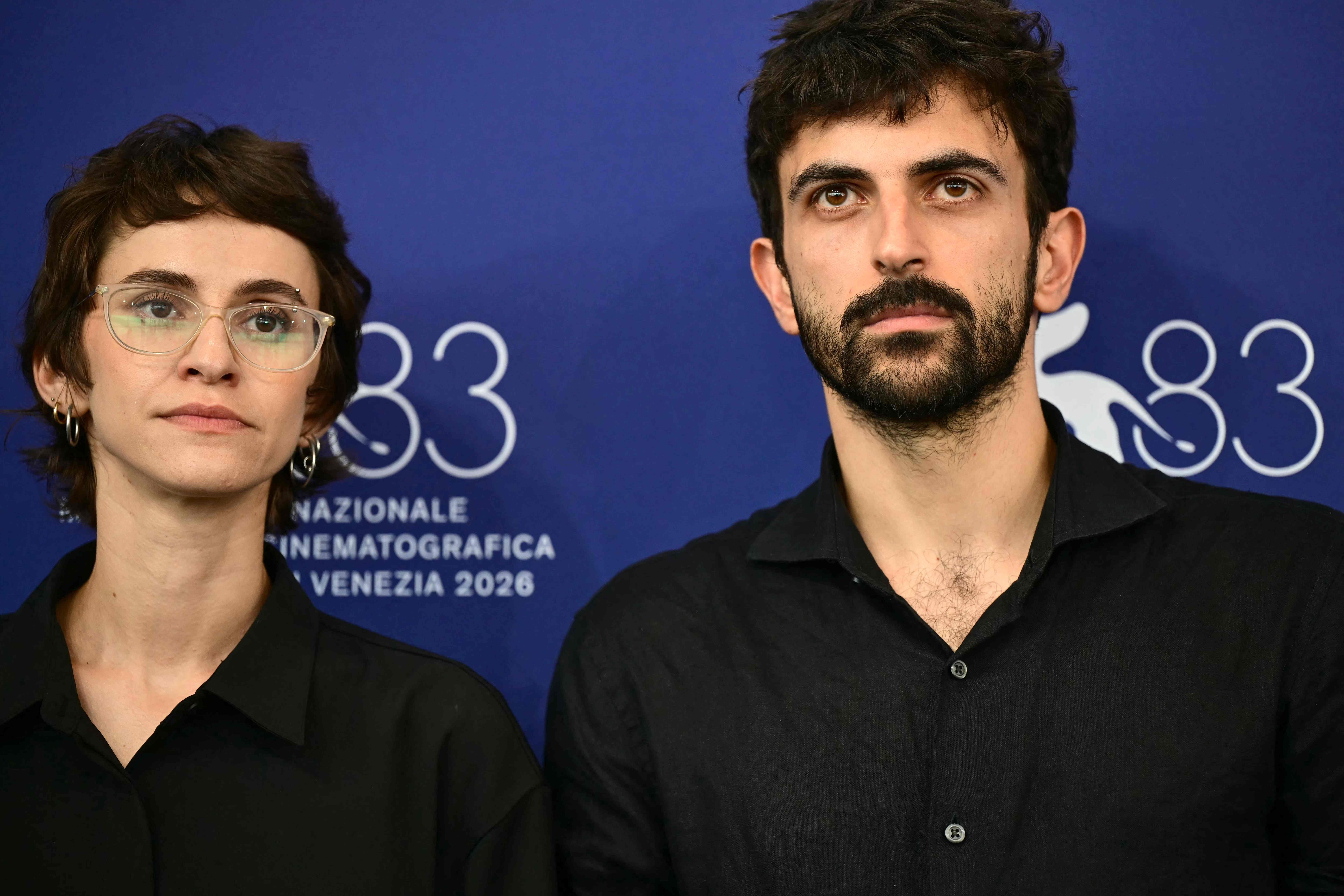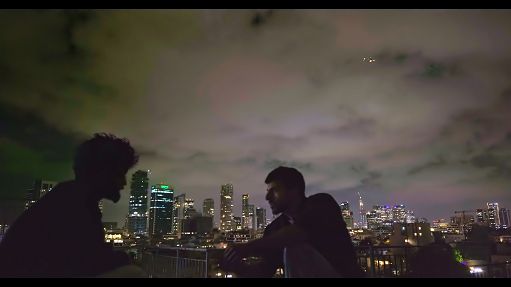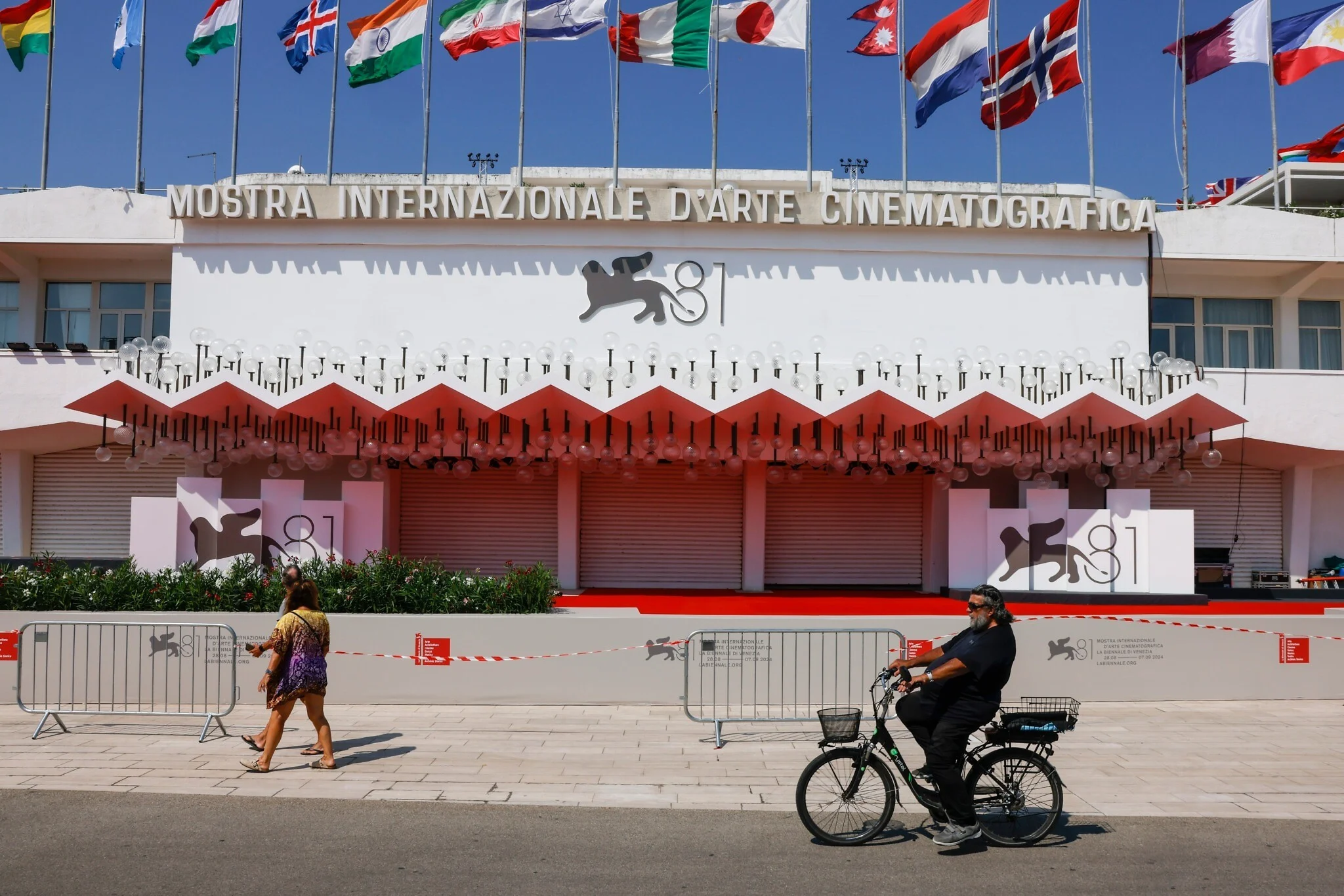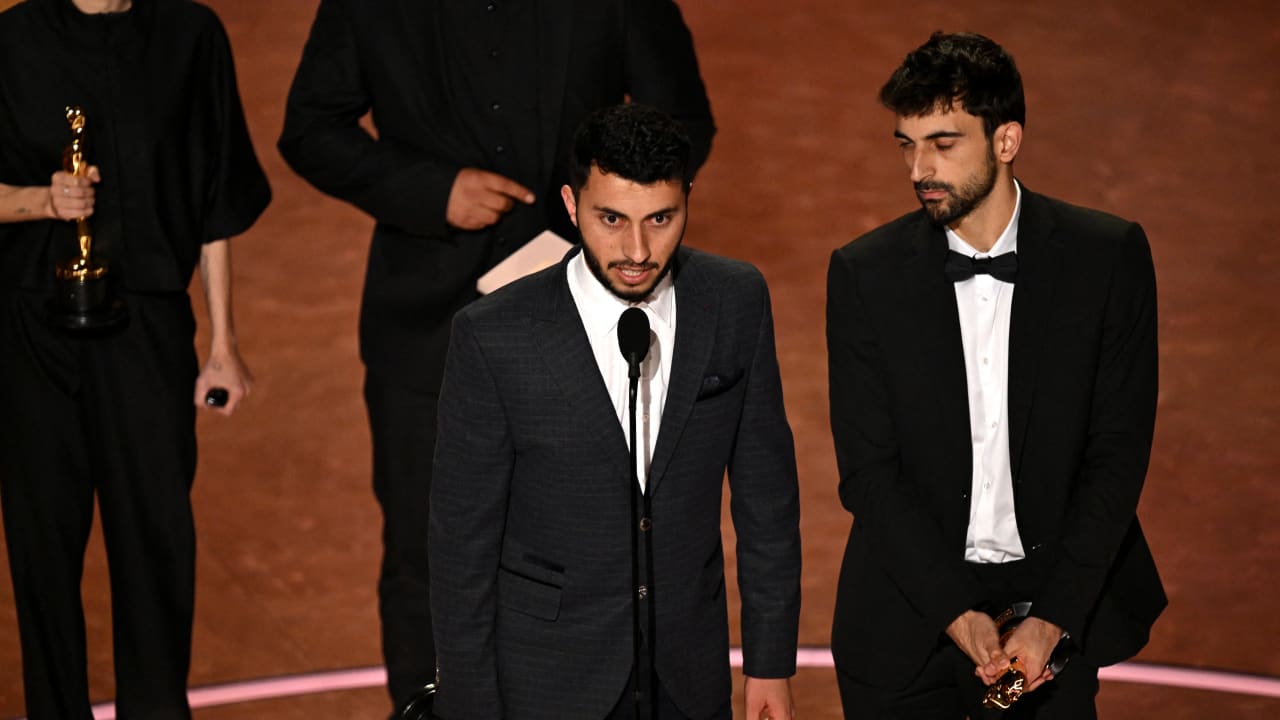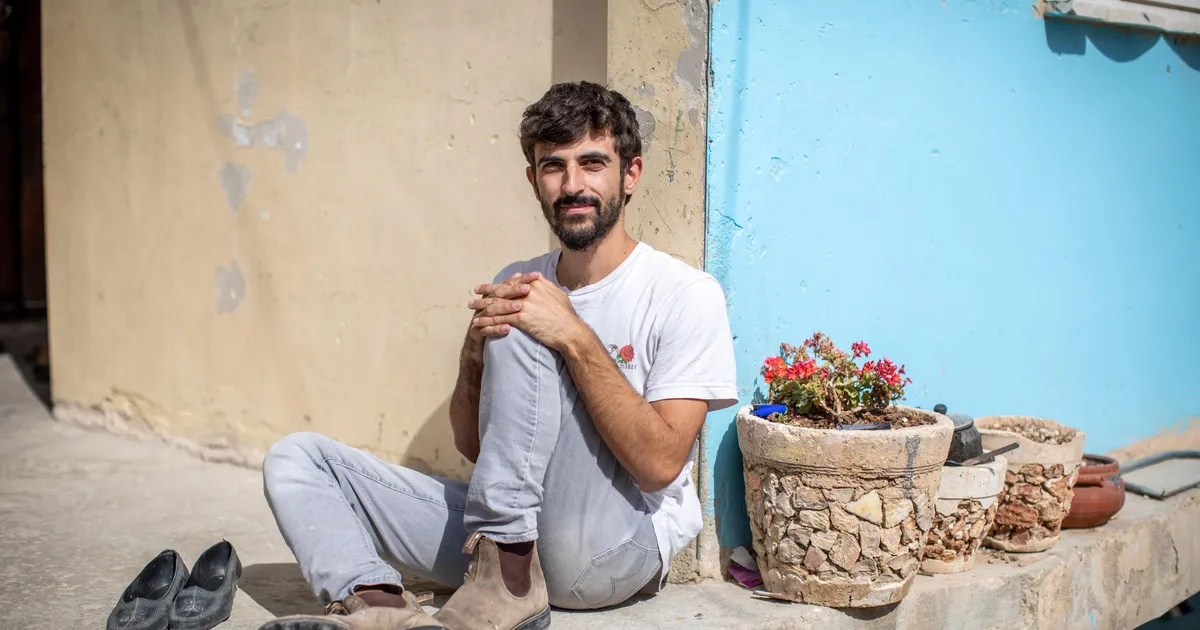
Venice: Mass civilian deaths were routinely built into Israeli military targeting decisions in Gaza, according to a Venice Film Festival documentary unveiled on Thursday that challenges official accounts of the war."NAZA", directed by Israeli journalists Yuval Abraham and Rachel Szor, takes its title from an Israeli military term for the expected number of "collateral casualties" in air strikes and draws on testimony from intelligence officers and soldiers.There was "mass killing on an industrial scale", one of the officers says in a series of anonymous interviews.The film received a 25-minute standing ovation at its premiere, by far the longest of the festival so far this year.AI SYSTEMS GUIDING THE ATTACKSGaza health authorities say more than 73,000 Palestinians have been killed in Israel's military campaign, which was triggered by an attack on Israel by Hamas militants in October 2023 that killed around 1,200 people.Israel says it has gone to great lengths to avoid civilian casualties and that Hamas uses Gaza's civilians as human shields in densely populated areas - a claim Hamas denies.The film tells a different story."We show in our film a targeting system that is, by design, targeting people in civilian spaces, in their family homes," Abraham told Reuters. "Sometimes it can be 500 NAZA ... destroying entire villages or entire neighbourhoods."Intelligence officers described an AI-assisted system that identified targets using data gathered from thousands of hacked mobile phones. They said the phrase "daddy's home" picked up on a child's phone would be enough to trigger an airstrike.The officers also described the killing of civilians in Israeli-designated no-go zones, including near aid distribution centres. The location of the zones was not disclosed to residents, one officer said: "They have to learn with blood."The United Nations said last year that more than 400 Palestinians were killed while seeking aid. Israel acknowledged civilians had been harmed at distribution centres and said it had amended its rules of engagement.LOOKING BACK TO THE HOLOCAUSTSeveral of the officers interviewed compare what they witnessed to historical patterns of dehumanisation and discuss parallels with Israel's actions and the Nazi Holocaust."It's a link that comes from the soldiers," Abraham said."In a situation where so often you see how the memory of the Holocaust is used as a means to justify Israel's actions in Gaza, it's very important to draw a more universal conclusion."The Israel Defense Forces did not immediately respond to a Reuters request for comment about the documentary.All the interviews are filmed on rooftops in Tel Aviv at night, with scenes of destruction from Gaza only shown briefly at the end. The directors said they wanted to highlight the contrast between daily life in Israel's commercial capital and the devastation unfolding roughly 60 km (37 miles) away."We wanted to show how life in Tel Aviv goes on," said Szor, who won an Oscar with Abraham last year for their documentary "No Other Land", about Israeli demolitions in the West Bank.She added that many Israelis feel no empathy for Palestinian civilians. "There is a big part of Israeli society who are saying out loud that there are no innocent people in Gaza."Many officers in the film came from elite units and do not fit the stereotype of ideological hardliners. "They sometimes describe themselves as left-wing," she said. "And they perhaps are the people who are responsible for the most killing."Abraham doubted that Israel would bring anyone to justice for the civilian deaths without outside pressure."I hope there will be justice and accountability for the crimes. ... It depends on holding people to account and on the political will of the United States and the EU," he said."NAZA" is one of 21 films competing for Venice's Golden Lion award, which will be presented on Saturday.
Israeli whistleblowers detail Gaza civilian toll in Venice film; get 25-minute ovation at premier
A Venice Film Festival documentary alleges routine mass civilian deaths in Gaza. "NAZA" uses testimony from Israeli intelligence officers and soldiers. It describes an AI-assisted targeting system designed to hit civilian spaces. The film draws parallels between the actions and historical dehumanization patterns. Directors highlight the contrast between Tel Aviv life and Gaza's devastation.
616 words~3 min read