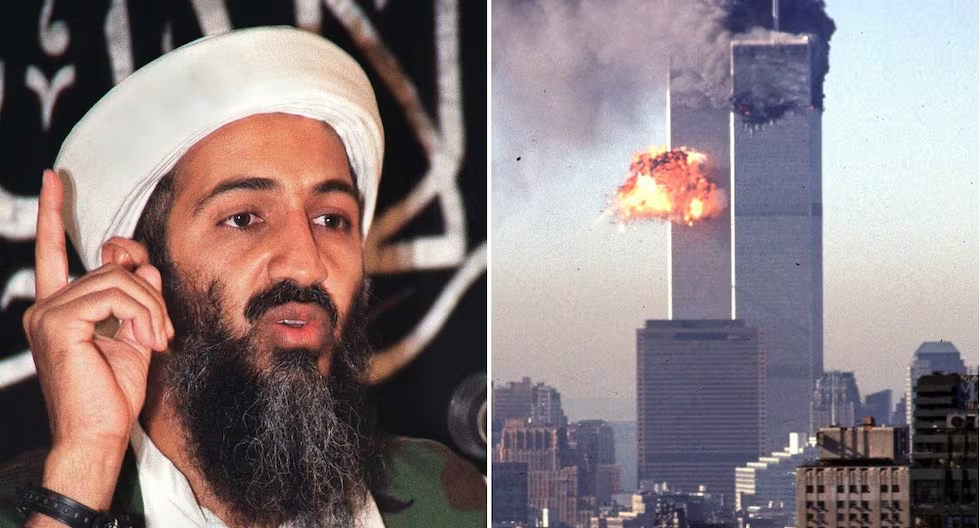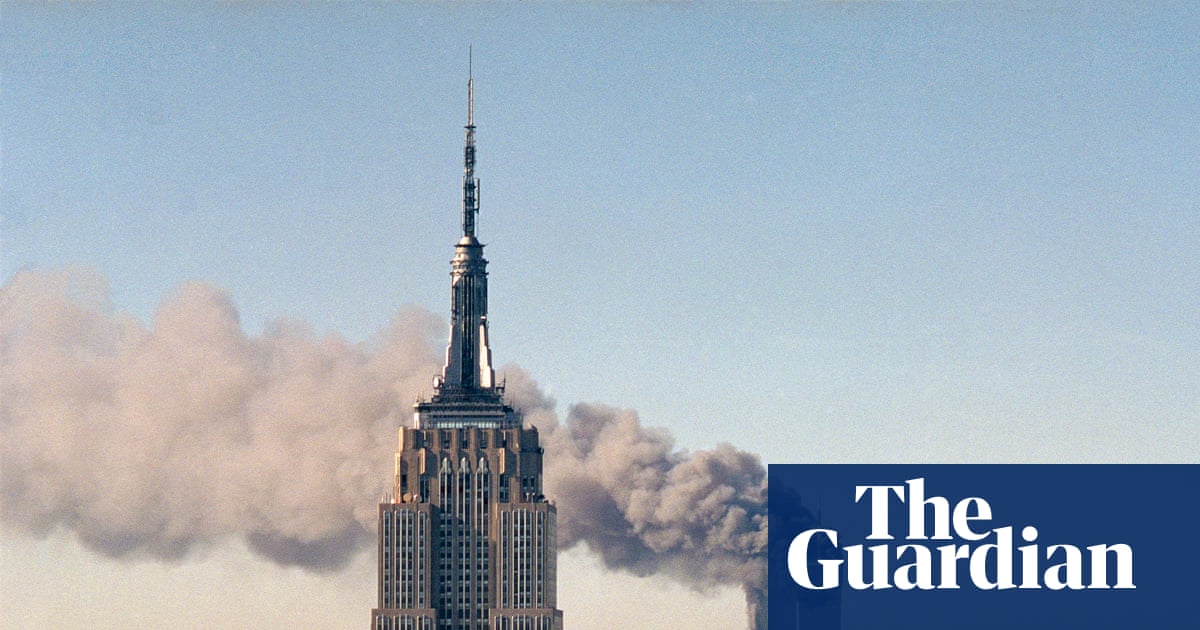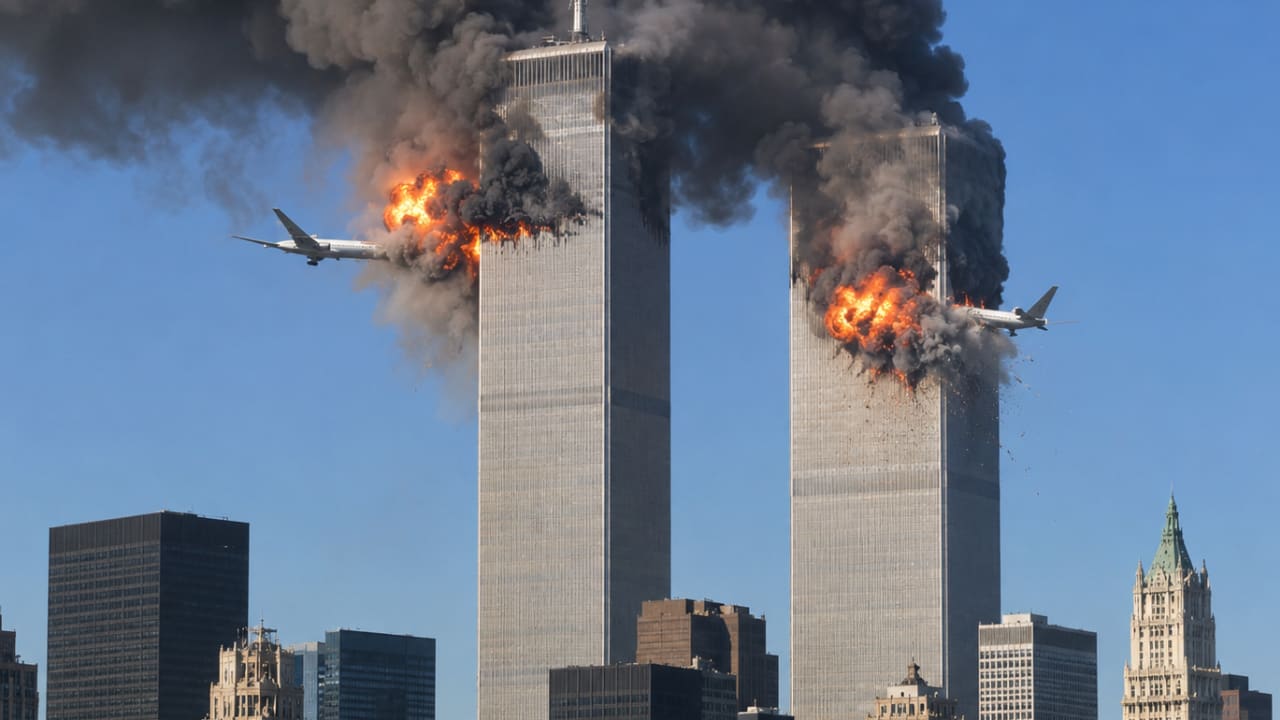
Twenty-five years after the fateful terrorist attacks on the World Trade Center and the Pentagon on September 11, 2001, the fraternity of terrorism scholars and practitioners is divided over al-Qaida’s status. Some believe that al-Qaida still poses a potent threat to global peace and security, albeit of a different nature, while others think it has lost its mojo.
Indeed, al-Qaida failed to create the Sunni global Caliphate it promised its followers. In fact, the global jihadist movement split between al-Qaida and the Islamic State (IS), which weakened the former. IS has superseded al-Qaida as the dominant global jihadist actor. The ideological tussle and inter-group fighting between al-Qaida and IS have helped security and intelligence agencies around the world to cut them to size.
The strategic defeat that al-Qaida desperately wanted to inflict upon the United States has not materialized. Indubitably, the U.S. is struggling to retain its global hegemony in the face of China’s meteoric rise, but it is for a different set of reasons. Attributing power challenges to the U.S.-led unipolar system to al-Qaida would be a gross exaggeration and distortion of facts.
In terrorism, violence is the central benchmark of evaluating the success or failure of a terrorist group. Al-Qaida Core, operating out of Afghanistan, has not carried out an international terrorist attack in more than a decade.