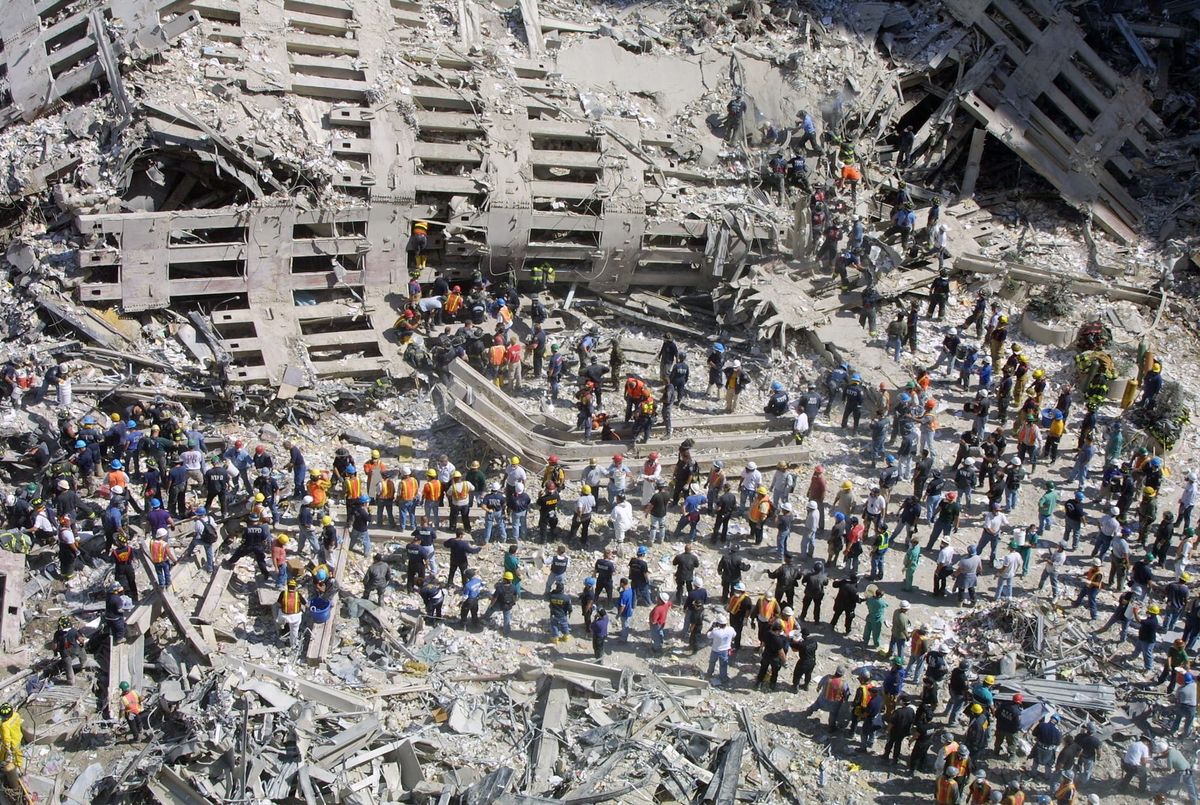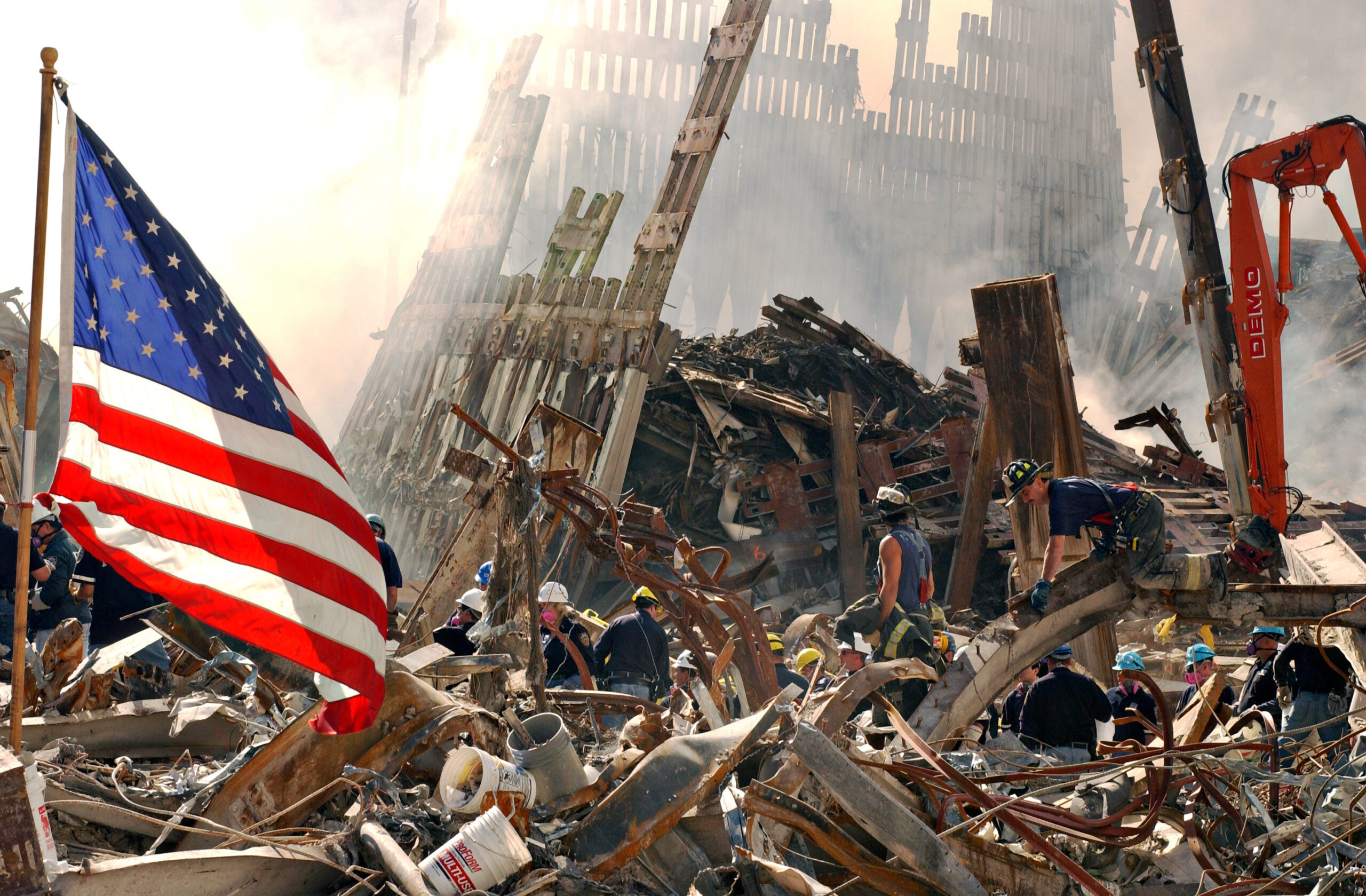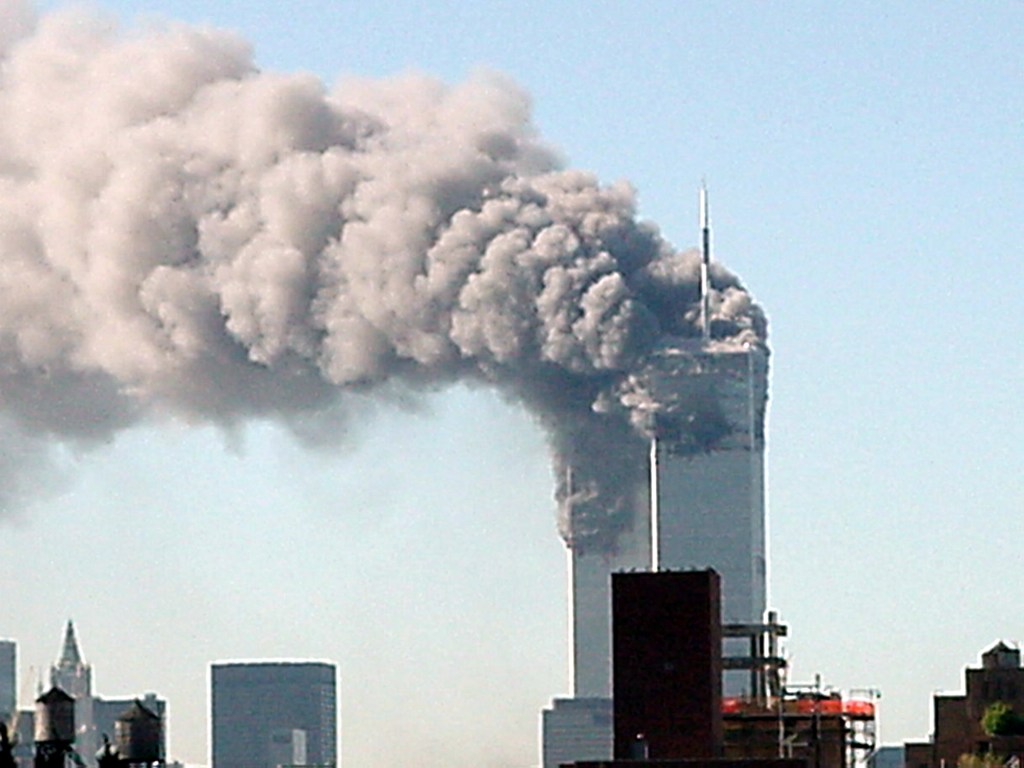
Farhad N. was just a few months old when hijacked airliners were deliberately piloted into the twin towers of the World Trade Center in New York on September 11, 2001, part of attacks on the United States that killed thousands of people.Twenty-five years later, he was sentenced to life imprisonment for plowing a Mini Cooper car into a crowd of people in Munich, killing two people and injuring dozens.The 25-year-old Afghan's story underlines how the world has been shaped since 9/11, with both the terror threat and counterterrorism operations continually in flux.
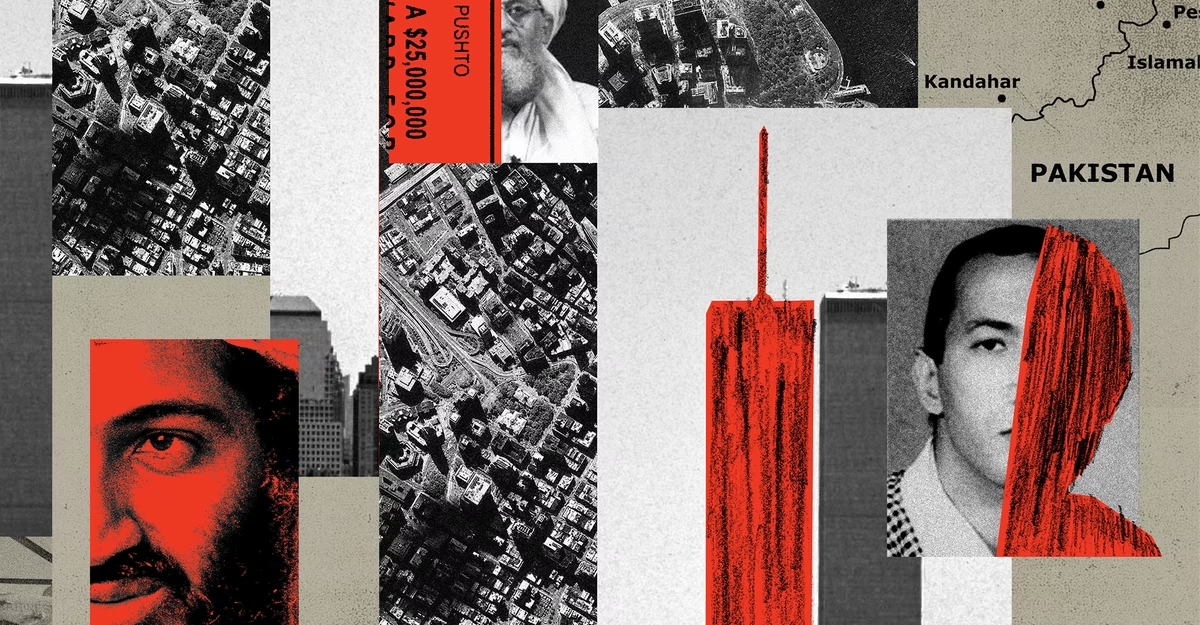
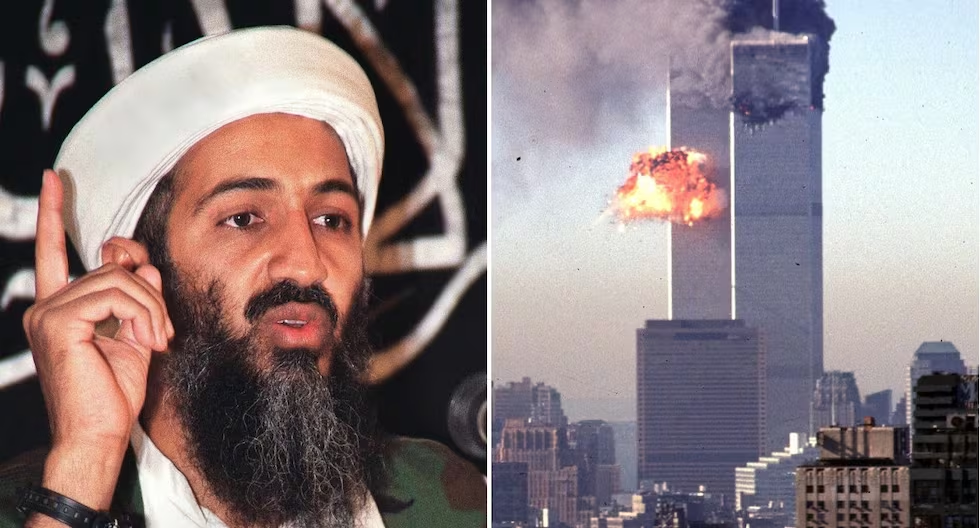
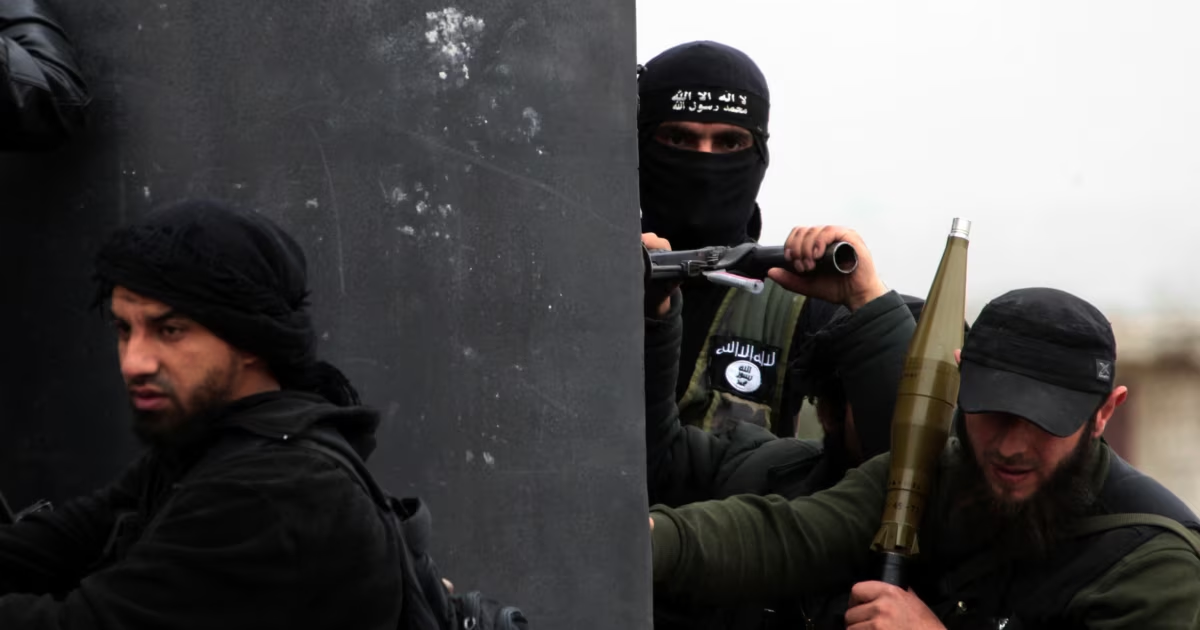
The 9/11 attacks were plotted by Al-Qaeda, a group led by Saudi millionaire Osama bin-Laden and sheltered by the Taliban authorities in Kabul who were subsequently driven from power.After this, Farhad N. – whose surname is abbreviated in line with German privacy rules -- began to grow up in a country where US-led international forces fought for 20 years to keep the Taliban at bay.Later, he was among hundreds of thousands of Afghans who left their country to seek peace and prosperity in Europe -- only to become radicalized by online propaganda posted by imams in his native country.He had no affiliation or links to any specific group and appeared to have acted entirely on his own initiative."In the old days, we would call these lone actors or lone wolves. This is the future," a former US diplomat with decades of experience in counterterrorism told RFE/RL."Nobody needs to be a part of a group…They can be inspired by a group, they can be inspired by multiple groups," the ex-diplomat, who did not wish to be named, said, adding that advances in Artificial Intelligence were exacerbating an "inflection point" in the development of terror threats.RFE/RL spoke to multiple experts about how technological means that did not exist 25 years ago, including drones, AI, and social media -- are creating a completely new and more dangerous environment."We're beginning to see a lot more online presence. We're beginning to see a lot more use of influencers…in addition to the standardized actors that we have become used to in the terrorist scene, we also have lone actors, those who are influenced," retired US General Joseph Votel told RFE/RL.