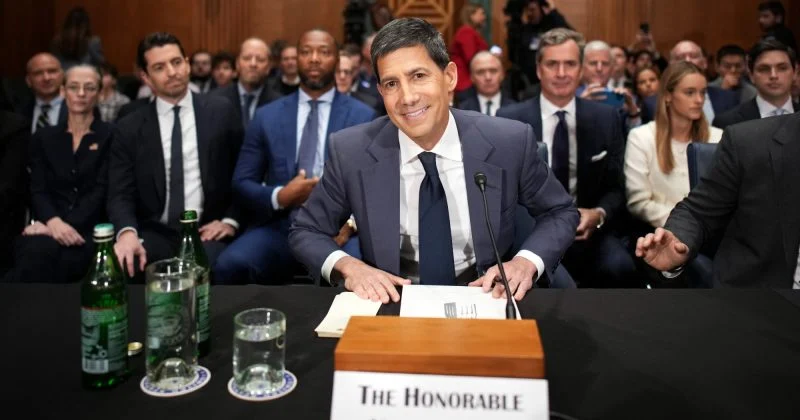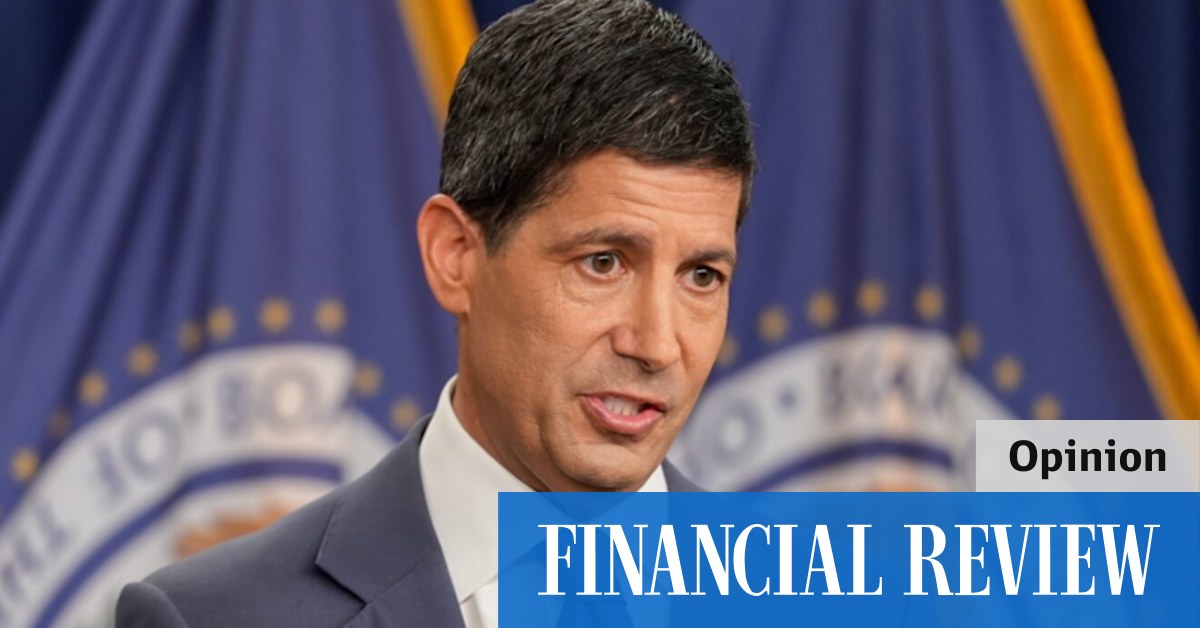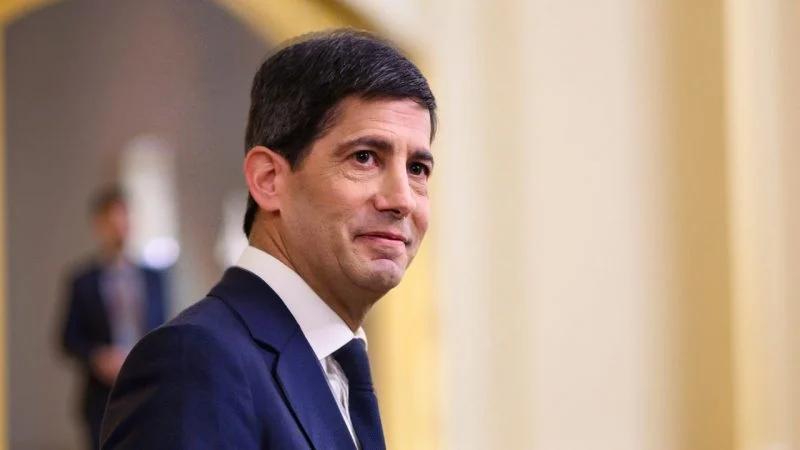
Goldman Sachs chief economist Jan Hatzius is raising a red flag about the Federal Reserve’s new communication playbook under Chair Kevin Warsh. The core concern: by stripping away the transparency tools markets have relied on for years, Warsh may be trading clarity for chaos.
Hatzius argues that Warsh’s preference for shorter FOMC statements and diminished forward guidance will make market reactions to economic data “more random,” creating what he calls “unproductive volatility.”
The Warsh doctrine: less talk, more guesswork
Since taking over as Fed Chair in 2026, Warsh has trimmed post-FOMC statements to their shortest length since the Alan Greenspan era. He’s also downplayed the significance of the dot plot, the chart that maps out individual Fed officials’ interest rate projections and has served as a north star for bond traders and portfolio managers for over a decade.
The philosophy behind the shift is straightforward enough. Warsh wants markets to react to actual economic fundamentals rather than spending their energy trying to decode what the Fed might do next.