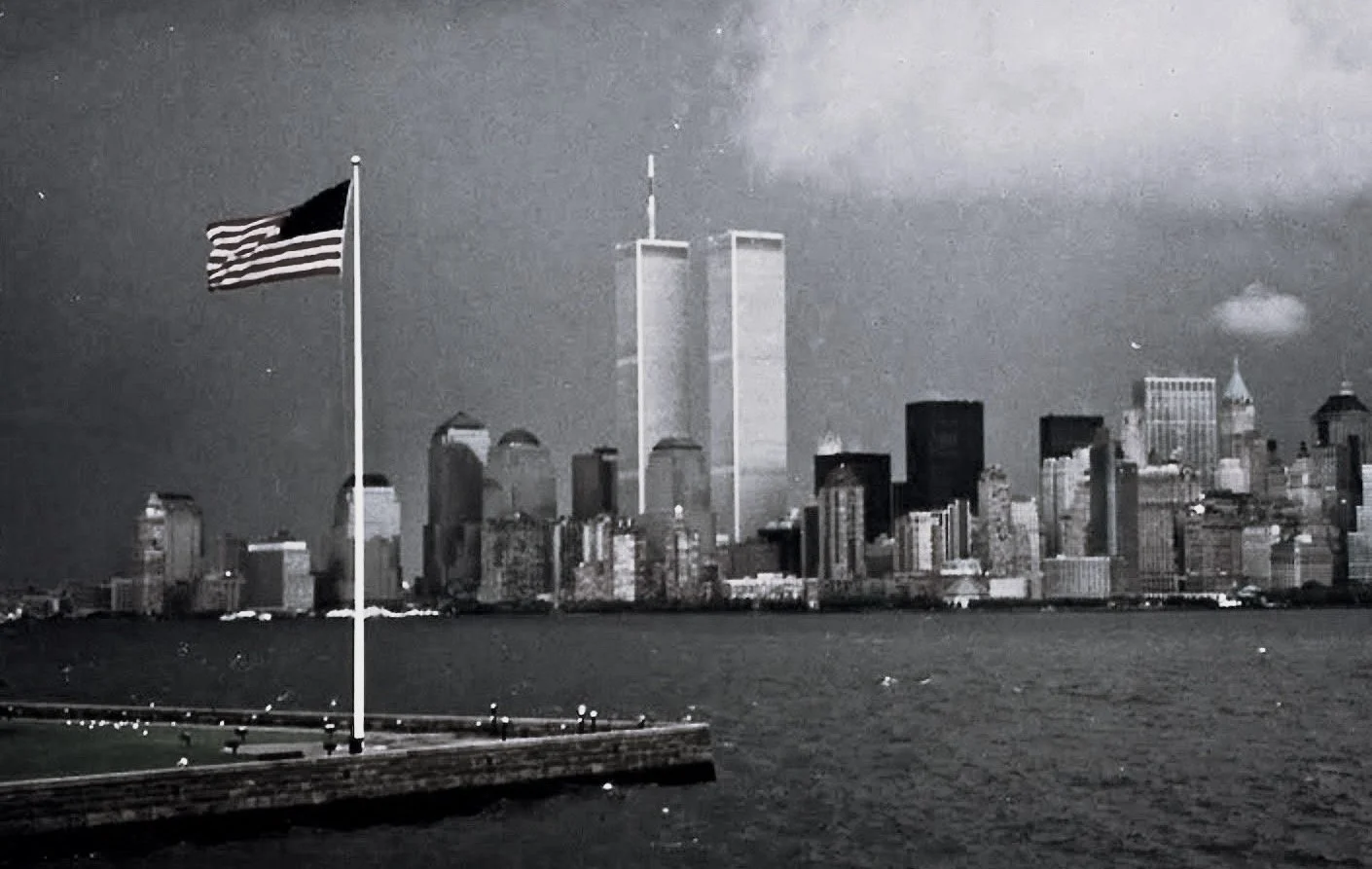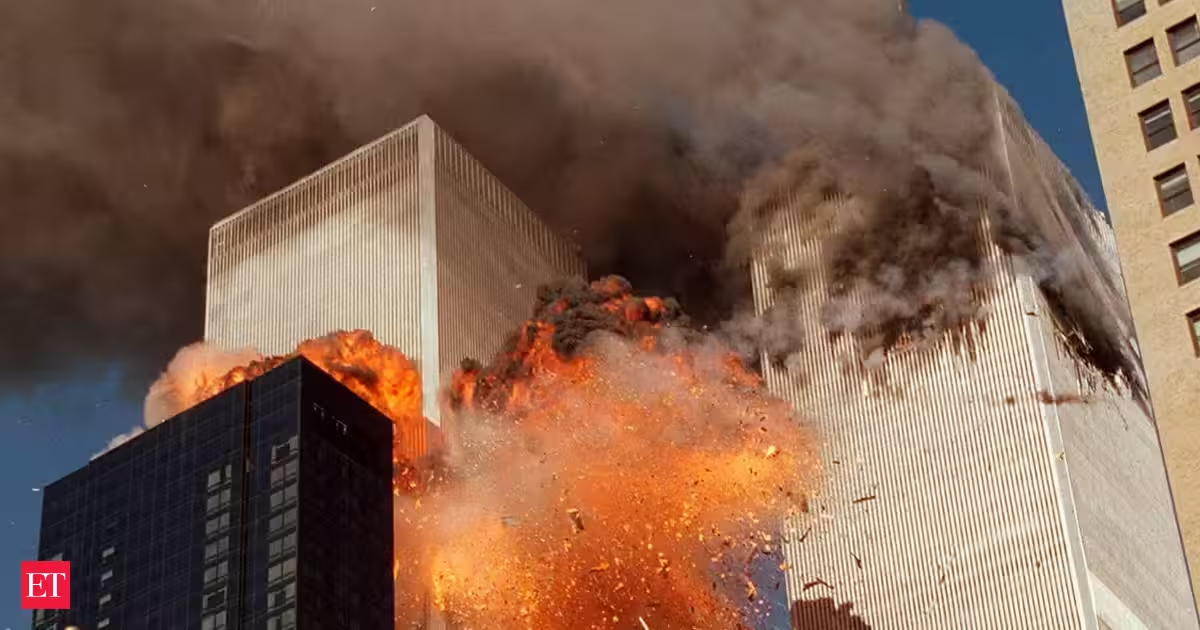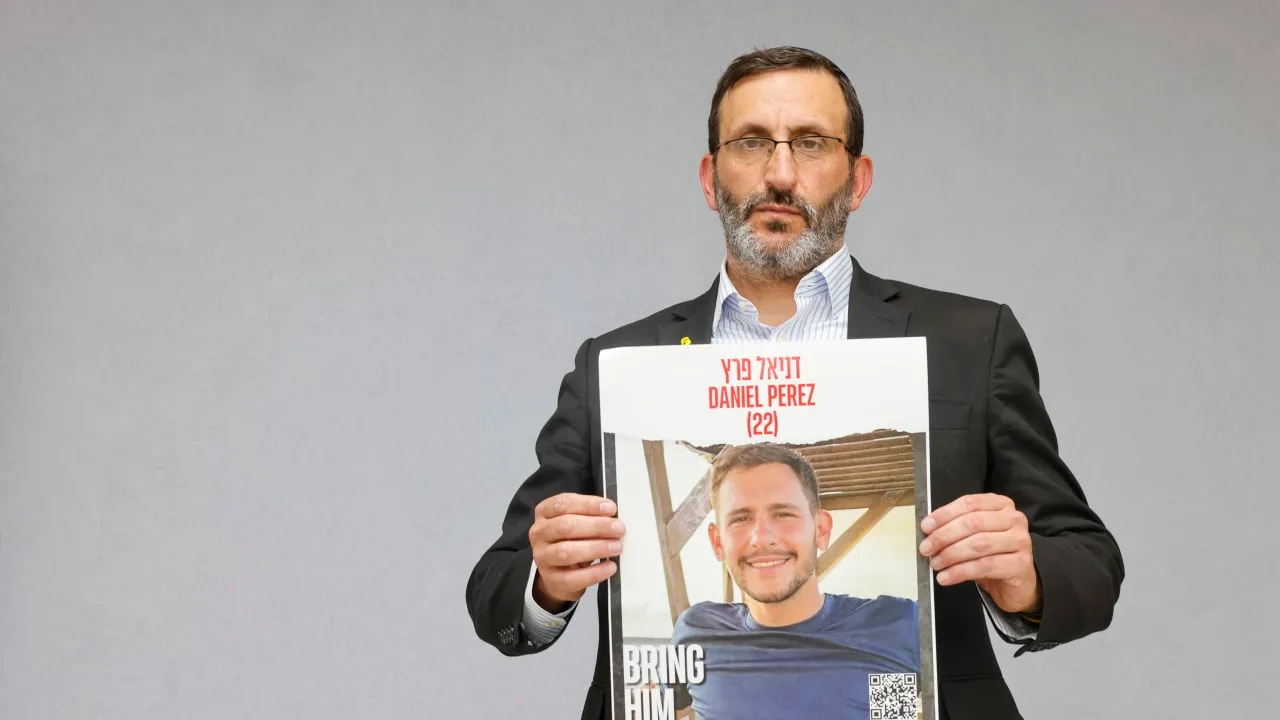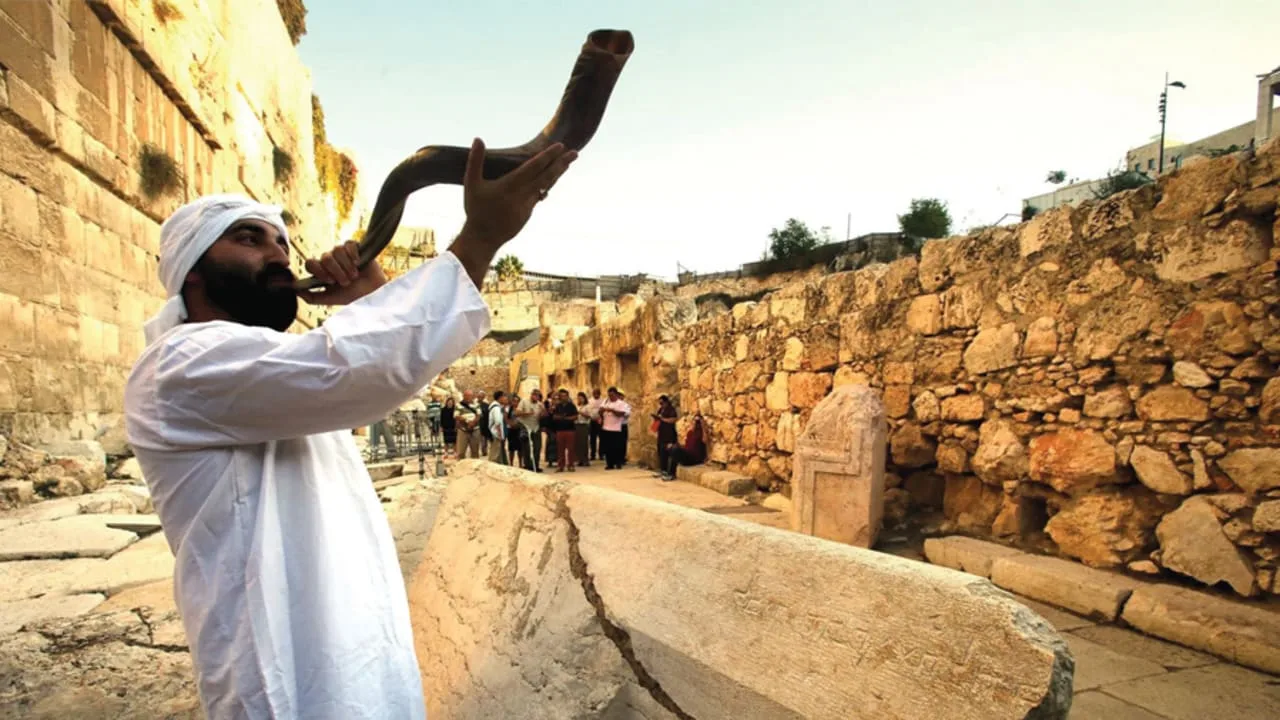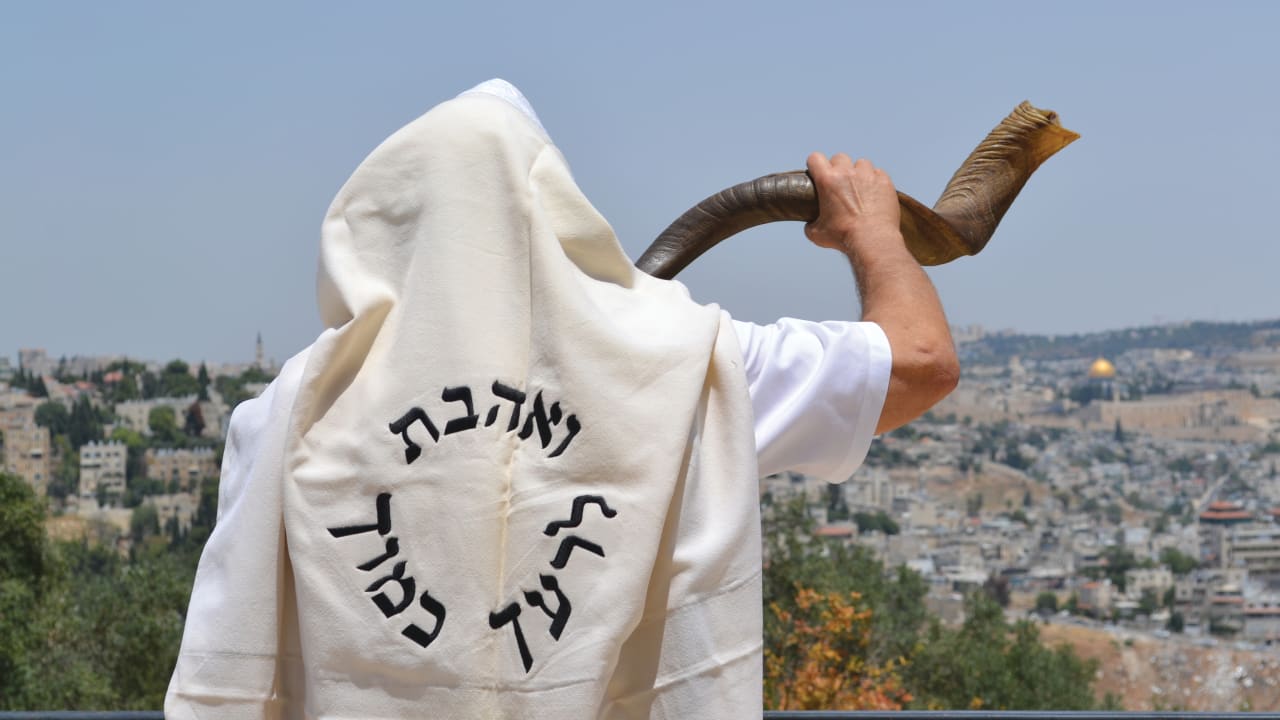
ByDAVID MANDELSEPTEMBER 10, 2026 16:00This year, Rosh Hashanah begins on September 11, the day that America was forever changed by terror attacks in New York City and elsewhere.Rosh Hashanah is a holiday of renewal, the beginning of an entirely new page in the Jewish people’s story. Yet this year, as the holiday coincides with one of the darkest moments in America’s history, Rosh Hashanah also offers us a rare opportunity to grapple not just with new starts, but also with trauma and resilience.I have the privilege at Ohel, and often the heartbreak, of walking alongside individuals, families, and communities navigating the aftermath of trauma. Together with our dedicated colleagues, highly trained professionals specializing in trauma, we witnessed its immense toll after 9/11 and again after Hurricane Sandy.Then, entire neighborhoods rebuilt their homes as they struggled to rebuild their sense of stability and safety.THE TWIN Towers burn (credit: Brad Rickerby/File/Reuters)Nearly three years after the October 7 terrorist attacks in southern Israel, survivors, hostages’ families, soldiers, and entire communities continue to carry psychological wounds that are invisible to others – while they carry on with their lives. Efrat Atun, CEO of Safeheart, even coined a new term: “the first and a half degree victim.” This type of victim refers to a boyfriend or girlfriend of those murdered on October 7.These “first and a half” victims are not legally entitled to survivors’ mental health services, and so these individuals often must work harder to access resources to which they should be entitled.Each tragedy is different. But the psychology of recovery is not.Across each of these experiences, we recognize a similar pattern. Some of the questions people grapple with after disaster strikes are, “When will things return to normal?” “Can things return to normal?”The truth is that there is no easy return to normal.Following 9/11, Lower Manhattan was rebuilt. After Hurricane Sandy, floodwaters receded. In the wake of October 7, schools reopened. Businesses recovered. Lives moved forward. Yet so many did not return to being the same people they were before tragedy entered their lives.Trauma can change us in a variety of ways. Part of recovery is owning that reality and learning how to cope and live well within it.Too often, we may believe that healing is a matter of time. We assume that if enough months or years pass, grief will fade and life will somehow become what it once was.Dr. Edith Eger, a post-traumatic stress expert, Holocaust survivor, and renowned psychologist, reminded us in her National Jewish Book Award-winning memoir, The Choice: “Time doesn’t heal. It’s what you do with the time.”Recovery is not passive. It is not waiting for pain to dissipate, hoping enough time will make us whole again. It is not pretending that life is what it once was. Recovery is the intentional work of building resilience, strengthening relationships, accepting support, finding meaning, and developing emotional tools to work within a reality we never would have chosen.After a tragedy, we are mobilized to rebuild what we can see. We clear debris. We repair buildings. We restore power. We raise money. These efforts are essential, but they are only the beginning.As we observe at Ohel, the more difficult reconstruction happens internally and emotionally. That work occurs in families learning to enjoy life again, in children slowly regaining a sense of security, in communities choosing connection over isolation.It manifests as the courage to ask for help and the willingness to offer it.This important work enables us to help individuals in communities across the US, in Israel, and other countries through Ohel’s Zachter Family National Trauma Center and Kestenbaum Family International Children’s Services.Insurance for our soulsRosh Hashanah – and its placement this year on September 11 – challenges us to examine our lives and to think about how we can grow and prepare ourselves for the year ahead and the future. On Rosh Hashanah, we ask to be reinscribed in the Book of Life.At the same time, we acknowledge all the ways human beings can encounter disaster and mortality. In the holiday’s liturgy, we ask, “Who by water and who by fire; who by the sword... who by hunger and who by thirst; who by earthquake and who by pestilence,” and so on.From the beginning of Jewish history, we have understood that tragedy can find us anywhere. We cannot know how much time we have or what we may encounter along the way. But while we cannot insure ourselves against tragedy, we can invest in our ability to meet what comes.We insure our homes against fire. We insure our cars against accidents. We protect our businesses, savings, and possessions because we understand that life is unpredictable.But what policy have we taken out on our souls?A soul policy is not something we purchase after a disaster. It is built over time. It is found in the relationships we nurture before they are tested, the communities we strengthen before they are needed, the stigma we remove around mental health, the willingness to seek help without shame, and the resilience we cultivate through faith, purpose, compassion, and connection.None of us can prevent the next tragedy. History has taught us that with painful consistency.Twenty-five years after September 11, a tragedy that continues to shock us, we can embrace this truth: recovery is not about returning to the lives we once had. It is about having the tools, support, and the courage to build meaningful lives in the ones we have now.This Rosh Hashanah, as we take stock of the year that has passed and prepare for the one ahead, one of the most valuable assets we can invest in is protecting and strengthening our soul, even our reincarnated one.The writer is the CEO of Ohel Children’s Home and Family Services.Follow us on Google
Rosh Hashanah and 9/11: Preparing for the year ahead through trauma and grief | The Jerusalem Post
This year, as Rosh Hashanah coincides with 9/11, it offers us a rare opportunity to grapple not just with new starts, but also with trauma and resilience.
957 words~4 min read