JTA — On September 10, 2001, the Jewish Telegraphic Agency reported that New York’s Central Synagogue was reopening.
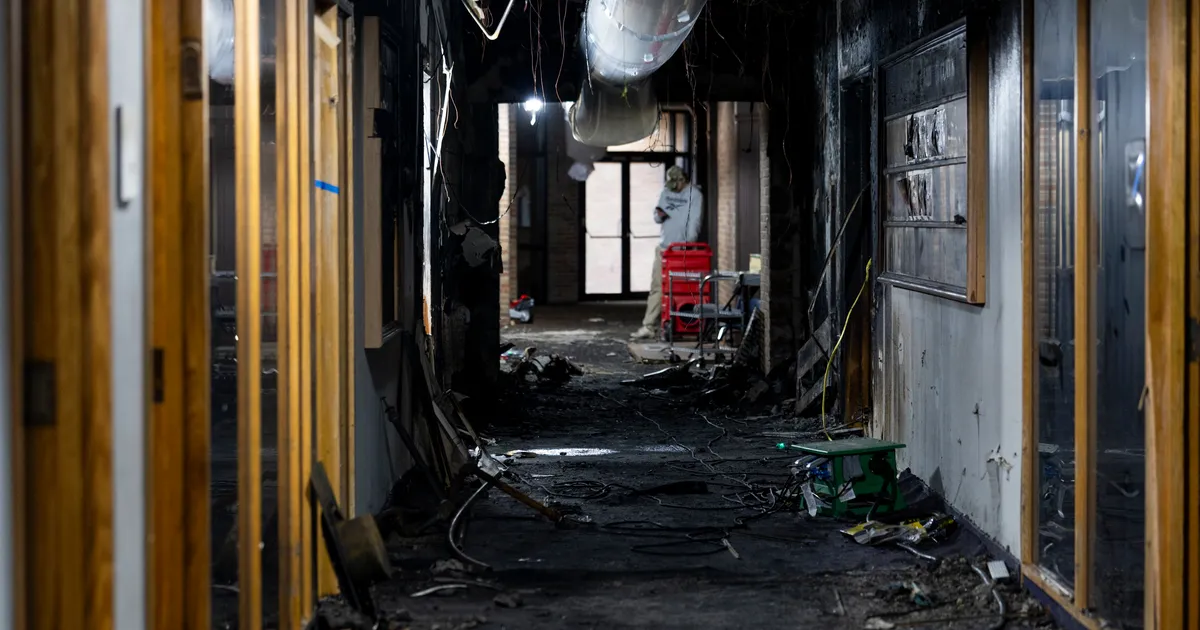
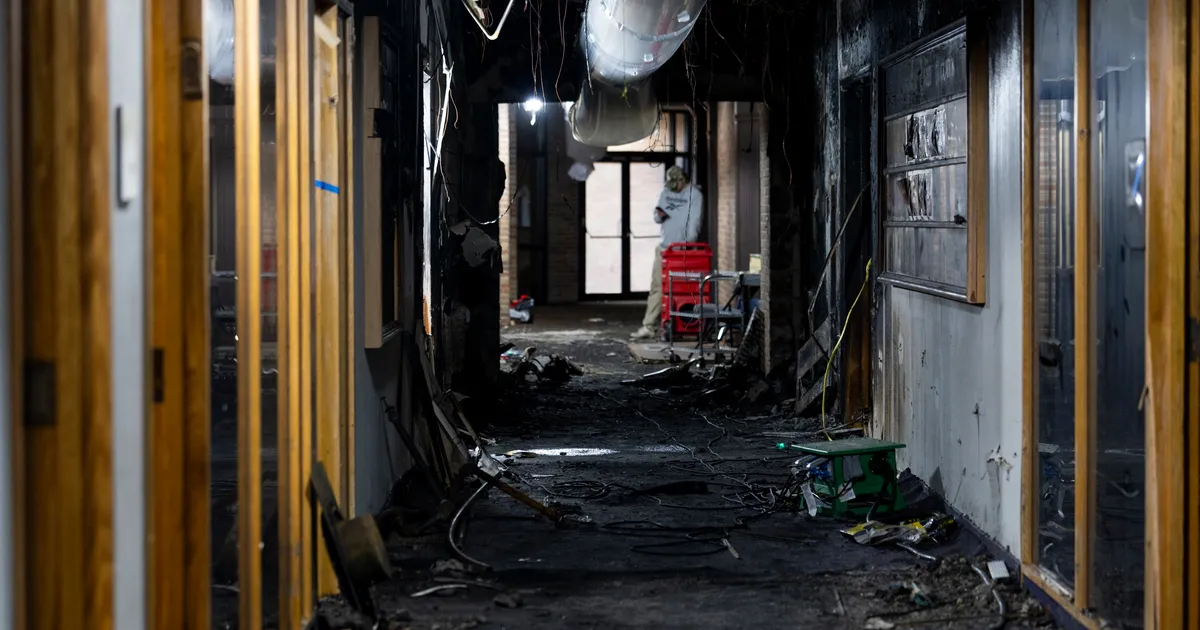
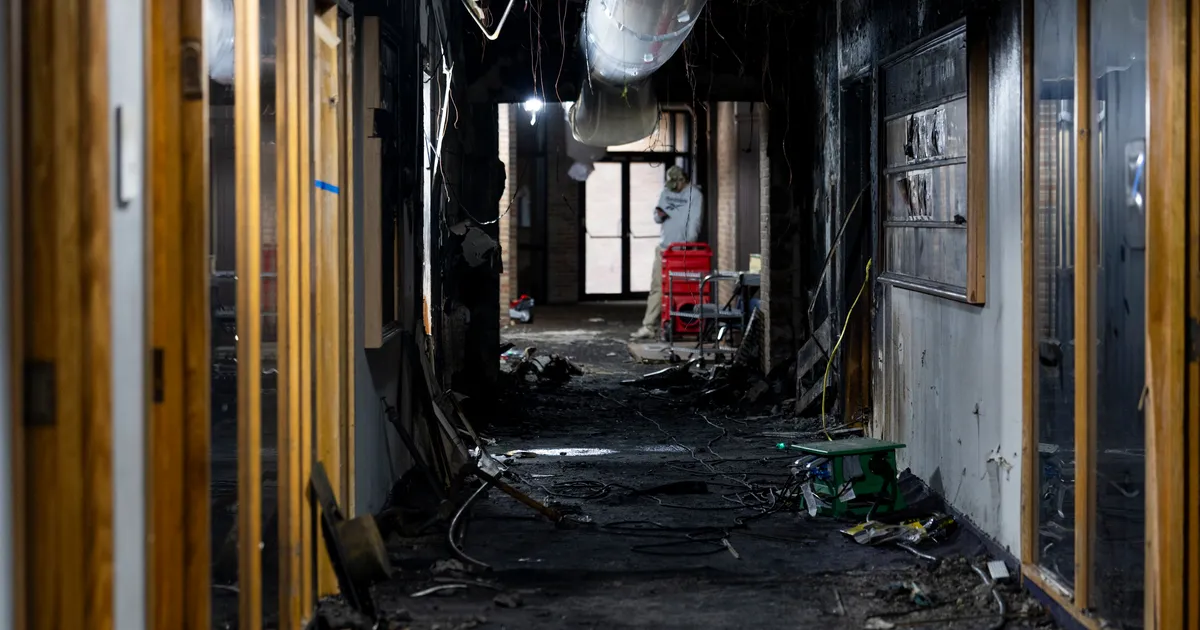
The Reform synagogue had been closed for three years after a devastating 1998 fire. Hundreds of workers had helped restore the landmark building, at a cost of about $40 million. A brief JTA item noted that the synagogue had been rebuilt, and its congregants were coming home.
It’s the kind of story that meant one thing at the time it was written, and came to mean something else just one day later. When Rabbi Peter Rubinstein delivered his Rosh Hashanah sermon on September 17, he sought to balance the immense joy of reclaiming the rebuilt sanctuary with the collective trauma and grief gripping New York City.
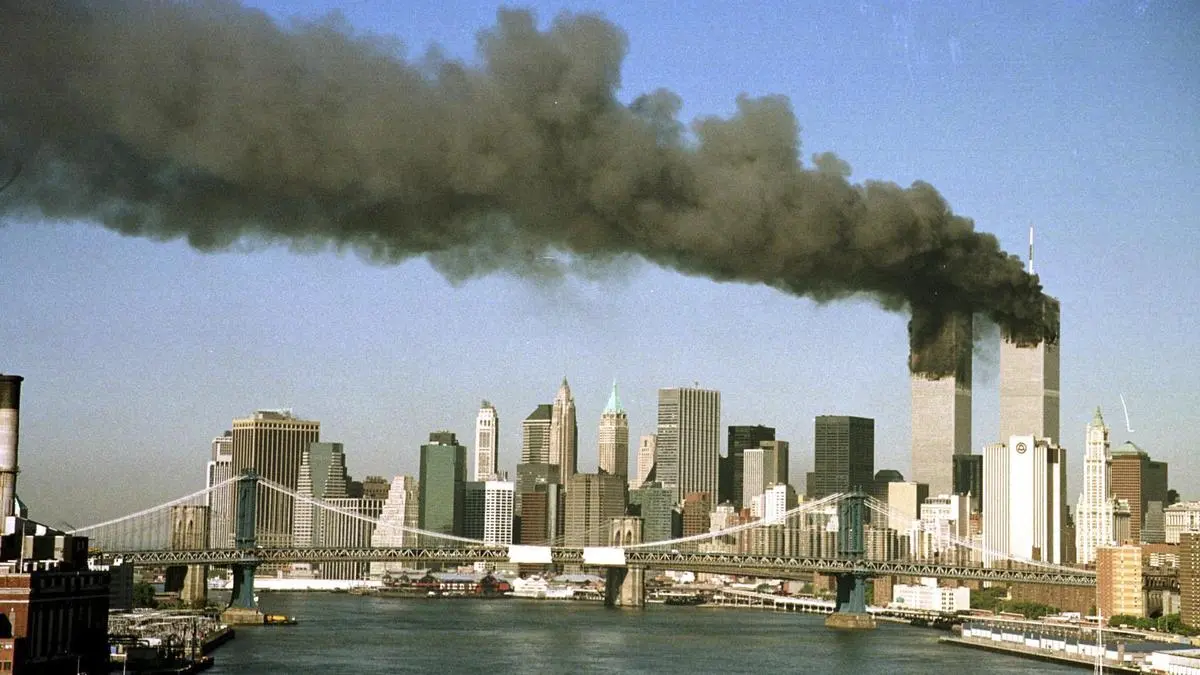
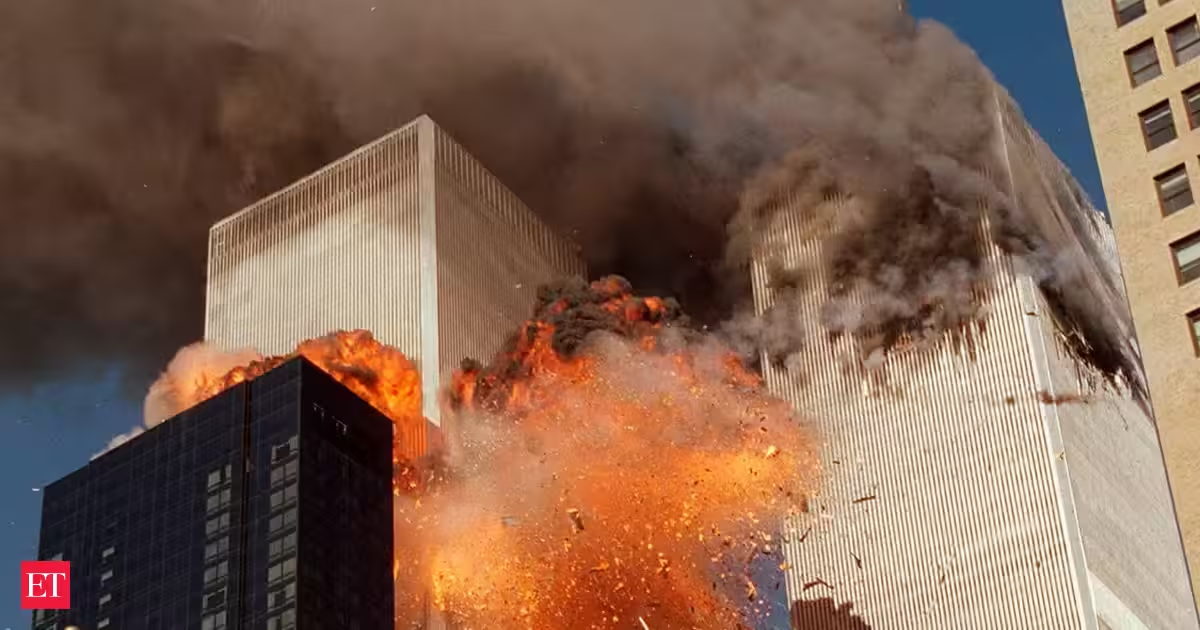
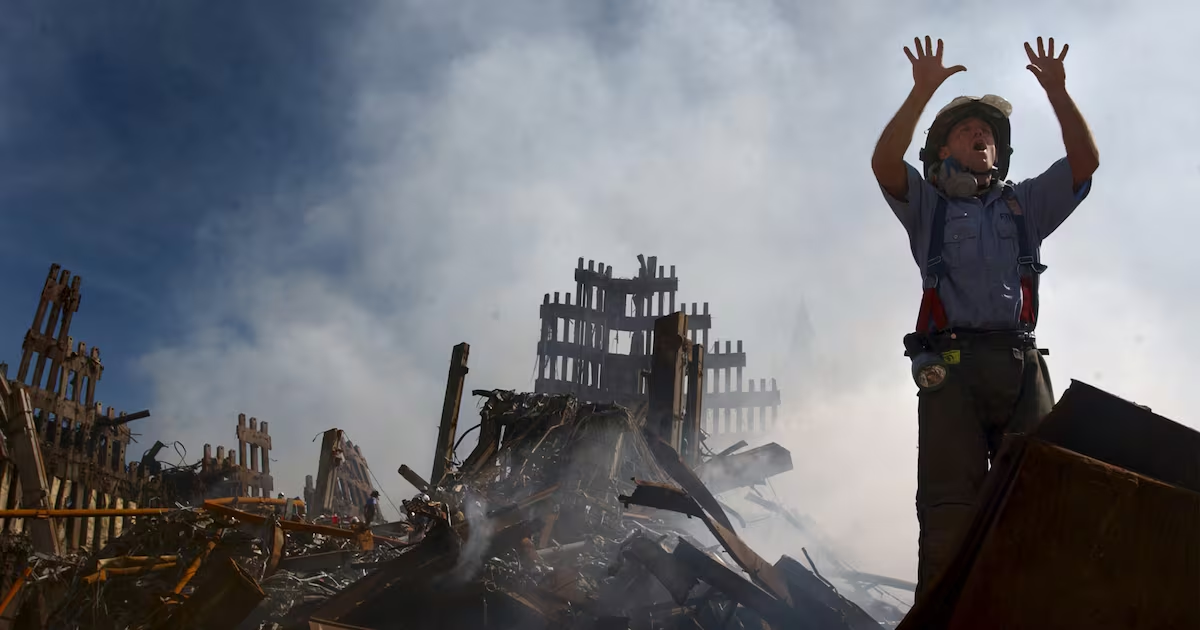
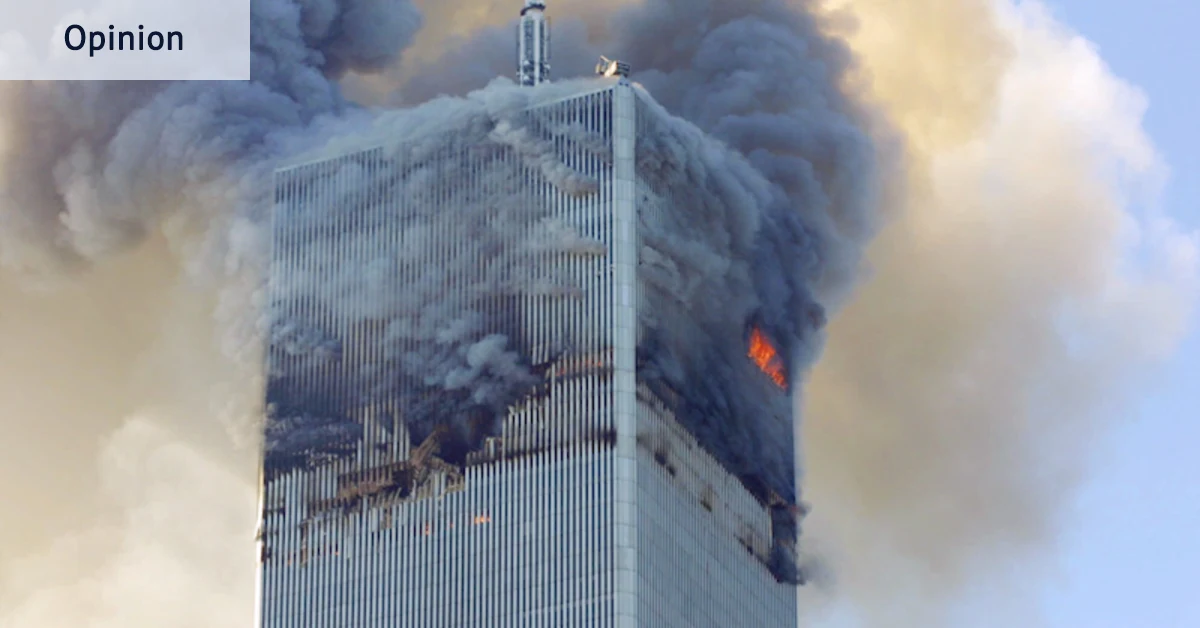
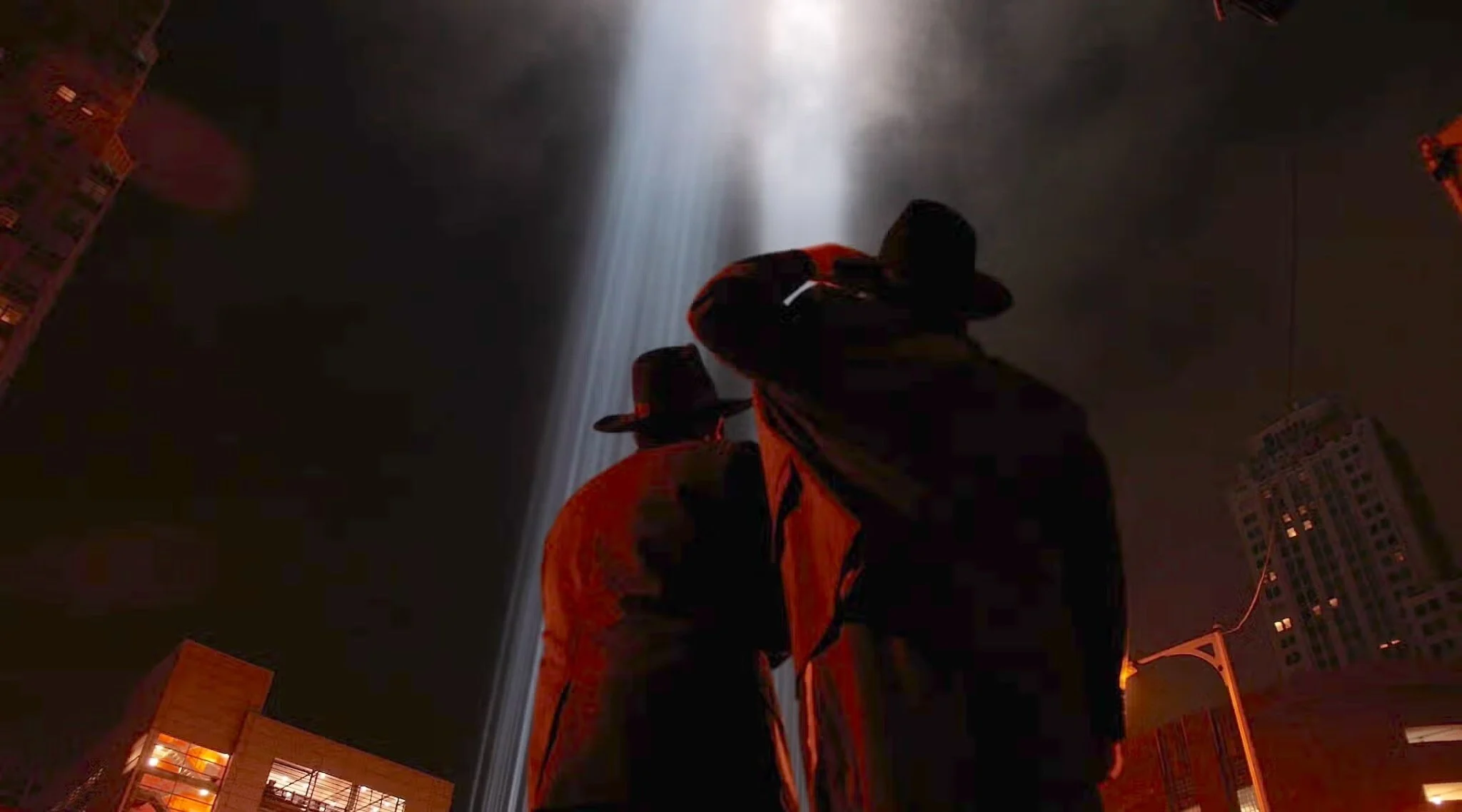
The terrorist attacks on September 11, 2001, are often called a historic inflection point, dividing the world into a neat and fateful before and after. A look back at what JTA reported in the days before September 11, and the preoccupations of American Jews ahead of that bright, sunny day in September, suggest what has changed in the 25 years since — and, depressingly, what hasn’t.
I was on a New Jersey Transit bus to my job at the Forward when the first plane hit the World Trade Center. I made it to our offices on 33rd Street. It was a Tuesday, which meant we were getting the weekly paper ready for the printer and most of the news decisions had been made. Bu the devastation unfolding a few miles away meant whatever we thought newsworthy on Monday — and for the foreseeable future — was beside the point.