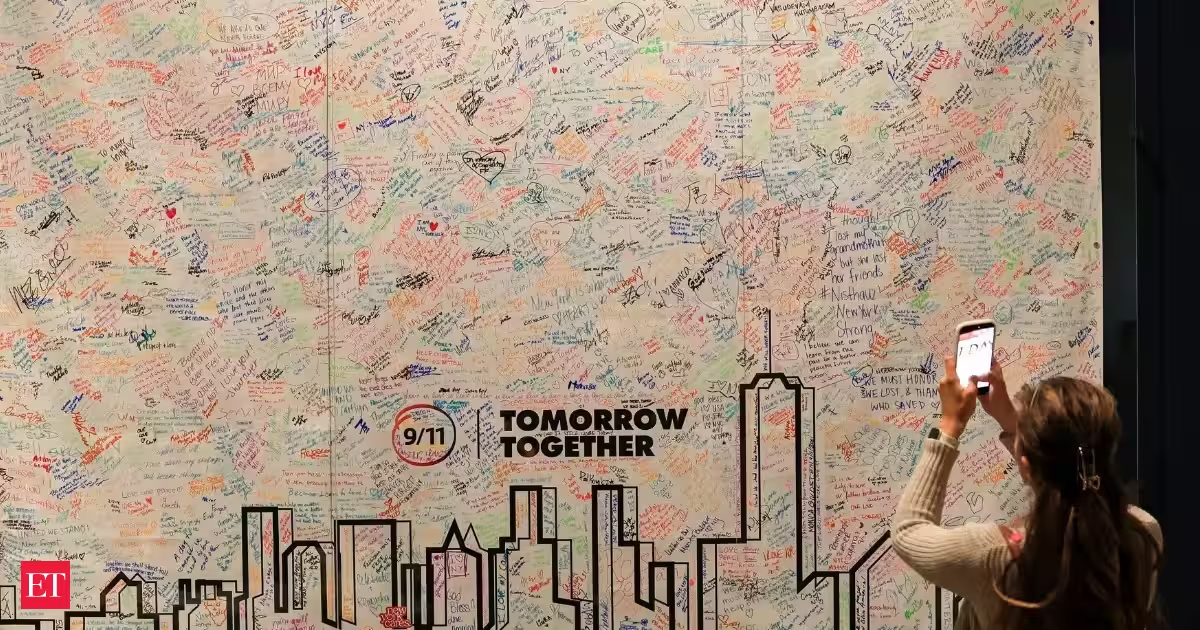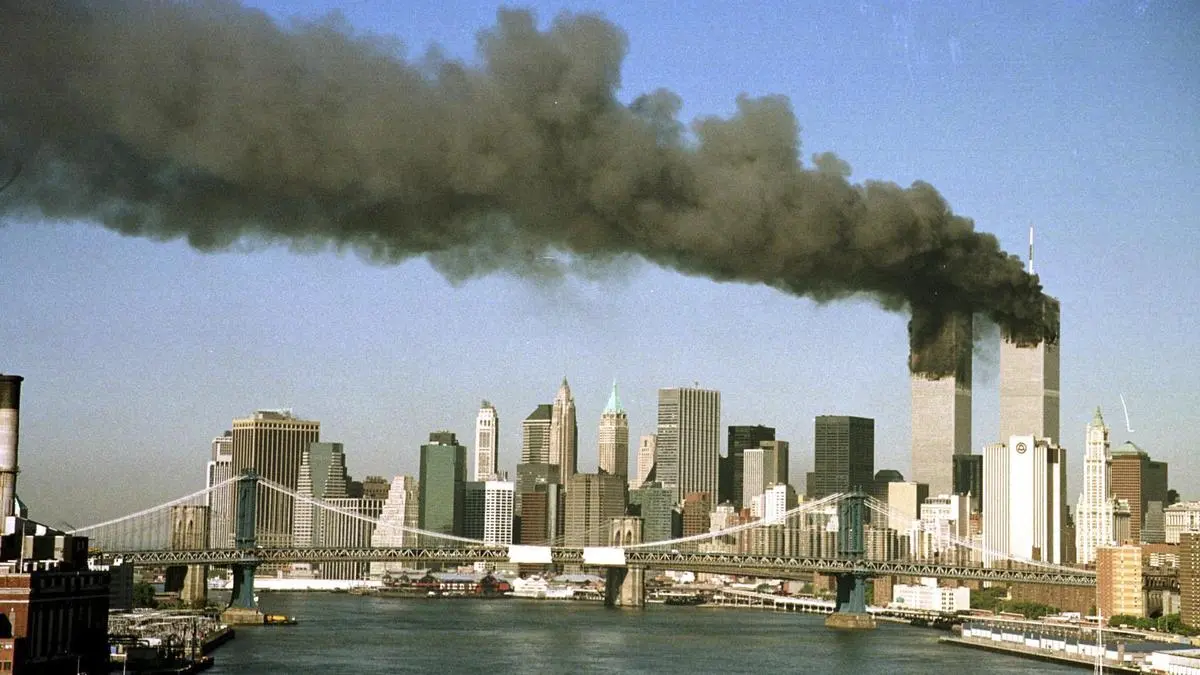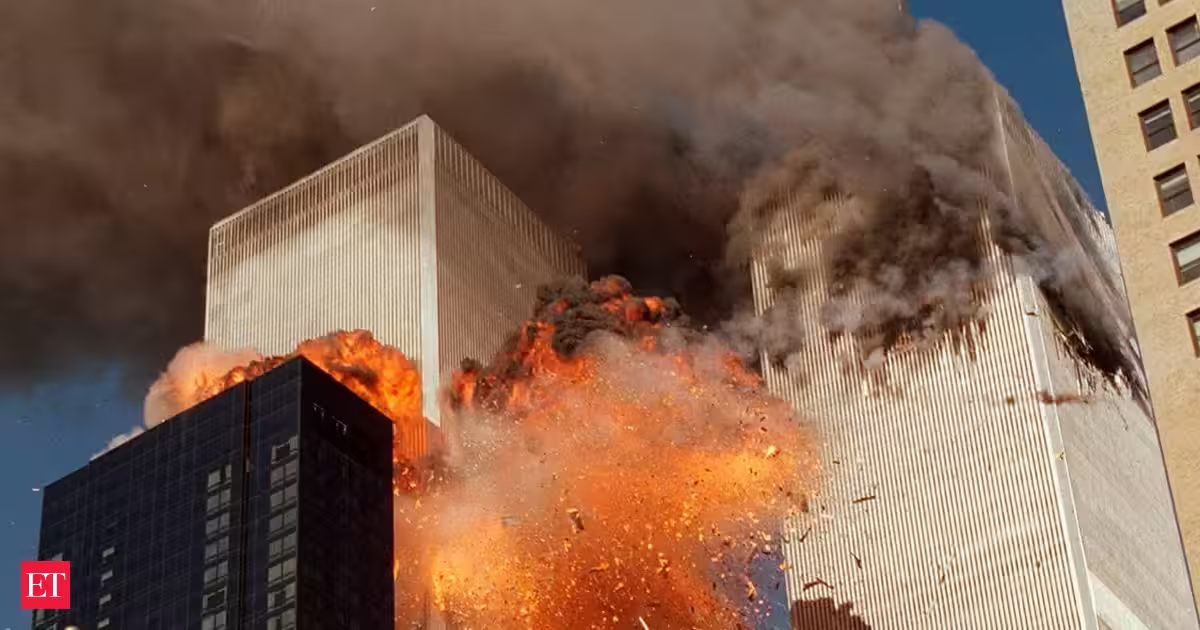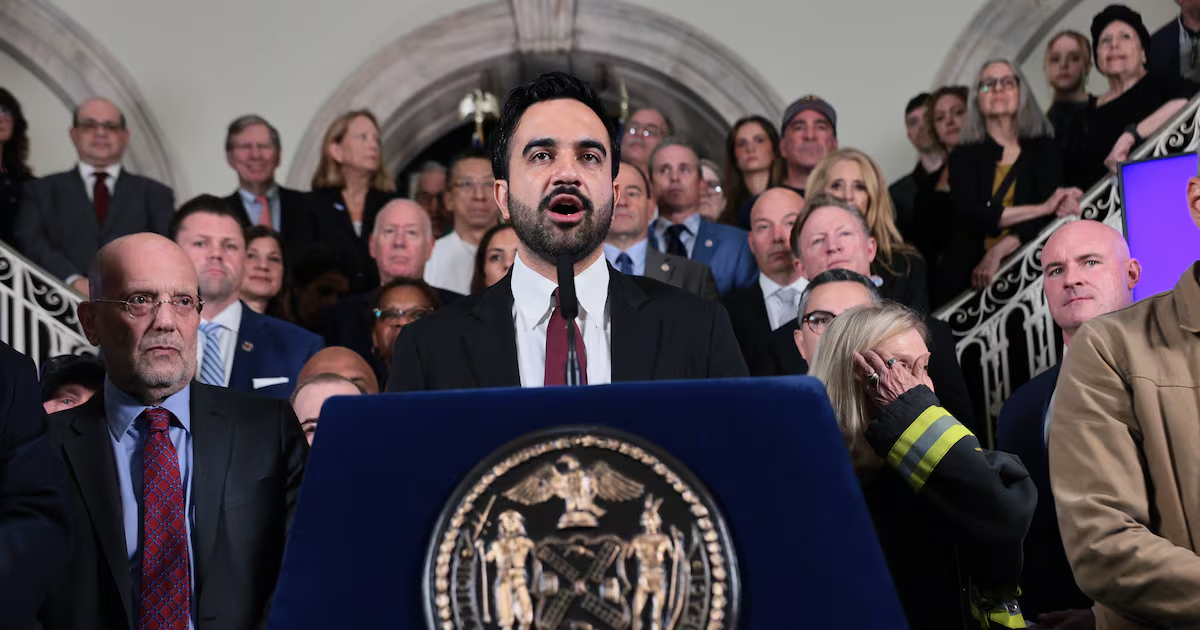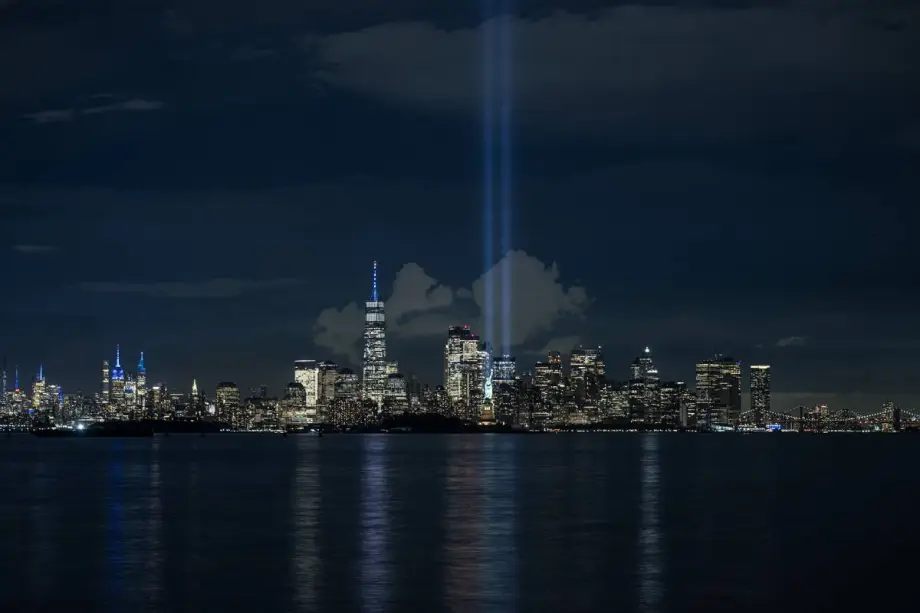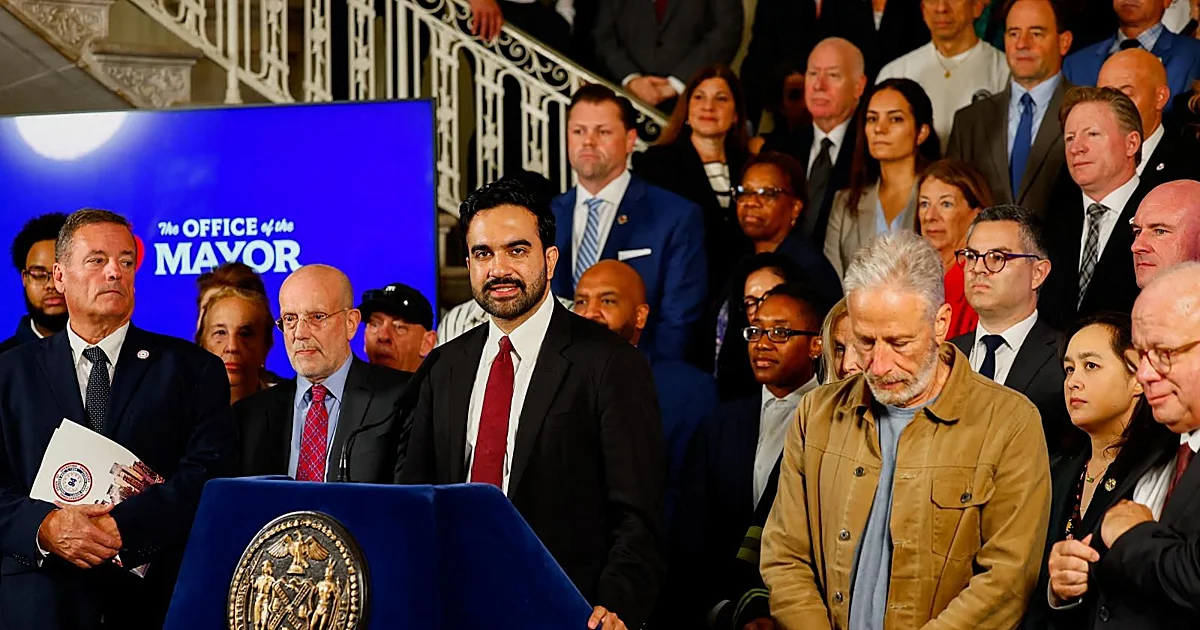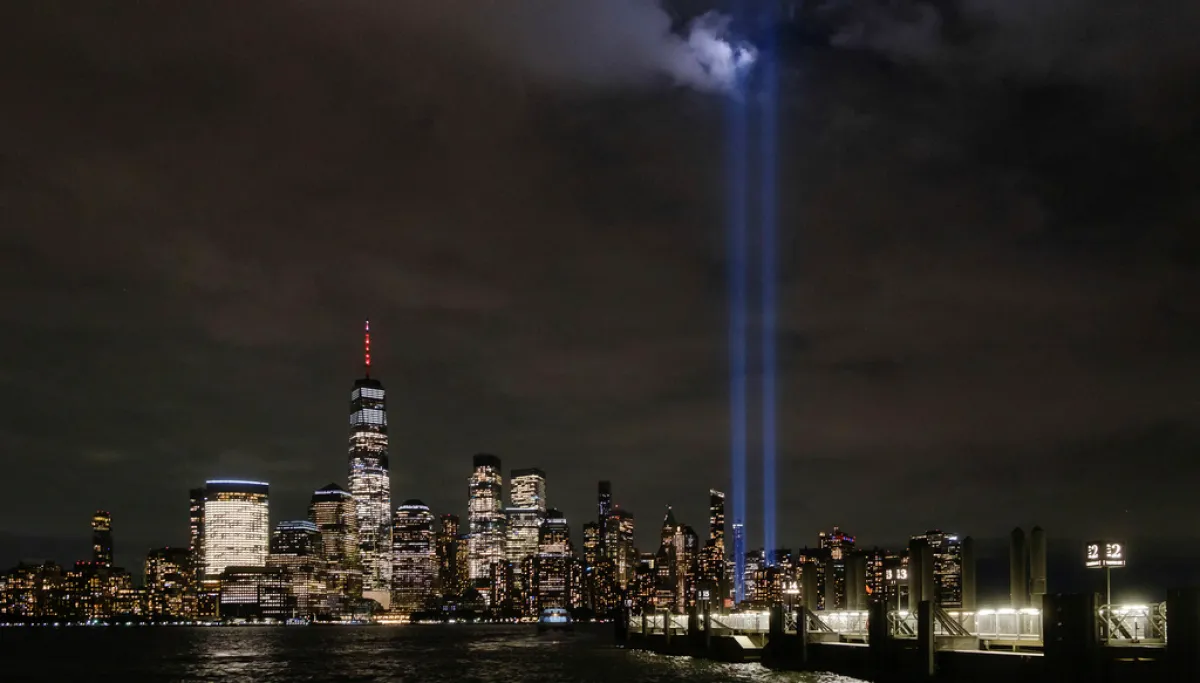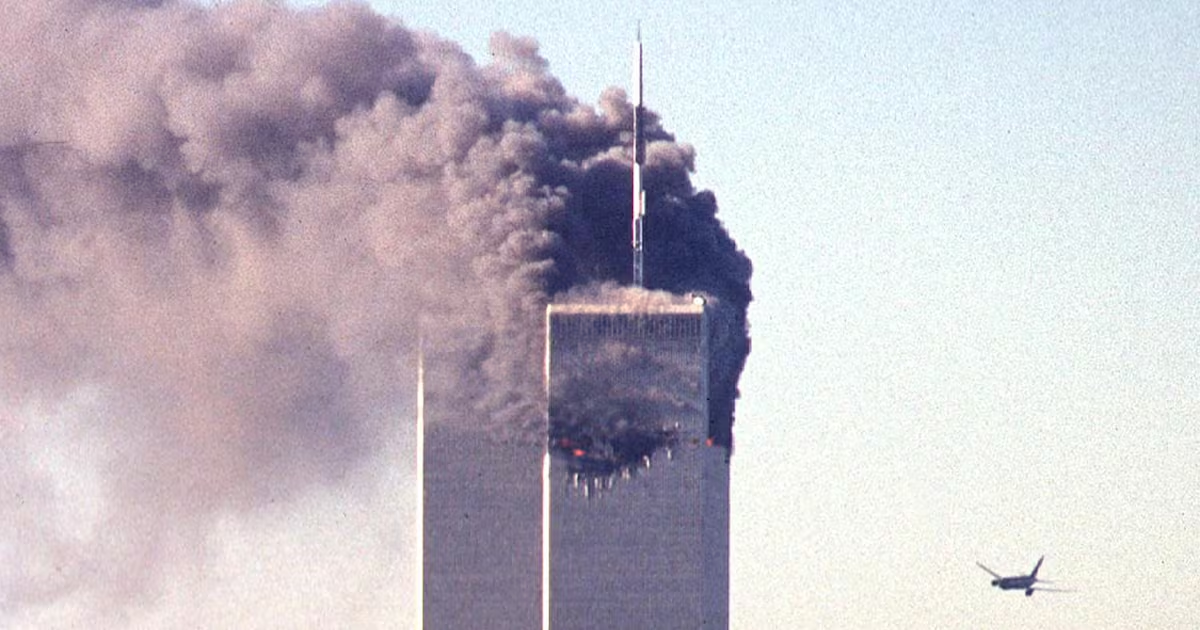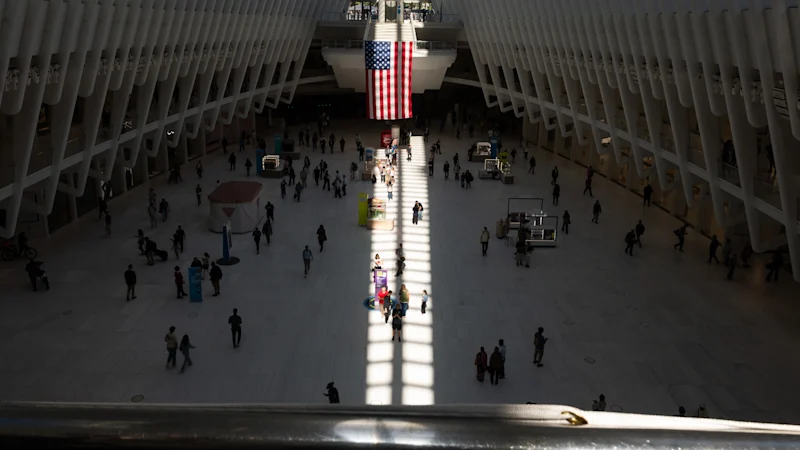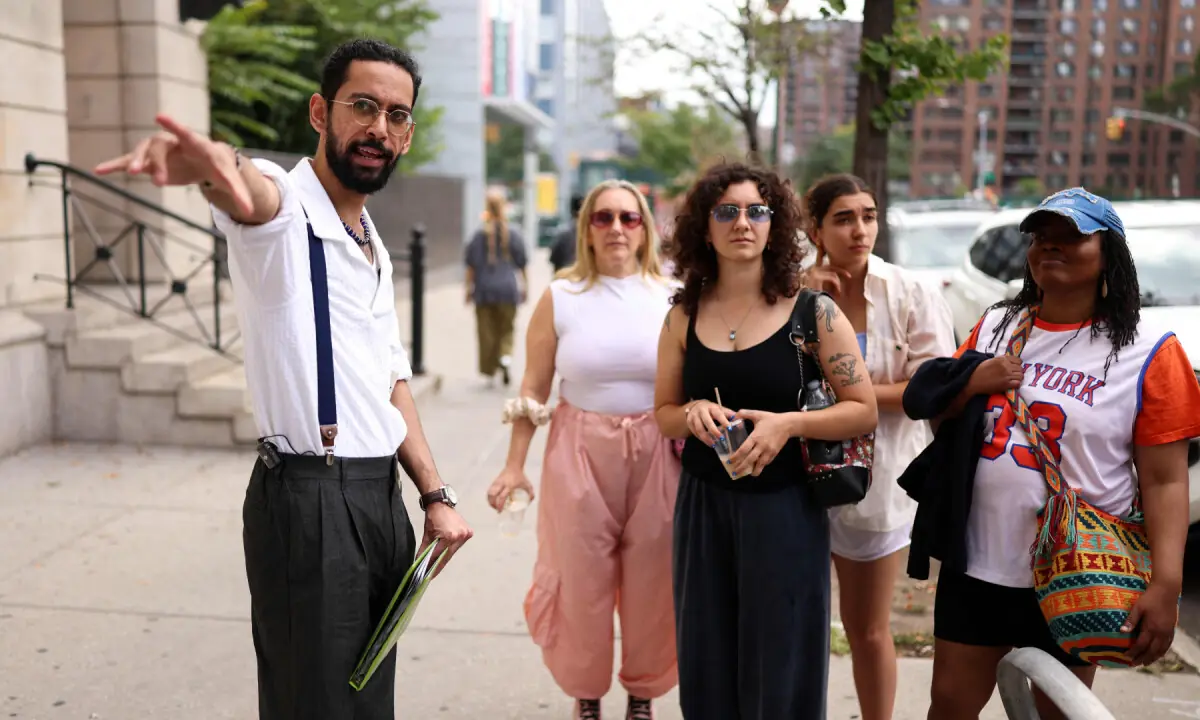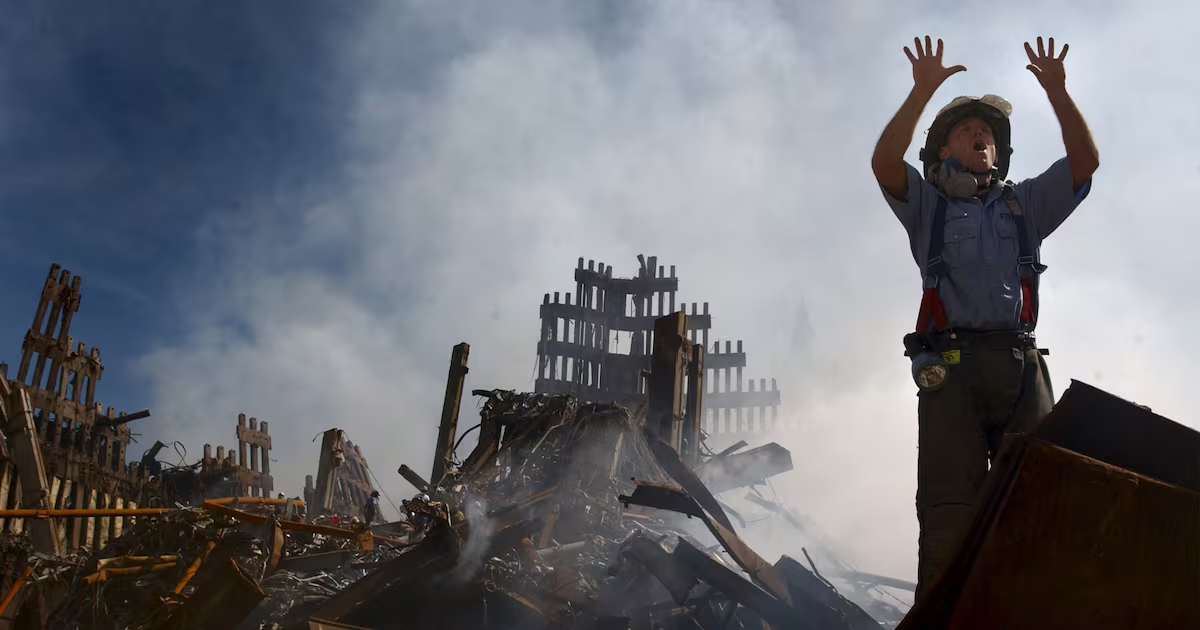
Twenty-five years after the September 11 attacks, Lower Manhattan bears little resemblance to the place left behind that morning.The neighbourhood is crowded again. Office workers hurry towards the subway. Tourists gather around the two dark pools marking the footprints of the Twin Towers. New buildings have filled the skyline.For younger New Yorkers, much of what followed the attacks – cameras, concrete barriers and tighter security – has simply always been there.But ask people who lived through September 11, 2001 about what has changed, and they rarely mention the new towers.They talk about fear. About hearing an airplane overhead. About how people treated one another in the days after the Al Qaeda attacks. They remember a city that briefly came together, but also the suspicion and anxiety that followed.“9/11 has a lifetime impact when something like that happens,” said Alexia Crawford, an Australian-born founder of a life-coaching company in New York. “The sense of freedom has changed. You become more conscious of your safety.”Ms Crawford also remembers New Yorkers helping one another in the aftermath of the attacks, which brought out the best in the city, she said.But the years that followed also left the country more distrustful and divided.Almost 3,000 people were killed after two hijacked passenger jets struck the World Trade Centre, another hit the Pentagon and a fourth crashed in Pennsylvania.September 11 also changed the course of American foreign policy. The US went to war in Afghanistan and later Iraq, while surveillance increased and airport security, immigration and counter-terrorism policies changed at home.A quarter of a century later, an entire generation has grown up with those changes and has little or no memory of New York before the attacks.Sara Bitar is part of that generation. Ms Bitar, 25, a Lebanese American, was born in New York just a month before September 11. She grew up with the attacks as part of the history of the city around her rather than something she could remember.“I learnt that New Yorkers don’t let anything get in their way of helping others and getting back on their feet,” she said, comparing the city’s resilience with that of Beirut. “It’s something that also reminds us why American foreign policy is what it is today.”For those who were there, the memories are different. Dulcie Leimbach lived two blocks from the World Trade Centre and watched the events of that morning unfold.“It stays with me when the commemorations occur, then the anxieties resurface and a feeling of tremendous sadness,” Ms Leimbach said.She has watched New York change in the 25 years since: “It is much noisier, crowded and dirtier but remains vibrant despite all the huge setbacks it endures. I find it really amazing how resilient it is. I wonder how that keeps happening, but the drive and energy of NYC never fail to amaze me.”Jonathan Wachtel was working as a television producer when the planes struck. He was only a block or two from the World Trade Centre when the first tower collapsed and had been trying to get closer to the building.“Two police officers guarding the entrance had threatened to arrest me if I continued trying to get into the burning building,” he recalled. “They saved my life because, thanks to them, I was just far enough away not to be crushed by the debris. They surely died.“I was swallowed by the debris cloud. There was no sky, no air, no visibility. What I remember most was the silence. I was stumbling through darkness with my hands stretched out, hoping to find a door that would open so I could breathe.”The wreck of the World Trade Centre. ReutersShow caption: The wreck of the World Trade Centre. ReutersImages from September 11 have been replayed for a quarter of a century: flames against a blue sky, paper falling through Manhattan and people running from enormous clouds of dust.What Mr Wachtel remembers most is what he could not see.“People imagine dust. What I remember was darkness,” he said. “The cloud was so thick there was no air, no sense of direction and no sound. I couldn’t see my hand in front of my face. At that moment, my world narrowed to one thought: Find air. Find shelter. Stay alive.”The part of Manhattan where he stood that morning has since been rebuilt. Billions of dollars in public and private investment brought new office towers, apartments, transport links, shops and cultural institutions. The 9/11 Memorial and Museum now draw millions of visitors to the site.The rebuilding also brought a new security landscape.“New York became more secure after 9/11, with vehicle barriers, bollards, checkpoints, cameras and surveillance,” Mr Wachtel said. “The city had enormous determination to rebuild but the rebuilding process itself became mired in bureaucracy. For a place known for speed and urgency, it took far longer than many New Yorkers thought it should.”For him, some of the changes were less visible.“For years, every low-flying plane pulled me back to that day,” he said. “At the same time, I saw the city at its best. There was a sense of unity, resilience and purpose that emerged from the tragedy.”New York has changed in other ways, too. In January, Zohran Mamdani became the city's first Muslim mayor, a milestone that would have been difficult to imagine in the years immediately after September 11, when Muslim New Yorkers faced increased suspicion and hostility.New York City Mayor Zohran Mamdani attends an unveiling ceremony for a new 9/11 Memorial Wall at One Police Plaza in New York, on September 9. AFPShow caption: New York City Mayor Zohran Mamdani attends an unveiling cere…For Mr Wachtel, the election was another measure of how much the city had changed.“Twenty-five years later, the city is very different, and the election of a Muslim mayor reflects how much New York has changed since then,” he said.Today, people live, work and shop around the World Trade Centre. Tourists stop at the memorial before heading elsewhere in the city. A generation of New Yorkers has grown up knowing the site only as it is now.For people such as Mr Wachtel, the distance between then and now can feel much shorter.A low-flying plane can still take him back to that morning.
From Ground Zero to Muslim Mayor: How New York changed in 25 years since 9/11 | The National
For younger New Yorkers, the cameras, concrete barriers and tighter security that followed the attacks have always been part of life
1,031 words~5 min read