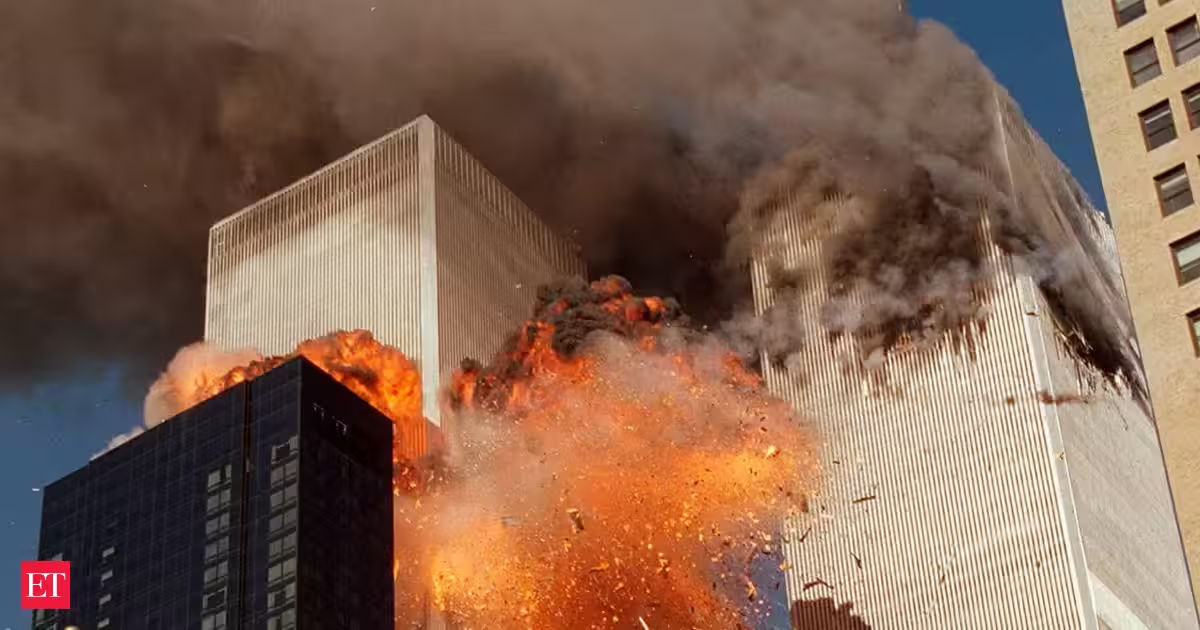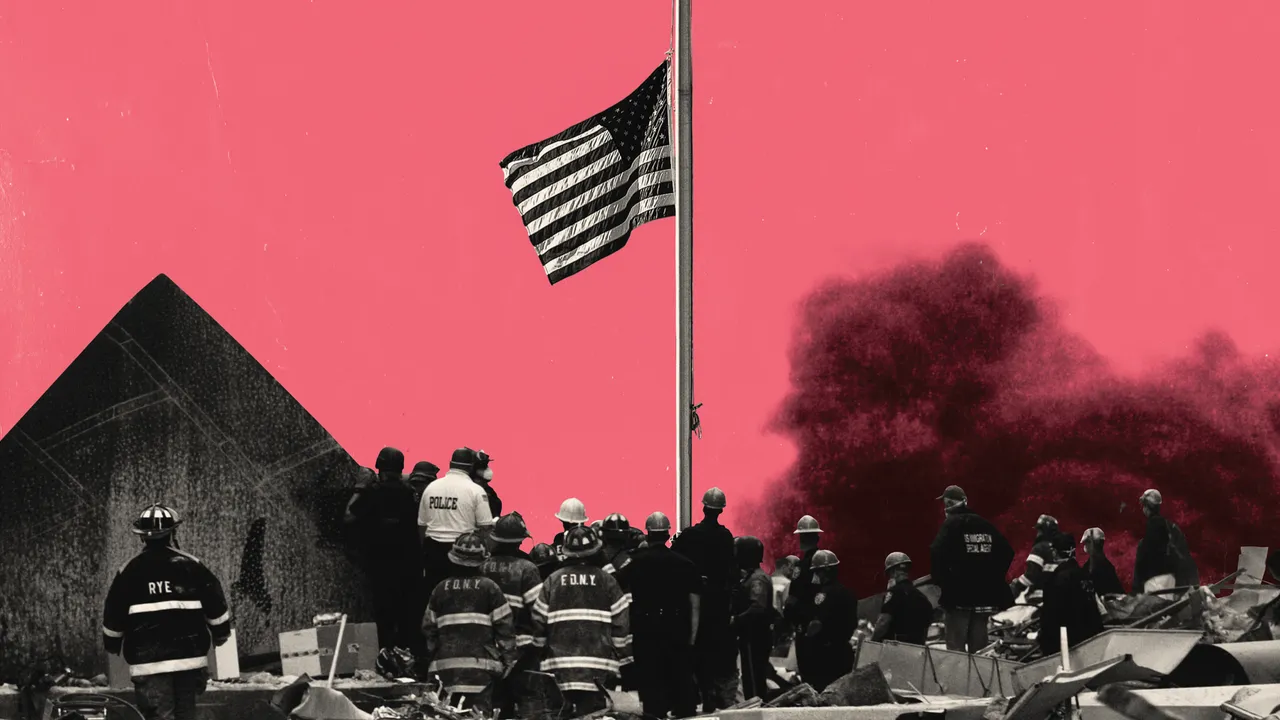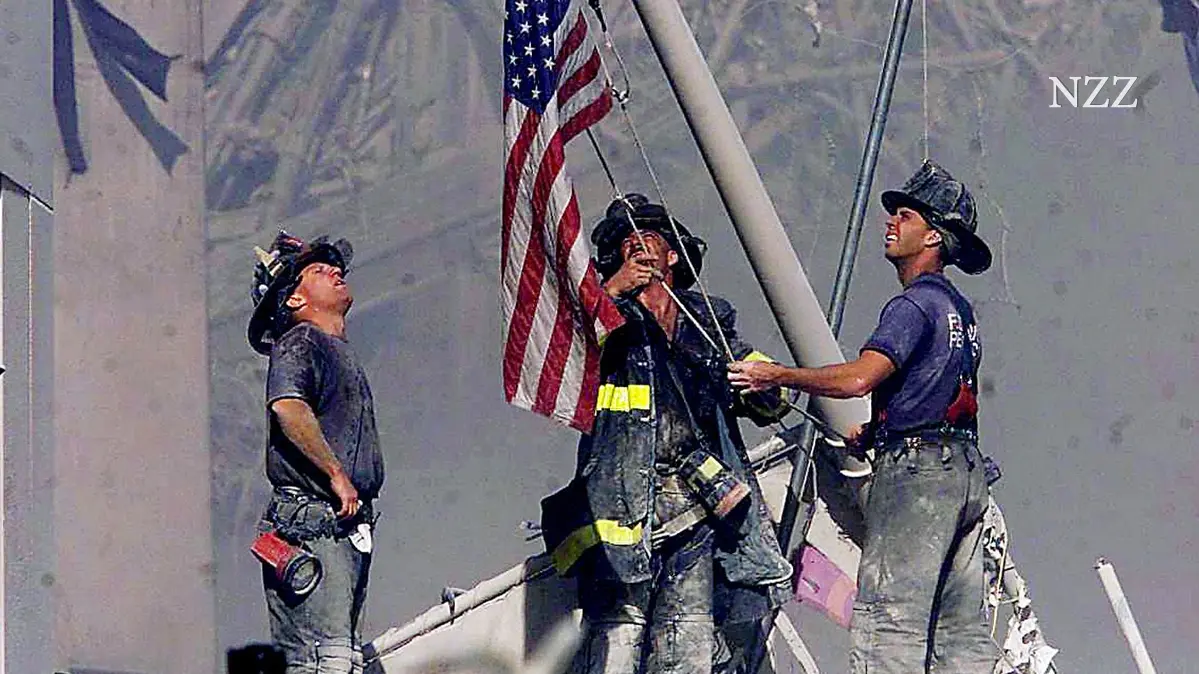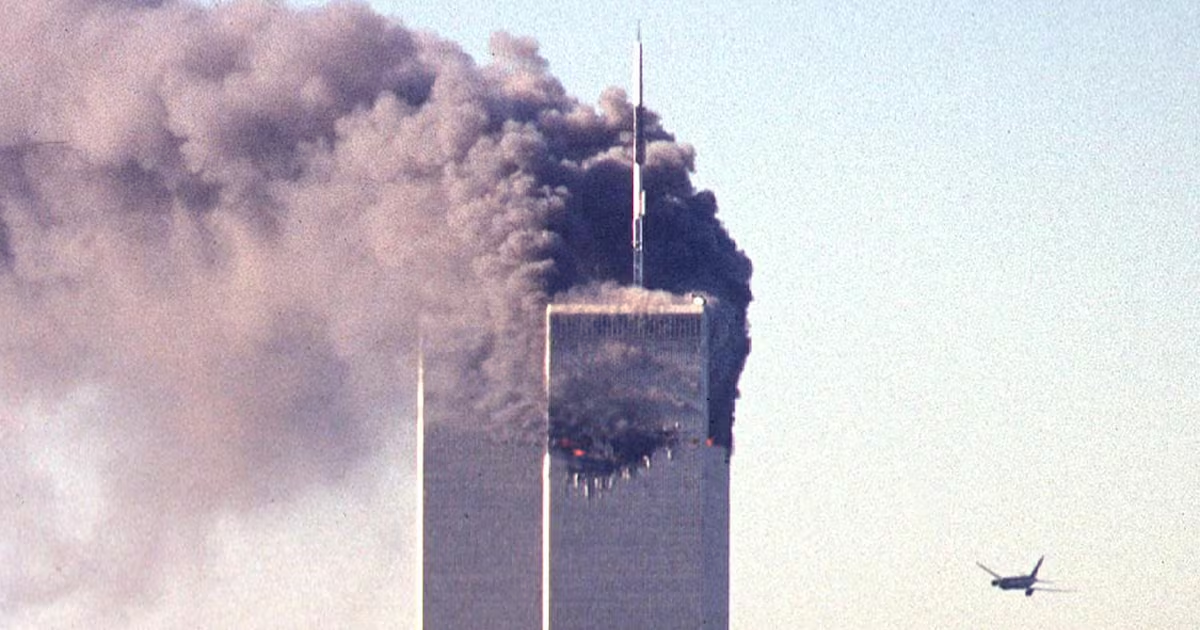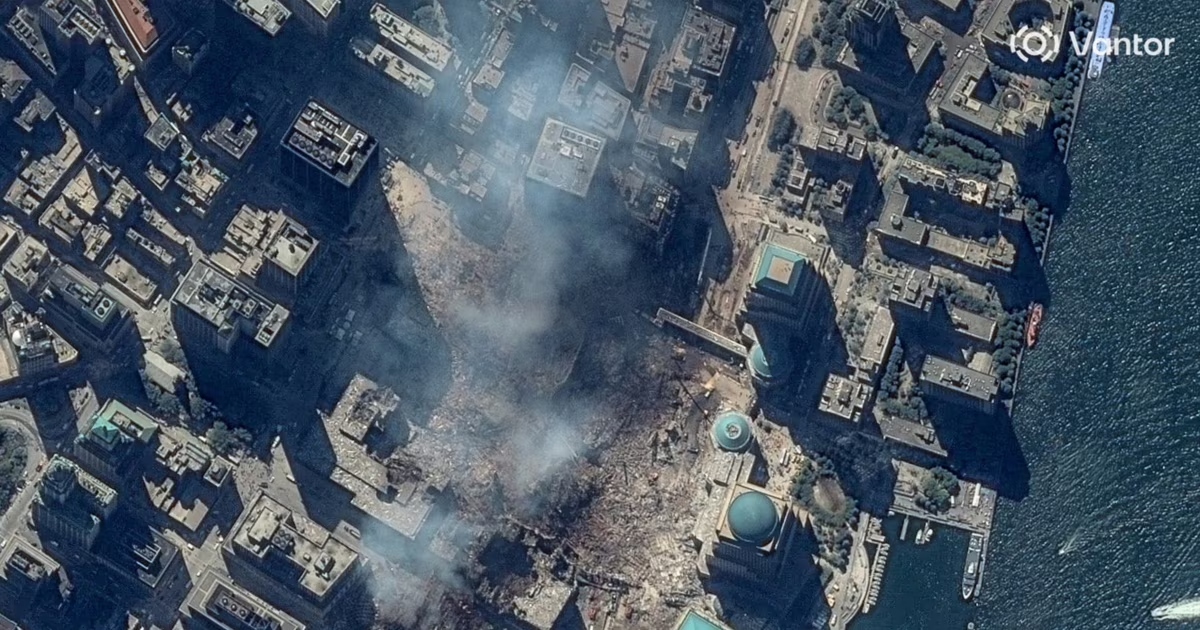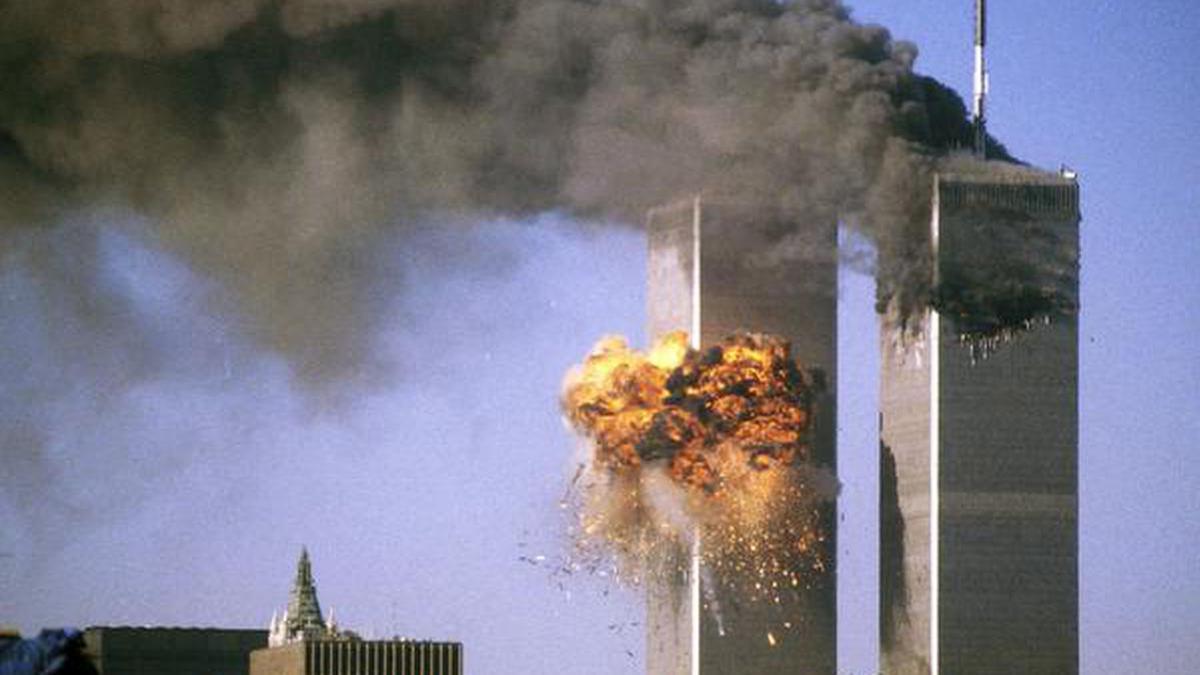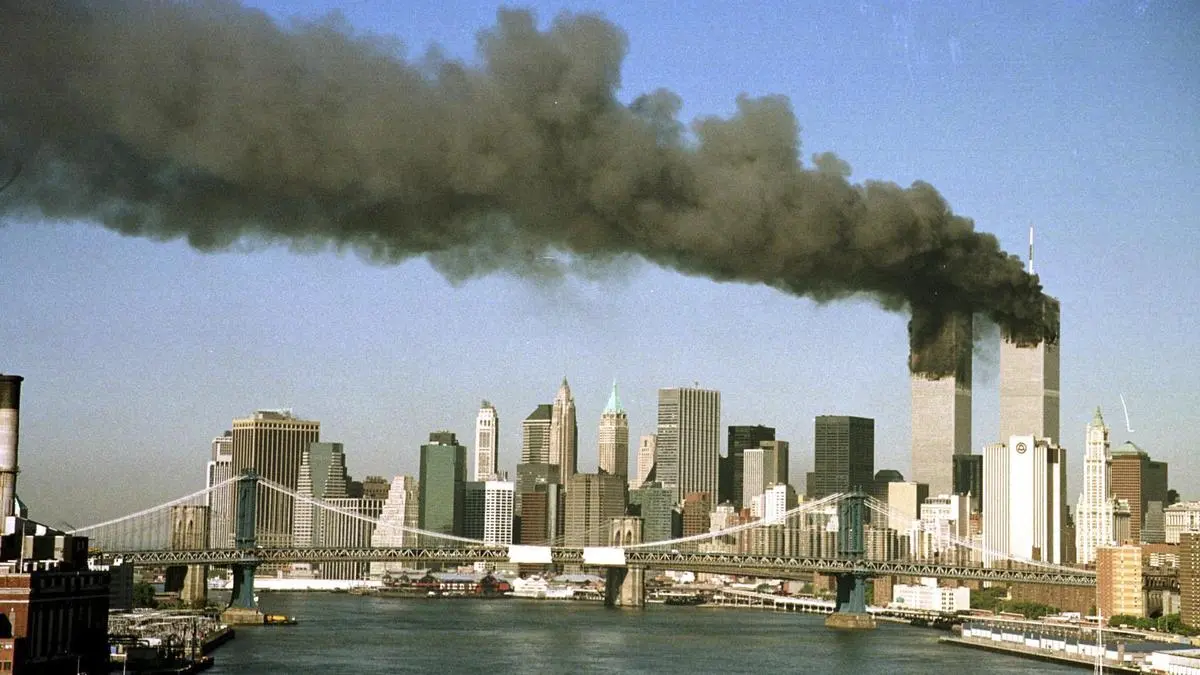
The twin towers of the World Trade Center pour smoke in New York in this September 11, 2001 (file photo)
| Photo Credit:
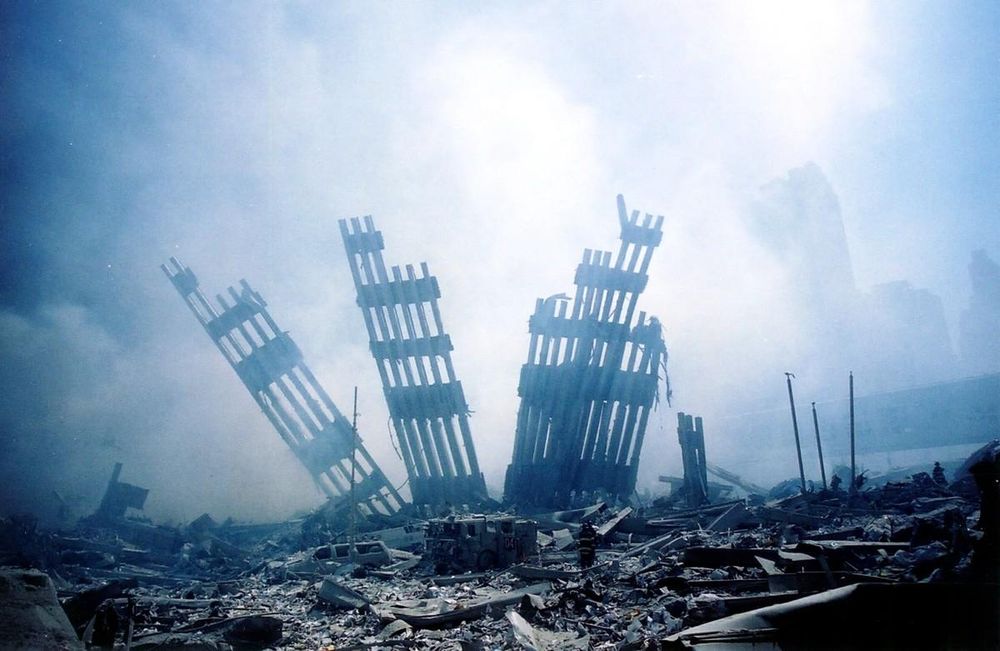
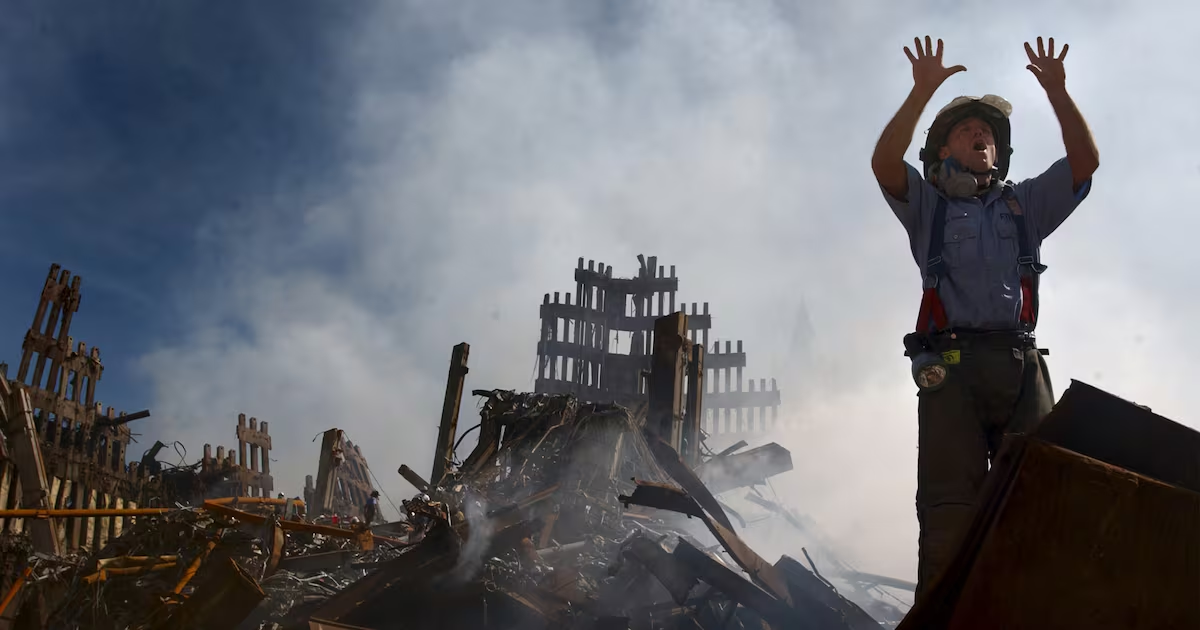
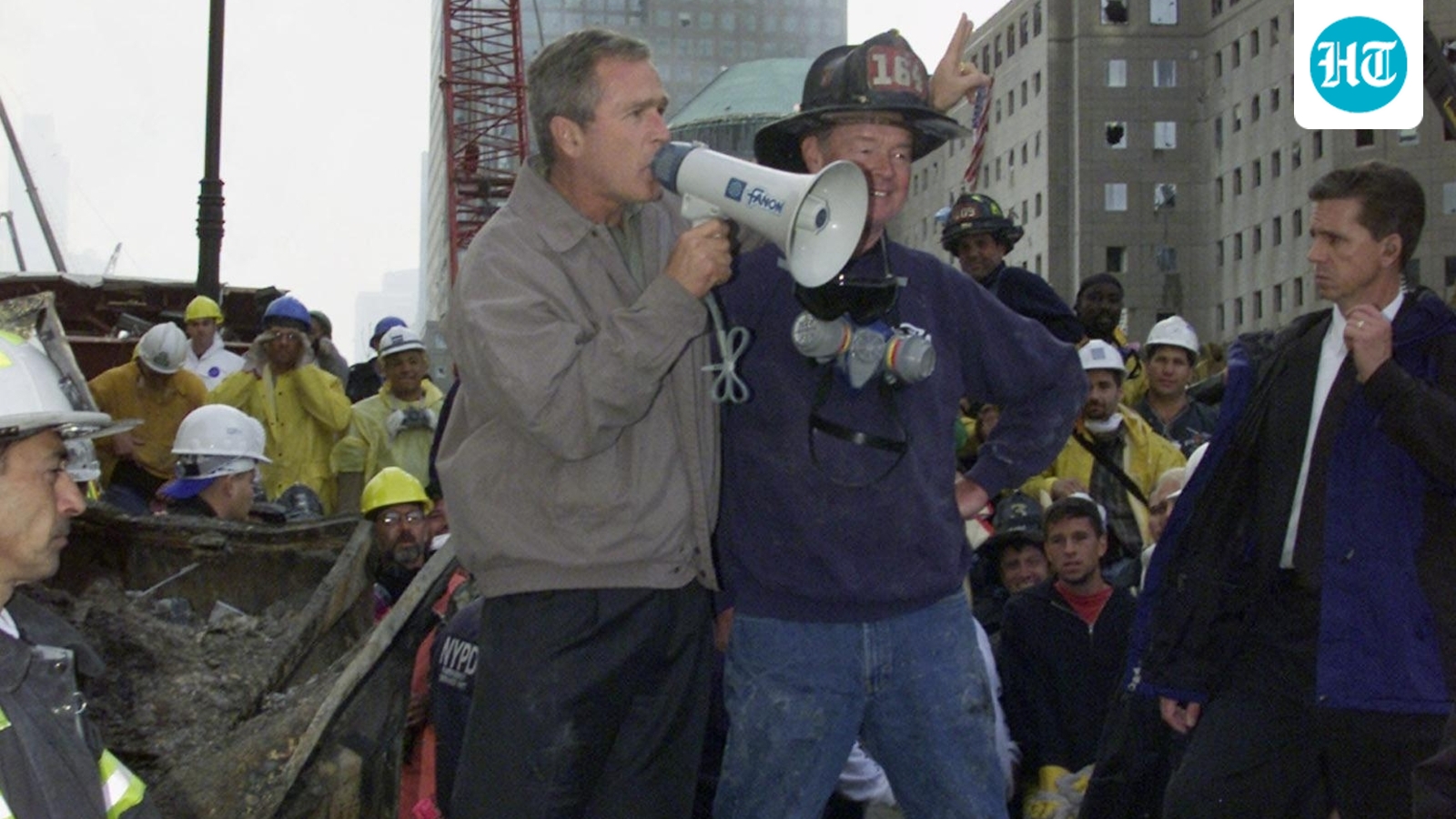
There are dates that divide history into a before and an after. September 11, 2001, is one of them. The smoke has disappeared from New York. The towers are gone, and a new skyline has risen in their place. A generation has grown up without a memory of that morning. For them, 9/11 lives in photographs, films, classrooms, and history books. Yet it has not become history in the ordinary sense. Its consequences remain with us. Its deepest legacy may be that the meaning of survival changed. We entered a world in which distrust became almost another name for security.The terrorists killed nearly 3,000 people and destroyed New York’s skyline. But terrorism has another, more important yet less visible objective: to spread fear. Its weapon is not only the bomb, gun, or hijacked aircraft. It’s the suspicion left behind – of the stranger, the neighbour, the foreigner, often of people who have done nothing wrong, or even of your own shadow.Intelligence failure9/11 was also a spectacular failure of imagination. The world’s most powerful country, with vast military and intelligence resources, failed to imagine an attack of such scale and audacity. In Nassim Nicholas Taleb’s terminology, it had the character of a Black Swan: an event that seemed almost impossible beforehand but, once it happened, changed our understanding of what was possible.Then came Afghanistan, Iraq, the “War on Terror,” tighter borders, airport security, and expanded surveillance. Yet terrorism didn’t disappear. It changed shape, fragmented, and spread. In trying to defeat it, we sometimes found ourselves fighting the fear it had planted in us. Afghanistan remains the painful example. When American forces finally left in 2021, the scenes from Kabul offered a grim lesson: wars may end on paper while their consequences continue in people’s lives.But the afterlife of 9/11 is not only geopolitical. It’s personal. TIME’s 25th-anniversary series, How 9/11 Shaped My Life, personalizes the enormity of the event by focusing on the enormity of the event down to individual lives. Colin McShane, for example, was only four and a half when his firefighter father died. He remembers being taken from preschool and watching television, but he was too young to understand what had happened. Only later did the absence of his father become real.A death happens in an instant. Grief doesn’t. The same is true of those who survived. First responders and others exposed to the dust at Ground Zero have lived with illnesses linked to that day long after the cameras left. The World Trade Center Health Program has cared for more than 150,000 survivors and responders.Social woundsThen there was another wound – the social one. After 9/11, a person’s name, face, clothes, or accent could suddenly acquire a political meaning. People often found themselves viewed through suspicion due to their religion or ethnicity. The innocent were made to carry the guilt of the guilty. This is how terror changes a society. It doesn’t merely make people afraid of dying. It can make them afraid of one another.But there’s another way to respond. After the Christchurch mosque attacks in 2019, in which 51 worshippers were killed, New Zealand’s prime minister Jacinda Ardern refused to mention the name of the attacker to deny him the notoriety and fame he sought from his terrorist act. Terror says: “Fear the other.” Ardern’s response was: “They are us.” In Tagore’s iconic play Raktakarabi (Red Oleanders), the wonder woman, Nandini, symbolizes vitality, freedom, and defiance against oppressive systems.That matters when we consider 9/11. If terrorism seeks to create fear, suspicion, and division, then refusing to surrender to those emotions is itself a form of resistance. We must remember the people who died. But we should also remember the Afghan child whose childhood was shaped by war, the family that lived with suspicion, the first responder who carried Ground Zero in his lungs, and the little boy who grew up without his father.“Never Forget” must mean more than remembering a terrible morning. It must mean remembering what fear can do to a society – and what humanity can do in response. The towers disappeared. But the shadow remains. Twenty-five years later, the harder question is no longer simply what happened on September 11, 2001? It is: what did we become afterwards?Perhaps the final measure of survival is whether we resisted the fear that makes us strangers to one another. The date is still being written. Its final meaning may depend not on what the terrorists did to us, but on what we choose to become because of it.Professor of Statistics, Indian Statistical Institute, KolkataPublished on September 10, 2026