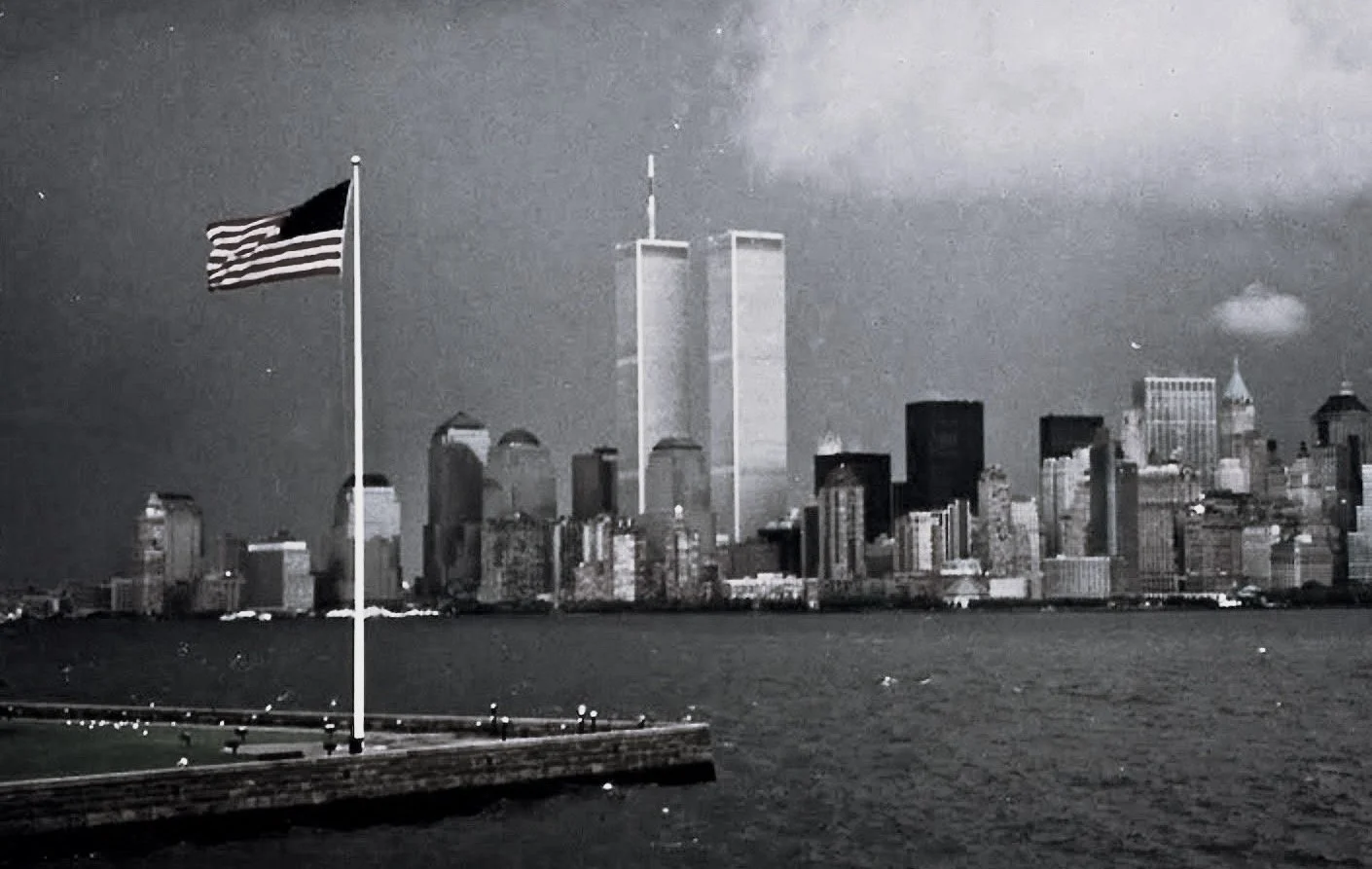
There are events in one’s life that resist being relegated to the past. The calendar advances, the world resumes its ordinary rhythms, and yet part of us continues to stand in the hour when everything changed. To commemorate such an event is not simply to remember it. It is to decide, again and again, how we will carry it.
I recently reread Rachel Goldberg-Polin’s powerful book, When We See You Again, which I regard as a defining work of our generation. I expect to return to it for wisdom and strength. She divides her life into “The Before” and “The After” of the brutal kidnapping and barbaric murder of her beloved and only son Hersh, whose fate touched people far beyond his family. The distinction, simply expressed yet profound, is painfully familiar to many whose lives have been ruptured by tragedy.
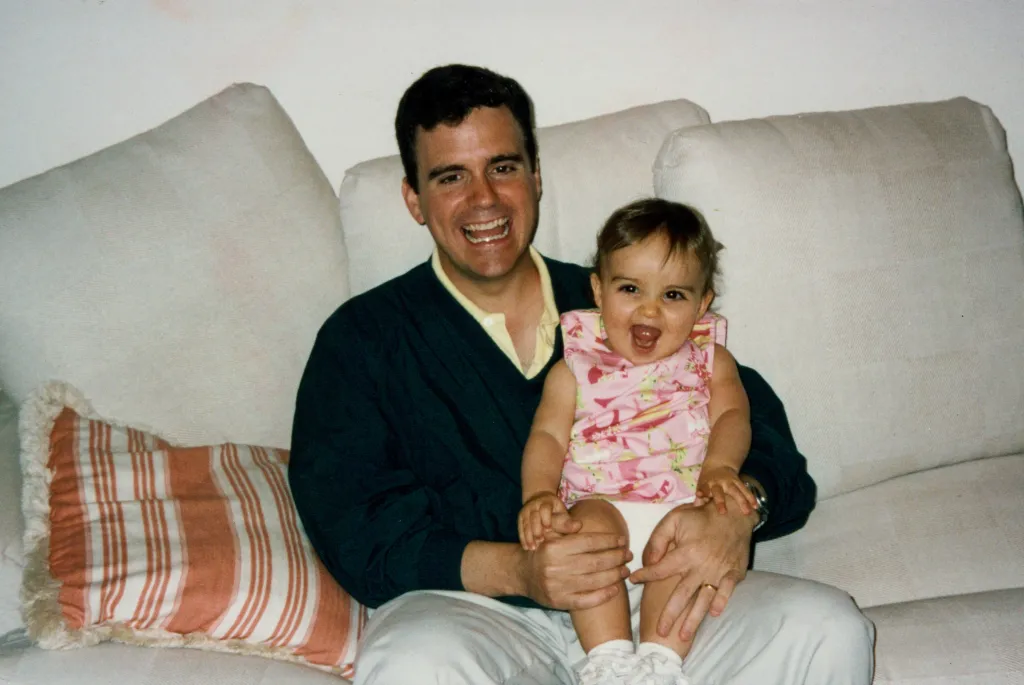
The Before is not merely an earlier period. It is a world whose ordinariness often becomes precious only after it has disappeared: the morning when the people we love were still within reach, the conversation we assumed would continue, the plans made without hesitation, the confidence that tomorrow would resemble today.
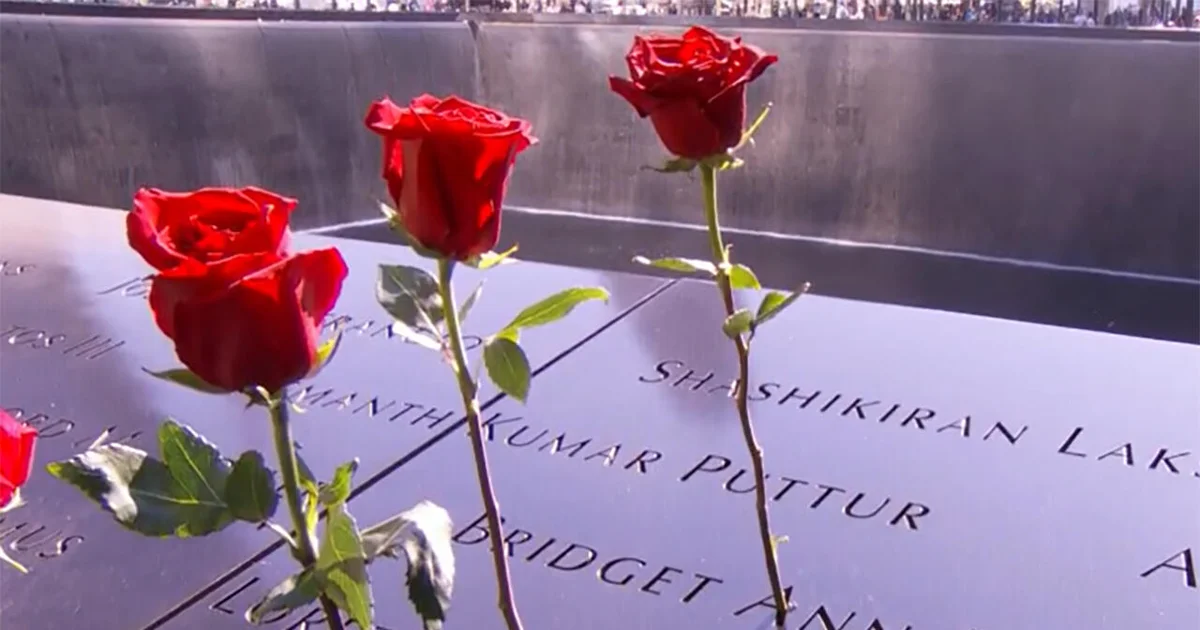
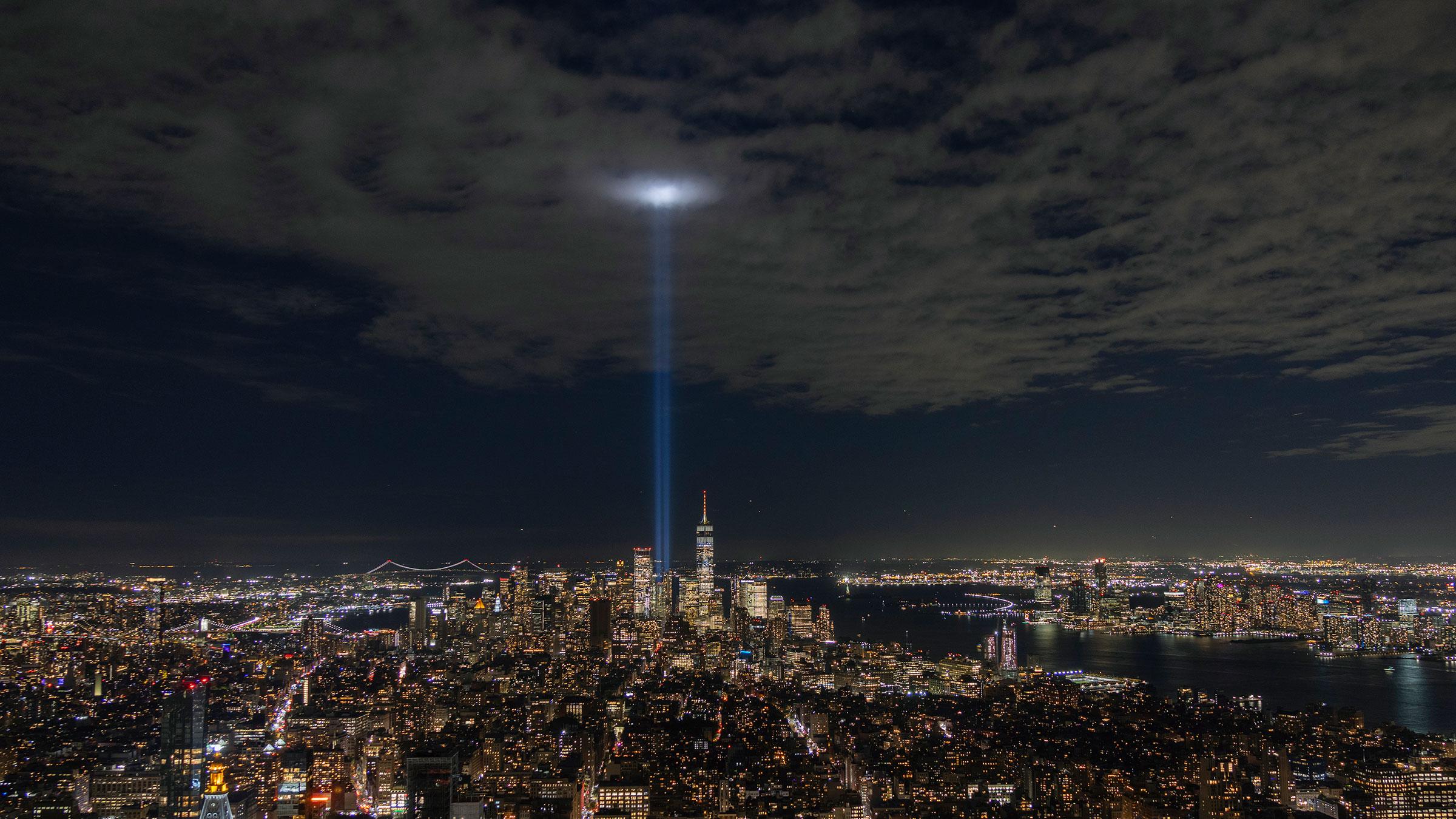
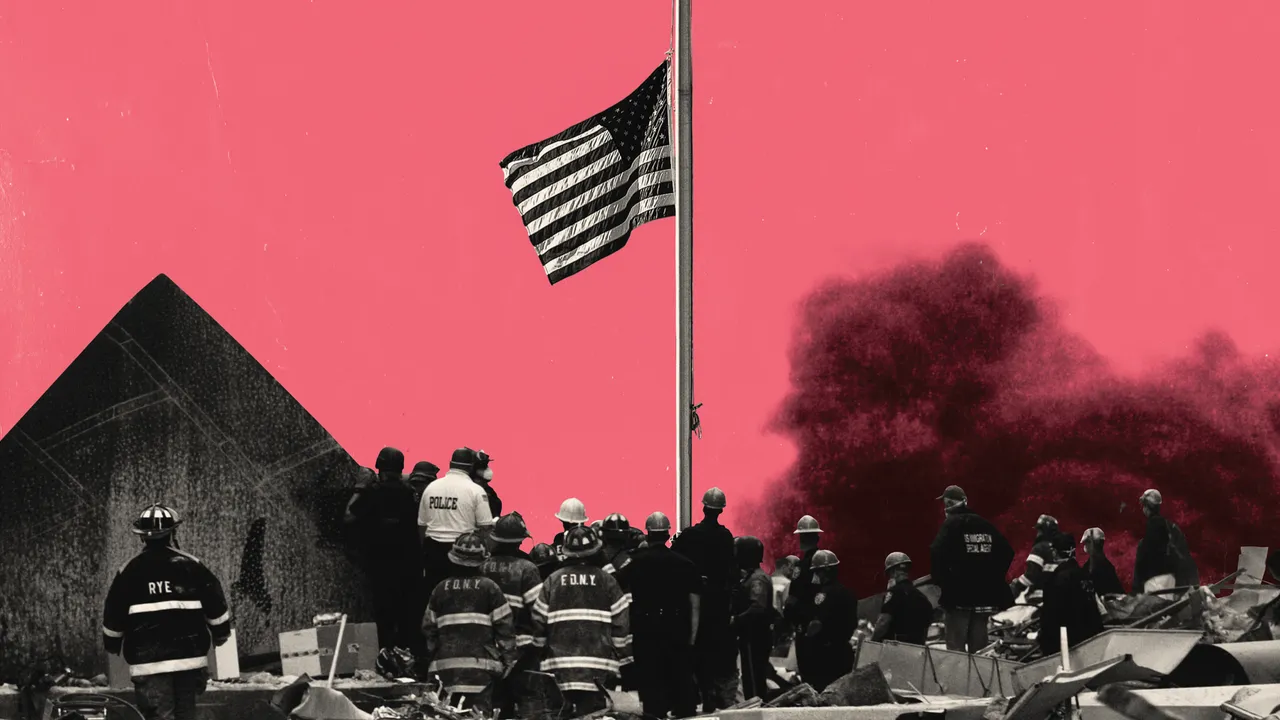
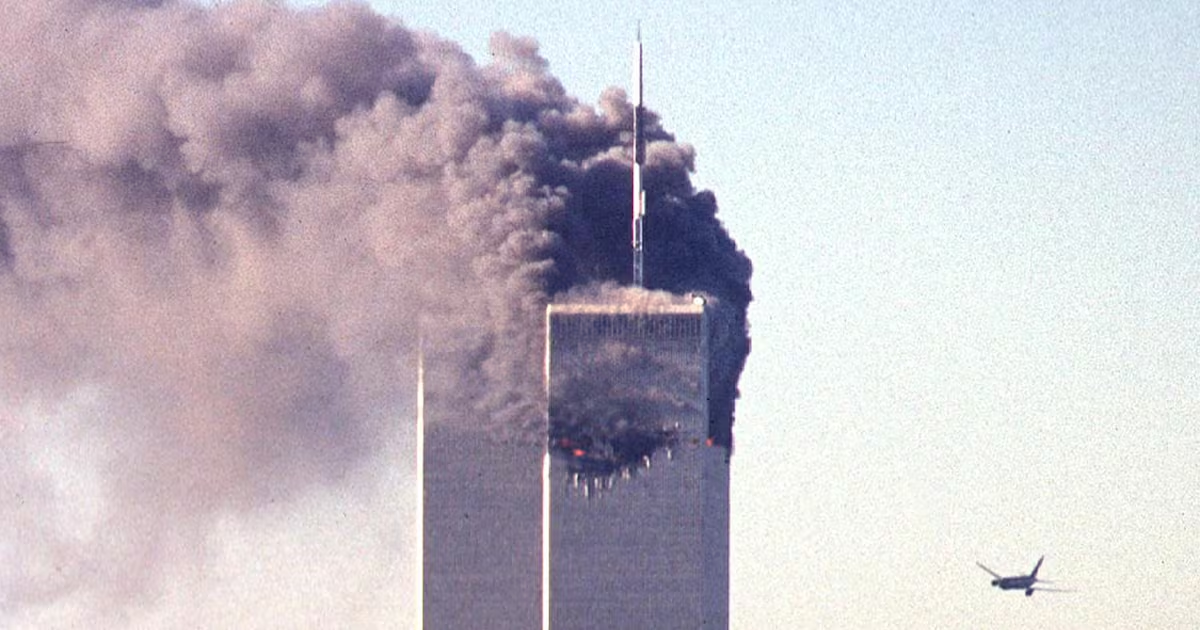
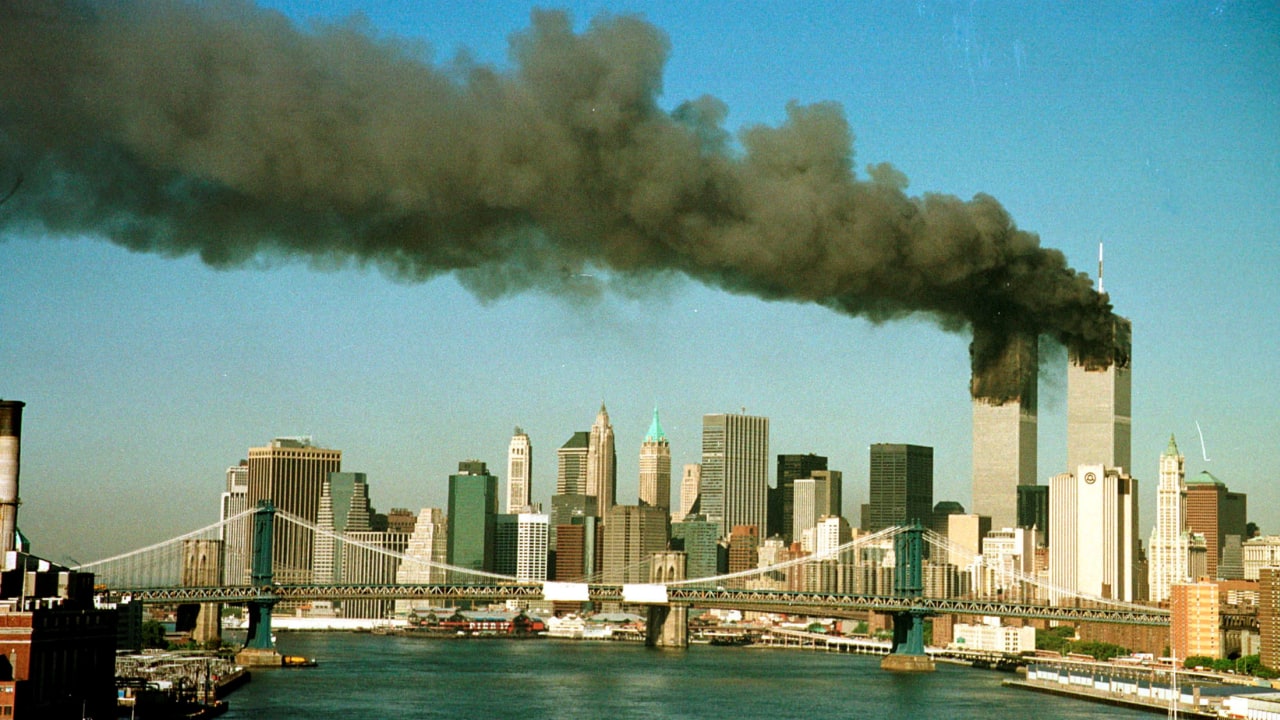
The After is an altered way of inhabiting the world. Time continues, but it may no longer feel entirely continuous. Life moves forward, yet something within us remains tethered to the instant when before became after. September 11 created such a dividing line for countless people. There was the world before that morning, and there has been the world we have inhabited since.