Featured Post
Passionate slogans and righteous emotions won't stamp out barbarism. That will take global cooperation and serious policymaking
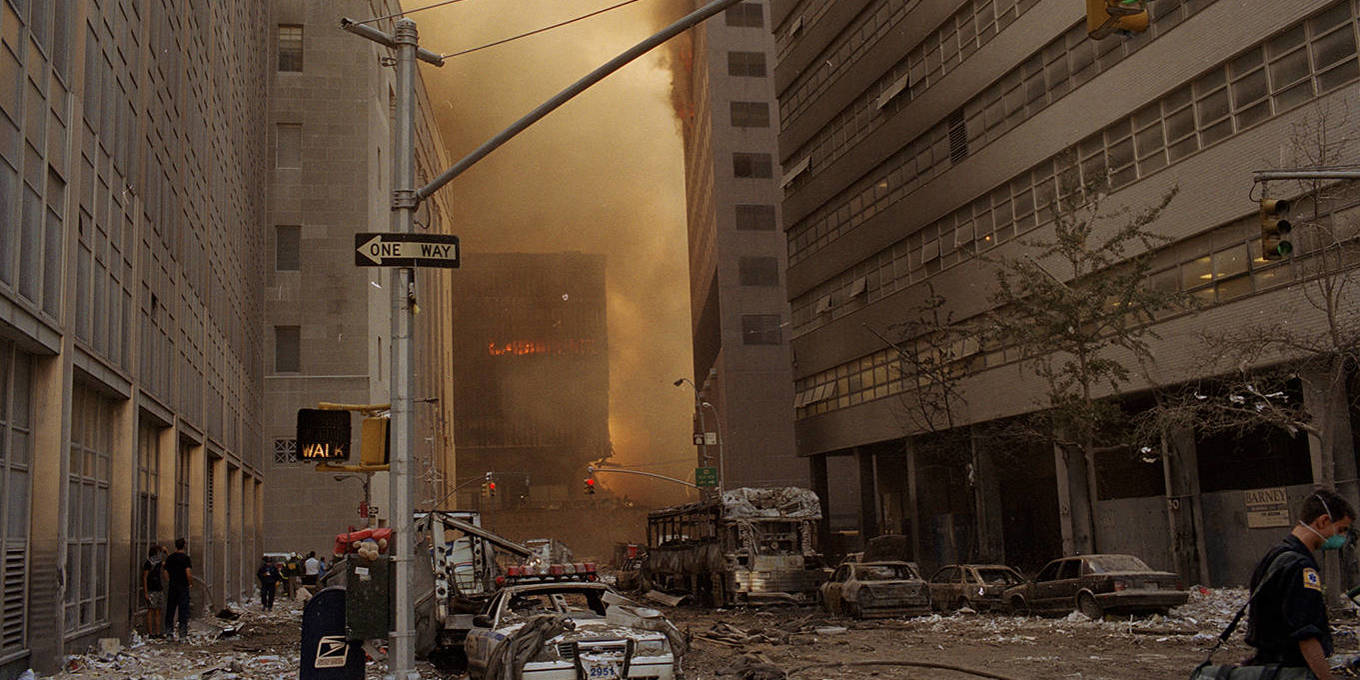
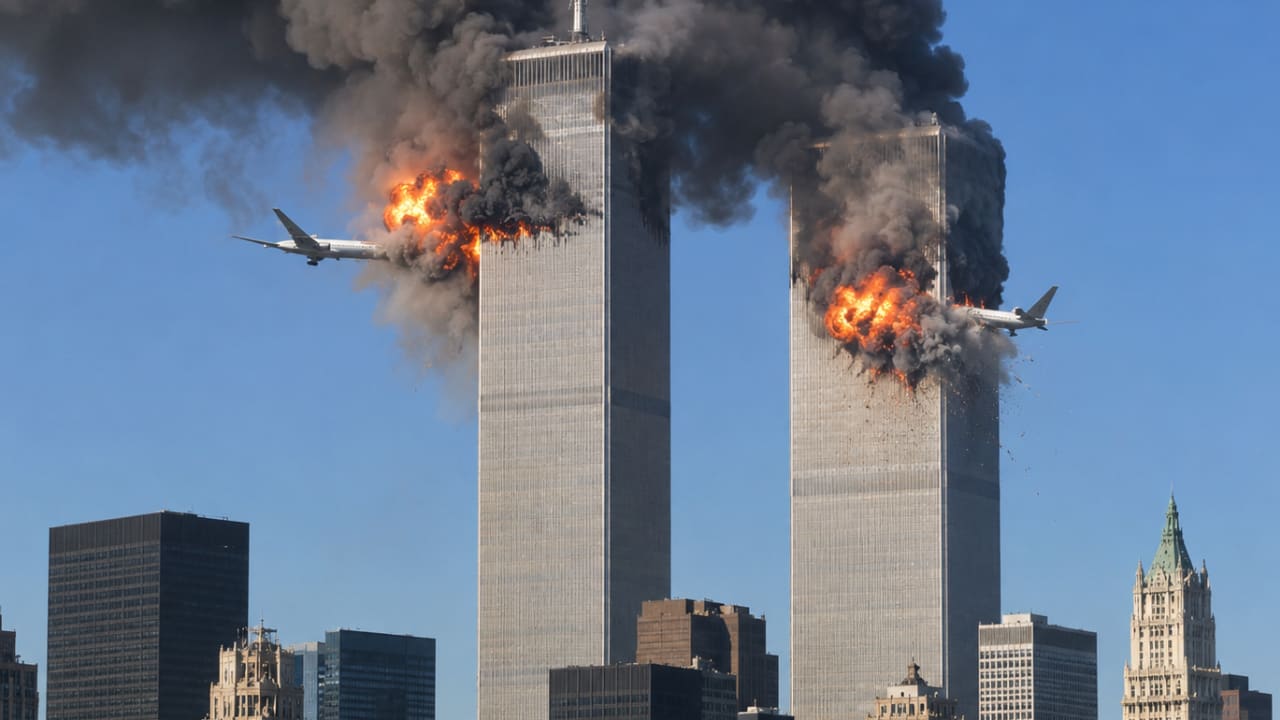
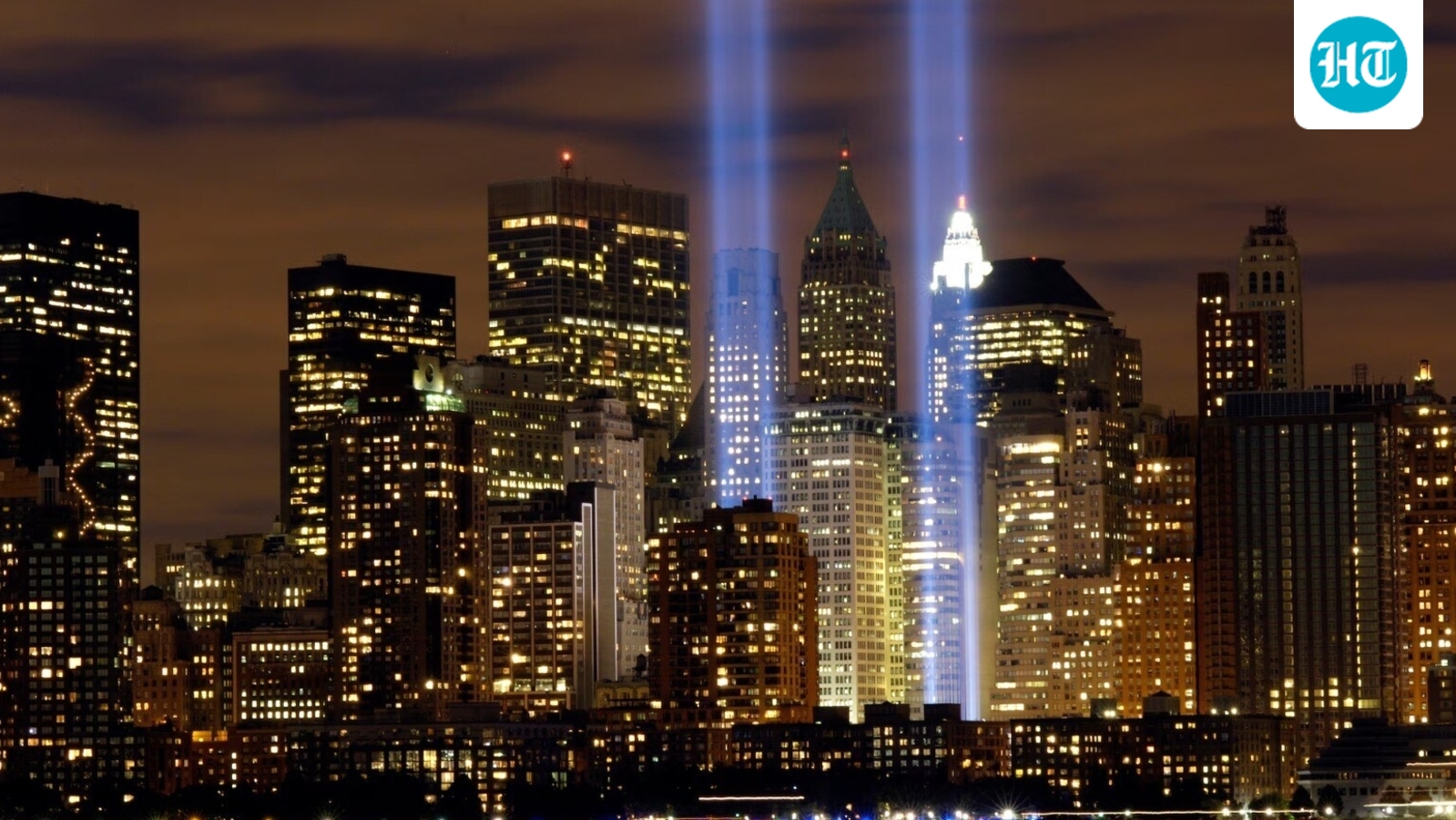
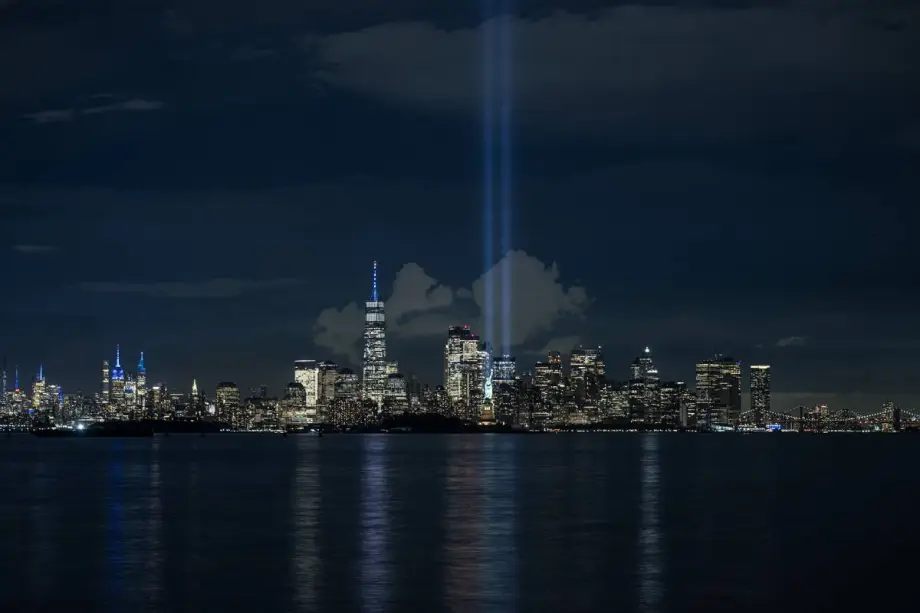
The 25 years since 9/11 have made that cataclysmic event seem ever more relevant. Not only did it anticipate a now-common view of an irrational world subject to terror and violence, it also prefigured a time when states could more easily make war than peace.
To understand why an international system of alliances that worked for decades could not stop the world from stumbling into prolonged spirals of death and destruction, it is necessary to insert 9/11 into its proper historical context. That requires linking it to 1989 and 1991, dates celebrating the fall of the Berlin Wall and the collapse of the Soviet Union as the triumph of liberal democracy. What was overlooked in the enthusiasm over these developments was the danger zones formed when an international infrastructure had not only outlived the purpose for its existence but also the logic for its operations.
That the Cold War’s demise brought immeasurable improvements in the quality of life of millions living under communism is clear. That these developments gave momentum to bursts of new freedoms is undeniable. Why such obvious and verifiable progress has not become the predicate for moving the world toward more harmony remains, however, a critical unanswered question.