You’ve probably all heard Andy Warhol's quote: “In the future, everyone will be world-famous for 15 minutes.”
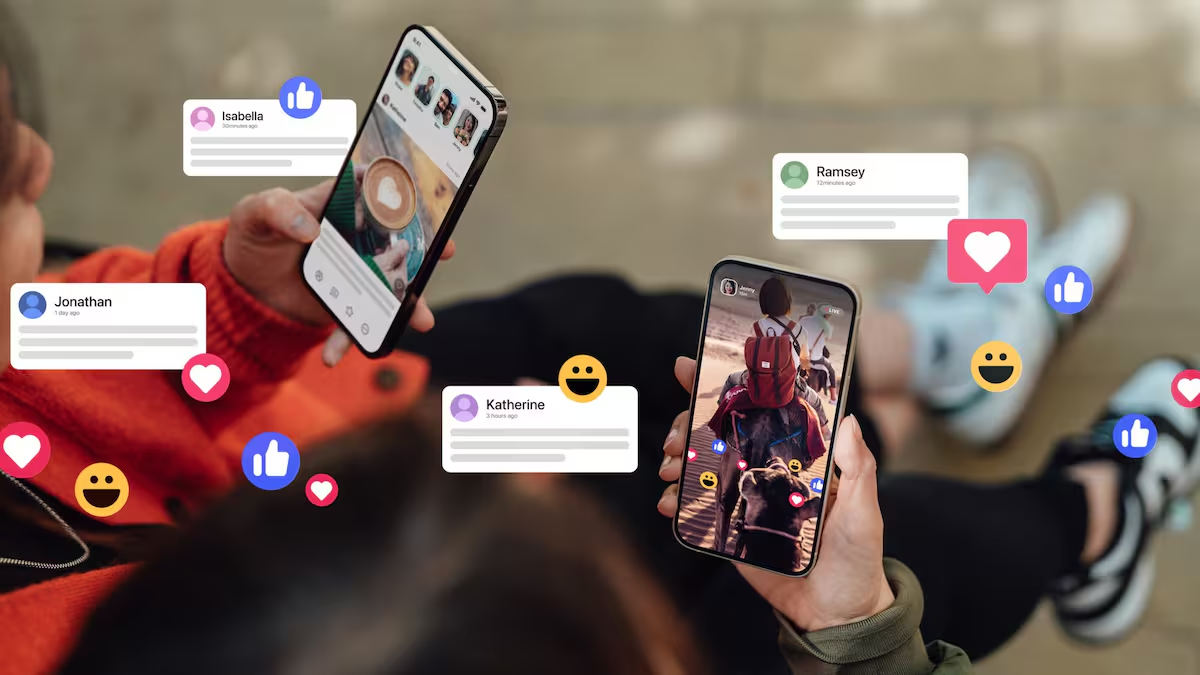
After social media entered our lives – somehow alongside the period following the Iraq War and Barack Obama’s presidential campaign – these networks, initially so innocent and designed to connect people, also gave rise to a wide range of new professions. Suddenly, we could find out who had gone where, what they had bought, which country they had chosen for their vacation and even how things were going in their marriages. And then came the people we call “influencers” – those whose influence, in essence, helps turn marketing into sales.
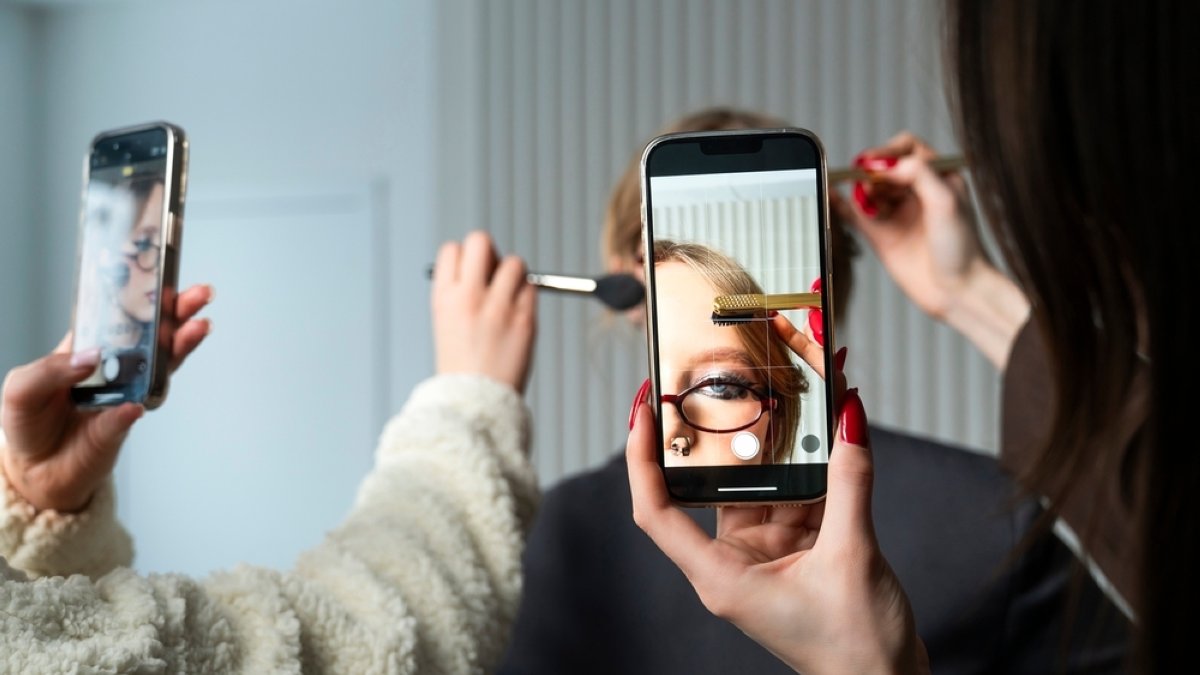
Before we knew what was happening, strangers whose identities, education and expertise we knew nothing about – essentially micro-marketers – had become our guides, making a great deal of money and suddenly emerging as a glamorous, popular group.
We followed them obsessively and, above all, began doing what they did and buying the things they bought. The fashion industry, in particular, became one of the sectors to benefit most from this phenomenon.
But what happened next? Just as every marketing tool that rises eventually declines, influencers, too, began to lose their appeal.