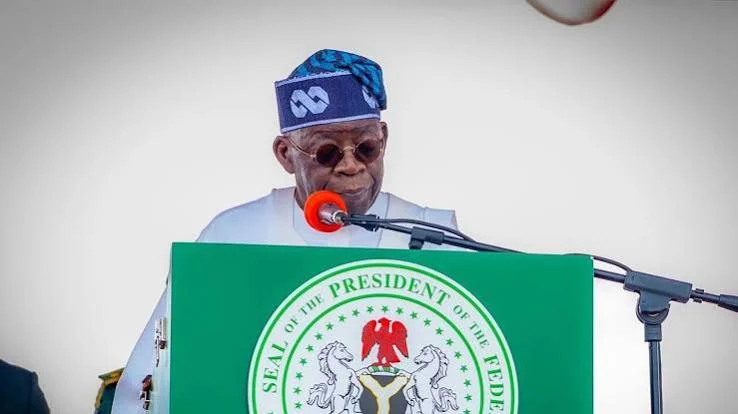
Coming from the Edo State off-cycle election of September 2024, the conclusion of the Osun State governorship election should not be treated merely as another electoral milestone. It should serve as a warning, particularly to politicians already positioning themselves for the 2027 elections, that President Bola Tinubu cannot guarantee anyone’s victory at the polls.
Any candidate entering the 2027 contest believing that proximity to the Presidency, membership of the ruling party or an assumed ability of the President to influence the Independent National Electoral Commission (INEC) will deliver victory is taking a dangerous political gamble. This time, the message should be simple – every candidate must prepare to win his or her own election.
This is not to suggest that concerns about political influence over electoral institutions are imaginary. Nigeria’s electoral history provides enough reasons for citizens and political actors to remain vigilant. But politicians who spend more time seeking political protection in Abuja than building genuine support among voters may wake up after the election to discover that the political insurance they expected does not exist.
The Osun experience provides important lessons, as findings from Enough is Enough (EiE) Nigeria, based on 532 polling-unit reports across 12 local government areas, described an election that was largely peaceful but exposed familiar weaknesses (delayed deployment of personnel and materials, failures involving the Bimodal Voter Accreditation System (BVAS), accessibility problems, threats to ballot secrecy, voter intimidation and allegations of vote buying).