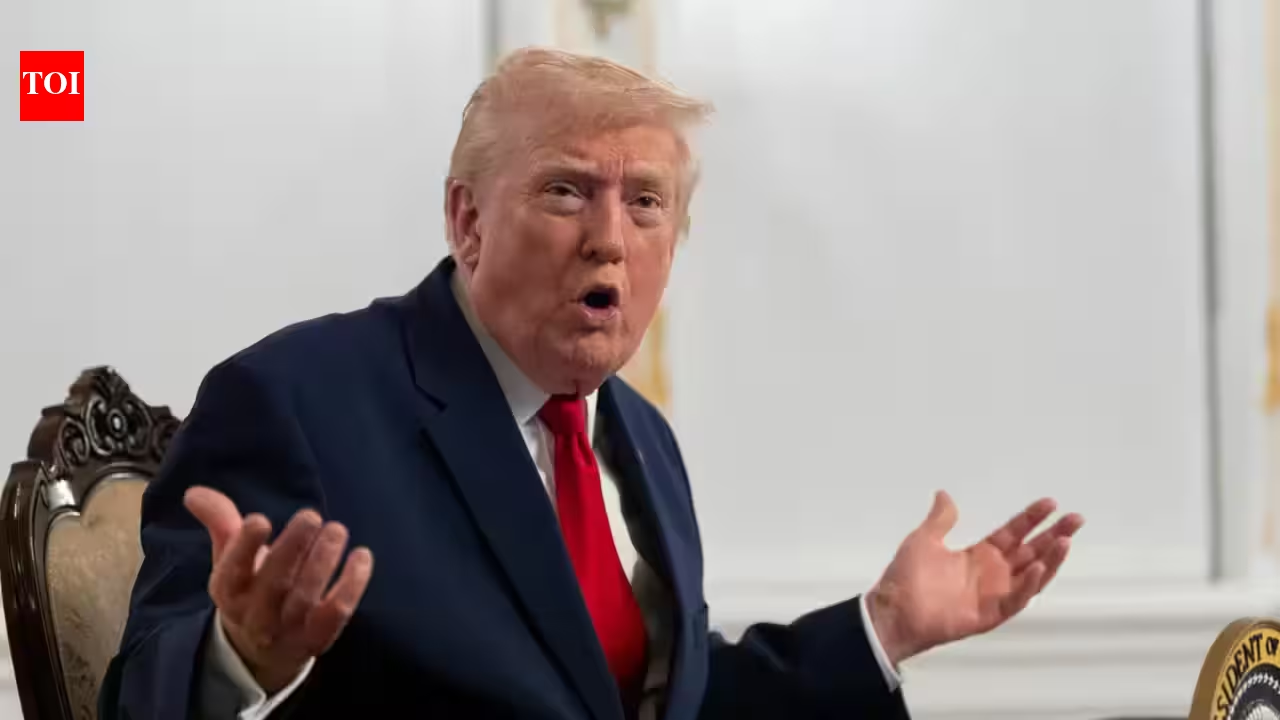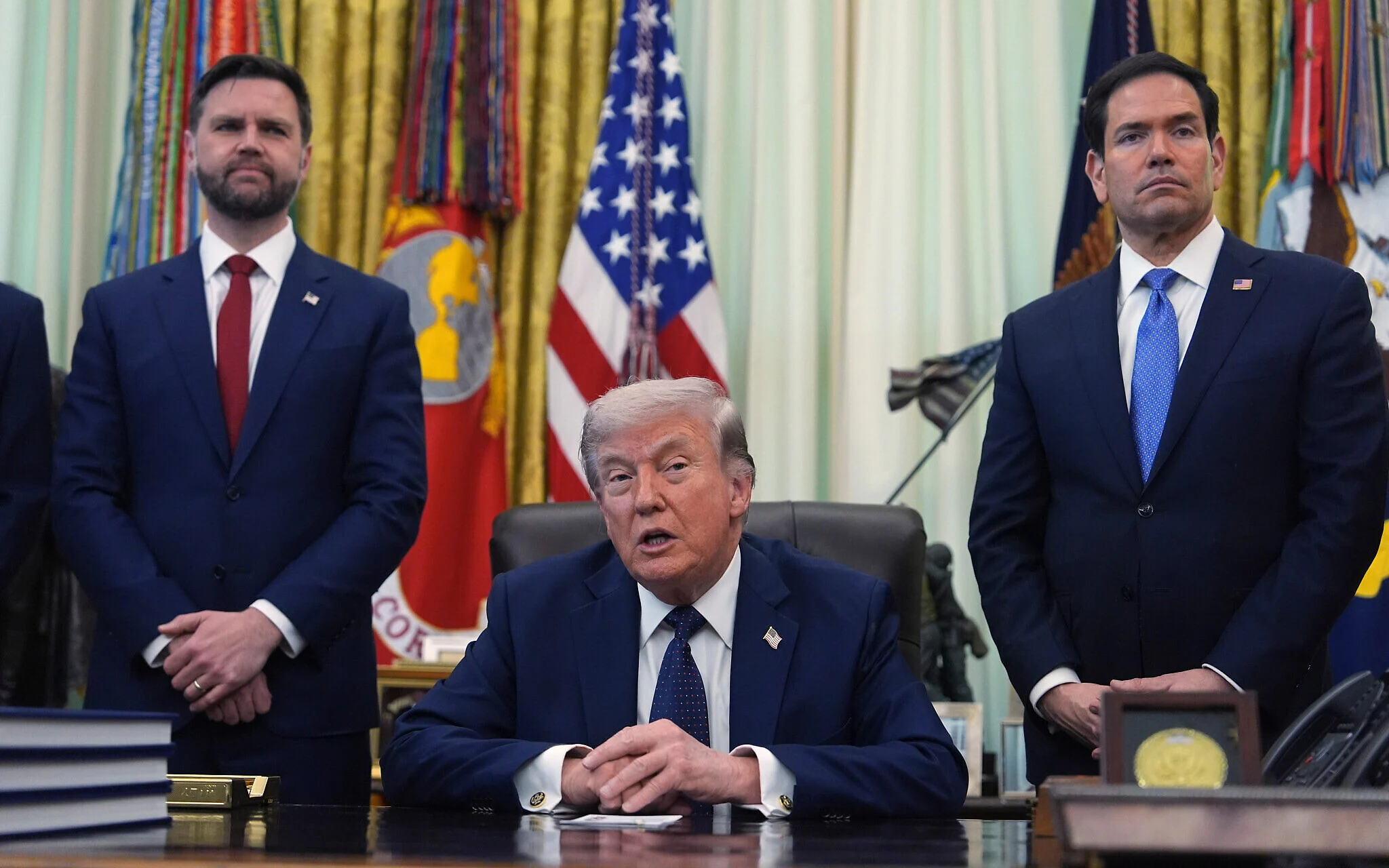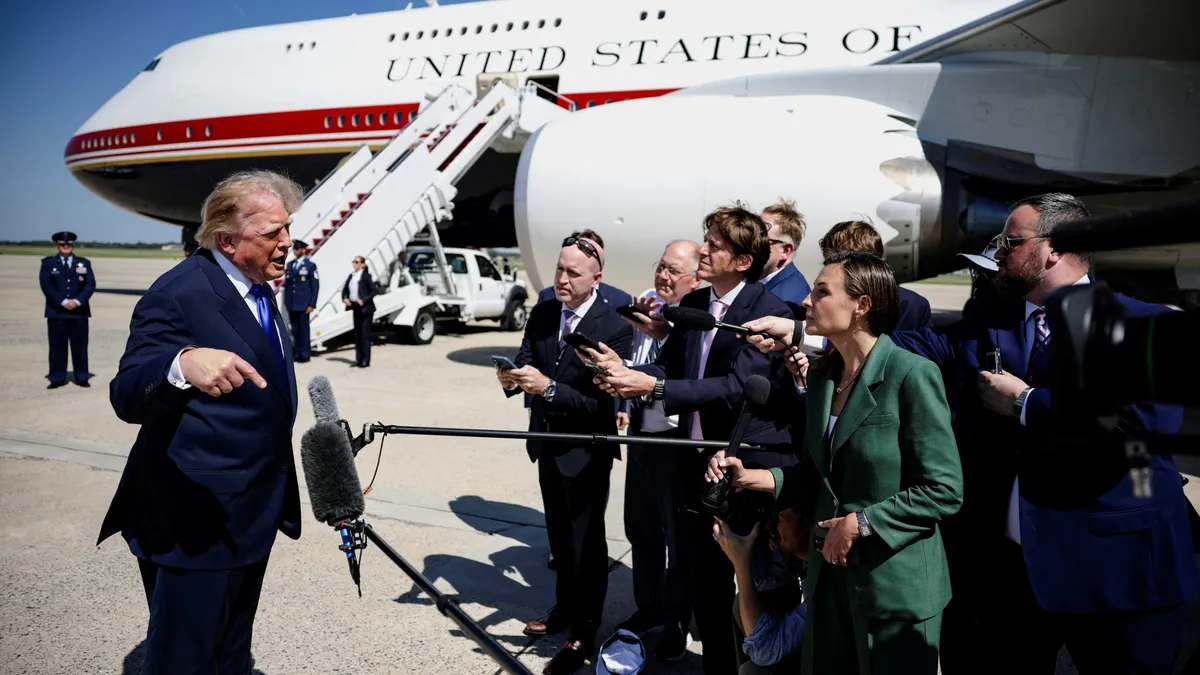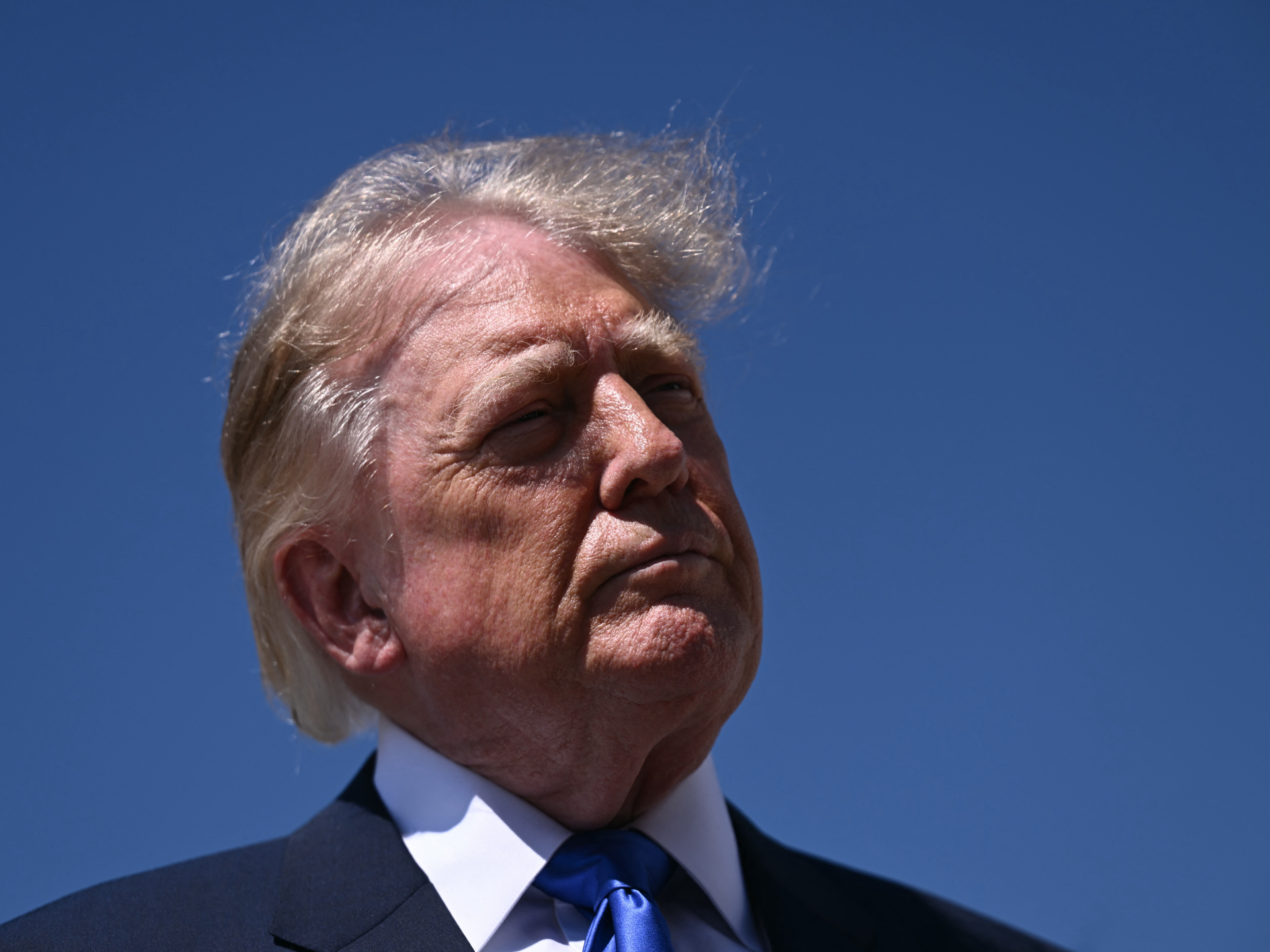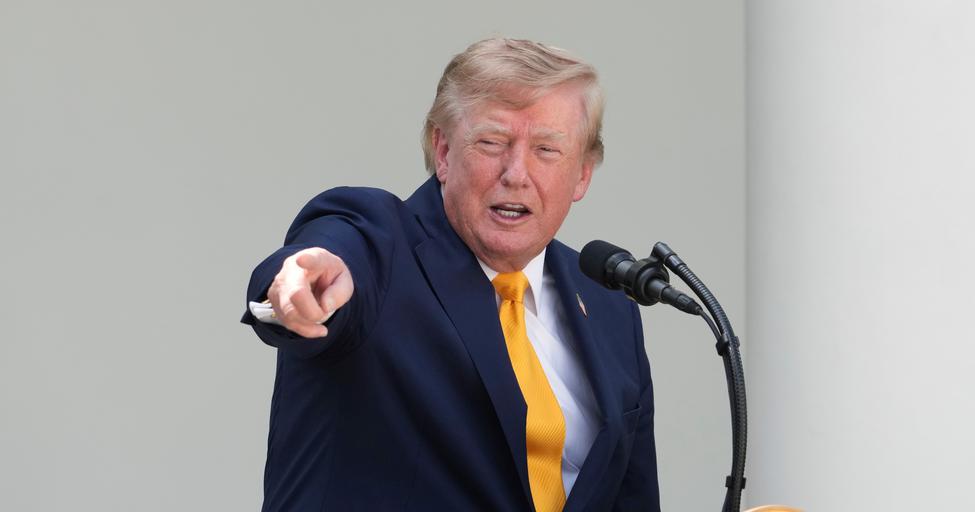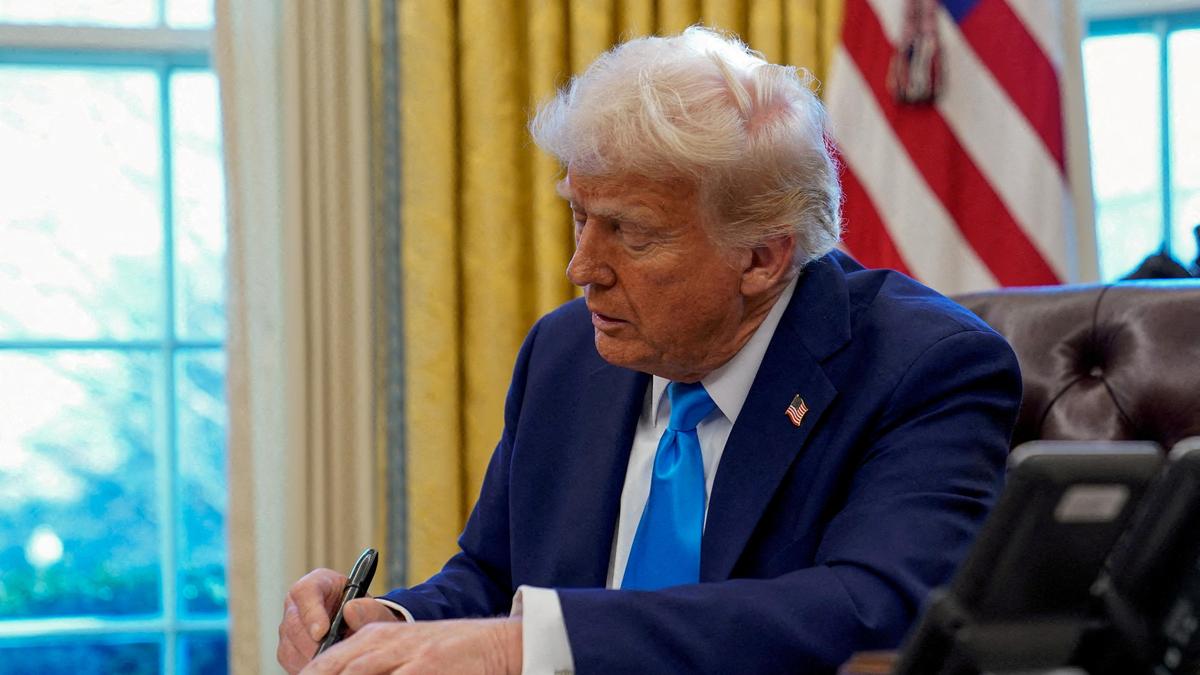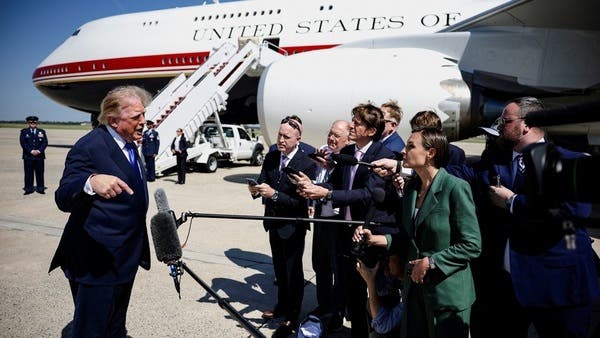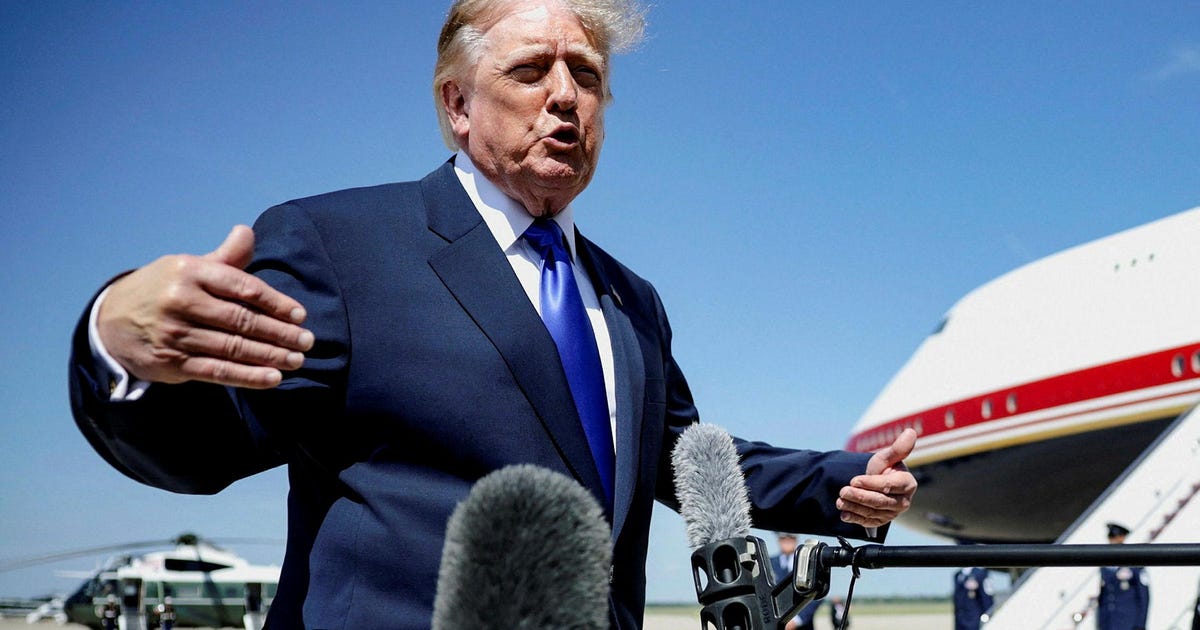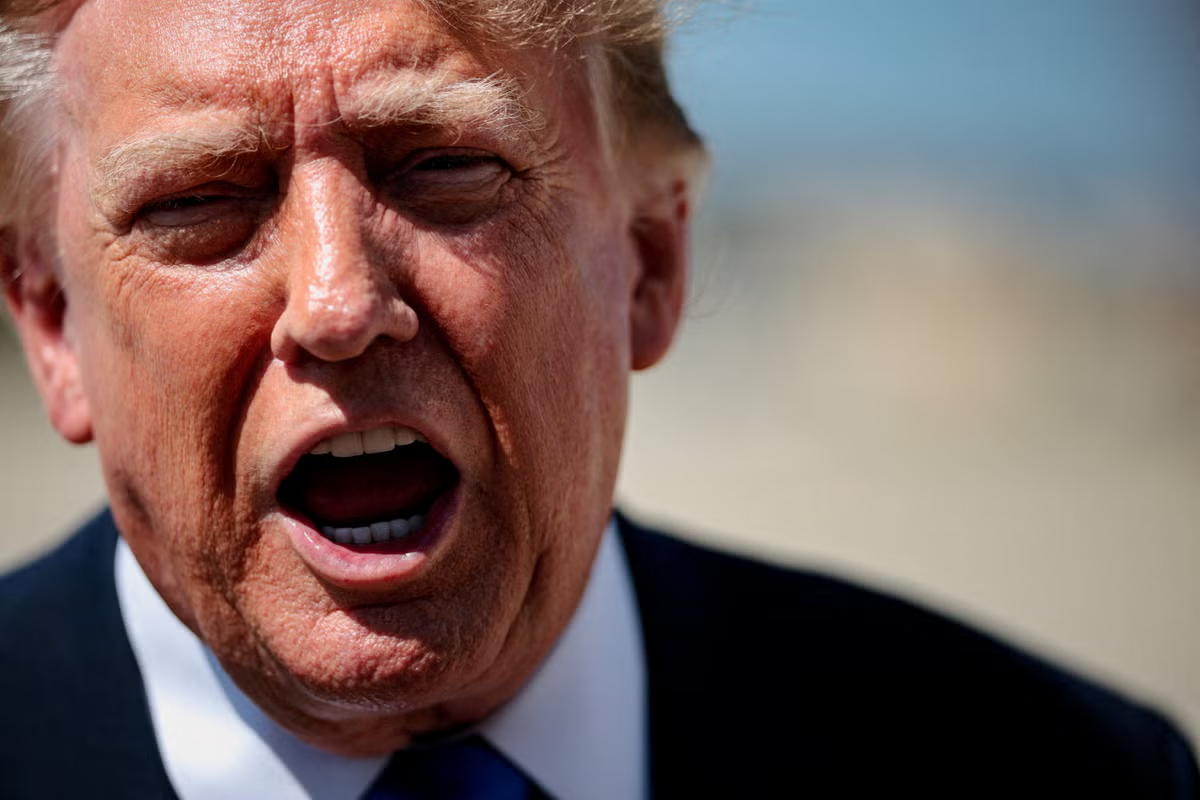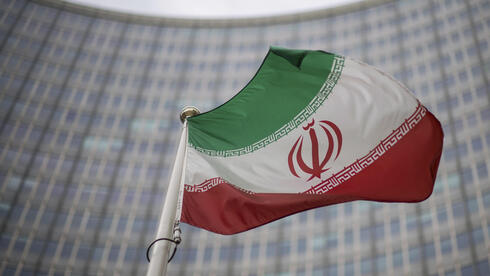
US president promised war would end ‘immediately’ after midterm elections in November; But Wall Street Journal reports senior officials warned president the conflict could continue until end of his term; comes amid speculation that Trump will restart the warU.S. President Donald Trump made an intriguing statement Wednesday night, saying the war with Iran would end “immediately” after the midterm elections, which will be held November 3. But The Wall Street Journal reported overnight between Wednesday and Thursday that senior officials had warned him the conflict could instead continue until the end of his term in 2029.U.S. officials who spoke with the newspaper said the warning had also been voiced by Vice President JD Vance and Secretary of State Marco Rubio, who cautioned in closed-door discussions that Tehran could withstand U.S. pressure, both from the blockade and from “other military tactics” — a scenario that could prolong the confrontation beyond the inauguration of the next president in January 2029.Trump: War on Iran will end immediately after midterm elections (Video: Reuters)The report was published hours after Trump’s surprising declaration, which came after he was asked about the surge in oil prices following the renewed escalation with the Islamic Republic, as crude oil prices crossed the $100-a-barrel mark Wednesday. Trump said the price would fall — but only after the midterms.His remarks came against the backdrop of assessments previously voiced by commentators and Israeli officials that after the elections — once the political pressure on Trump to avoid price increases that could hurt Republicans’ chances of preserving their narrow majorities in both houses of Congress has eased — the president may resume intensive military action against Iran.Speaking with reporters before departing for a Republican conference in Dallas ahead of the elections, in which control of Congress is at stake, Trump was asked why he believed the war would end immediately afterward. In response, he attacked Democrats hoping to regain control of the House and Senate.“Because they [the Iranians] can’t hold on anymore. They’re desperate to try to influence the election, so that we get a nice, weak group of people in there [meaning the Democrats], who will leave them alone and allow them to get their nuclear weapon. All they want is a nuclear weapon, and if they get a nuclear weapon, the whole world will be in very serious trouble.”GalleryTrump asserts that the war with Iran will end immediately after midterm elections(Photo: Brendan Smialowski/ AFP)Before boarding his new Air Force One — the aircraft he received as a gift from Qatar — Trump was forced to wait about 10 minutes while the plane’s emergency slide was inspected after it deployed in front of photographers covering the president.Trump was asked about it and said “they were just doing a check.”“They checked it earlier, and they wanted to make sure. I assume they’ve already put it back up, they wanted to see that everything works perfectly,” he said.Asked whether it was safe for him to board the aircraft — against the backdrop of the unusual incident in July in which he was secretly transferred by truck from the Qatari aircraft to an alternate plane in Turkey, out of concern over an Iranian attack — he replied: “Yes, otherwise I wouldn’t be on it.”Trump takeoff on plane gifted to him by Qatar delayed after the emergency slide deployed(Photo: Jacquelyn Martin/AP)Oil prices climbed about 3% Thursday following the renewed escalation with Iran, which is believed to be seeking to intensify the confrontation in an effort to raise the price Trump pays for the blockade he is imposing on it, as he tries to force Tehran into submission by worsening its economic distress.Iran has escalated its recent actions and, according to reports, is now trying, unlike in its previous attacks during the war, to hit U.S. warships as much as possible. In recent days it has fired ballistic missiles at them several times, so far without success.The United States has vowed to respond to each such attack by destroying Iranian oil tankers in retaliation and on Wednesday struck five such tankers, disabling them, after attacking three more tankers on Saturday.Iran responded by launching 20 missiles at U.S. targets in Jordan, and the interceptions over Jordan were visible from Israel.The Jordanian military said it intercepted 18 of the 20 missiles, and U.S. officials told The New York Times on Thursday evening that “minimal” damage had been caused to U.S. military equipment at a base in the kingdom. The officials added that there were no known casualties, though soldiers could report injuries in the coming days.Meanwhile, for the first time in 20 years, the Board of Governors of the International Atomic Energy Agency (IAEA) voted Thursday evening to refer Iran to the U.N. Security Council after determining that Tehran was violating its obligations under the Nuclear Non-Proliferation Treaty.The move is not expected to have practical consequences such as new sanctions, because any such proposal would almost certainly be blocked by Iran’s allies China and Russia, which hold veto power on the Security Council. But referring the issue to the U.N.’s highest body is viewed as a diplomatic escalation by the West, and Tehran has threatened to respond. The Iranian flag waves in front of the IAEA headquarters in Vienna, and an inspector from the nuclear agency(Photo: AP)The proposal to refer Iran to the Security Council was led by the United States, Britain, France and Germany and was approved by 23 of the IAEA Board of Governors’ 35 member states.According to reports, only three countries — Russia, China and Niger — voted against the measure at IAEA headquarters in Vienna. Eight abstained and one did not participate in the vote.The move is a direct continuation of a previous IAEA resolution from June 12, 2025 — one day before Israel launched Operation Rising Lion against Iran, at the end of which the United States bombed Iran’s main nuclear facilities — which determined that Iran was violating its obligations under the Nuclear Non-Proliferation Treaty.Those violations relate to IAEA investigations that have been underway for years into traces of uranium found at several undeclared nuclear sites in Iran. The investigations began following the Mossad’s exposure of Iran’s “nuclear archive” in 2018, and the suspicion is that the sites were previously used for Iran’s military nuclear program, a program Tehran officially denies ever having operated.It was previously reported that the program was shut down in 2003, but Israel has accused Iran of continuing it afterward.Iran has previously expressed anger over IAEA resolutions against it, claiming they effectively provided Israel with a pretext to attack, and dramatically curtailed cooperation with nuclear inspectors, who have not been permitted to visit the nuclear sites since they were bombed last June.Iran’s refusal to cooperate with the IAEA and allow its inspectors access to nuclear facilities has now become a new focal point of friction, leading to another resolution against the Islamic Republic in June this year, in which the Board of Governors demanded that Iran reveal what happened to its enriched uranium stockpile. centrifuges at Natanz, before the facility was bombed in June 2025(Photo: AP)It was previously reported that a large portion of the enriched material had been buried deep underground near the nuclear facility struck in Isfahan. But Iran has not allowed the IAEA to access that site or the other facilities attacked, Natanz and Fordow, where enriched uranium may also have been buried.The question of the enriched uranium has remained a central issue since the outbreak of Operation Lion’s Roar at the end of February this year, and the fact that it remains deep underground in Iran is seen as a significant failure to achieve one of the war’s main objectives — destroying the Iranian nuclear threat.The concern is that Iran could retrieve the material from underground and, relatively simply and quickly, enrich it to weapons-grade levels at a secret location — perhaps the facility at “Pickaxe Mountain,” which has been dug to great depth and may therefore be protected from bunker-busting bombs.Although the referral to the Security Council is not expected to have practical consequences, Iran threatened Monday to retaliate against such a decision.So far, the ayatollah regime has not announced any concrete response, but Iranian Deputy Foreign Minister Kazem Gharibabadi criticized the move.“They attack Iran’s nuclear facilities, which are under safeguards, disrupt the proper verification process, and then use that very disruption as a pretext to pass a resolution at the Board of Governors. Through such maneuvers, you will not be able to compensate for the failure of your policies and actions, nor achieve any results at the Security Council.”A statement issued Thursday evening by Iran’s mission to the IAEA also made no mention of any retaliatory action.“Once again, a political resolution concerning Iran has been adopted by the IAEA Board of Governors without consensus,” the Iranian delegation to the international nuclear agency said.“The current situation was created solely by the criminal acts of aggression of the United States and the Israeli regime. The delusional goal of the United States, to force the great Iranian people into ‘surrender’ and plunder its oil, will never be realized,” the statement added.
Trump was warned: Iran war could last until end of his term in 2029
US president promised war would end ‘immediately’ after midterm elections in November; But Wall Street Journal reports senior officials warned president the conflict could continue until end of his term; comes amid speculation that Trump will restart the war
1,515 words~7 min read