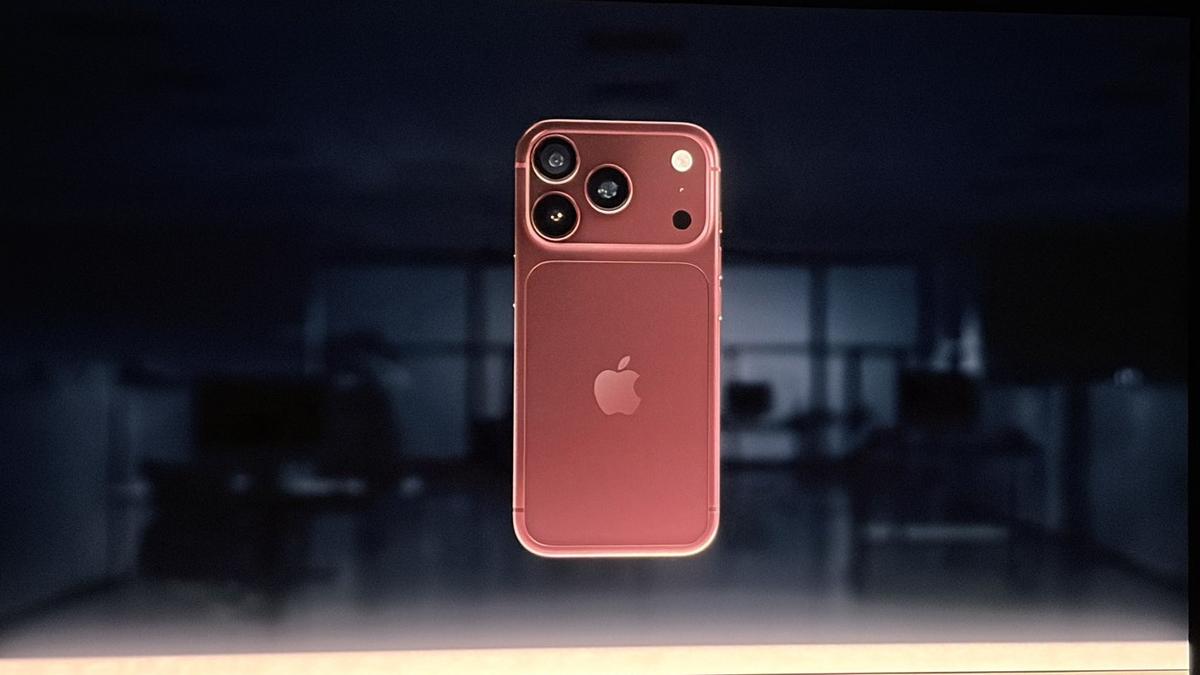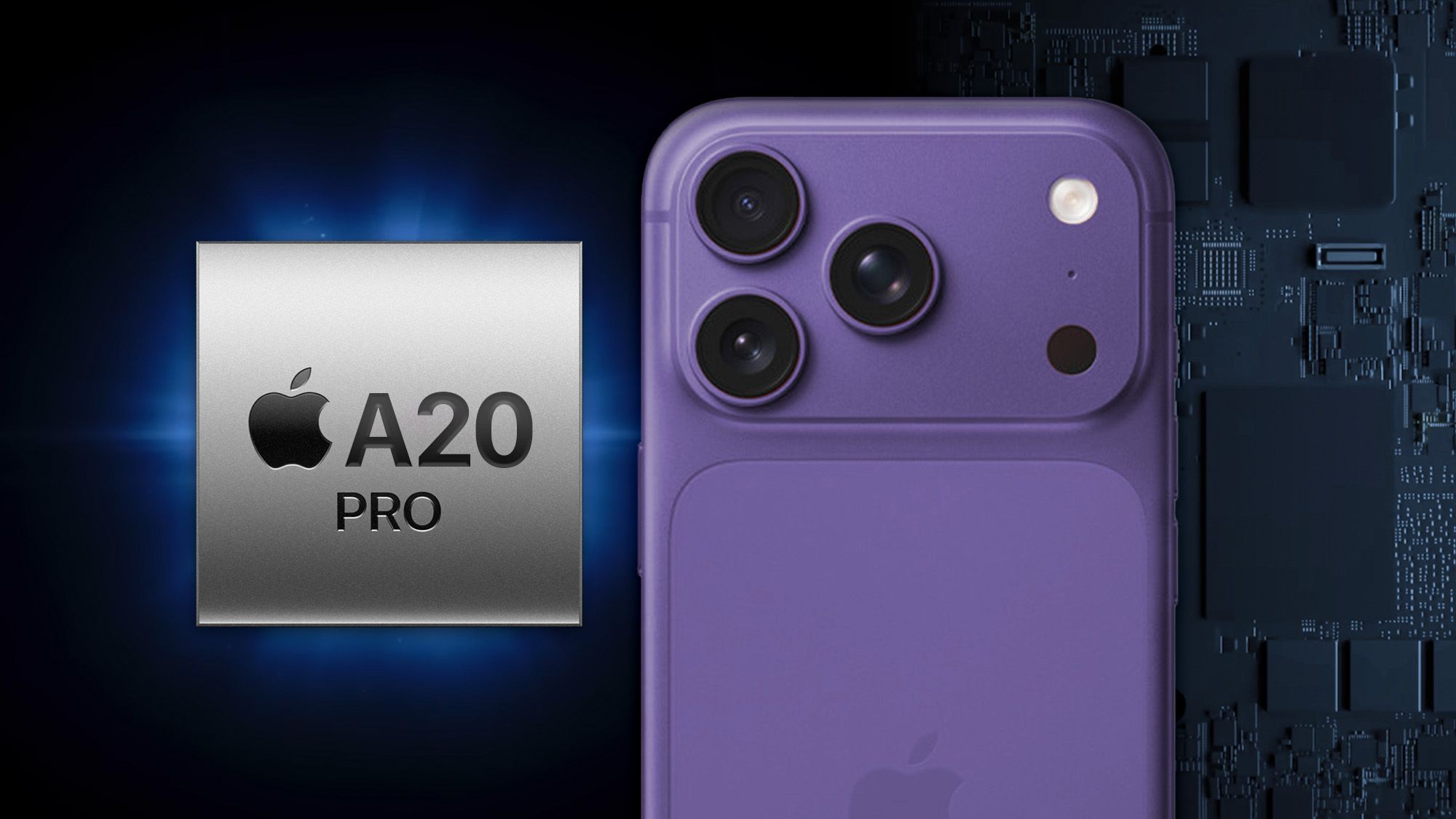
Link CopyTwitterLinkedinWhatsappA20 Pro Explained: Inside Apple's First 2nm iPhone ChipThe A20 Pro is Apple's first 2nm iPhone chip, built on TSMC's N2 process and announced on 9 September 2026 in the iPhone 18 Pro. It pairs a 6-core CPU with a 7-core GPU and a Dual 16-core Neural Engine totalling 32 cores. Memory bandwidth rises 50 per cent, and sustained speed rises up to 40 per cent.Apple’s A20 Pro brings 2nm technology, 50% higher memory bandwidth, faster graphics and major AI performance gains to iPhone 18 Pro.Apple gave the A20 Pro about six minutes of its keynote and left the best part out. The chip is the first Apple has put in an iPhone on a 2-nanometer process. The headline figures went past at speed. A 6-core CPU with two new super cores. A 7-core GPU up to 40 per cent faster. A second Neural Engine, and 50 per cent more memory bandwidth. Sribalan Santhanam, who runs Apple's silicon engineering group, presented the chip and called it "an exceptional chip". Apple skipped the part explaining where those gains come from. That 50 per cent bandwidth number looks like a change in bus width rather than clock speed. The sustained-speed gain comes from moving memory off the chip's heat path, which is a packaging decision rather than a silicon one. The node itself costs Apple about $30,000 a wafer. That is a large part of why the iPhone 18 Pro costs $100 more than last year, and Rs 30,000 more in India. The chip explains the price rise better than any line in the film did.Key HighlightsA20 Pro is Apple's first 2nm iPhone chip, on TSMC's N2 process, with a 6-core CPU and a 7-core GPU.A Dual 16-core Neural Engine takes the total to 32 cores and doubles the AI throughput of the A19 Pro.N2 wafers run at about $30,000 against $18,000 to $20,000 for 3nm, which lands on the retail price.What Apple Put In The A20 ProSanthanam took the silicon segment of the keynote film after the Siri section. The 6-core CPU pairs two new super cores with four efficiency cores. Apple puts the super cores up to 20 per cent ahead of the A19 Pro. It calls them "desktop class" and "the fastest CPU in a smartphone". Each of the four efficiency cores holds a neural accelerator for low-latency AI work.About The AuthorAt heart, I am a storyteller drawn to the watershed moments that bend the technology landscape. I braid narrative with data, humanise statistics, and trace the arc from first spark to world-changing impact. My reportage, features and reviews are witty, sardonic, visual and vivid, using anecdote to illuminate rather than eviscerate.
A20 Pro Explained: Inside Apple's First 2nm iPhone Chip
The A20 Pro is Apple's first 2nm iPhone chip, built on TSMC's N2 process and announced on 9 September 2026 in the iPhone 18 Pro. It pairs a 6-core CPU with a 7-core GPU and a Dual 16-core Neural Engine totalling 32 cores. Memory bandwidth rises 50 per cent, and sustained speed rises up to 40 per cent.
TL;DRAI
A20 Pro (iPhone 18 Pro, Sept. 2026) is Apple's first 2nm chip with Dual 16-core Neural Engine; +50% bandwidth, doubled FP8 AI throughput. $30K N2 wafers explain $100 price premium; doubled Neural cores reshape mobile LLM inference, shifting IT budget allocation.
3,509 words~16 min read