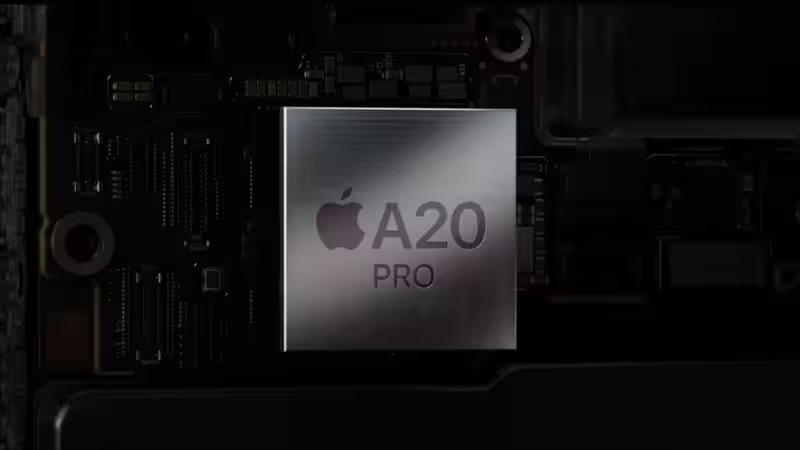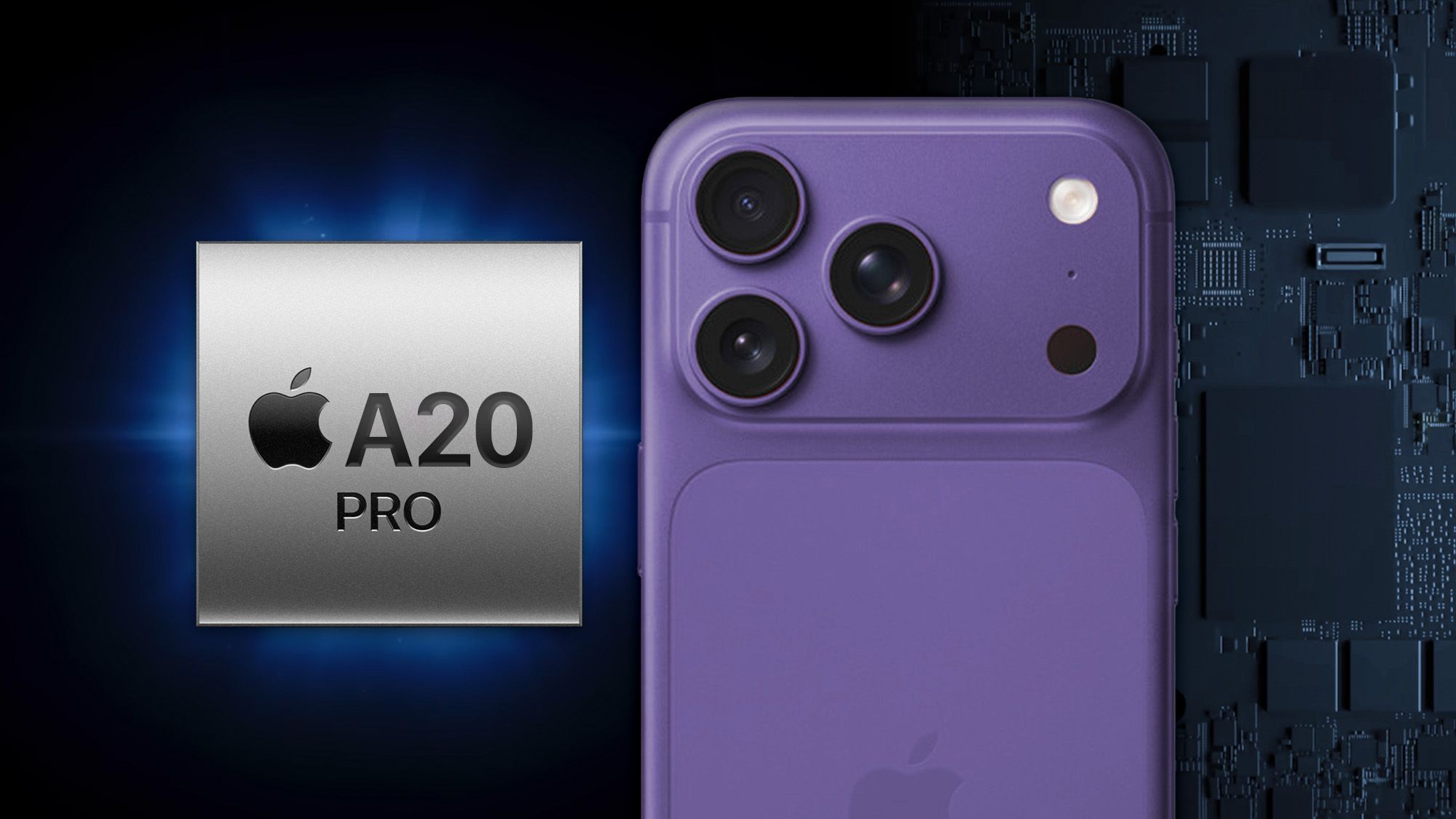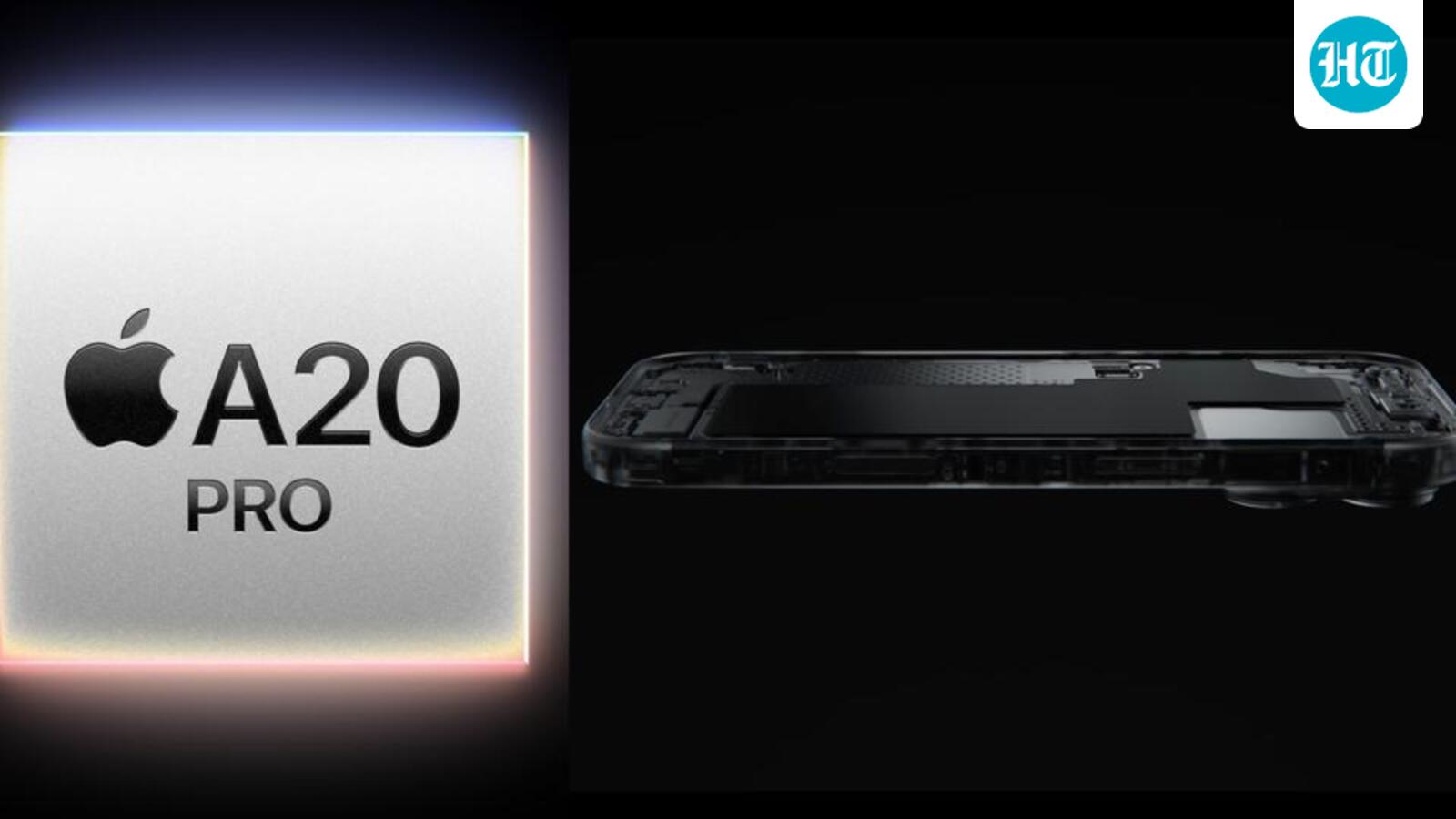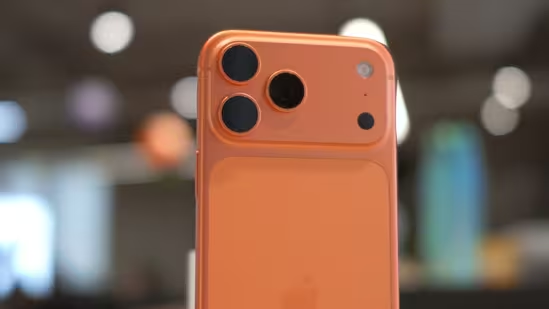
Apple has announced the A20 Pro, its first iPhone chip built on TSMC’s 2nm N2 process node. The processor represents the biggest manufacturing leap in Apple silicon since the company moved to 3nm with the A17 Pro in 2023, and it arrives at a moment when Samsung has already entered the 2nm race with its own Exynos 2600.
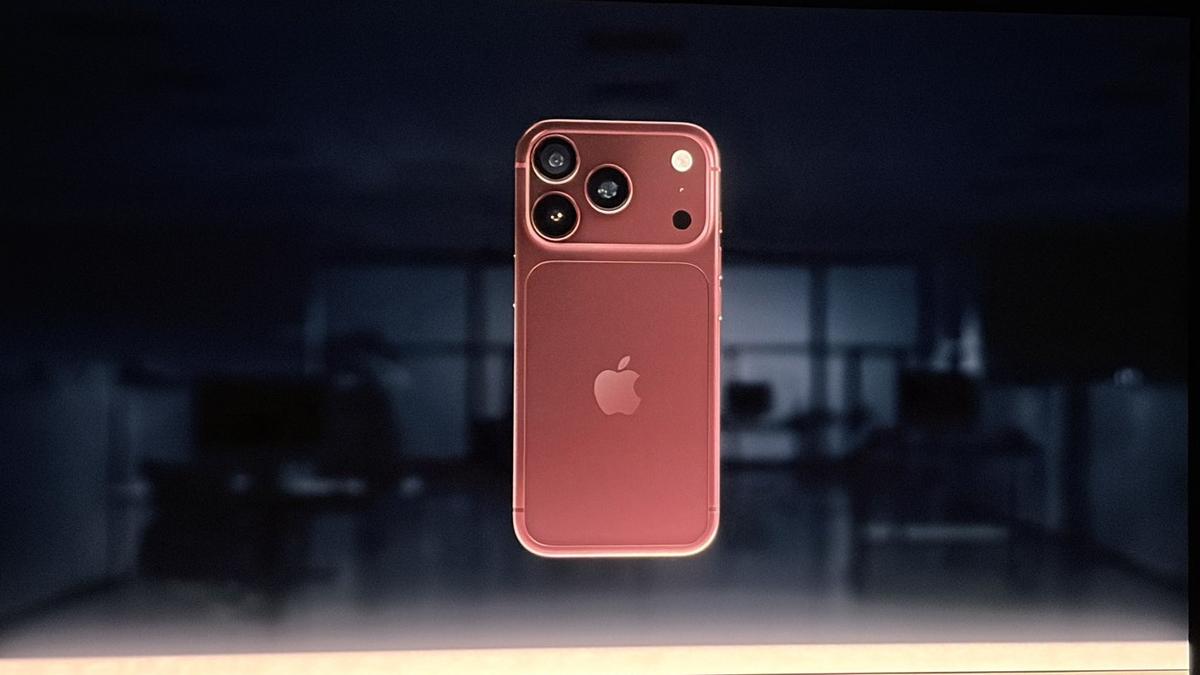
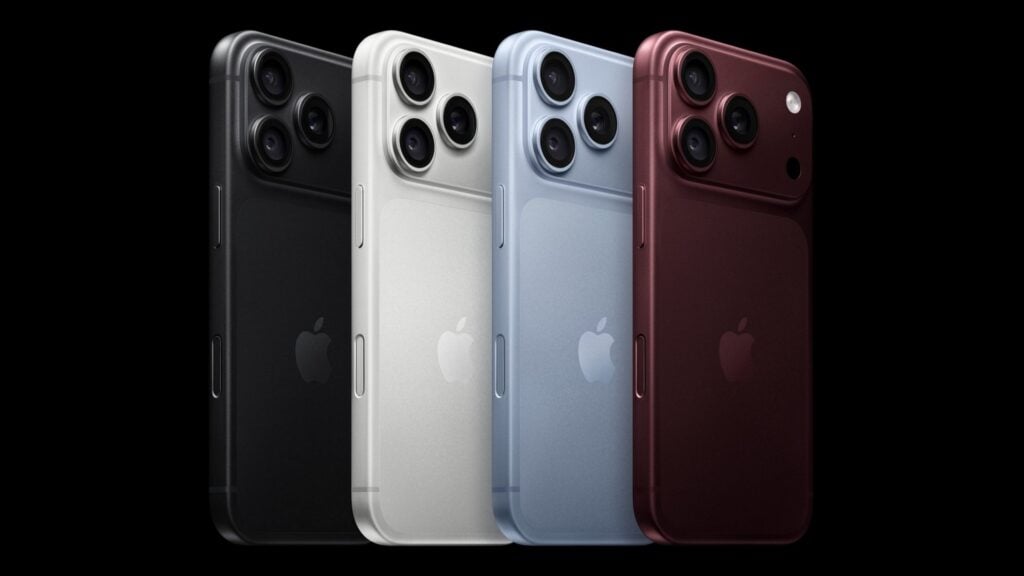
The A20 Pro is expected to ship inside the iPhone 18 Pro, iPhone 18 Pro Max, and, notably, what would be Apple’s first foldable iPhone. All three devices are tied to Apple’s September 9, 2026 “Surprise and Shine” event.
What 2nm actually means for performance
TSMC’s N2 process is projected to deliver a 10-15% speed increase at the same power levels compared to the previous N3E node. Flip that equation around and you get something arguably more useful for a phone: a 25-30% reduction in power consumption while maintaining the same performance.
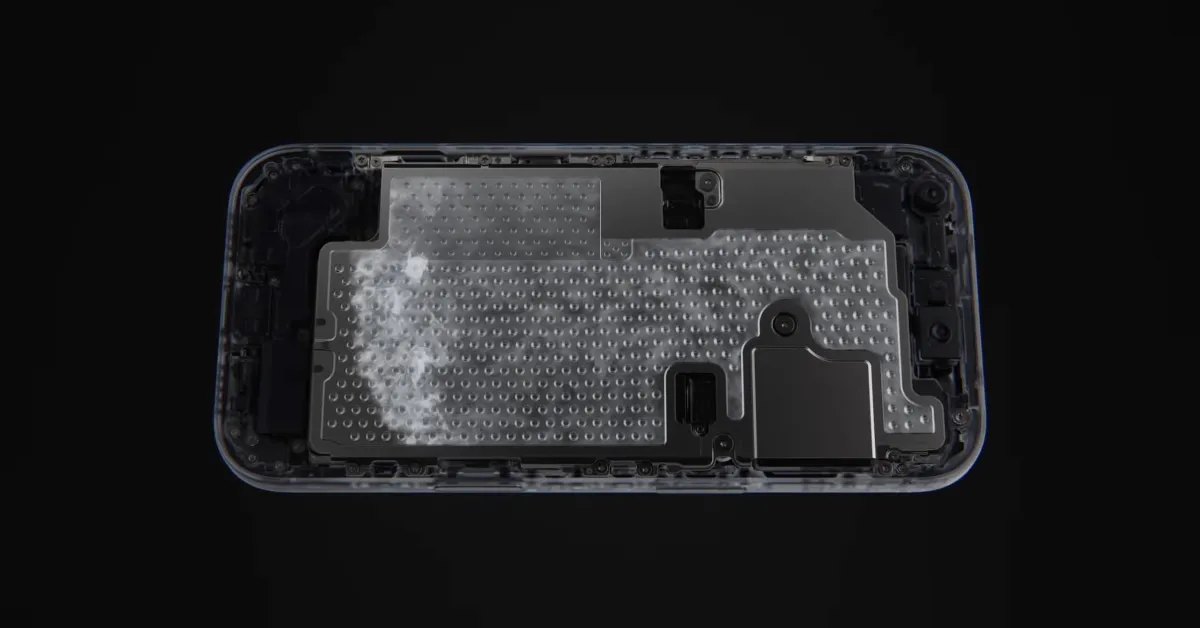
The A20 Pro also introduces WMCM (Wafer-Level Multi-Chip Module) packaging, which supports a wider 96-bit memory bus. That’s a jump from the 64-bit bus in prior iPhone chips. The result is roughly a 50% increase in memory bandwidth, paired with LPDDR5X memory. The A20 Pro is expected to pack a 7-core GPU. Better thermal management is another anticipated benefit of the new packaging approach.