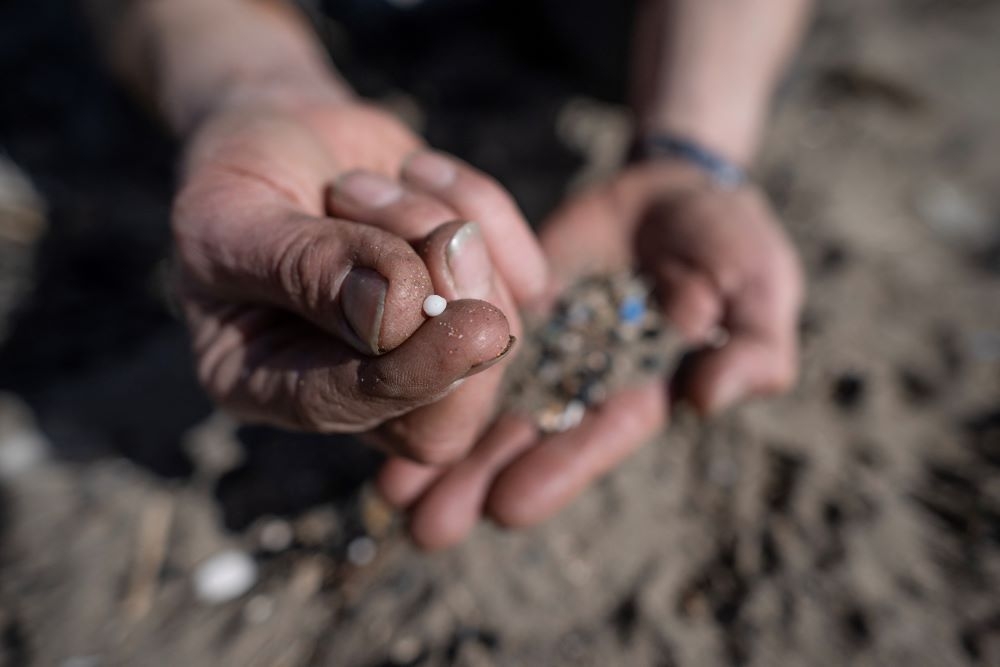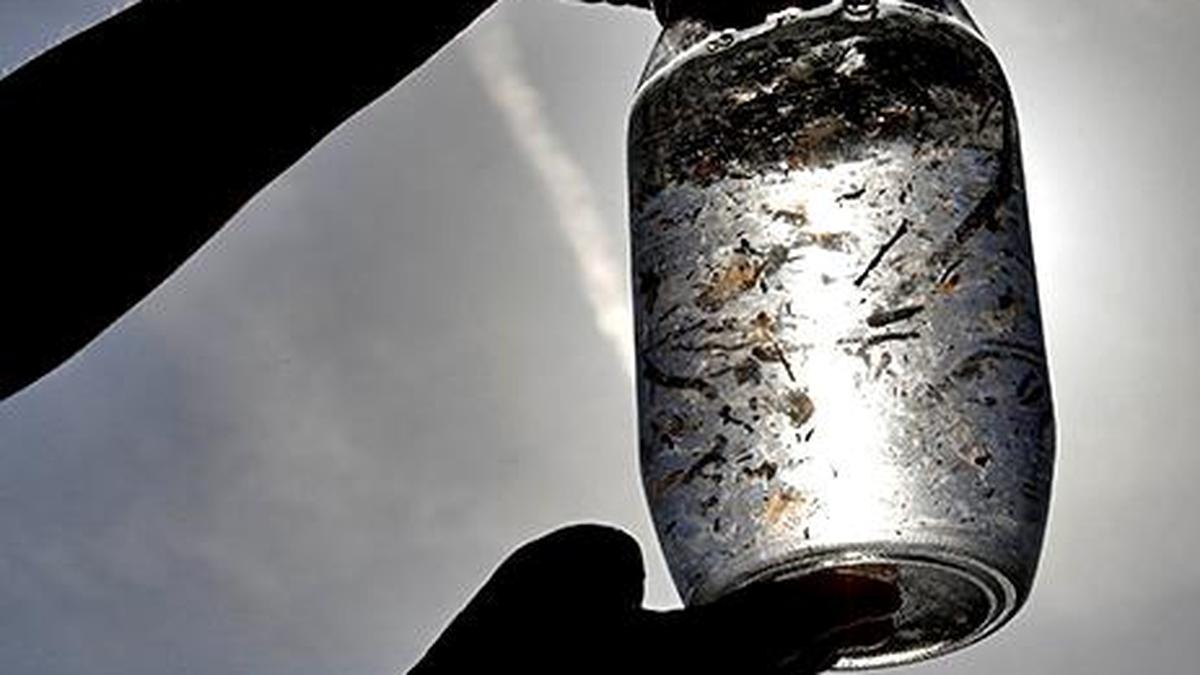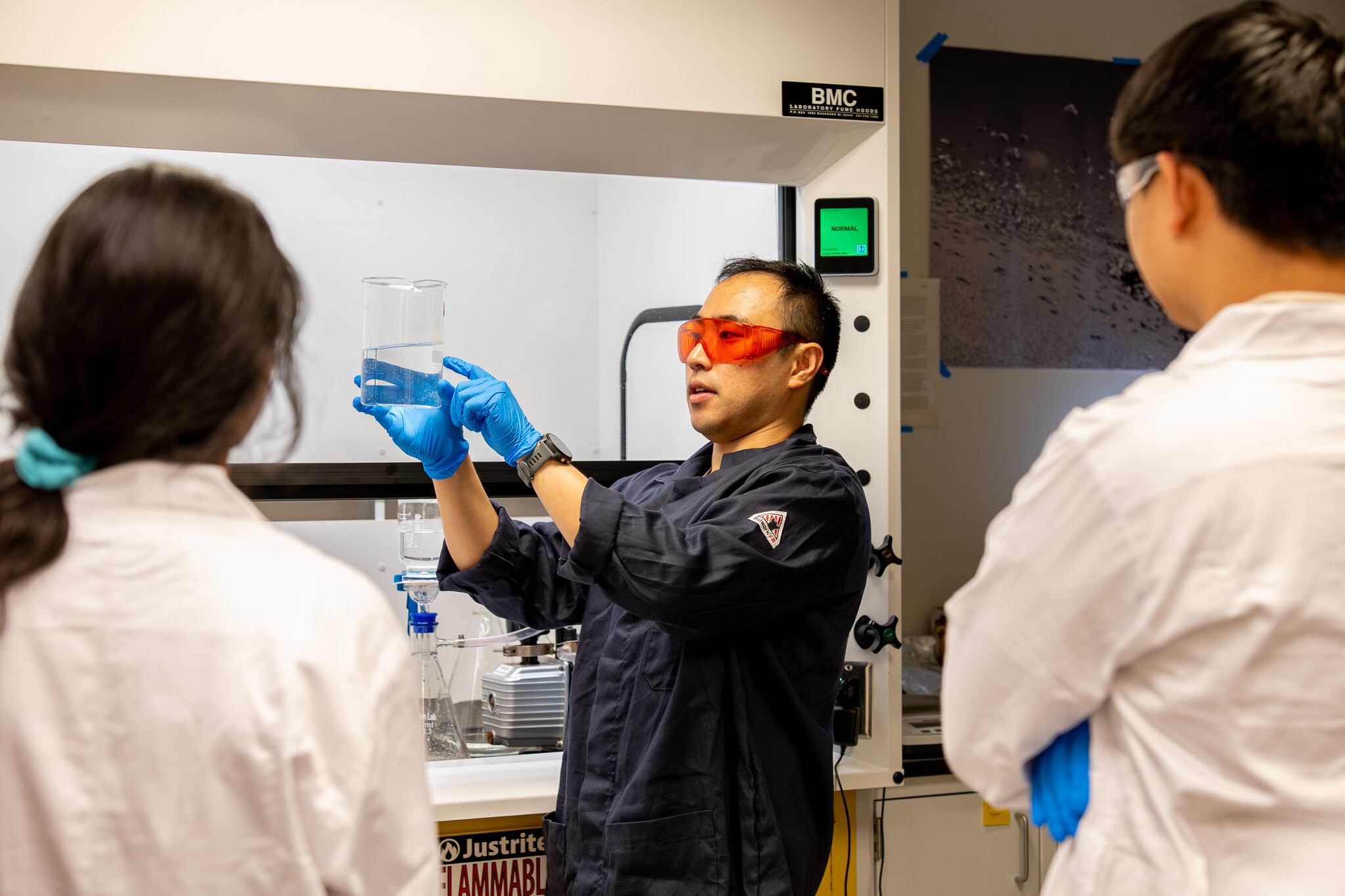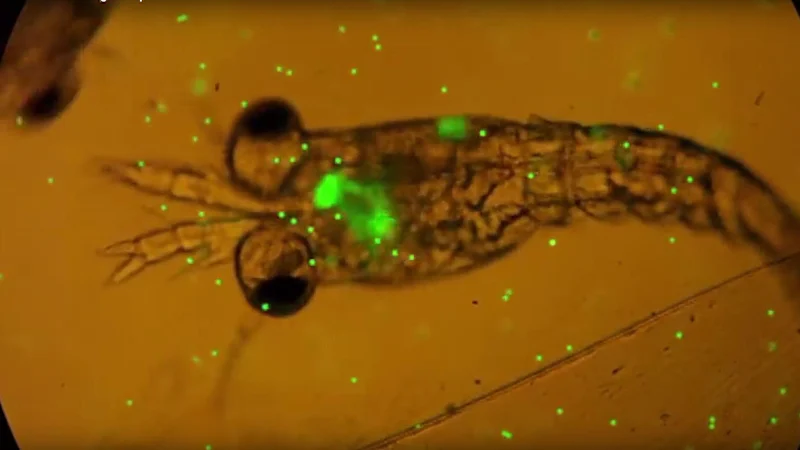
September 10, 2026 — 5:00amImagine this: You use a plastic product – a bag, a cup, anything – and pop it in an overflowing bin. Then it blows onto the road and is crushed, again and again, until it is just dust. When it rains, its particles wash into the drain, then a creek, where they settle into the muddy sediment. When it floods, it is washed into Moreton Bay, where a prawn ingests it. The prawn is caught in a big net, and eventually, you eat it. Now you have plastic inside you.That is what worries Prasanna Egodawatta, who has been overseeing Queensland University of Technology PhD student Heshani Mudalige’s work into the amount and toxicity of microplastics in three Brisbane creeks.Mudalige dredged up sludge from different parts of Bulimba and Enoggera creeks, as well as Kedron Brook, and released her findings about the number of plastic particles found in the sediment.Heshani Mudalige samples the sediment in one of three Brisbane creeks she tested.QUTMicroplastics have found their way into almost all aspects of our environment, as well as every human tissue type. While the health threats are not fully understood, they have been linked to colon and lung cancer.Mudalige’s initial research found there were up to 4000 microplastic particles in just a kilogram of sediment found in Bulimba Creek, but the quantity did not always equate to the quality.For her second lot of data, Mudalige assessed the toxicity in each sample.QUT researchers Associate Professor Prasanna Egodawatta, Heshani Mudalige and Professor Godwin Ayoko.QUT“We found sites with relatively small amounts of microplastics but with a very high ecological risk due to the presence of highly hazardous polymers,” she said.The most dangerous plastic types – PVC, PMMA and polyester – were found in all three creeks, and Egodawatta said whether the land nearby was residential, industrial or relatively untouched parkland, they all had plastics.While Bulimba Creek had the most hazardous material of the three, Kedron Brook was the most contaminated.But Egodawatta said these creeks were all relatively healthy waterways. The more polluted creeks, such as Oxley in Brisbane’s south, were too dirty for the team to test without overspending their budget.“We filter the sample, and we have to take all the organics out,” he said.“We collected some samples from other creeks, and it is very, very expensive to do peroxidation and take the organics out of it.”Egodawatta said the high number of toxins found in the creeks they tested was particularly worrying because humans can ingest plastics simply by drinking them – with the same results as our theoretical prawn.Plastic ingested by a plankton is shown in fluorescent green.“We are lucky that we get our water from Wivenhoe and the above catchment, but then again, it doesn’t eliminate the danger of microplastic pollution entirely,” he said.The study has been published in the Elsevier journal.Start the day with a summary of the day’s most important and interesting stories, analysis and insights. Sign up for our Morning Edition newsletter.More:PollutionWasteBrisbaneQUTPlasticFor subscribersFrom our partners
Microplastics stay with you forever – and there are plenty in Brisbane’s creeks
QUT researchers have been looking at the amount and toxicity of plastic in our waterways. The results aren’t good.
498 words~2 min read