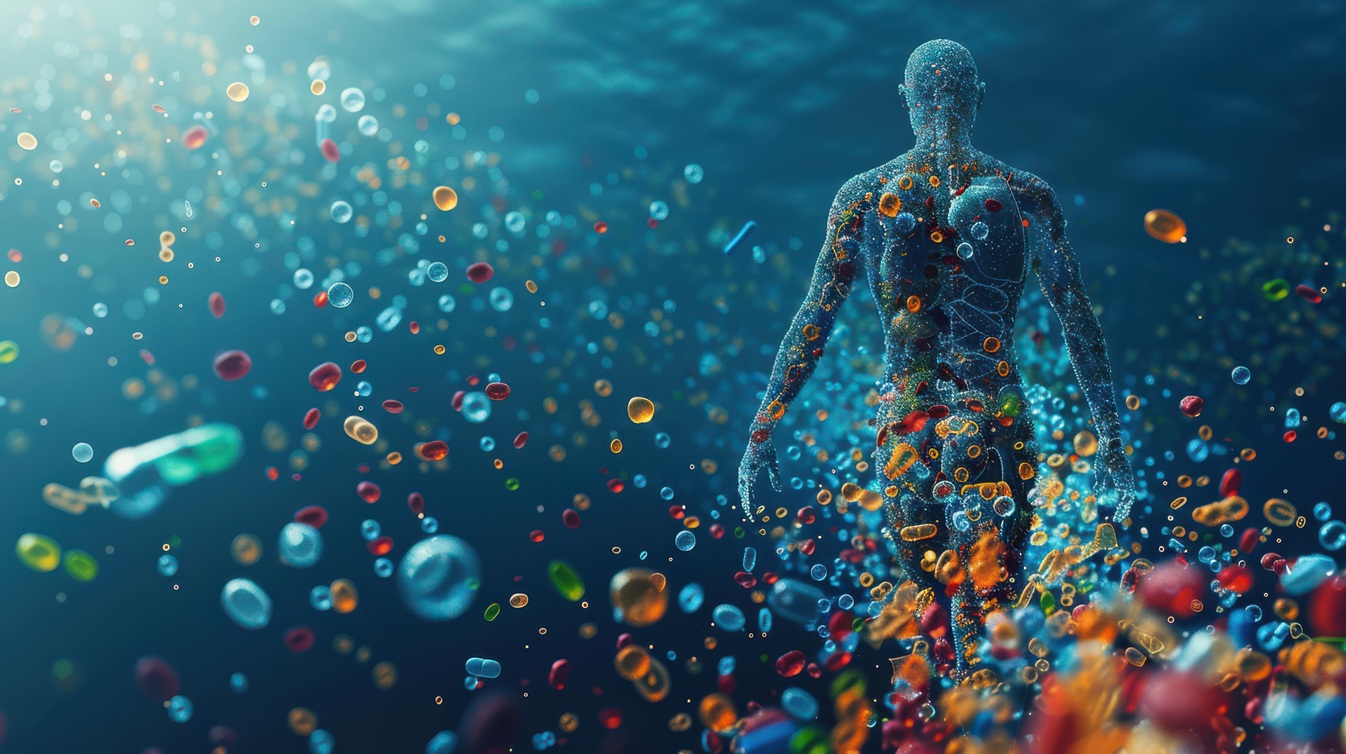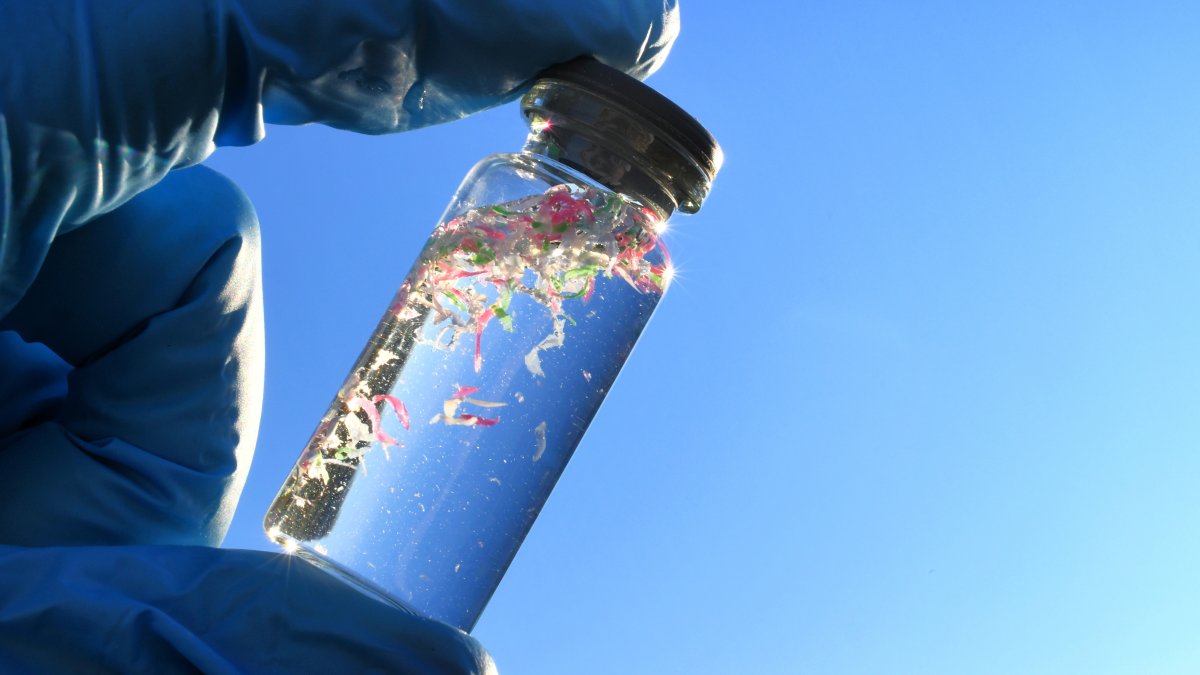
Microplastics which float through the oceans, have a "memory" of their previous movements that influences the way they travel, research has found.
A study from Heriot-Watt University found that rather than responding only to the waves around them at any given moment, the earlier motion of larger microplastic particles influences where they travel.
It is hoped the study will pave the way for more accurate predictions of where marine plastic pollution could end up.
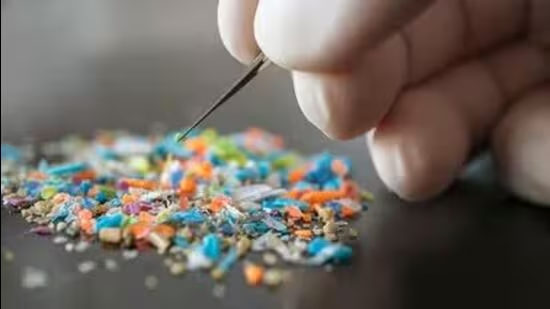
Microplastic particles measure less than five millimeters in length, often coming from larger plastic pieces which have broken apart.
They can be harmful to ocean life and ecosystems.