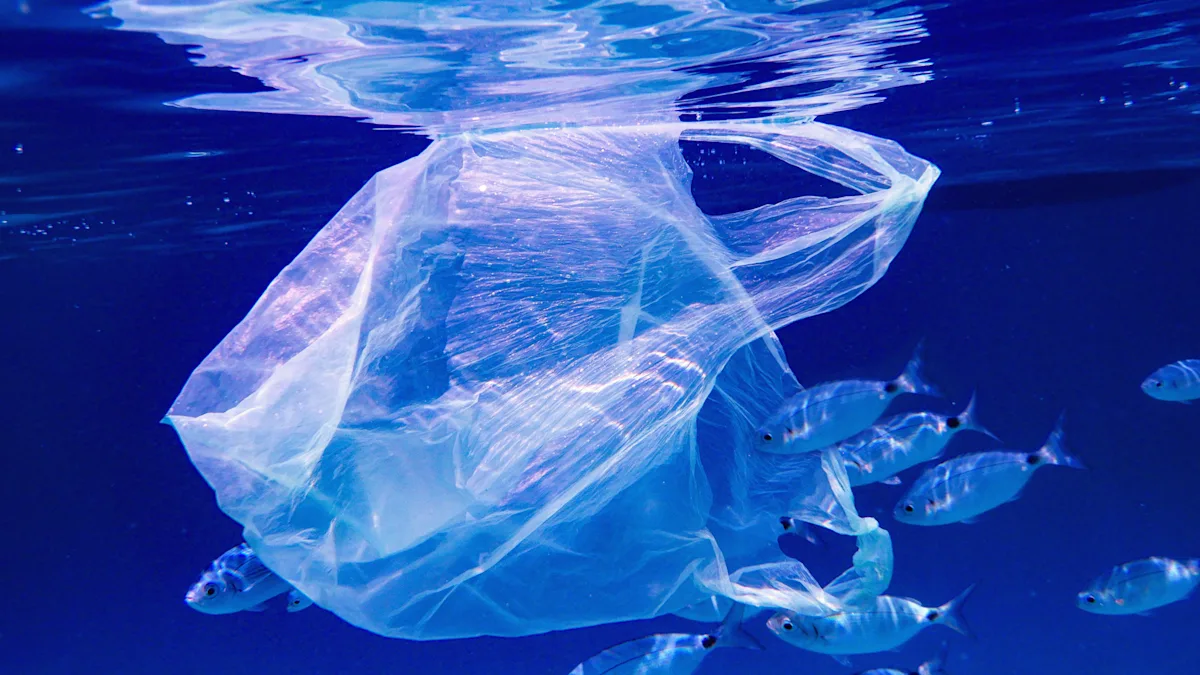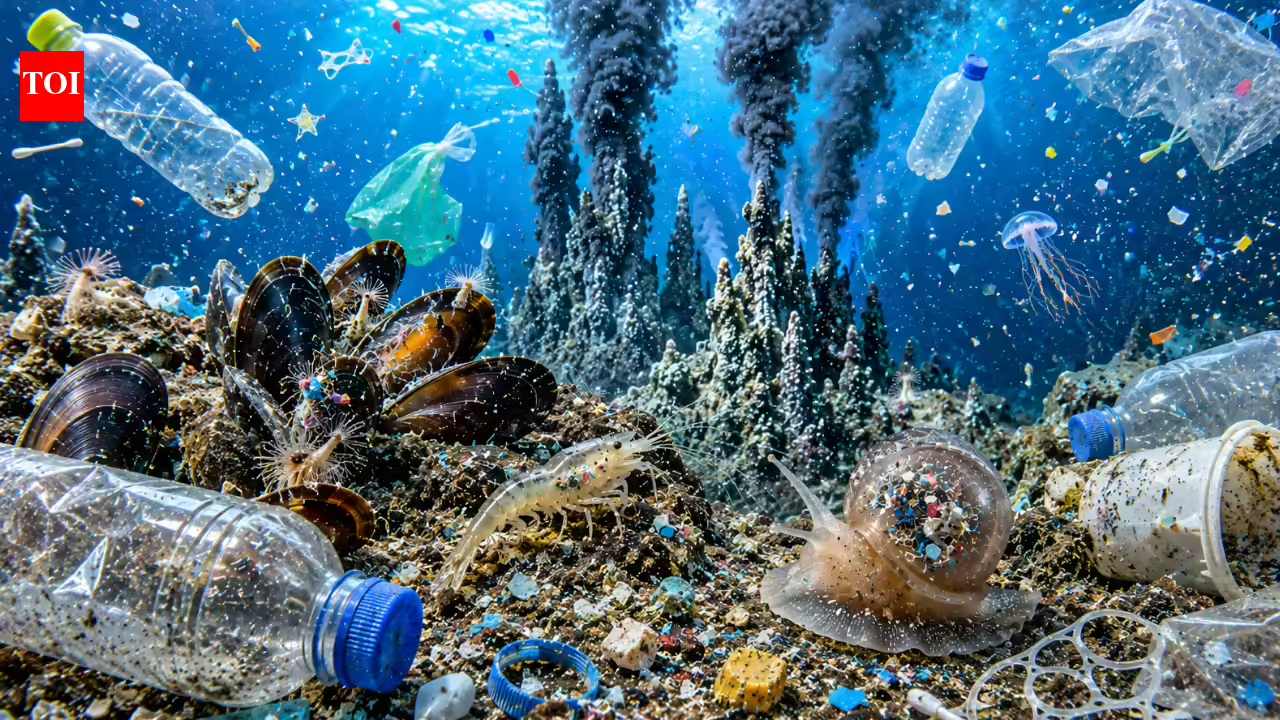
The sea holds many secrets that are invisible to the naked eye when viewed from the shore: rare species, complex ecosystems and, sadly, loads of litter.
According to the United Nations, each year 52 million tonnes of plastic waste enter the ocean, resulting in an estimated 24 trillion microplastic particles.
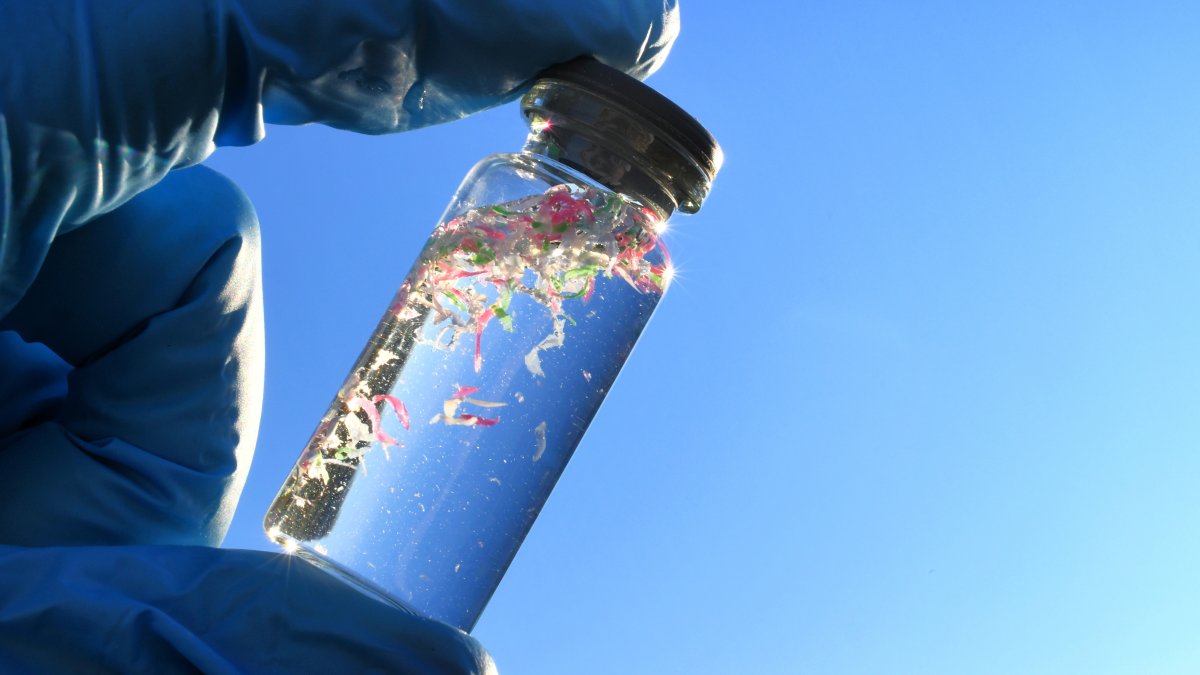
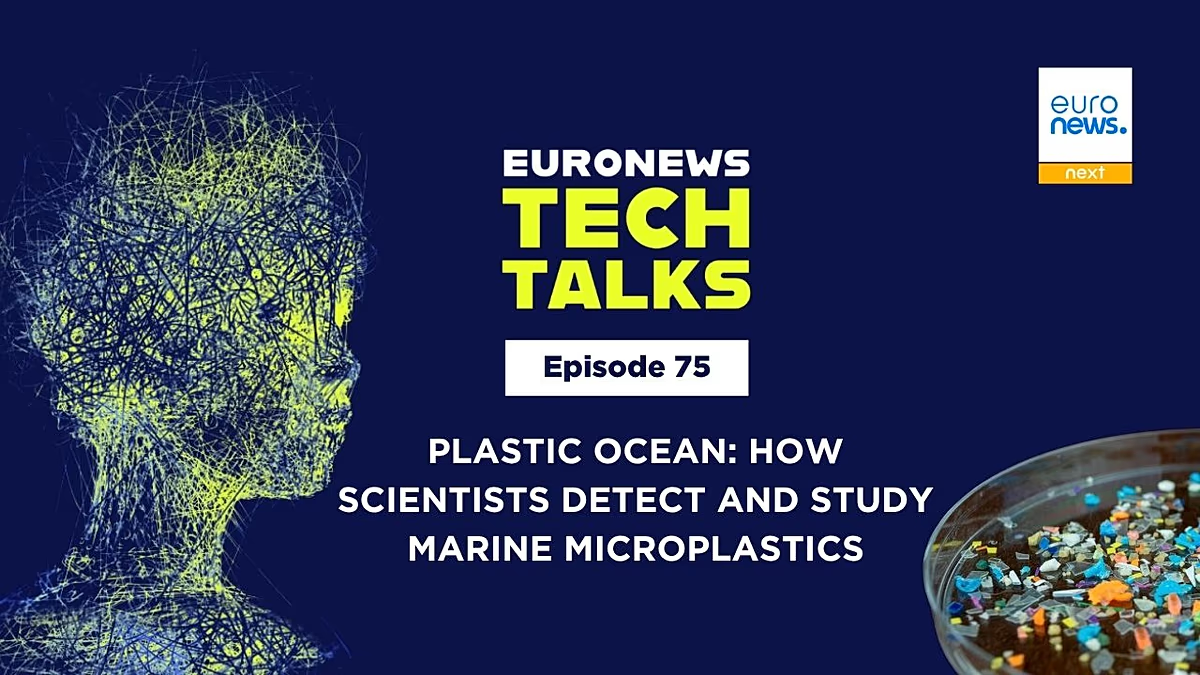
Microplastics, tiny fragments of plastics less than 5 millimetres in diameter, can be found both in the depths and on the surface of the water, disrupting ecosystems in ways scientists are still trying to understand.
But how do microplastics get into the sea? What technologies can be used to identify them? And what impact do they have on marine species?
To answer these and more questions, Euronews Tech Talks visited the Flanders Marine Institute (VLIZ) in Ostend, on the Belgian coast. Here, a research group led by senior researcher Ana Catarino investigates marine microplastics, collecting data directly from the North Sea.