Audio By Vocalize
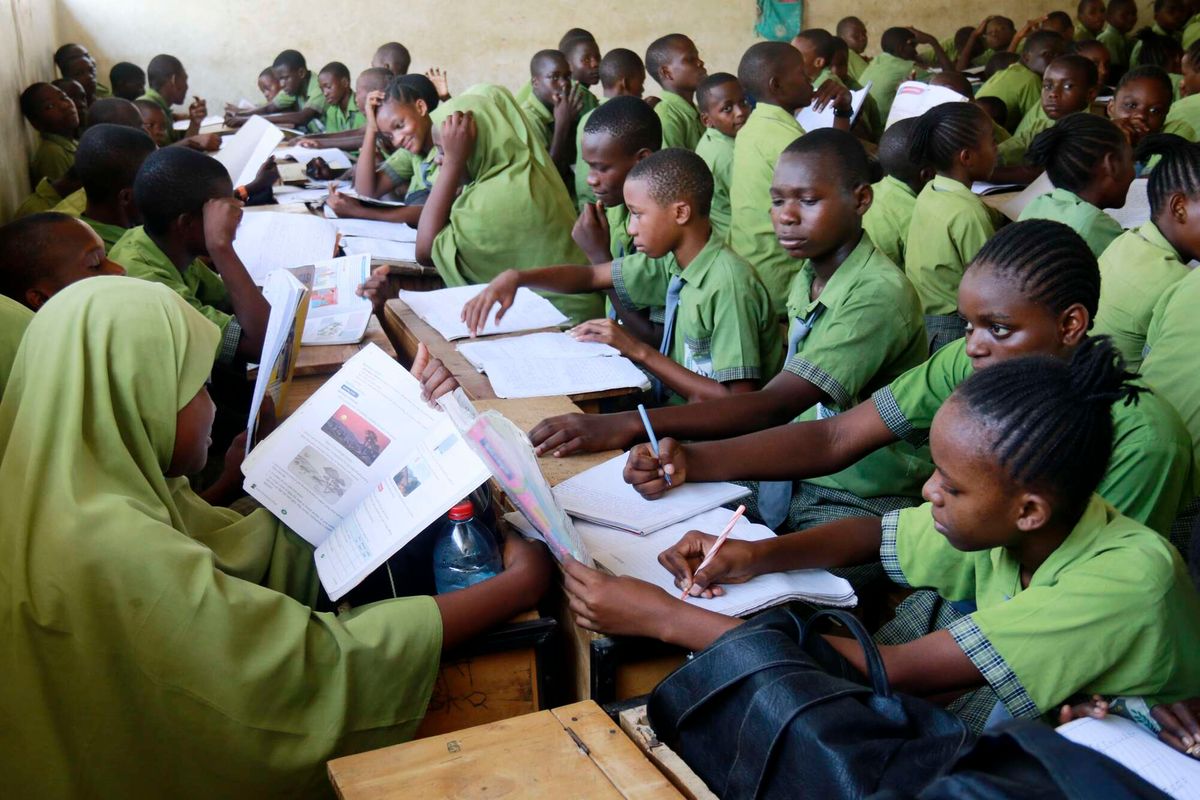
Pupils during a lesson. Teachers have a critical role in transforming literacy from a narrow skill into a broad competency. [File, Standard]
The International Literacy Day, observed annually on September 8, provides an important opportunity for the world to reflect on the meaning, purpose and transformative power of literacy. As the world marks its 60th anniversary, the theme “Literacy for people, the planet and prosperity” reminds us that literacy is not merely the ability to read and write. Literacy is ultimately about empowering people to understand their world, participate meaningfully in society, solve problems, make informed decisions and contribute to sustainable development.
In the twenty-first century, literacy has expanded beyond traditional reading and writing to include digital, financial, health, environmental, media, information and civic literacy. People need the competencies to navigate an increasingly complex world characterised by rapid technological change, artificial intelligence, climate change, globalisation and changing workplace demands. Consequently, education systems must move beyond transmitting knowledge to developing the competencies that enable learners to apply knowledge effectively in real-life situations. This is where Competency-Based Education (CBE) becomes particularly significant.