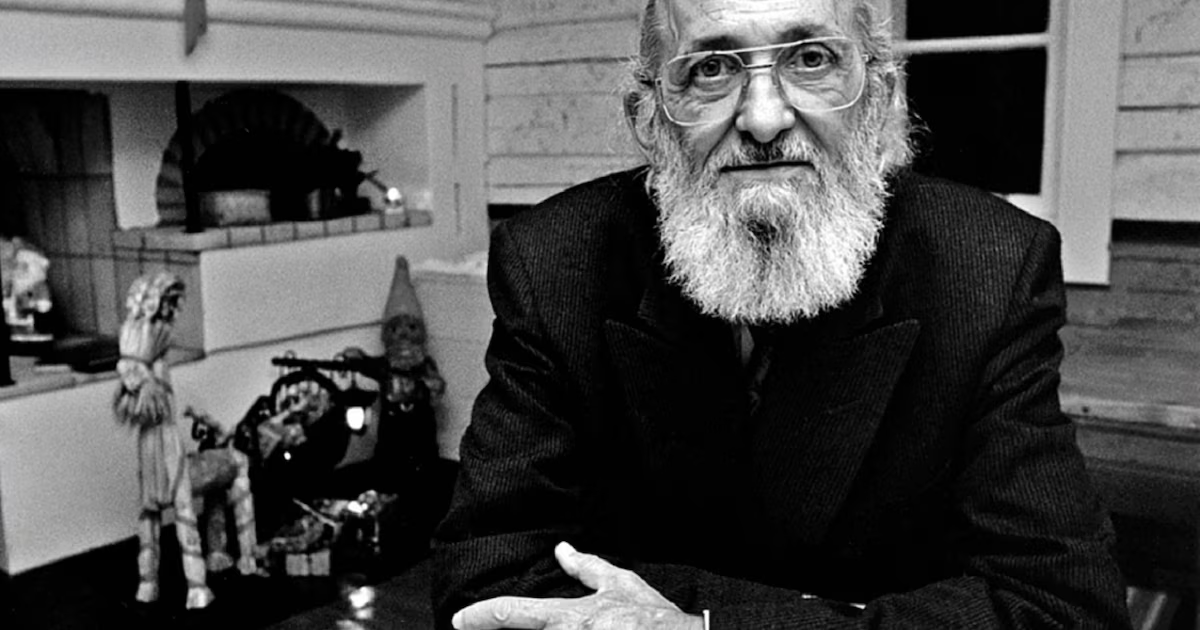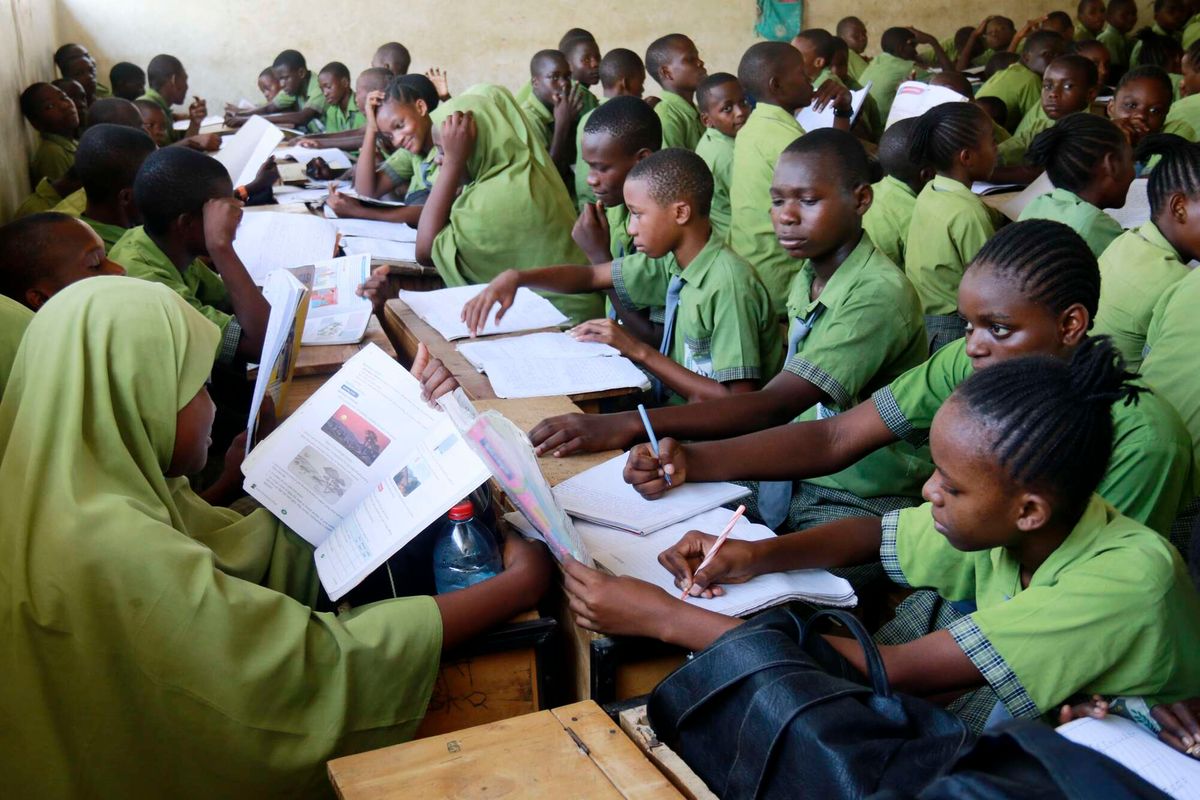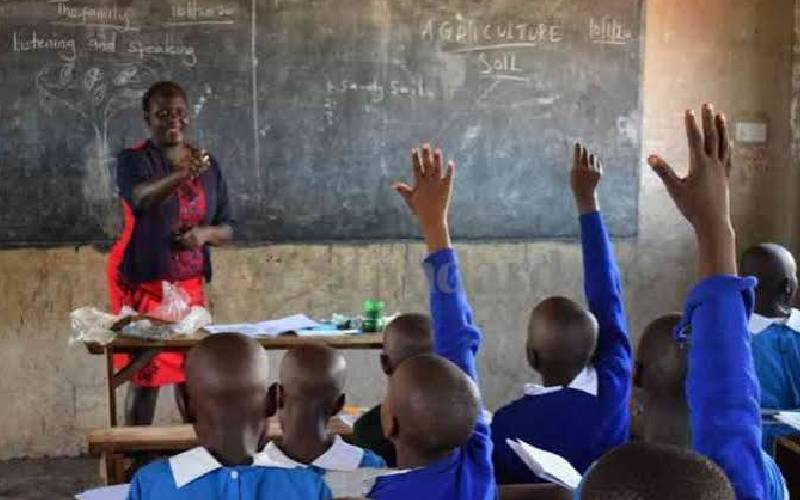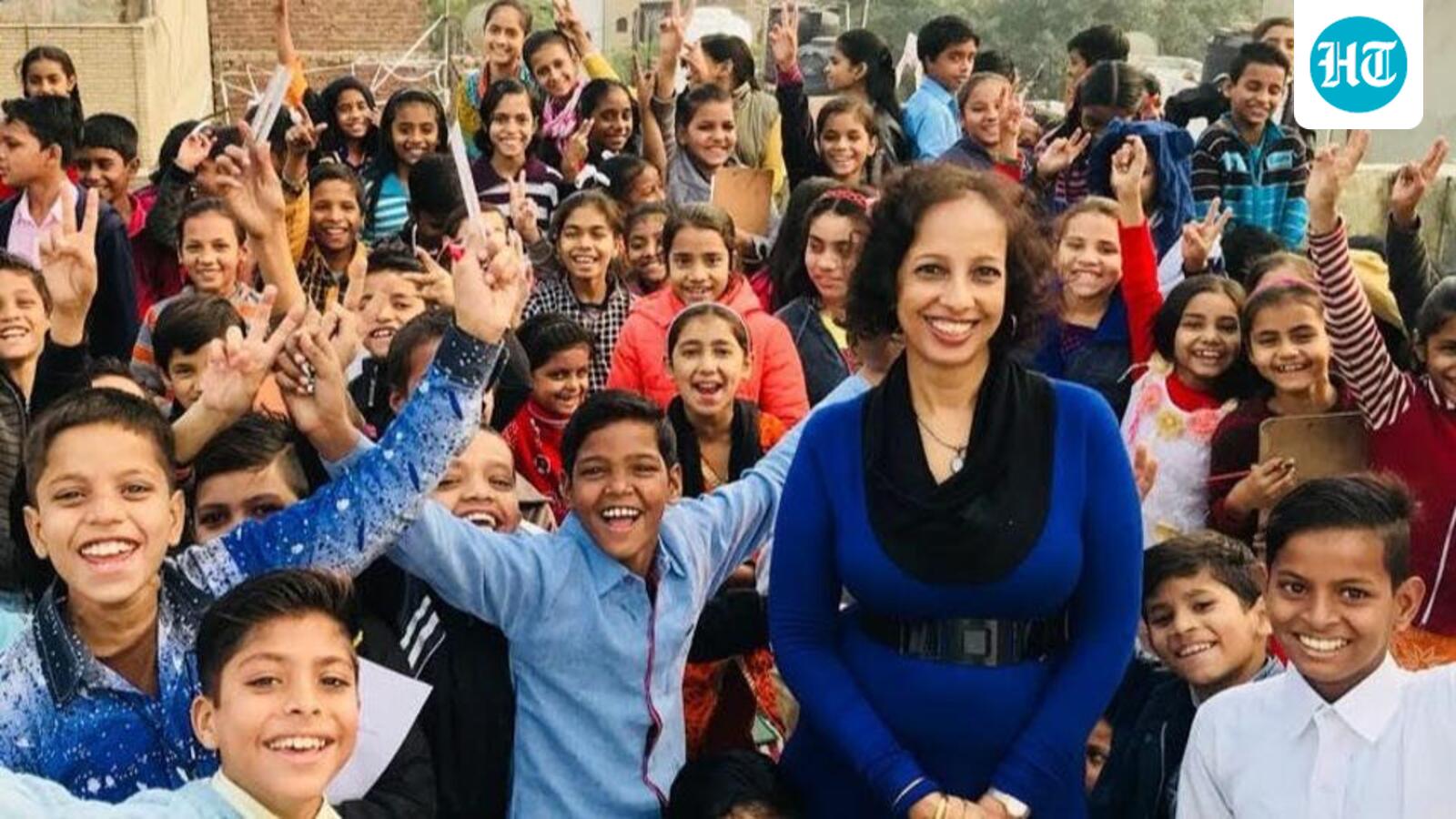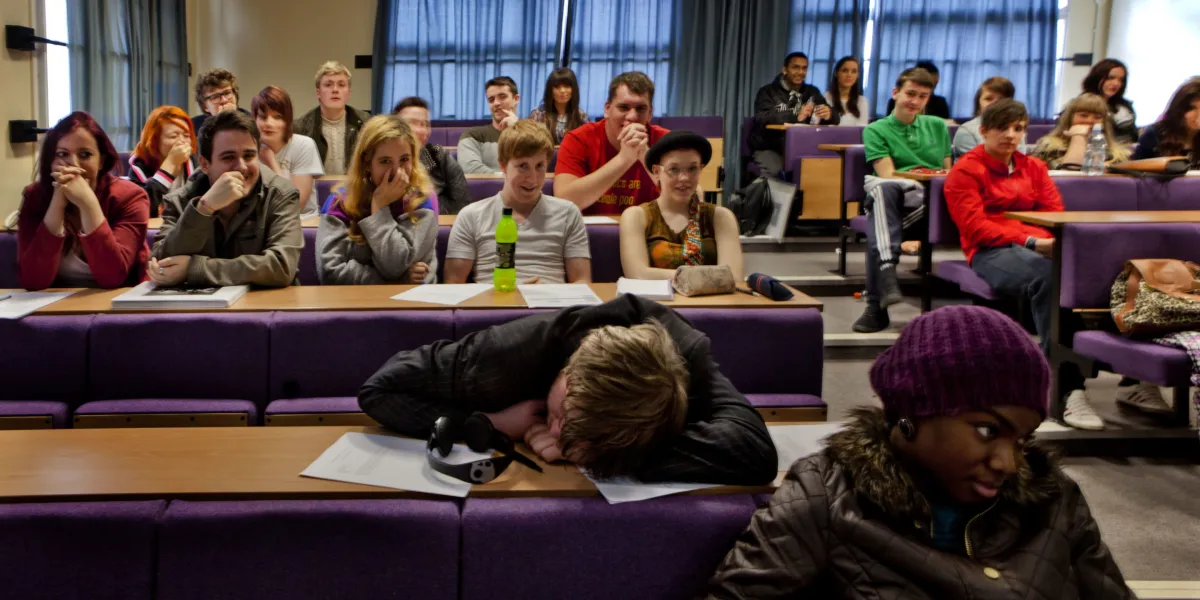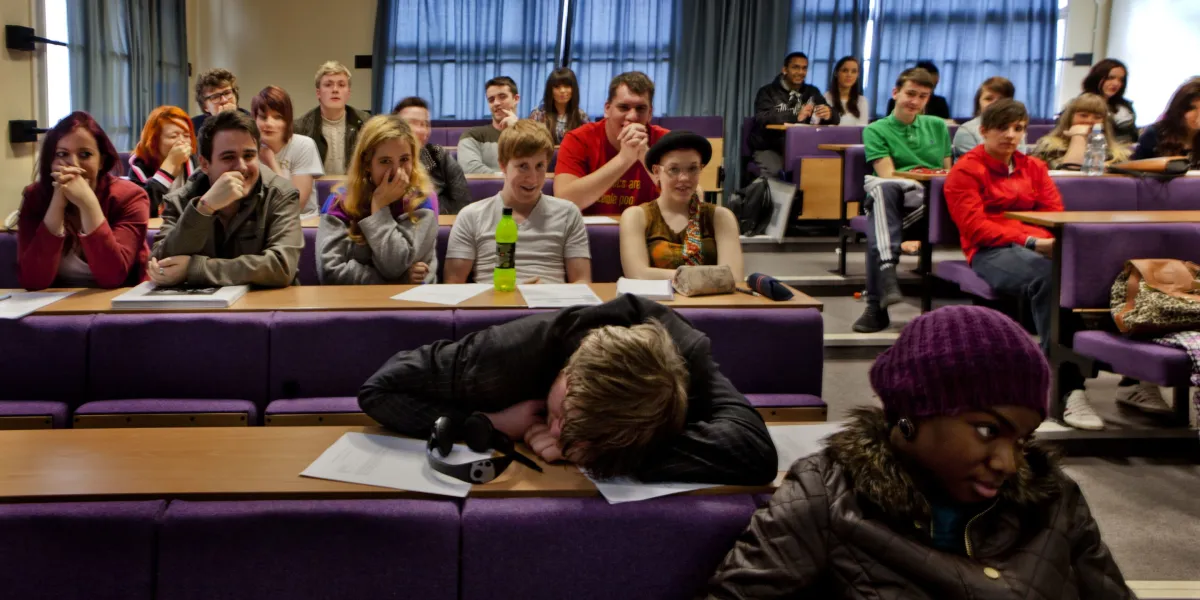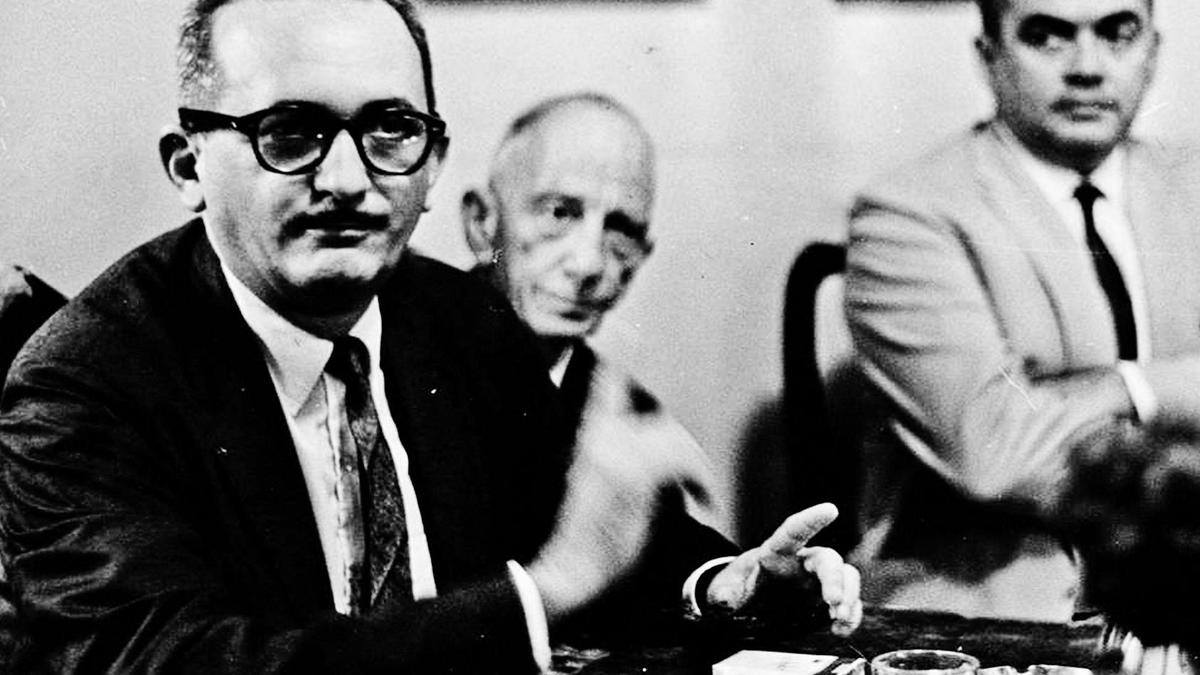
A teacher walks into a classroom, greets her students, opens a textbook and begins narrating a lesson. Her students sit there in rapt attention, trying, patiently, to absorb the information she delivers. The lesson could be on anything – from Thermodynamics to Polynomial Equations, about which students have no existential experience Is meaningful learning possible in such a scenario? Brazilian educator and philosopher Paulo Freire argues that such a system “indoctrinates” students to adapt to a world of oppression. Freire, the author of the highly influential Pedagogy Of The Oppressed (1968), calls the above-mentioned example the banking concept of education, because students are made to mechanically memorise narrated content. He compares learners to containers or receptacles that are to be filled by the teacher. “The more completely she fills the receptacles, the better a teacher she is. The more meekly the receptacles permit themselves to be filled, the better students they are,” writes Freire in Pedagogy Of The Oppressed. “Education, thus, becomes an act of depositing...Instead of communicating, the teacher makes deposits which the students patiently receive, memorise, and repeat.”Nearly six decades after he coined the term, banking education continues to dominate pedagogy in many educational institutions in India and other parts of the world. Banking model of educationFreire argues that the banking concept of education reinforces the status quo. It treats knowledge as a gift that is bestowed “by those who consider themselves knowledgeable (the teacher) upon those whom they consider to know nothing (students).” As a result this model negates the process of inquiry. It dissuades youngsters from developing critical consciousness, and instead, makes them adapt to the existing world order rather than venture out to transform it. Ergo, Freire says, the banking education model serves the interest of oppressors, who do not want things to change. Who was Paulo Freire?Paulo Freire is considered to be one of the foundational figures of critical pedagogy, which views education as a political act and a social tool for justice. Through his adult literacy programmes in Brazil and Chile, Freire successfully demonstrated his alternative teaching techniques, which created a buzz around the world. Freire was born in 1921 in the northeast region of Brazil, which, at that time, had extreme poverty, stark social inequality and high illiteracy. Having lived his childhood years through the Great Depression, Freire was not a stranger to hunger and financial distress. Though he studied law, he began his career as a teacher in a local school. In 1961, he was appointed as the director of the Department of Cultural Extension at the University of Recife. A year later, he was roped in to conduct an adult literacy project in Recife and, subsequently, for another such project in Angicos. His team, according to several media reports, taught about 300 rural workers basic literacy through a programme popularly known as the ‘40 Hours of Angicos’, conducted over roughly 45 days. These successes prompted the then Brazilian government to expand Freire’s idea and implement it across the country. However, a military coup in 1964, and the subsequent change of regime, ended Freire’s project. Freire himself was arrested for a period of 70 days and later exiled. He returned to Brazil only in 1980, after a gap of 16 years. Problem-posing approachTo counter the banking education model, Freire proposes a problem-posing approach, which uses dialogue and mutual inquiry as learning tools. Here, the teacher does not only teach, but is also taught through her dialogue with students. Both parties are jointly responsible for the process in which all of them witness intellectual growth. Freire pitches the problem-posing approach as a humanist method of education designed to bring about liberation. “The students – no longer docile listeners – are now critical co-investigators in dialogue with the teacher. The teacher presents the material to the students for their consideration, and re-considers her earlier considerations as the students express their own,” writes Freire in Pedagogy Of The Oppressed. This approach, Freire believes, will help break the vertical hierarchies within learning ecosystems, thereby encouraging teachers and students to build a new pattern of relationship. Further, when dialogue replaces narration, learning becomes a perpetual process. Students and teachers will be empowered to replace doxa (superficial knowledge) with logos (critical knowledge). The problem-posing approach also eliminates this vagueness by contextualising concepts in accordance with the social realities of a particular group of learners. This means students are introduced to academic concepts through problems connected to their lived realities. It empowers students to critically intervene in their reality – to reflect and act to transform the world.Through this process, Freire argues, teachers and students overcome authoritarianism and “alienating intellectualism,” allowing them to become active subjects of their own liberation. Putting it into practiceIn the 1960s, Brazilian law barred illiterate citizens from voting in elections, which meant a large section of the population lacked direct political representation. This trend was particularly stark in northeastern Brazil, where illiteracy was very high. It was here, in the small town of Angicos, that Freire experimented his ideas. His team, including his daughter Madalena Freire, stayed in Angicos and interacted with the residents. They identified the issues, themes, and concerns that affected these people (their social realities). Using this information, Freire and his team identified generative words and themes that would anchor the curriculum.During class sessions, known as culture circles, the community was taught to read and write the generative words using illustrations and visual aids (codification), while also engaging in a dialogue that examined their social reality (decodification). For instance, salário (the Portuguese word for wages or salary) was one generative word they used which helped the community engage in critical thought and dialogue about the state of their wages, their labour’s worth, etc., while also learning to spell it. Eventually, the participants not only learnt to read and write (read the word) but also critically interpret the world around them (read the world). Over 300 rural workers attended the culture circles in Angicos and gained basic literacy through the codification/decodification technique within 45 days. The results drew international attention. The then Brazilian president João Goulart expanded the program nationwide. A plan to establish 20,000 such culture circles was prepared, to reach millions of illiterate Brazilians, but was cut short by the 1964 military coup. Despite the setback, the Angicos experiment became a major inspiration for many grassroots adult education movements. Freire’s impactFreire’s method was not merely a technique for teaching people to read. His idea of critical consciousness encouraged poor and illiterate people to examine the social and political conditions shaping their lives. The underlying message in his work was that education is inherently political. Based on how it is administered, it can domesticate people to adjust to the status quo or liberate them to transform the world.
Paulo Freire's pedagogy to read the world and the word
The Brazilian educator’s problem-posing approach reinvented adult literacy programmes around the world
1,128 words~5 min read