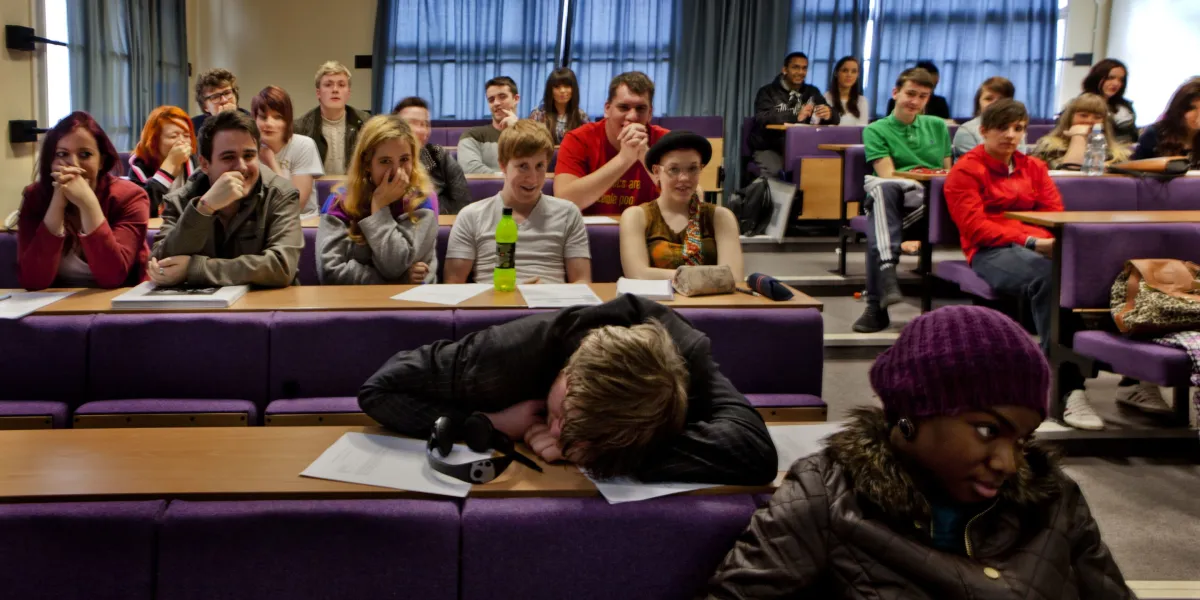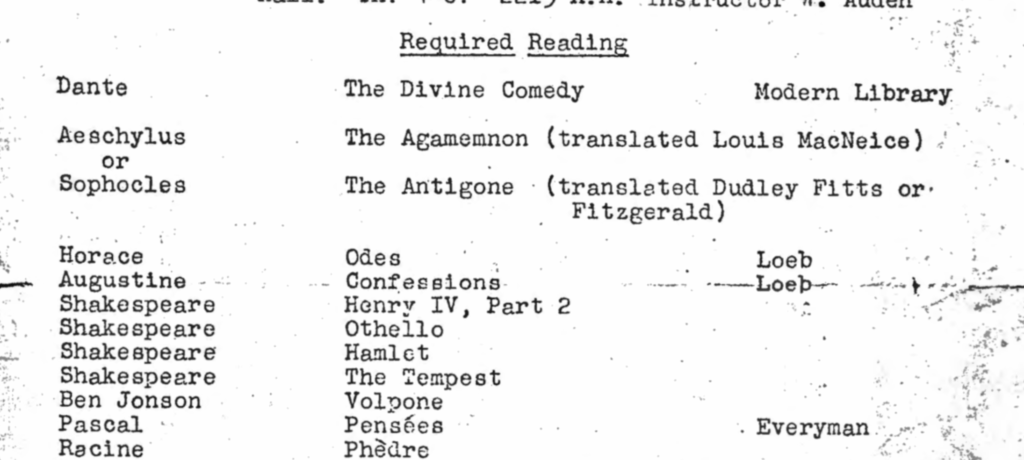
I have spent two decades teaching humanities and social sciences at Amherst College, and my classes have always been built on one assumption: that students would do the reading. Long, dense texts, week after week. Lately, that assumption has started to feel naive.
Students now come to my office not to discuss what they’ve read, but to ask how to skim it. I generally refuse. I try instead to teach them close reading — the slow, deliberate kind that can’t be shortcut. But I’ve started to wonder whether I’m fighting a trend that started long before these students ever reached my classroom.
The numbers behind my hunch
I’m not imagining this. A 2024-2025 surveys of 1,250 high school English teachers found they assigned an average of 2.81 full books a year — down from four books annually in a comparable 2008-2009 survey of 400 teachers. Some high schoolers now read no complete books at all, only excerpts.
The decline isn’t confined to teenagers. Sunil Iyengar, who directs research at the National Endowment for the Arts, found in 2024 that only 49% of adults reported reading at least one book in the past year, down from nearly 55% a decade earlier. Reading proficiency is falling too: 32% of 12th graders scored below basic reading levels in 2025, up from 24% in 2002. Martin West, an education professor at Harvard, has said American literacy skills peaked in the mid-2010s and have been falling since.