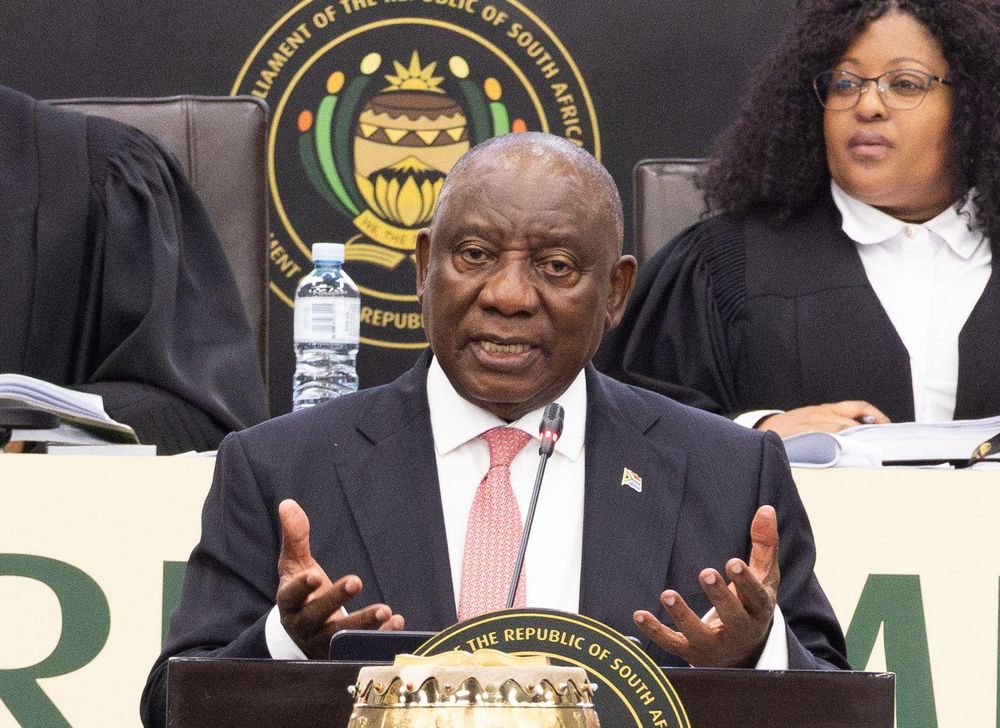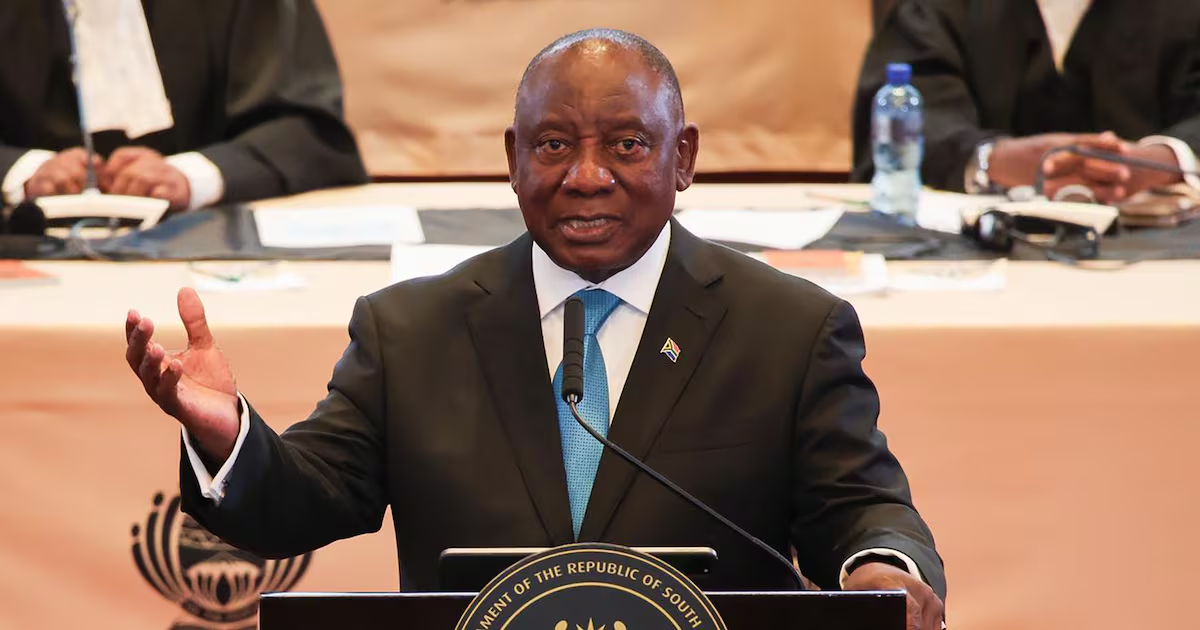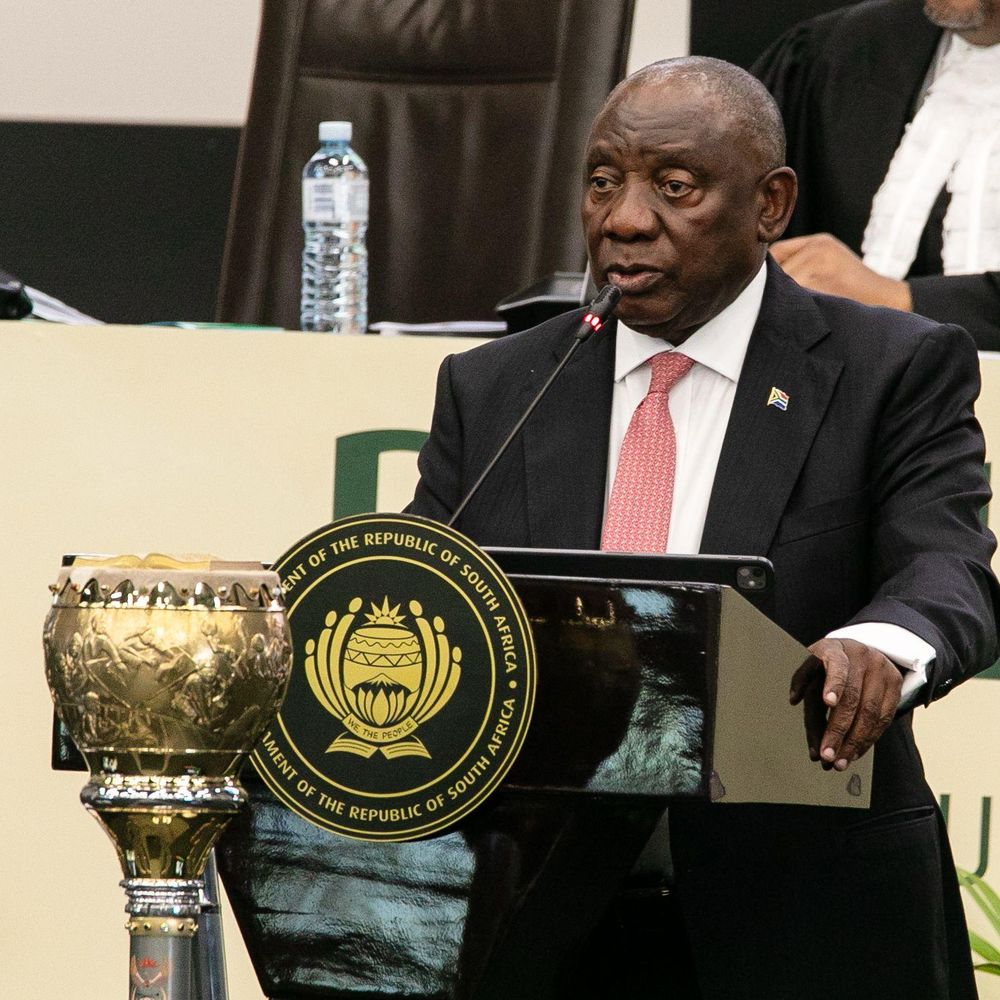
As South Africa approaches the milestone of 30 years of democracy, a powerful call for a Second Republic emerges, urging citizens to transform their aspirations into tangible actions.
South Africa's transition in 1994 was a defining political achievement. It replaced apartheid with constitutional democracy and universal citizenship founded on dignity, equality, and freedom.
But democracy cannot be judged by a constitution alone. It must be judged by lived experience: whether people have water and electricity, jobs and housing, functioning schools and municipalities, safety, and trust in their communities. These realities define the substance of democracy, and they are why South Africa must now enter the next phase of its democratic journey.
South Africa needs a Second Republic: not a rejection of 1994, but its continuation — moving from constitutional promise to implementation, delivery, and a renewed consciousness of citizenship.
The First Republic, established in 1994, secured political freedom. The next era must make that freedom tangible, in the economy, in communities, and in daily life.