Can President Cyril Ramaphosa’s commitment to constitutionalism and accountability withstand the pressures of public scrutiny? The writer says Ramaphosa's approach reflects a broader vision for governance in a complex socio-political landscape.
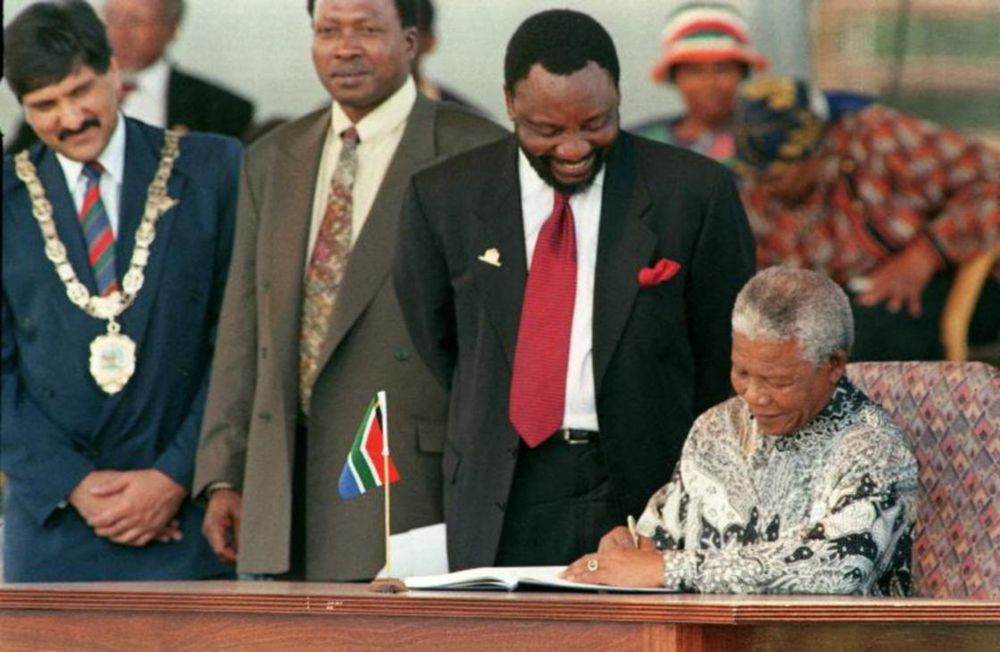
As South Africa prepares to commemorate the 50th anniversary of the 1976 Youth Uprising, the nation is reminded of the sacrifices made by young people in the struggle for democracy, justice, constitutionalism, and accountable governance. The Soweto Uprising of 1976 was not only a revolt against apartheid education policies, but also a broader fight for dignity, equality, and democratic freedoms. The democratic Constitution that South Africans enjoy today was built on the courage and determination of those young people who challenged oppression and demanded a society governed by the rule of law rather than arbitrary power.
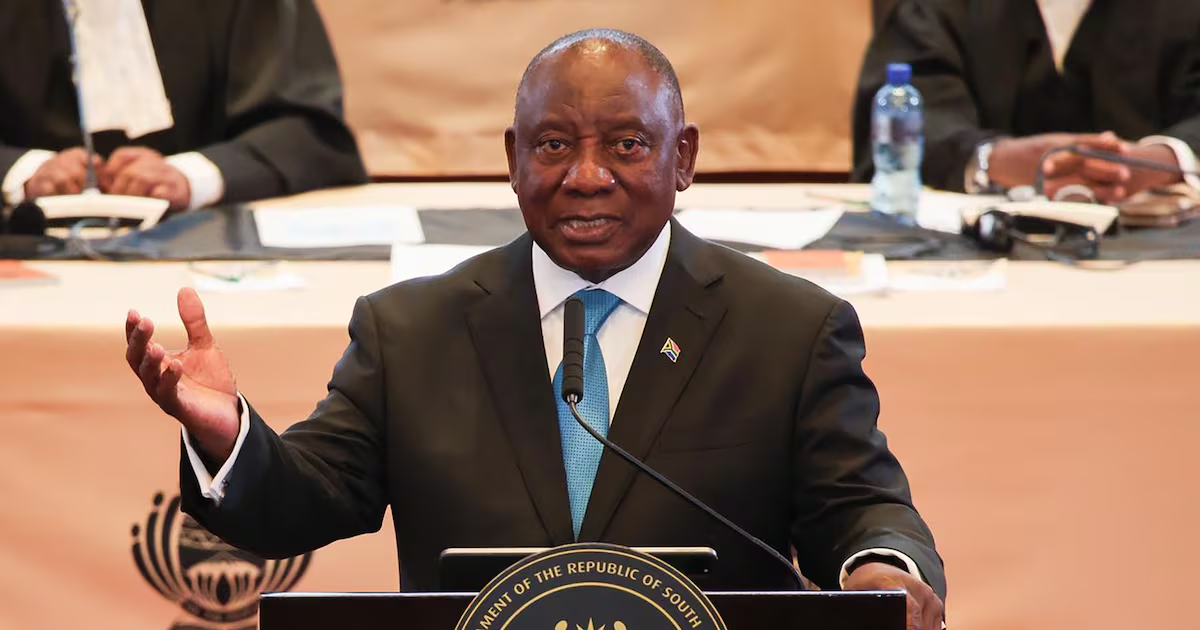
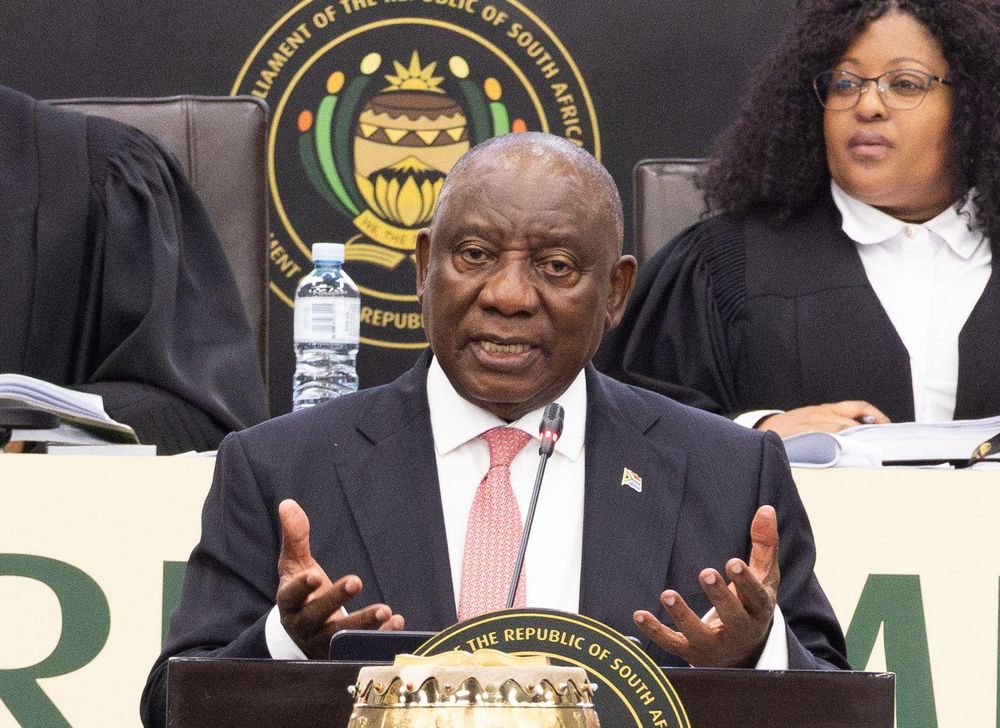
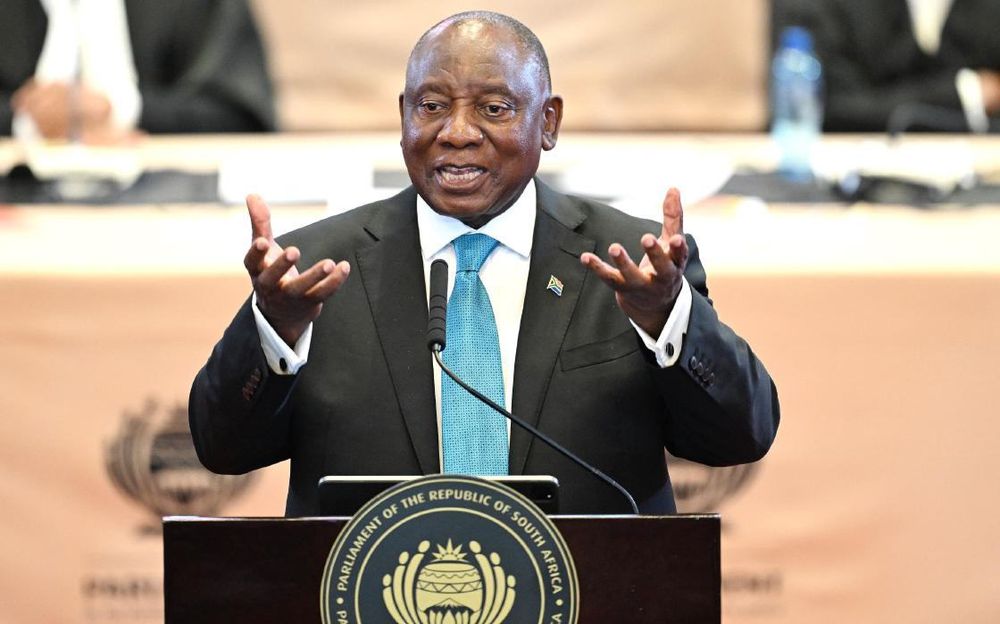
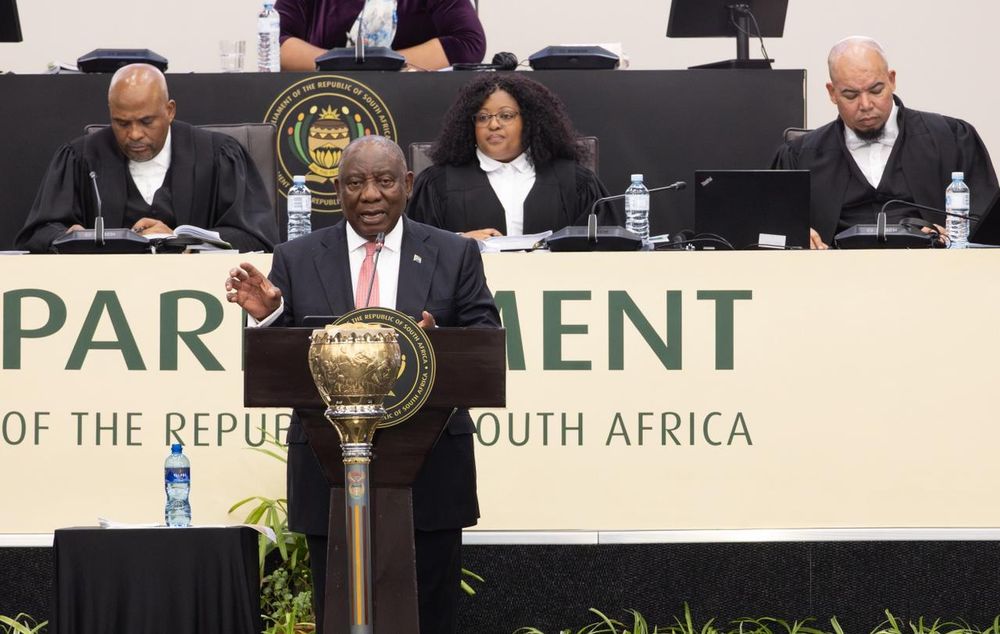
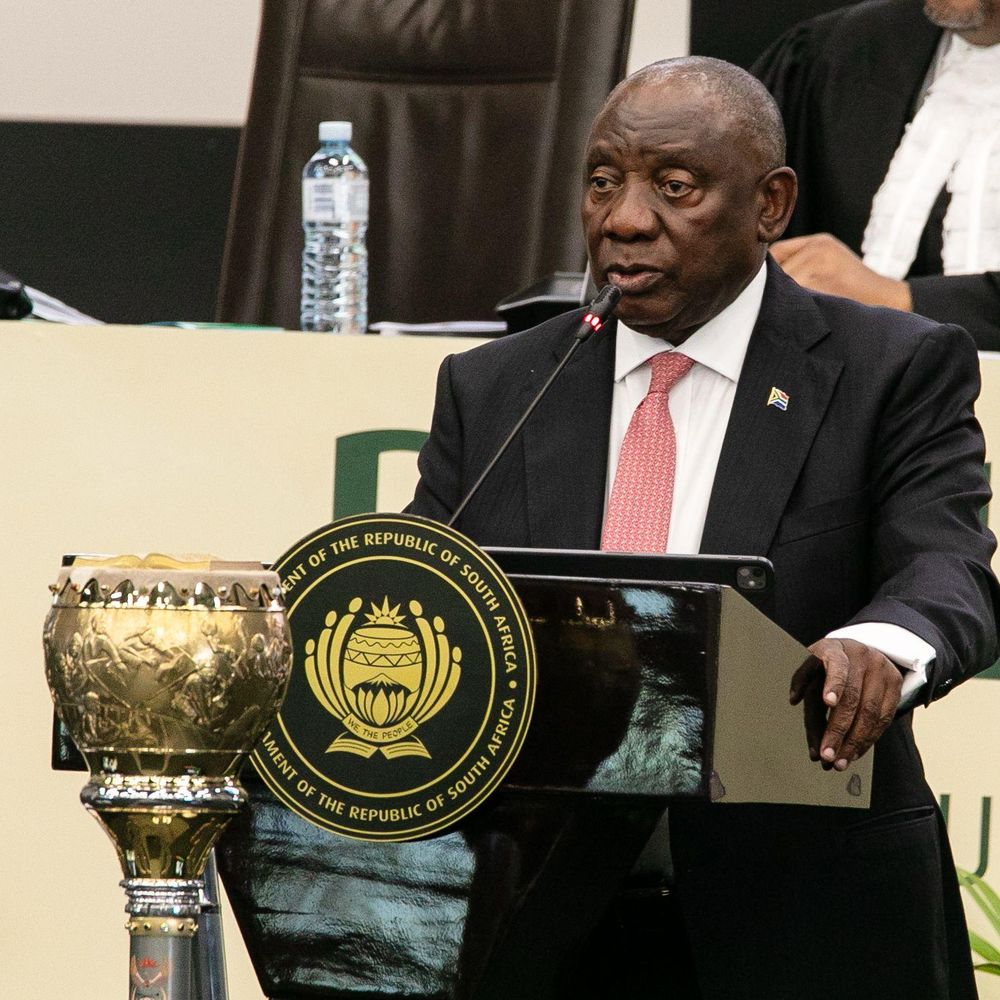
It is within this historical and democratic context that President Cyril Ramaphosa’s address following the Constitutional Court's "Phala Phala" judgment should be understood. At a time when South Africa reflects on its democratic journey and the values for which the youth of 1976 fought, the President’s speech emphasised respect for constitutional processes, judicial independence, accountability, and democratic governance. His decision to remain in office while pursuing lawful review procedures reflects the very constitutional principles that emerged from South Africa’s struggle against injustice and authoritarianism.