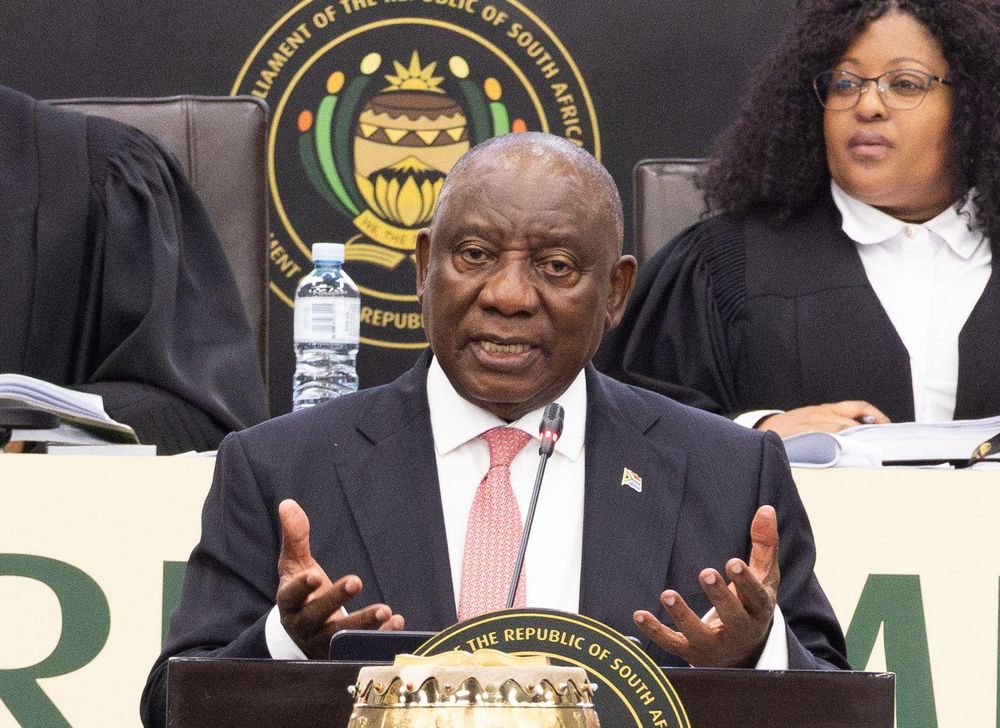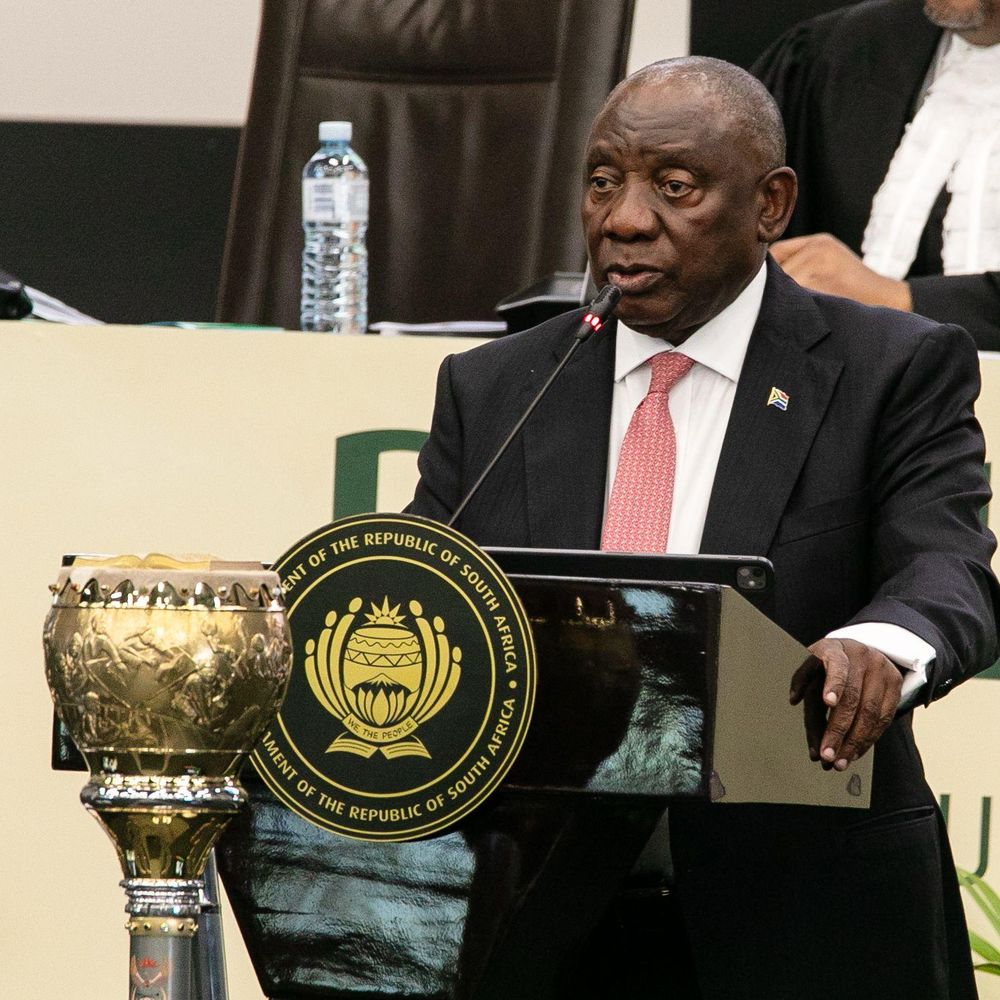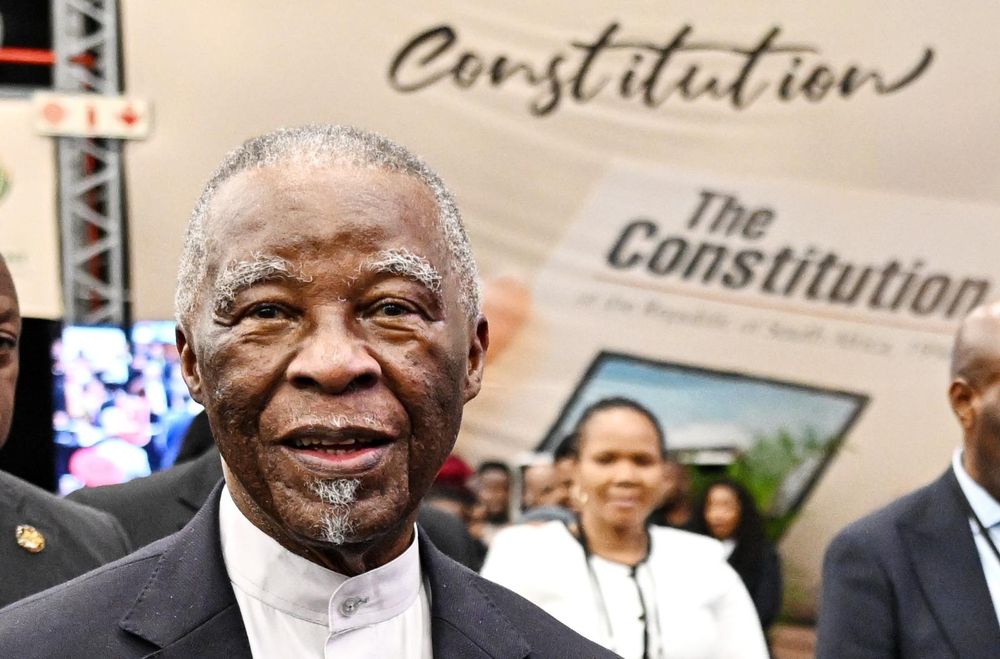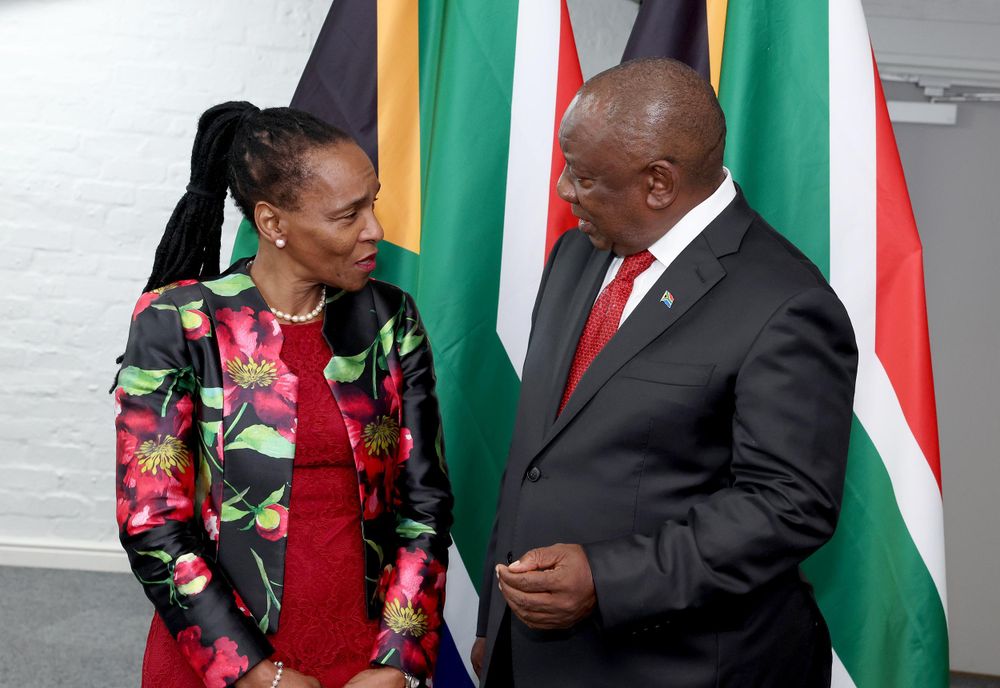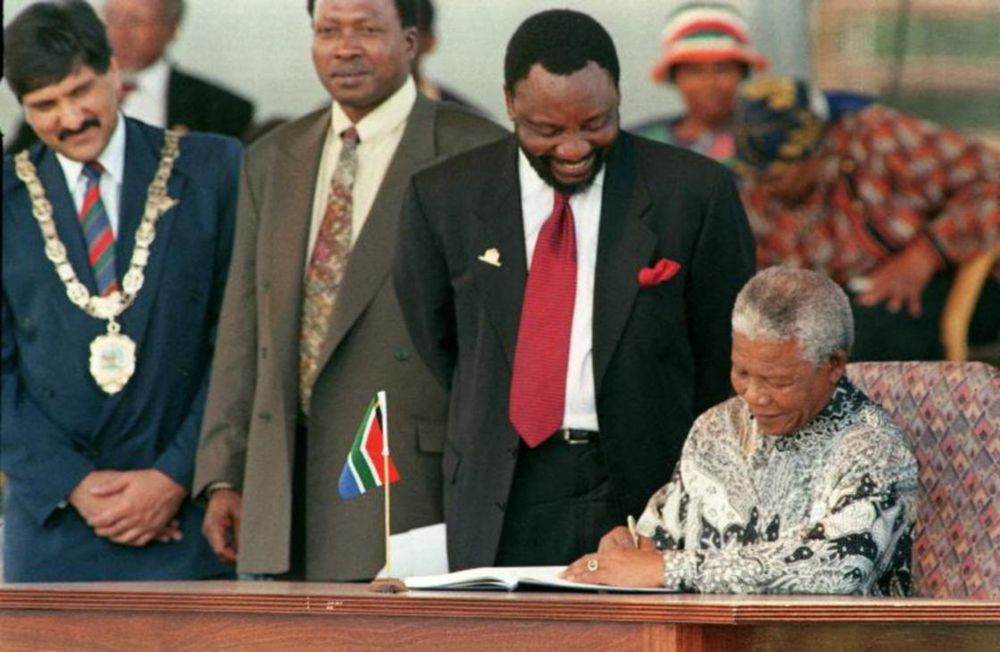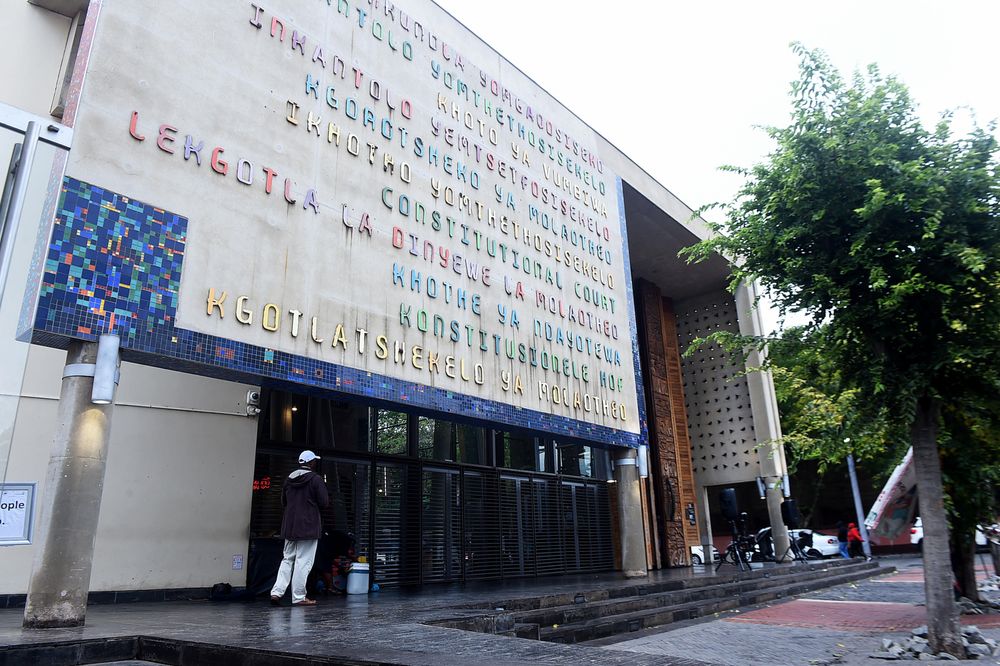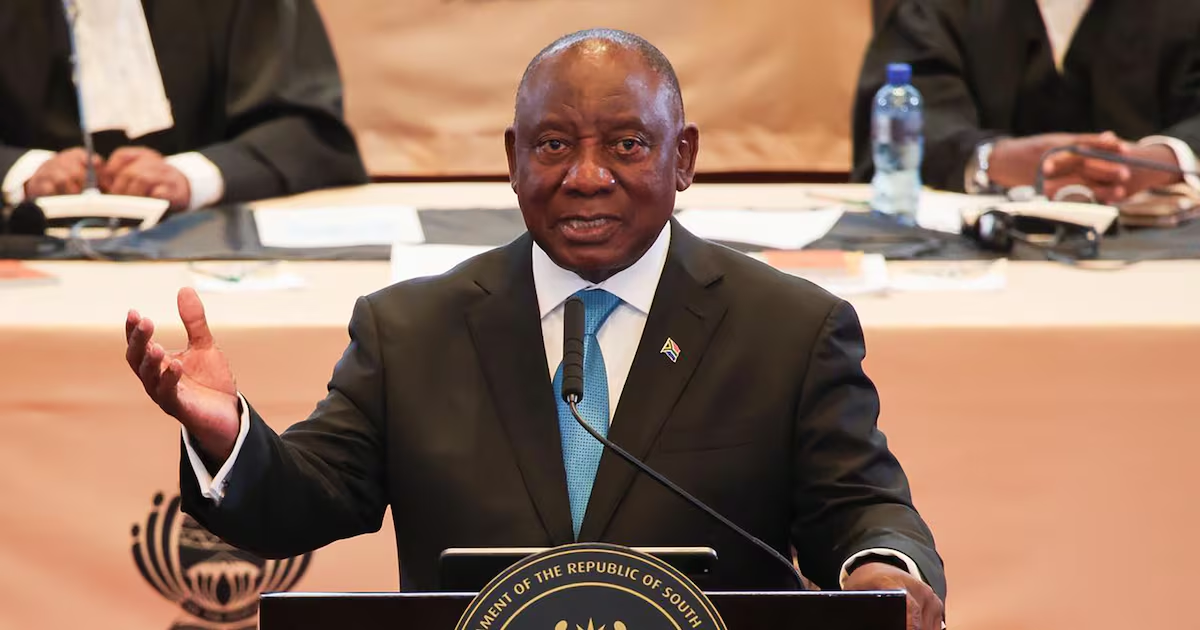
President Cyril Ramaphosa says as South Africa marks 30 years this month since the adoption of the constitution, South Africans could reflect with pride “on the political culture we have built as a nation”, which was robust, participatory and anchored on democratic values. “We are fortunate to live in a society with a vibrant public space and deeply engaged citizens who know they have a voice, and more importantly, that their voice matters. It is this active participation by the people of South Africa that continues to give life, meaning and resilience to our constitutional democracy,” Ramaphosa said in his weekly newsletter on Monday.Civil society in the country remains vibrant and resilient, he said. “Our constitution [safeguards] the freedoms of conscience, thought and expression, while firmly entrenching freedom of the media as one of the cornerstones of a democracy. Political contestation takes place openly and freely, reflecting the strength and maturity of democratic order.” The courts continue to serve as institutions people trust and provided recourse for ordinary South Africans, political actors and organisations. “In our country no one is above the law and scrutiny, and no individual or institution is beyond accountability. It is this commitment to constitutionalism, transparency and the rule of law that sustains public confidence in our democracy,” Ramaphosa said. His comments come after the Constitutional Court’s recent ruling that parliament acted unlawfully and irrationally when it voted to reject the section 89 panel report, which found there was prima facie evidence Ramaphosa may have violated the constitution and his oath of office regarding the theft of foreign currency at his Phala Phala farm in Limpopo.Ramaphosa said members of the public participate in law-making through public hearings. “They are able to comment on draft policies, regulations and environmental decisions. Through the annual taking parliament to the people programme convened by the National Council of Provinces, people are able to interact directly with their elected representatives. “South Africa ranks among the leading countries in the world for an open, transparent and participatory budget process. Through the annual parliamentary budget hearings that are currently under way, the budgeting process is open to public scrutiny and parliamentary oversight.” The president said while some may argue that participatory democracy slows decision-making or leads to excessive contestation, “it is a fundamental tenet of our constitutional order”.“For our democracy to retain legitimacy, citizens must be confident that their voices are counted when making decisions that affect them most. “Soon, the next phase of the national dialogue process will commence in earnest, and we must together strive for the broad participatory inclusivity that characterised the constitution-making process. “The national dialogue steering committee has announced that between June and August this year, they will hold up to 195 pilot dialogues in the nine provinces that will include ward-based engagements, digital engagements and sectoral dialogues. They will prioritise direct community participation. We are determined that the national dialogue should fully reflect South Africa’s racial, cultural, social, economic and geographic diversity.” The president called on all South Africans to come together once more and be part of crafting a new vision for South Africa that speaks to “our contemporary challenges and lays the groundwork for the South Africa we want to be”.
Ramaphosa hails SA’s ‘robust and participatory’ democracy as constitution turns 30
President calls on South Africans to come together to craft a vision for the country
536 words~2 min read