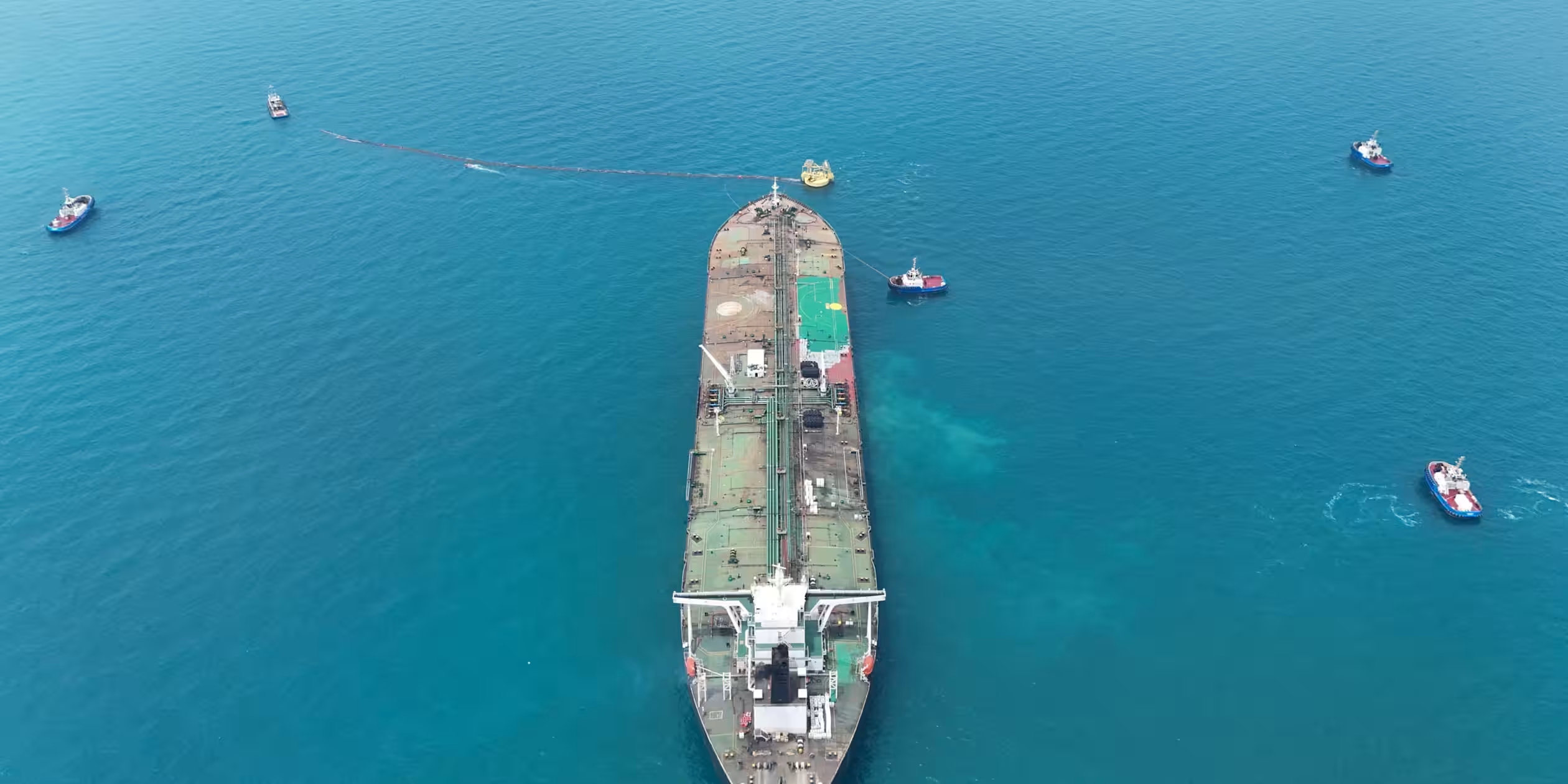
Brent crude hit $102.05 per barrel on the morning of September 9, climbing $2.20 from the prior session and sitting roughly $35 above where it traded a year ago. The move pushes oil decisively past the psychologically important $100 threshold for the first time since late July, driven by a conflict in the Middle East that shows no signs of cooling off.
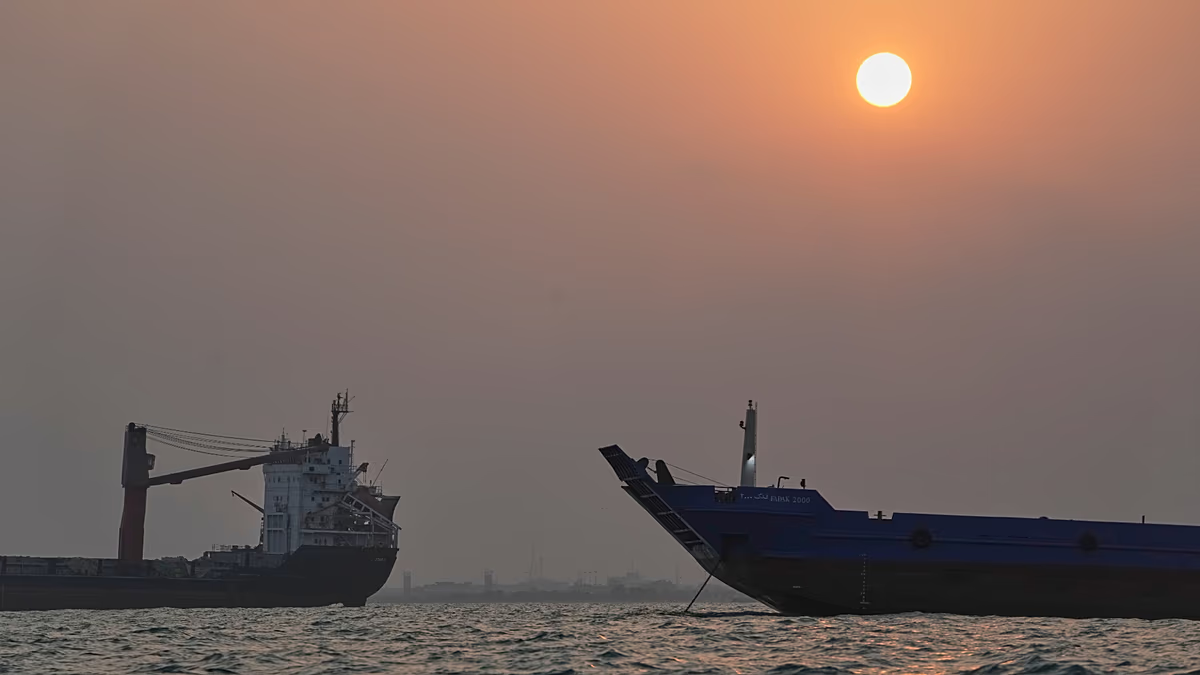
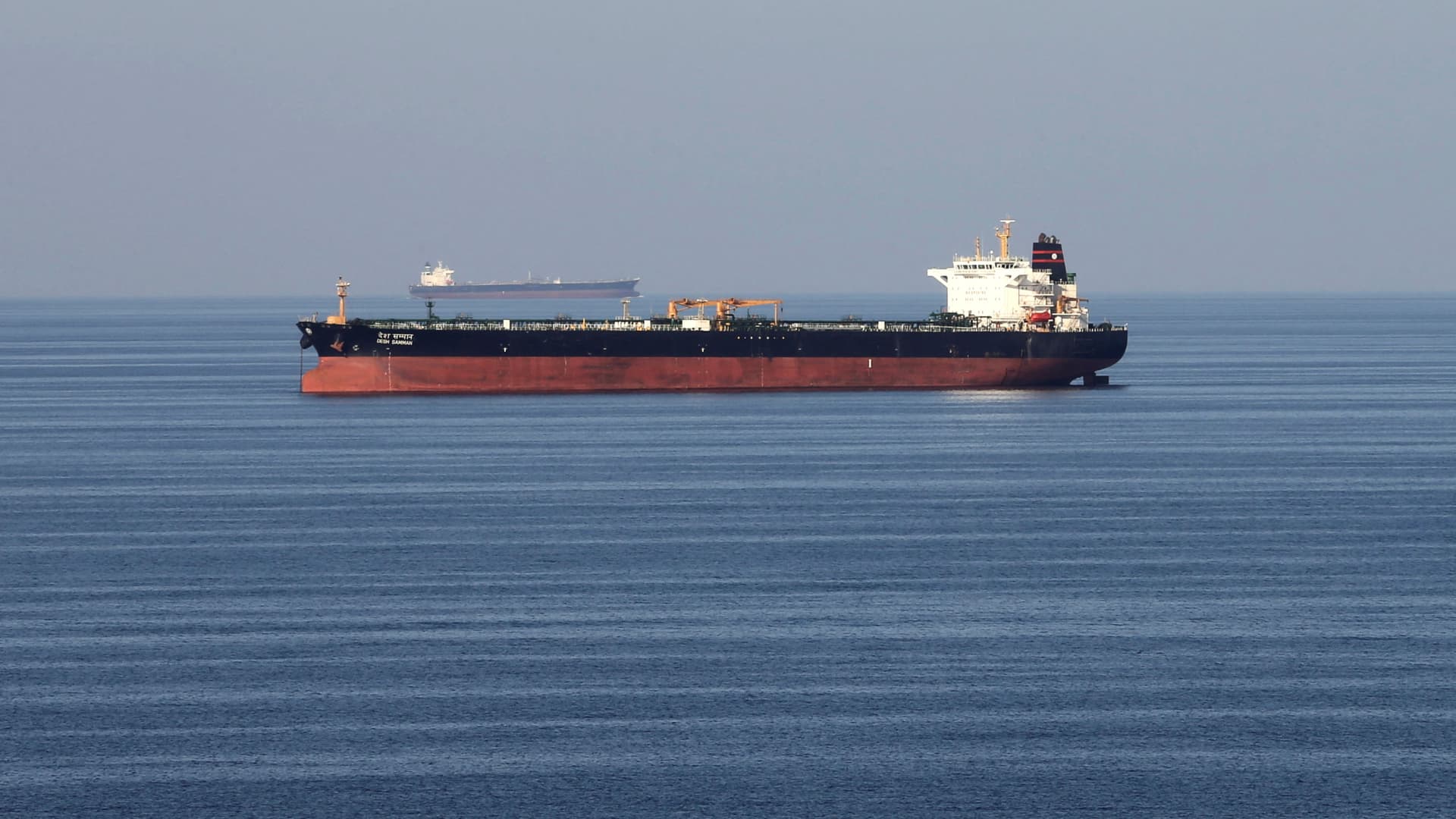
The price tag is uncomfortable but not surprising. Since the US-Iran confrontation escalated in late August, the Strait of Hormuz has seen transit volumes plunge to around 2 million barrels per day. Before the escalation, that figure sat between 8 and 9 million bpd.
What triggered the spike
The proximate cause is military escalation on multiple fronts. US forces targeted five Iranian oil tankers, marking a significant ratcheting up of direct action against Iranian energy infrastructure. Iran responded with missile strikes aimed toward Jordan, broadening the geographic scope of hostilities well beyond the Persian Gulf.
Meanwhile, Iranian-aligned Houthi militias launched attacks on Saudi energy facilities, causing casualties and meaningful damage. The combination of direct US-Iran confrontation and proxy attacks on a major OPEC producer created the kind of compound supply shock that traders fear most.