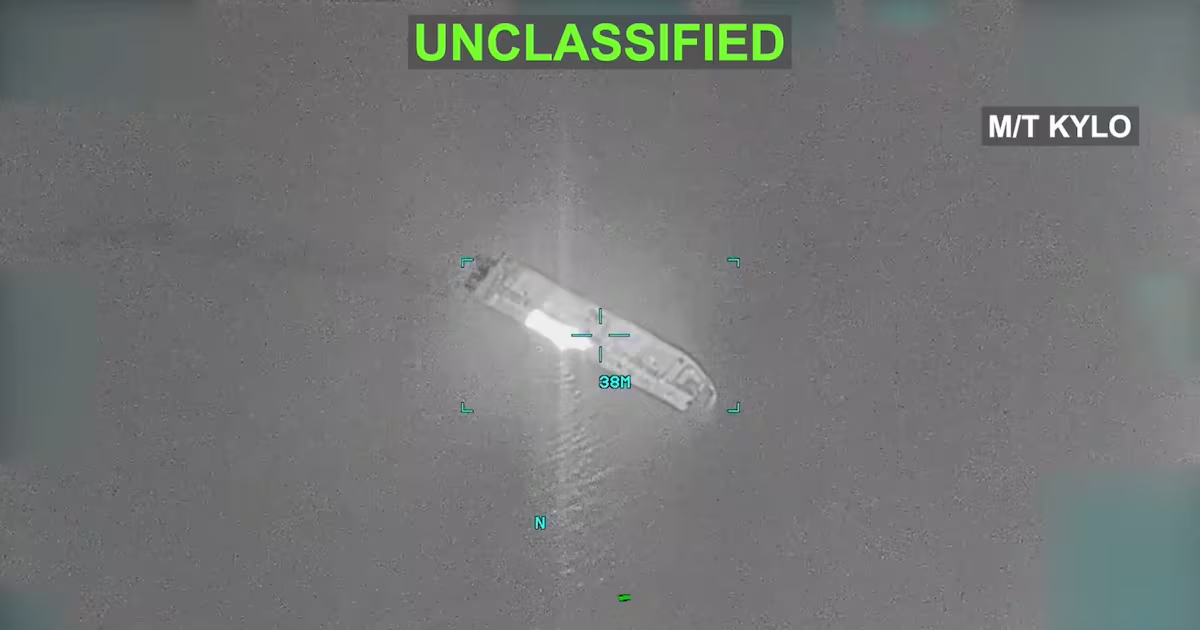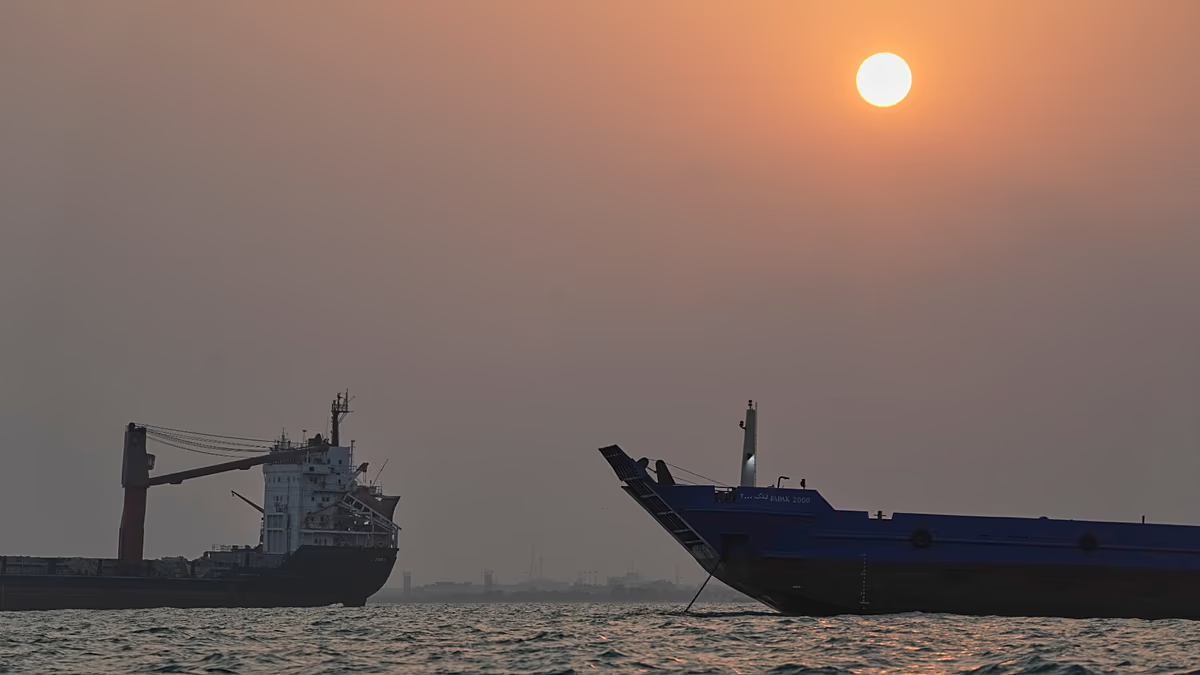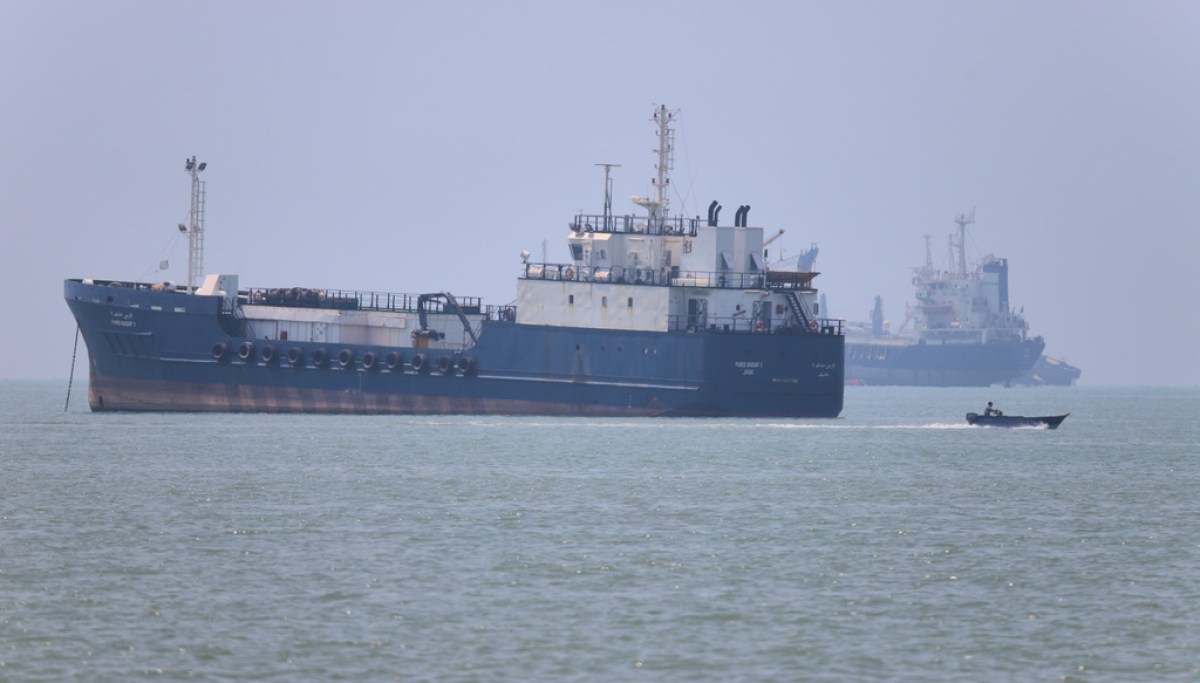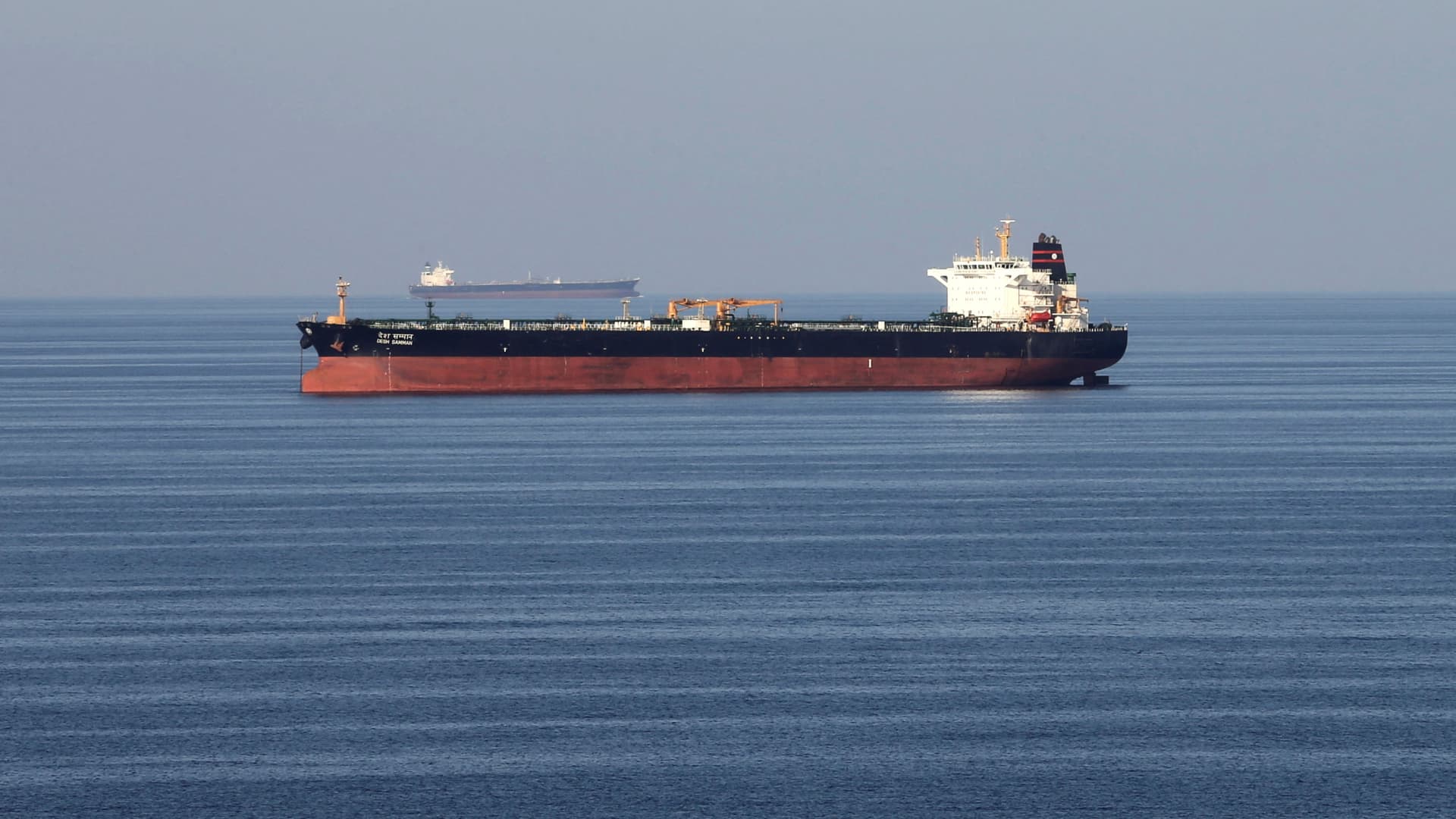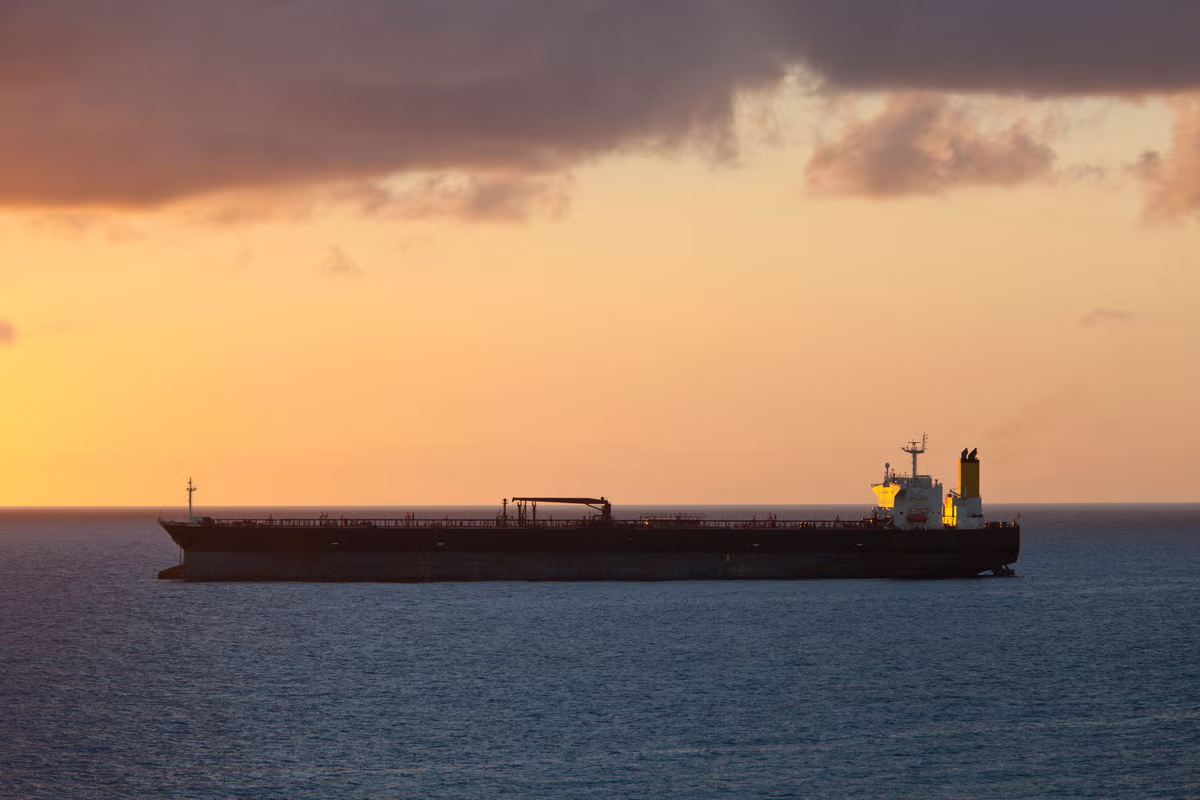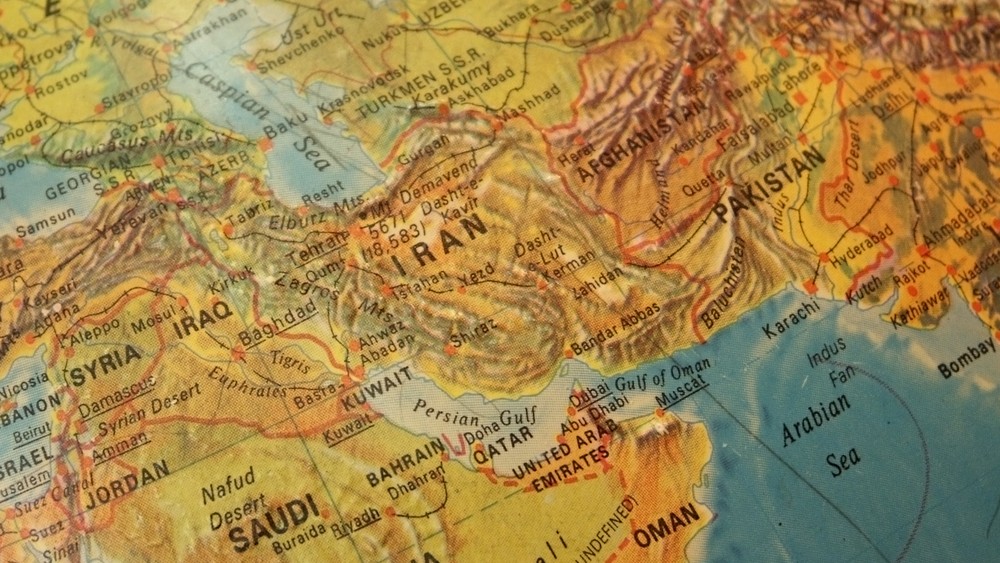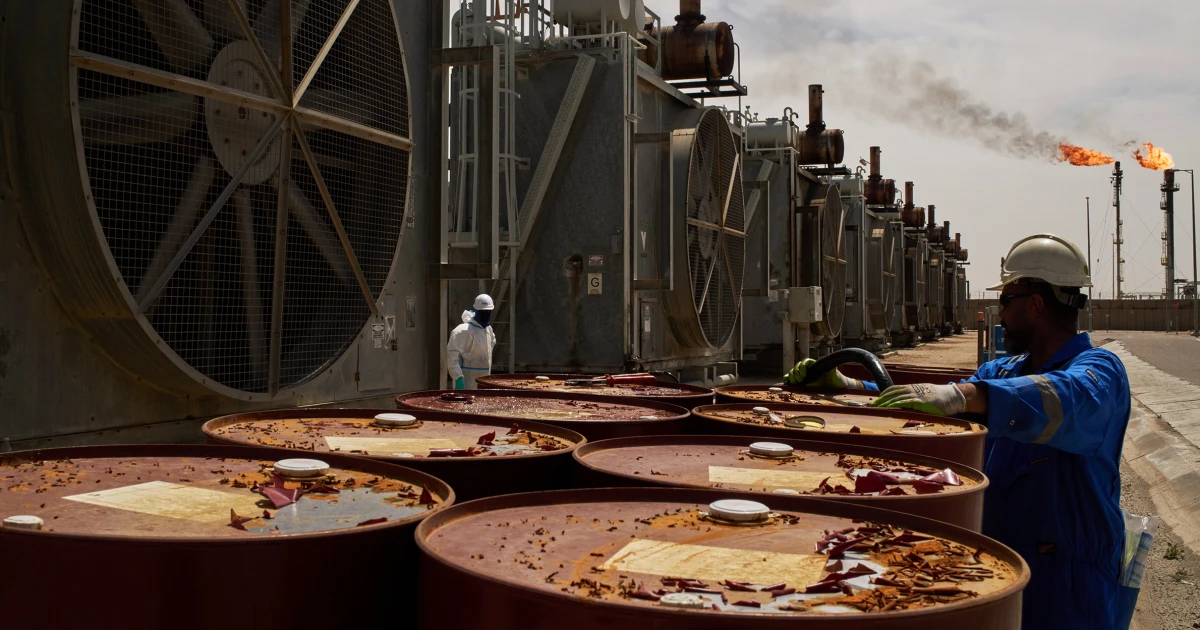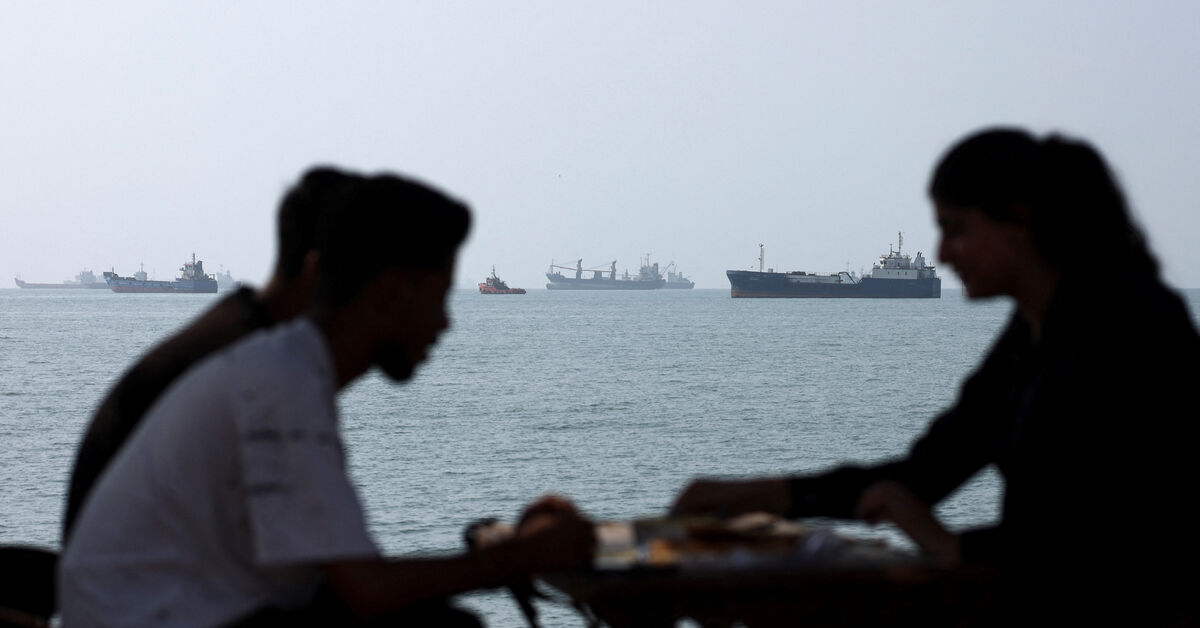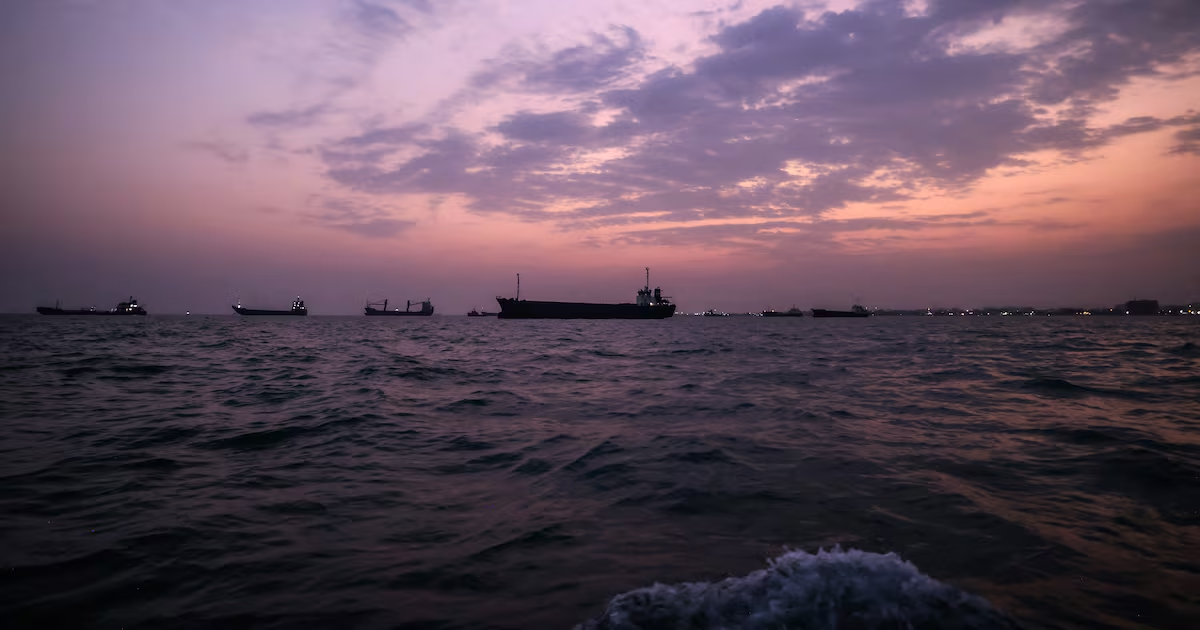
Brent oil moved closer to $100 a barrel after the US struck Iranian tankers near the Kharg Island export hub and in the Gulf of Oman, stoking fears of deeper disruptions through the Strait of Hormuz.The global benchmark is less than $1 from triple figures after renewed fighting across the Middle East, while West Texas Intermediate traded near $94. The US military destroyed five Iranian tankers carrying crude in response to attempts to hit a US Navy warship with ballistic missiles, Central Command said.Tehran responded by firing missiles at Jordan and warning ships in the Persian Gulf. All tanker crews near Kuwaiti and Bahraini piers should “immediately abandon their vessels, whether at anchor or docked, as they will be targeted,” Iran’s state TV reported, citing the Islamic Revolutionary Guard Corps.The US strikes follow fresh attacks by Iran-backed Houthi militants on energy facilities in southern Saudi Arabia, forcing several sites to halt operations. Hostilities have flared across the Middle East over the past week, ending a period of relative calm and driving oil prices higher.“The path of least resistance is a strong and steady grind higher as the war enters seven months,” said Darrell Fletcher, managing director for commodities at Bannockburn Capital Markets. “The fundamental picture for products remains bullish with global inventories and reserves deteriorating. In the typical pattern, the US and Iran continue their counterattacks and warnings.”Brent is up more than 60 per cent this year and is closing in on the $100-a-barrel mark for the first time since late July. Refined products such as diesel have rallied even harder this year as the Middle East conflict has broadened to the Red Sea near Saudi Arabia, alongside the Russia-Ukraine war. European natural gas prices rose for a fourth session after the latest US strikes.The destroyed Iranian tankers belonged to Iran’s Islamic Revolutionary Guard Corps, according to US Central Command. The strikes mark an escalation in the US campaign against Tehran, which already includes a naval blockade that has significantly reduced the country’s oil exports.Previous US attacks on Kharg Island focused on military assets, but president Donald Trump has threatened to target oil facilities and at times floated the idea of seizing the hub. Lying 24km off Iran’s mainland, the island is the loading point for around 90 per cent of the country’s crude exports.“When they try to hit US naval ships, they will get hit themselves,” secretary of state Marco Rubio told reporters while visiting Colombia. “For every time they do that, or try to do that, they’re going to lose tankers.”Following the US strikes, the UK Maritime Trade Operations said it had received a report involving a merchant vessel in Hormuz. Reports indicate the ship “was subject to interaction as part of ongoing military activity in the region”.Before the Iran war, about a fifth of the world’s oil and liquefied natural gas passed through Hormuz to global customers. Some crude is still being exported through the narrow waterway, often on tankers with their transponders switched off, but vessels face a persistent threat of attack.Separately, a resurgence in Chinese buying has helped tighten the global oil market and boost prices for some grades. The pickup marks a reversal from recent months, when refiners tapped ample inventories to limit imports and shield themselves from soaring prices. Smaller processors, however, are being squeezed by higher crude costs and may be forced to cut run rates. -Bloomberg
Brent oil pushes toward $100 a barrel after US attacks Iranian tankers
Renewed fighting stokes fears of deeper disruptions
565 words~3 min read