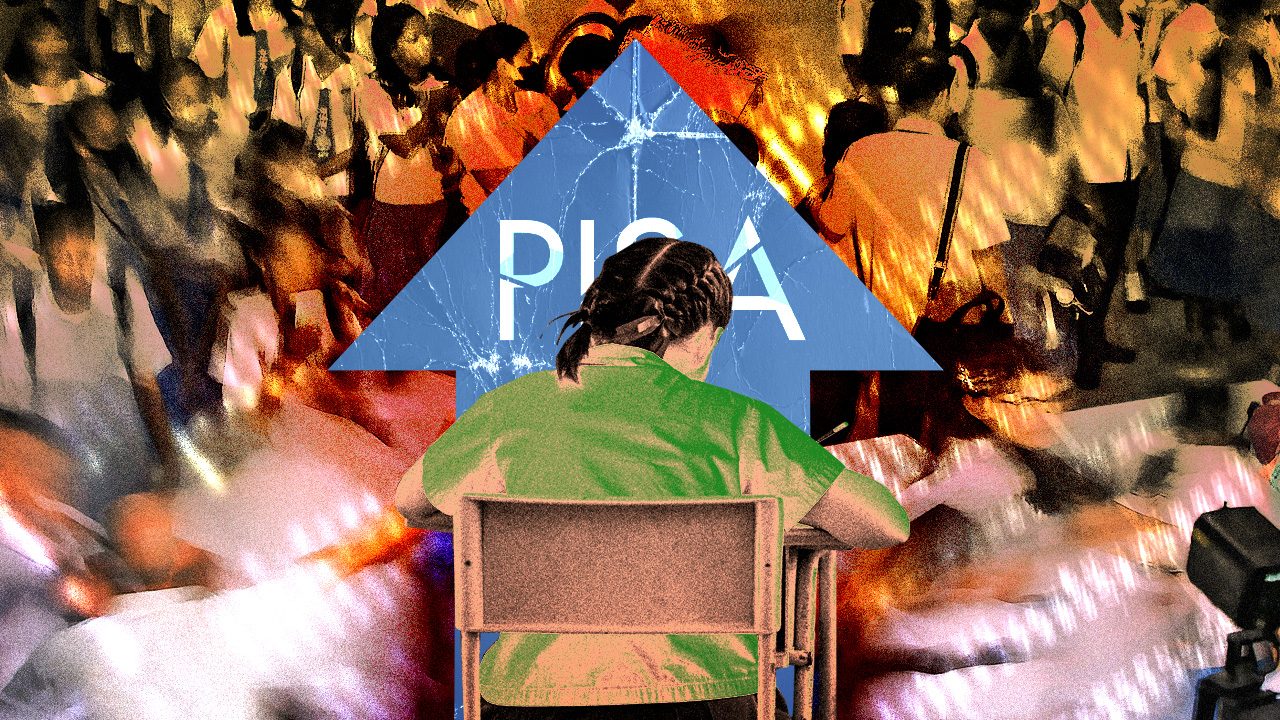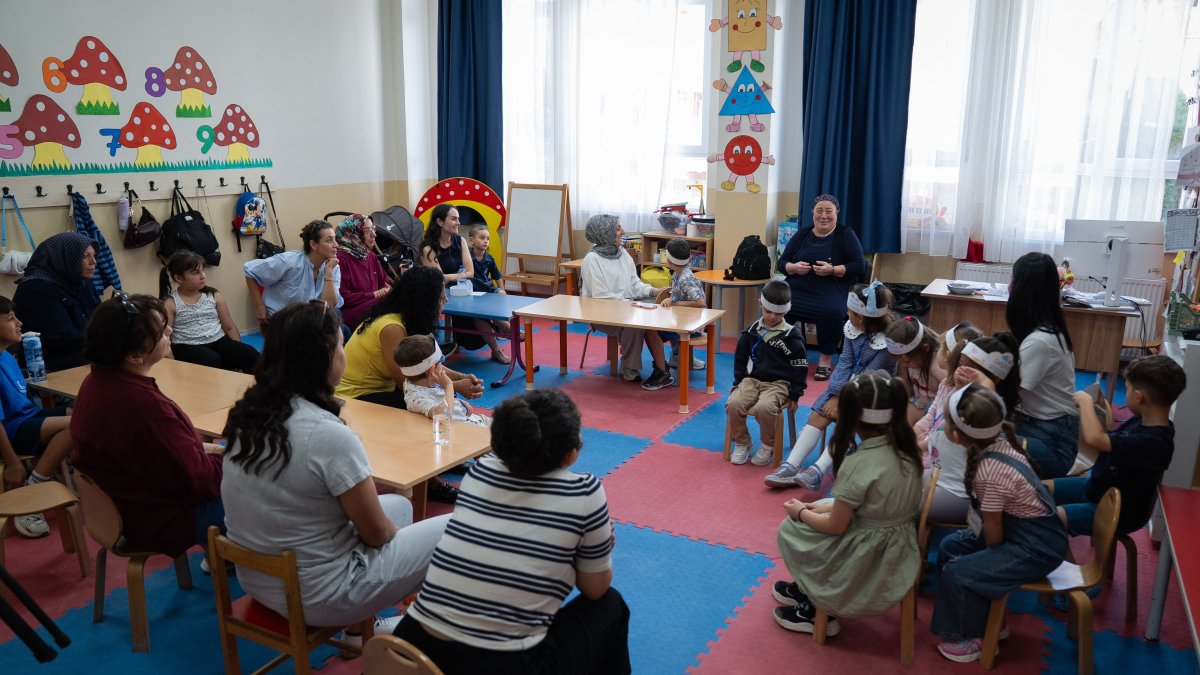
As countries around the world have moved closer to achieving the quantitative goals of universal schooling and mass education, a more fundamental question has emerged: As people spend more years in school and compulsory education expands, how effective is the education they receive, and what value does it actually create for individuals, societies and economies? It was against this backdrop that international organizations such as the Organisation for Economic Co-operation and Development (OECD) sought to better understand the relationship between education and economic development and to provide countries with a comparable measure of the effectiveness of their education systems. One of the most influential outcomes of this effort was the Programme for International Student Assessment (PISA). Over the past quarter-century, PISA has evolved into a global education phenomenon, one powerful enough to trigger what have come to be known as “PISA shocks” in a number of countries, prompting intense public debate and, in some cases, major education reforms.
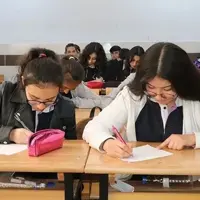
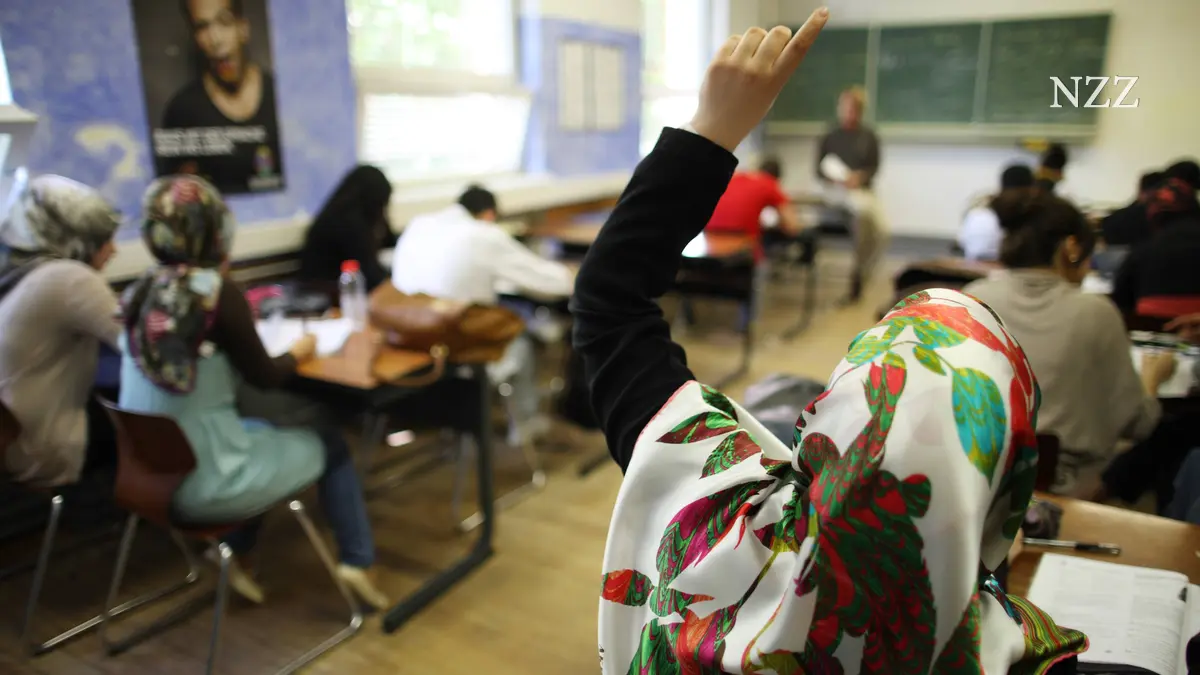
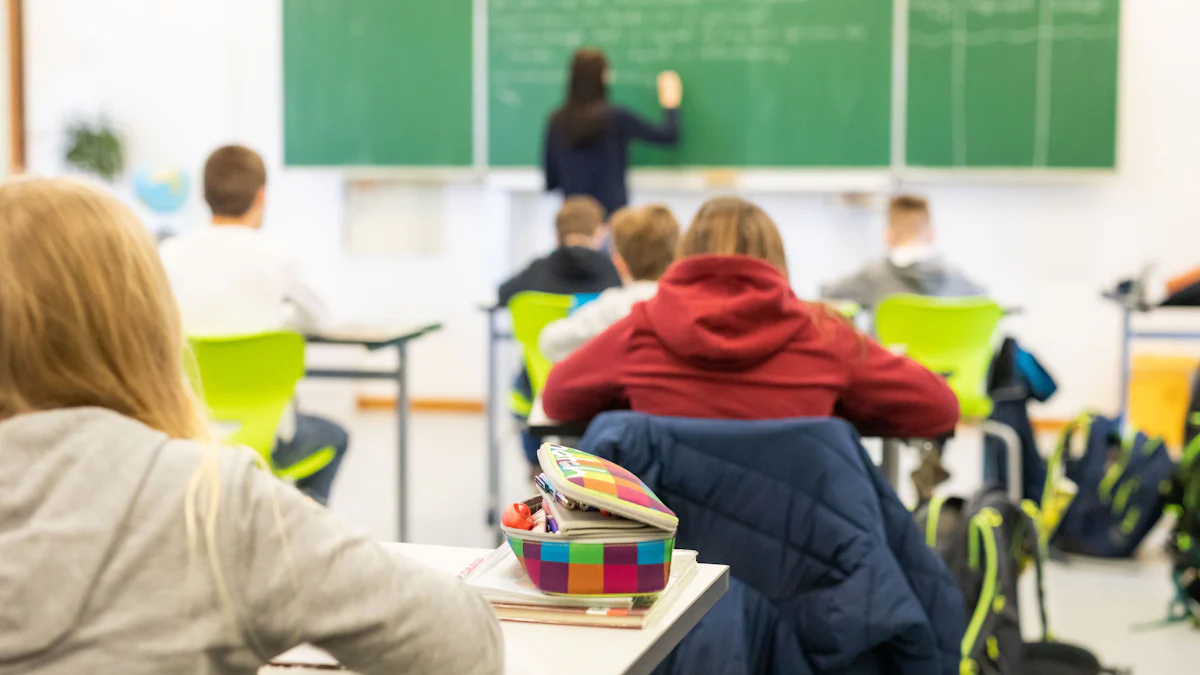
First conducted in 2000, PISA assesses 15-year-old students approaching the end of compulsory education. Rather than simply testing whether students can reproduce what they have learned at school, it examines whether they can interpret knowledge, reason with it and apply their knowledge and skills to real-life situations in science, mathematics and reading. In this sense, PISA asks a deceptively simple but consequential question: What can young people actually do with what they have learned? Conducted every three years, PISA reached a record scale in 2025, with more than 760,000 students from 91 countries and economies participating in the assessment. Yet the results also reveal that education systems around the world are still struggling with the learning losses and disruptions associated with the COVID-19 period. The first major signs of this deterioration had already become visible in PISA 2022, and there was good reason to expect that its effects would persist into 2025. They did. The latest results show a historic deterioration in the average performance of OECD education systems. Across the 38 OECD countries, the downward trend remains striking, with the sharpest decline occurring in reading. This should concern us for reasons that extend far beyond rankings. If mass schooling was one of the great educational achievements of the 20th century, the defining challenge of the 21st is increasingly clear: not simply how long young people remain in education, but what intellectual capacity they acquire during those years.