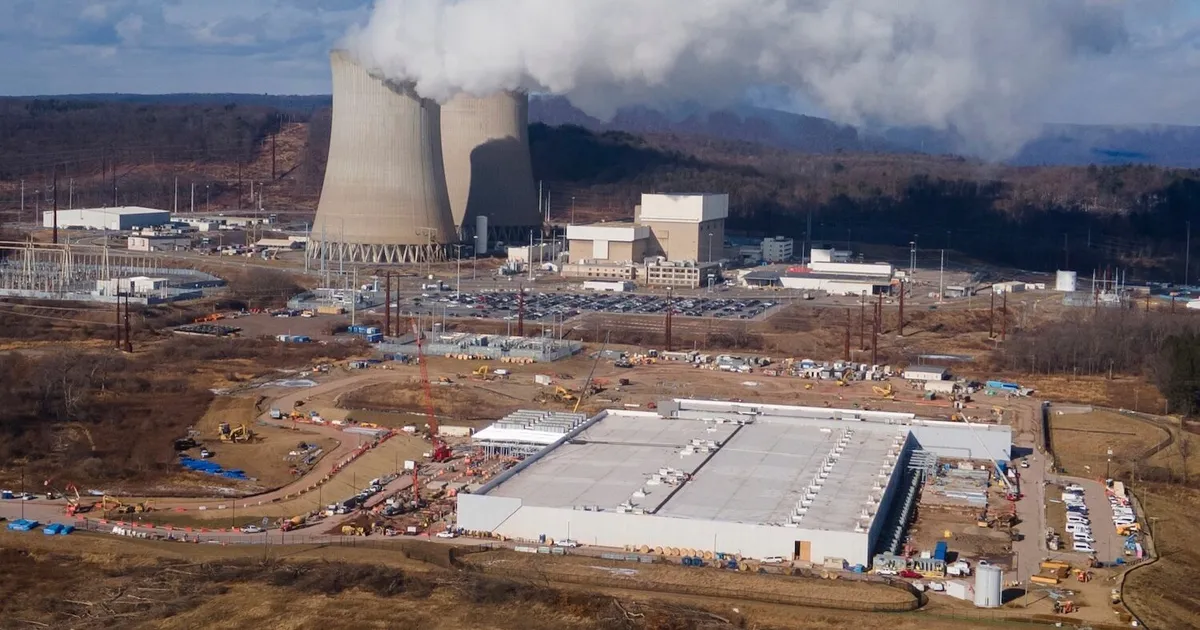
Analysts have criticized PJM in general and Ohio in particular for making it difficult to build inexpensive solar, wind, and battery projects in recent years — all of which could have helped cushion rising costs now and alleviate projected capacity problems in the future.
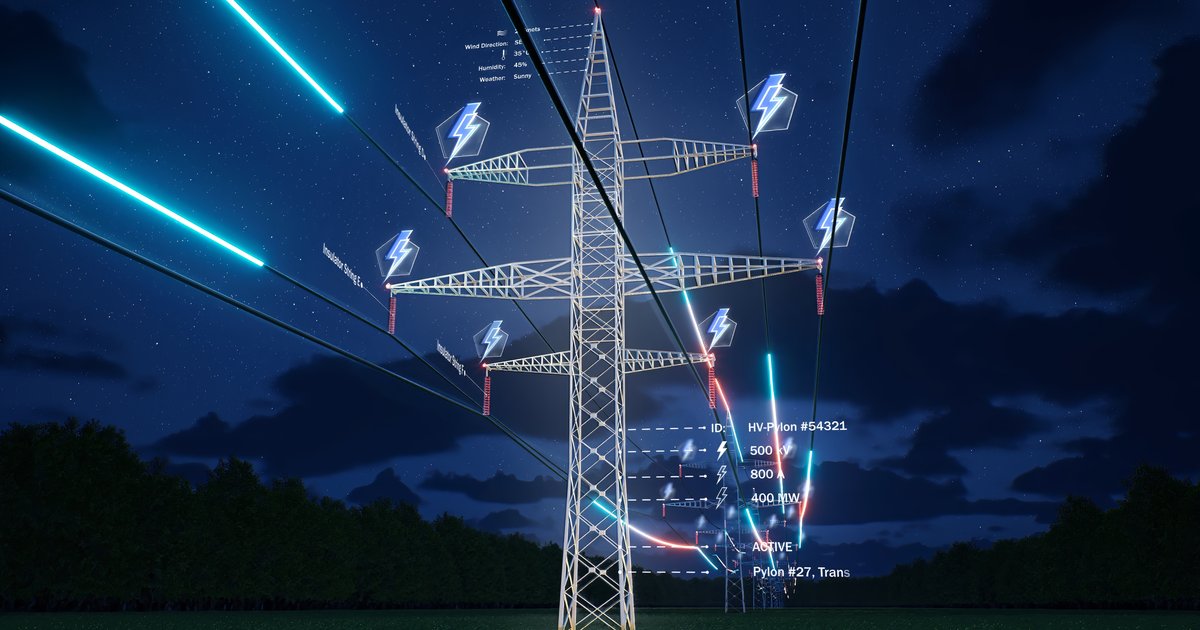
Projections by utilities and the grid operator also drive plans for expanded infrastructure, because utilities map out those investments today on the basis of what they expect customers will need in the future.
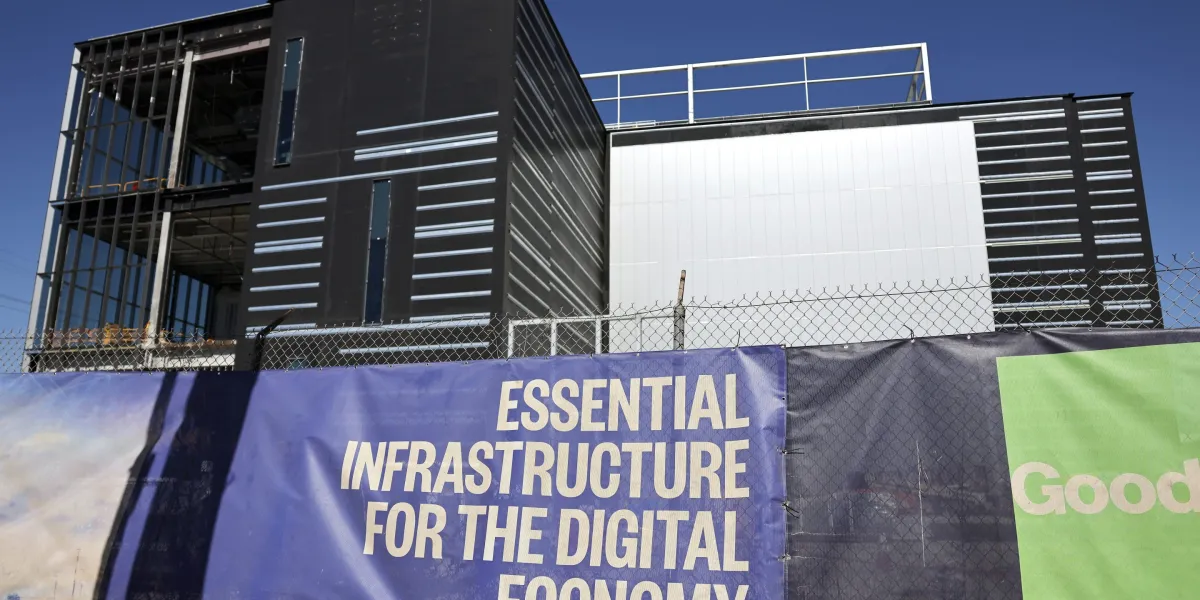
“If these data centers don’t show up …, you’re going to pay the costs,” said John Seryak, CEO and founder of the energy consulting firm RunnerStone.
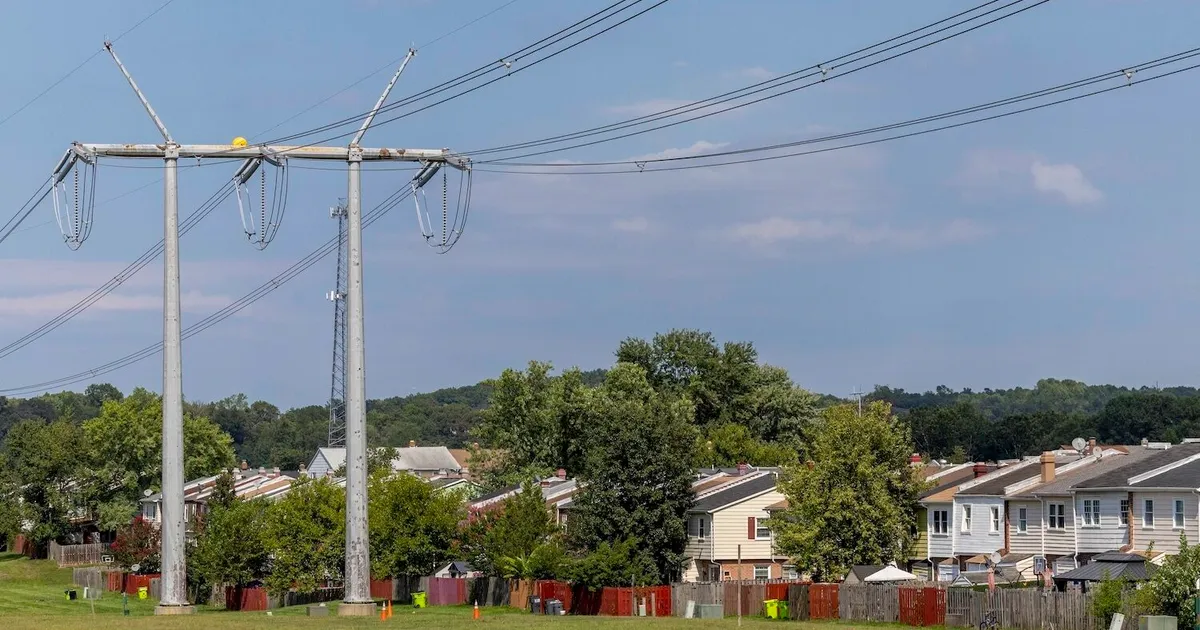
In Ohio, both manufacturing and consumer advocates worry that plans to build transmission and other infrastructure are not being met with enough scrutiny.
Although large-scale projects are overseen by the Federal Energy Regulatory Commission, lower-level “supplemental” transmission is up to the states, PJM’s Haque said. Those projects are necessary to meet growing demand, including that from data centers, especially where developers won’t bring their own power or nonetheless want to tie into the grid for backup.