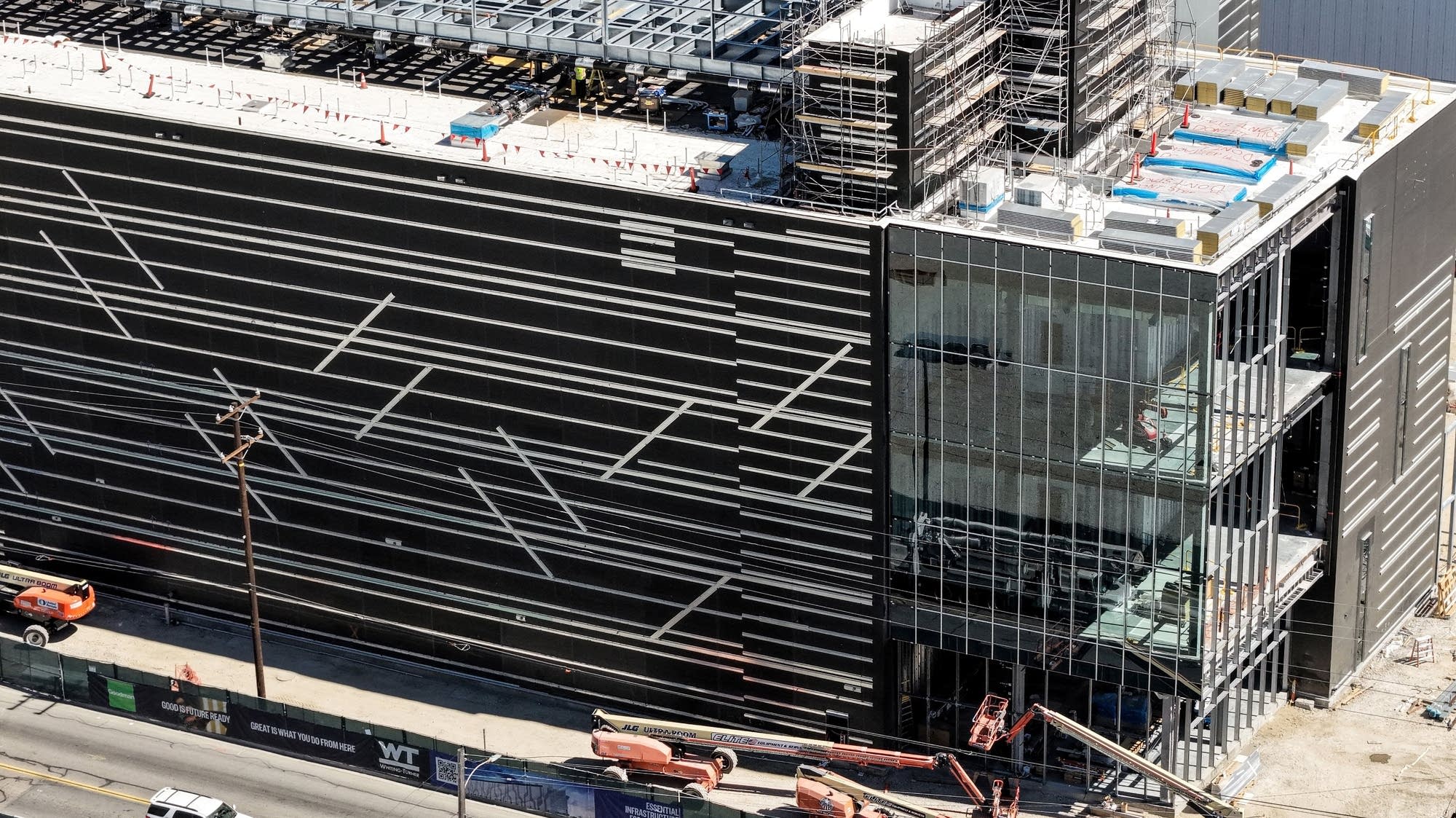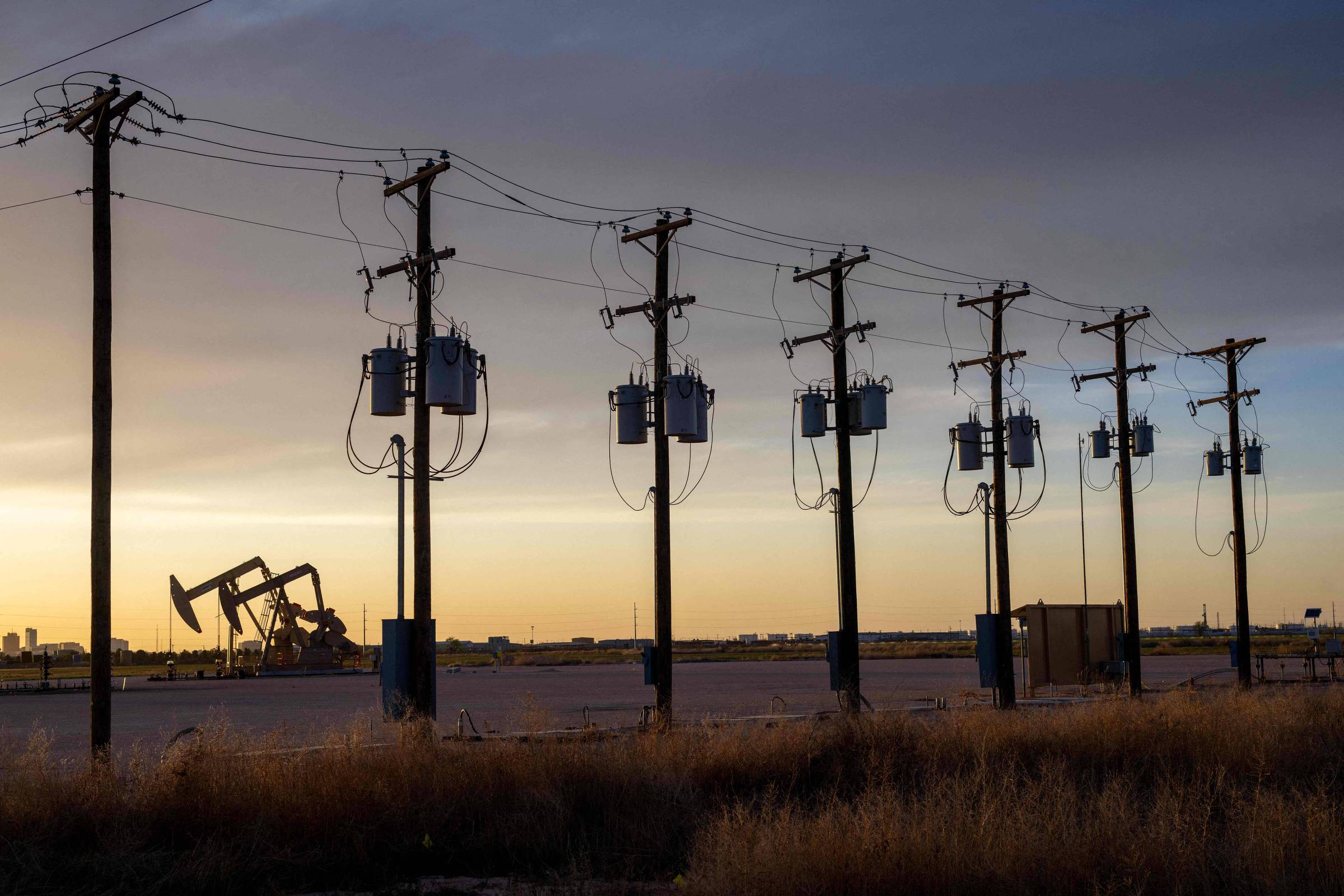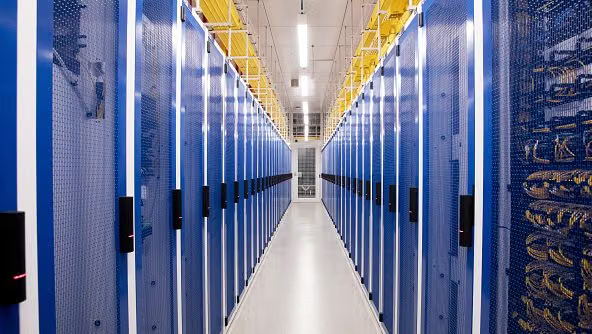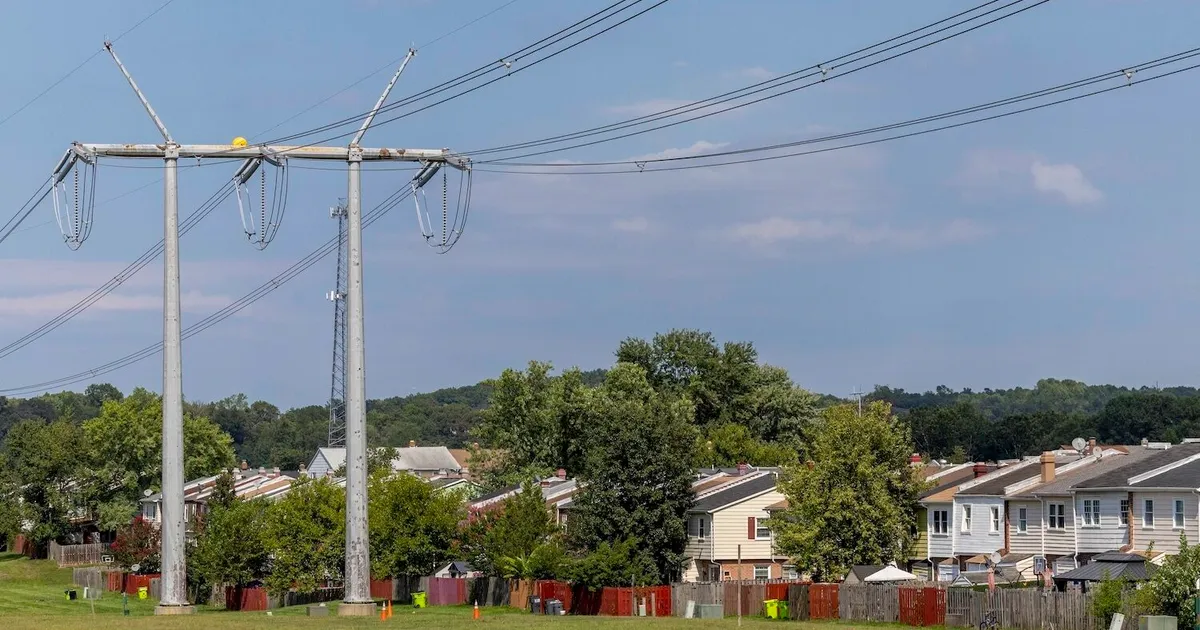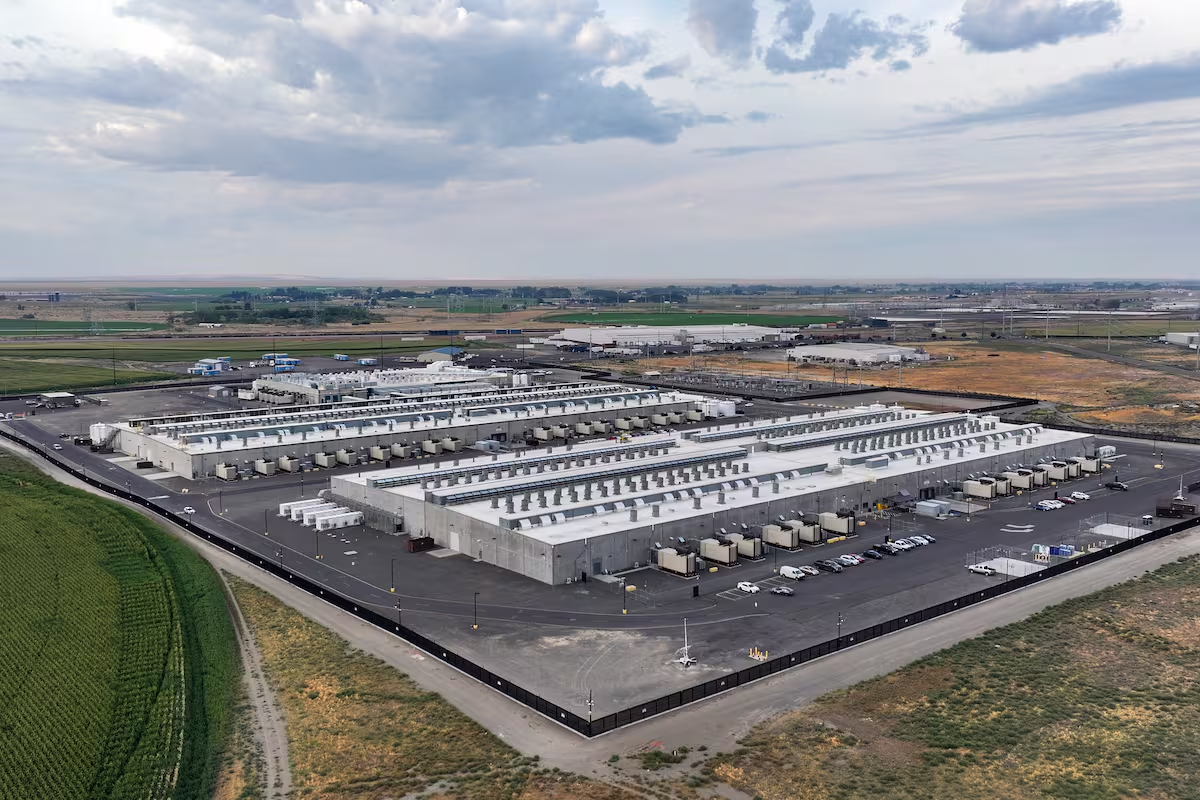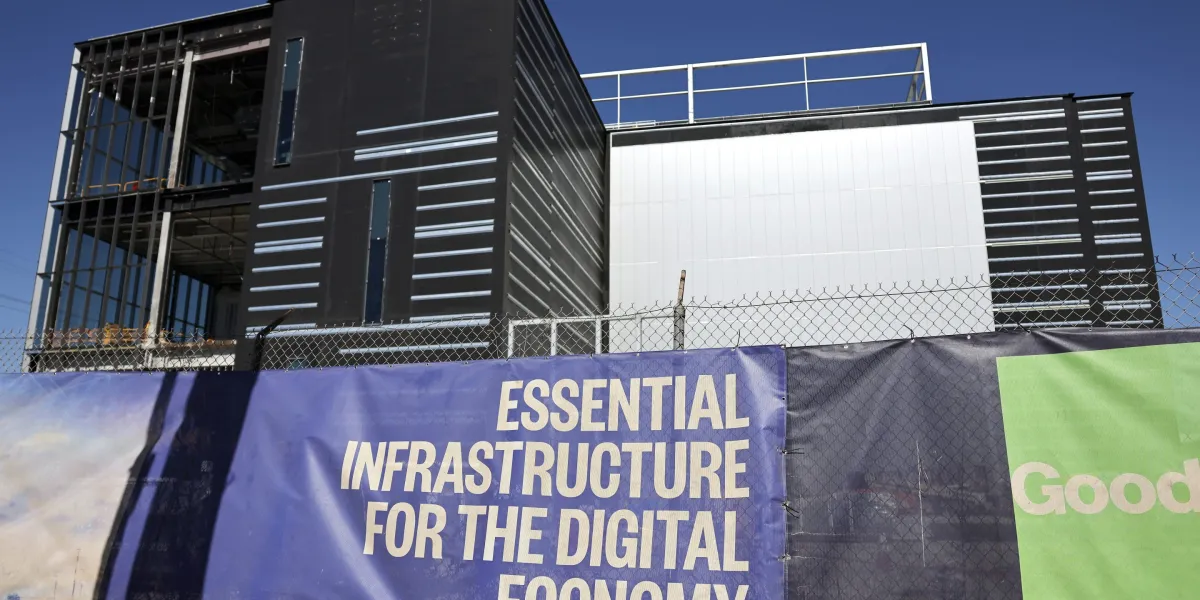
For example, a recent report by the organization that monitors the PJM market, an area that encompasses all or part of 14 mid-Atlantic and Midwest states, concluded that expected power demand from data centers was a primary reason for $23 billion in customer price increases that will last until at least the end of 2028.Someone has to pay for substations and other electricity transmission equipment – but who, and how much? Joe Raedle/Getty Images
The complexity of setting prices
Setting a price for electricity is straightforward in principle but complicated in execution. Regulators identify the costs to provide service, allocate the costs to customers and design prices to recover those costs.
First, regulators identify the costs that a utility company incurs to provide service. Regulators look at the value of the assets the utility company invests in, such as power plants, transmission lines and substations, as well as its day-to-day operating expenses, such as salaries, fuel, replacement parts and electricity it purchases from other sources. Then these costs are allocated to categories of customers, such as residential, commercial and industrial.
Ideally, costs are allocated to the customers who cause them, but that can be complicated to determine. For example, imagine a data center is built in an area that lacks existing power lines and is located 50 yards from a nearby electric substation. It’s clear that the data center should pay to run a 50-yard power line from the substation to the data center.