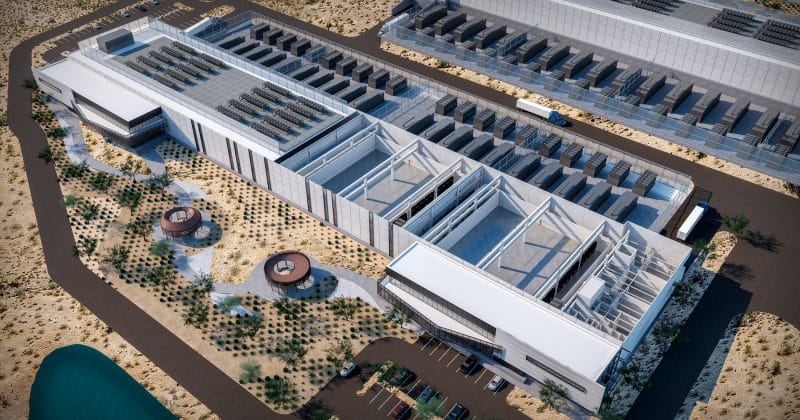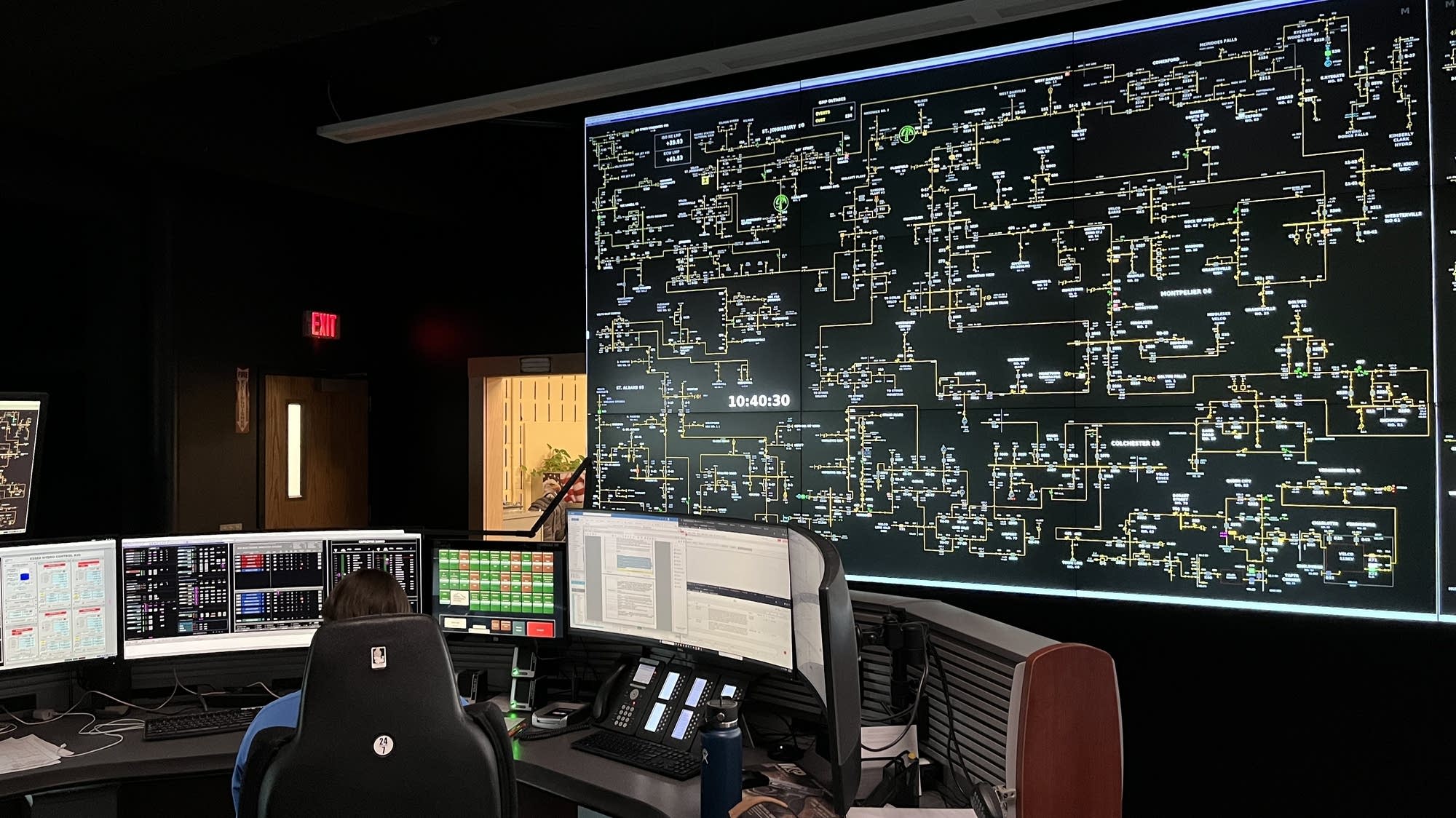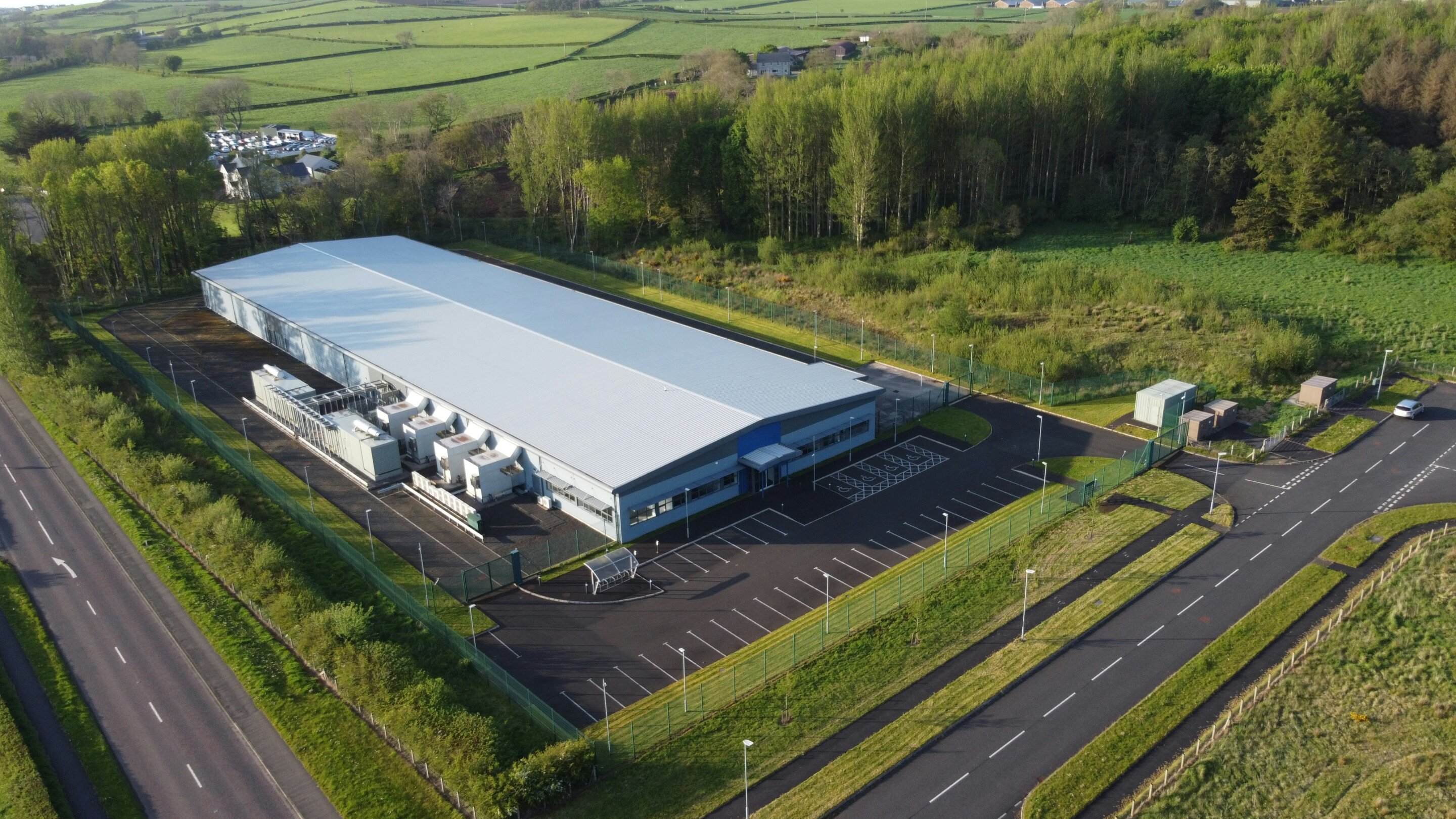
Two-thirds of Americans think new data centers will increase electricity costs, according to a Harvard poll conducted last year. There’s a logic to that belief: Data centers use tons of power, and average electricity prices have risen 39% nationally over the past five years, according to economic data from the Bureau of Labor Statistics.But a recent study from the Electric Power Research Institute, a non-profit research organization funded by government, academia, utilities, and the private sector, finds that new data centers weren’t the main cause of that increase. Replacing aging grid infrastructure, recovering from natural disasters like wildfires and hurricanes, and fluctuating natural gas prices drove electricity prices higher, according to additional research from the Lawrence Berkeley National Laboratory and The Brattle Group. In fact, facilities powering AI and other digital platforms put downward pressure on electricity prices. But as data centers continue to grow, that trend may be starting to reverse. To explain how a power-hungry data center can actually lower electricity prices, we’ll use an analogy: Say you’re throwing a party, and you’re buying a big spread of food for your guests. You ask each of your guests to chip in an equal amount for their share of the food.“You know that your buffet is going to cost you $1,000, let's say, and if you have 10 people show up, your cost is much higher per person,” said Robin Millican, director of research programs and strategic partnerships at Columbia University’s Center on Global Energy Policy.That comes out to $100 each, a pretty pricey buffet. But then, you find out your cousin and four of her friends are in town. They want to come to the party, too. That’s five more guests, and they’ll pay their share. So, the price of that buffet goes down for everybody, to $66 per person.To translate this to power prices and data centers, the “buffet” is the fixed cost of running the power grid: Building and maintaining all the power plants, poles, wires, and substations. The guests are electricity consumers. Your cousin and her friends are a new data center hooking up to the grid.“You're taking the fixed costs of managing the grid, and you're able to essentially have more customers pay for those fixed costs,” Millican said.This is partly how data centers pushed down electricity prices in recent years, according to the EPRI study: They helped spread out those fixed costs of providing electricity to more customers.“Average residential retail rates in the average state would have been about 6% higher without the data centers built from 2019 to 2024,” said Asa Watten, a researcher at EPRI and the co-author of the study.One big caveat there: It’s a national average. In certain states with ample power supply, adding data centers has lowered electric bills, said Ryan Hledik, a principal at the consulting firm The Brattle Group, where he’s also studied this issue.“Those states that have experienced those price decreases are states that already had room on their power grid to accommodate these new customers without needing to go out and make big investments in new infrastructure,” Hledik said.He pointed to North Dakota as a good example. It had an excess supply of electricity from coal, natural gas, and wind. Bringing in large industrial customers, including data centers, lowered prices for residential customers from 2019 to 2024.But in other regions that don’t have much excess power, data centers have started to have the opposite effect. “If it's a utility or a system or a market that doesn't have that headroom, then it is possible that the data center is going to drive up electricity prices,” Hledik said.This is what’s starting to happen in the mid-Atlantic and parts of the Midwest, overseen by the grid operator PJM, Hledik said.“Demand has risen quickly, and there isn't enough generation capacity that's available to keep up with that demand,” he said.That’s driving up costs for everyone.To return to that buffet analogy, say the party is underway and your guests have eaten most of the food. But then, another group of your friends shows up. They’re hungry. So, you have to go out and buy extra food for them, and all of your guests end up paying more.This is what utilities and policymakers are now grappling with as more data centers push up electricity demand. One way regulators are trying to handle the issue: By charging data centers a higher rate for electricity.“Essentially, state regulators are setting a different class of rates for data centers to have them bear the costs of things like new transmission lines, new substations that are required in order to serve their new demand,” said Millican.Historically, she said, regulators have granted big industrial customers lower electricity rates than households as a way to incentivize economic growth. But in many regions, that policy might not make sense anymore.
Data centers lowered electric bills in some places — for now
A study from the Electric Power Research Institute found that data centers put downward pressure on average electricity prices through 2024. But that might not continue if data center demand outpaces electricity supply.
803 words~4 min read