Photo credit: CHALERMPHON SRISANG / Shutterstock
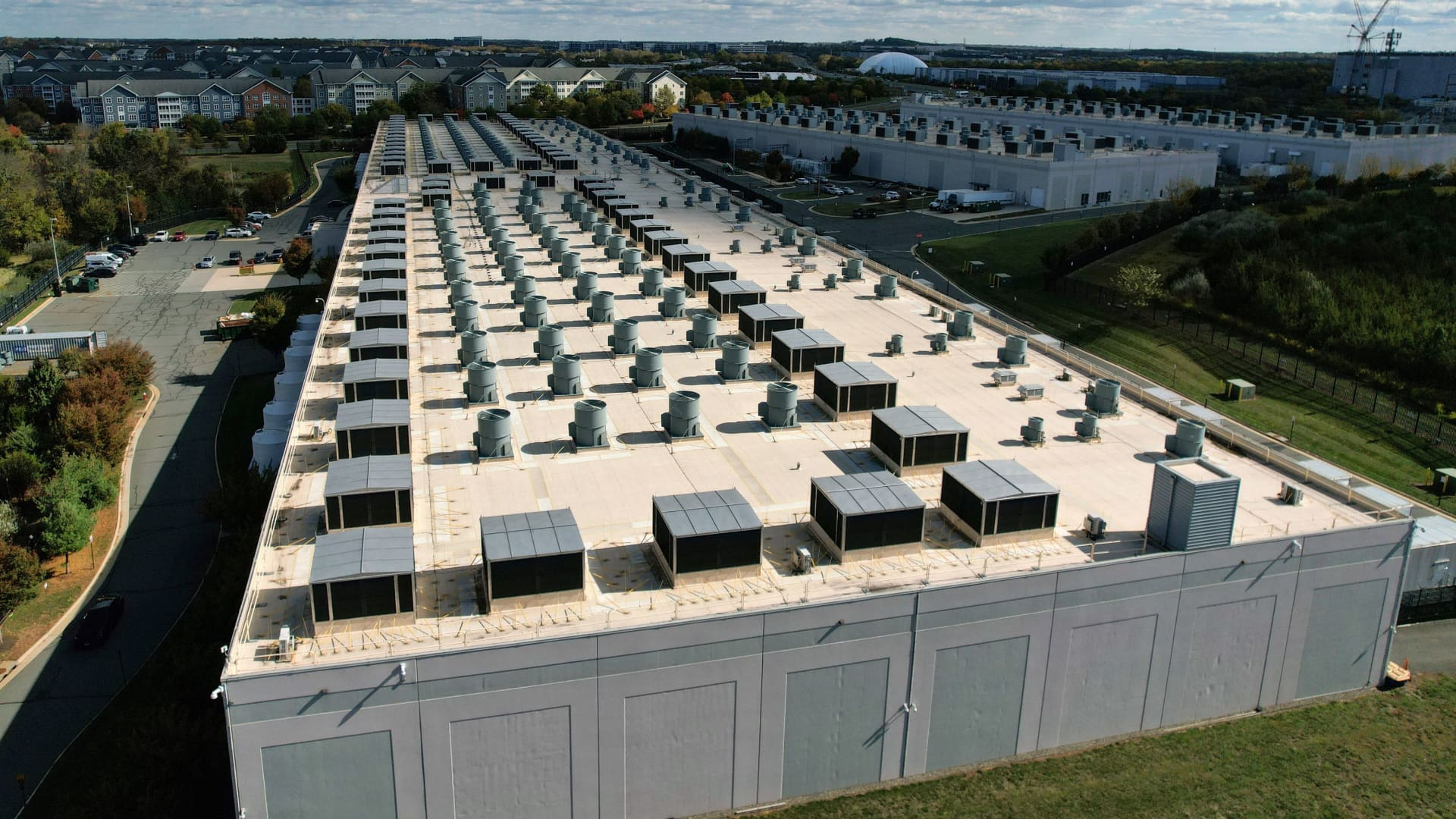
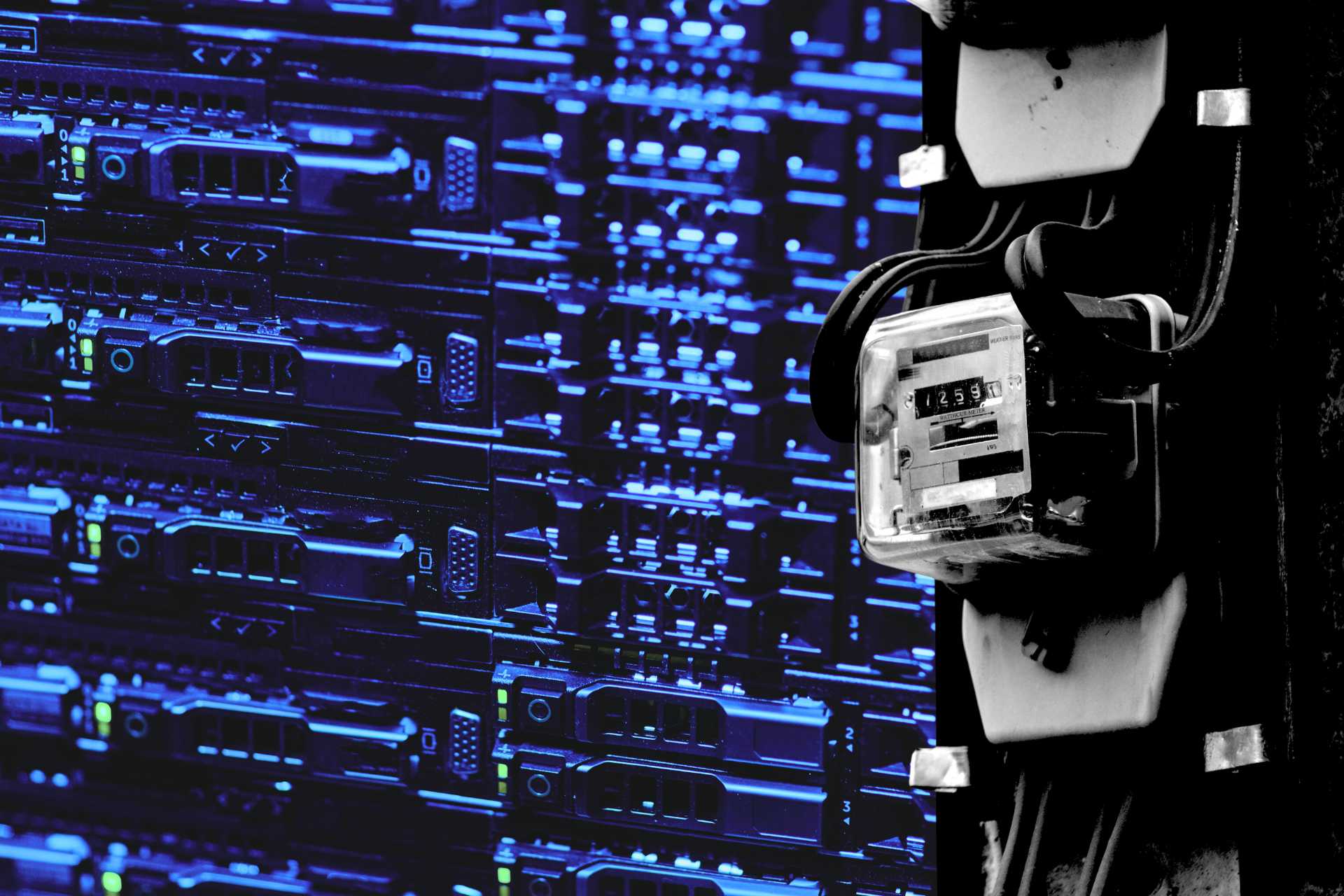
Electricity bills are going up. At the same time, data centers are springing up all over the United States, demanding more energy infrastructure be built to support them. And everywhere from community town halls to the White House, debate is on about how much those data centers are contributing to the rate increases.
Previous research, including an October 2025 Lawrence Berkeley National Lab report, has found that it’s not straightforward — but data centers certainly aren’t wholly to blame. Two significant contributors are “poles and wires” costs as utilities upgrade aging infrastructure, as well as extreme weather recovery and mitigation. Load growth, those researchers found, is actually correlated with lower rates. (The report was updated with newer data just two months ago, and came to the same conclusion.)
In the last week, two more reports have landed, from the utility-owned research group EPRI and Columbia University’s Center on Global Energy Policy, complicating things further.
EPRI’s analysis would seem to exonerate data centers. It also found that the growth of data centers is associated with lower retail electricity rates — 6% lower on average between 2019 and 2024 — for two reasons. First, economies of scale. The electricity system is set up so that all ratepayers pay for fixed costs like transmission and distribution, and more demand means those costs are shared more widely. Second, the costs of building new energy infrastructure has dropped, meaning that new generation tends to be cheaper than the older assets it replaces.