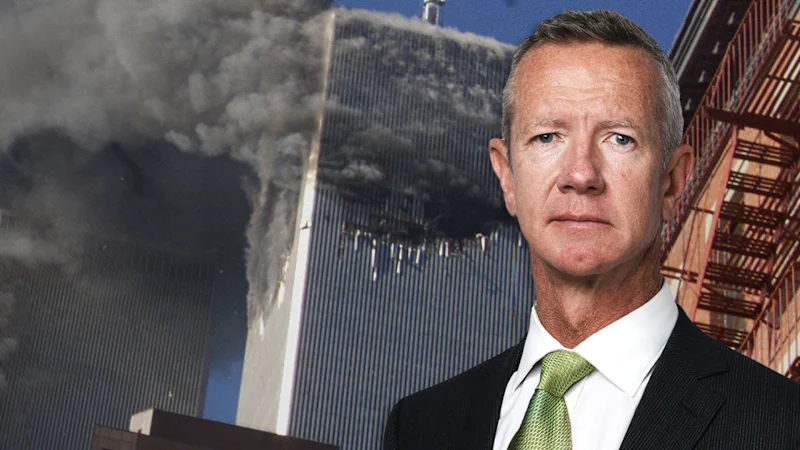
EDITOR’S NOTE: Peter Bergen is a CNN national security analyst, a vice president at New America, a professor of practice at Arizona State University and the author of the just published, “All the Presidents’ Wars: Twenty-Five Years of America’s War on Terror,” from which this piece was, in part, adapted.
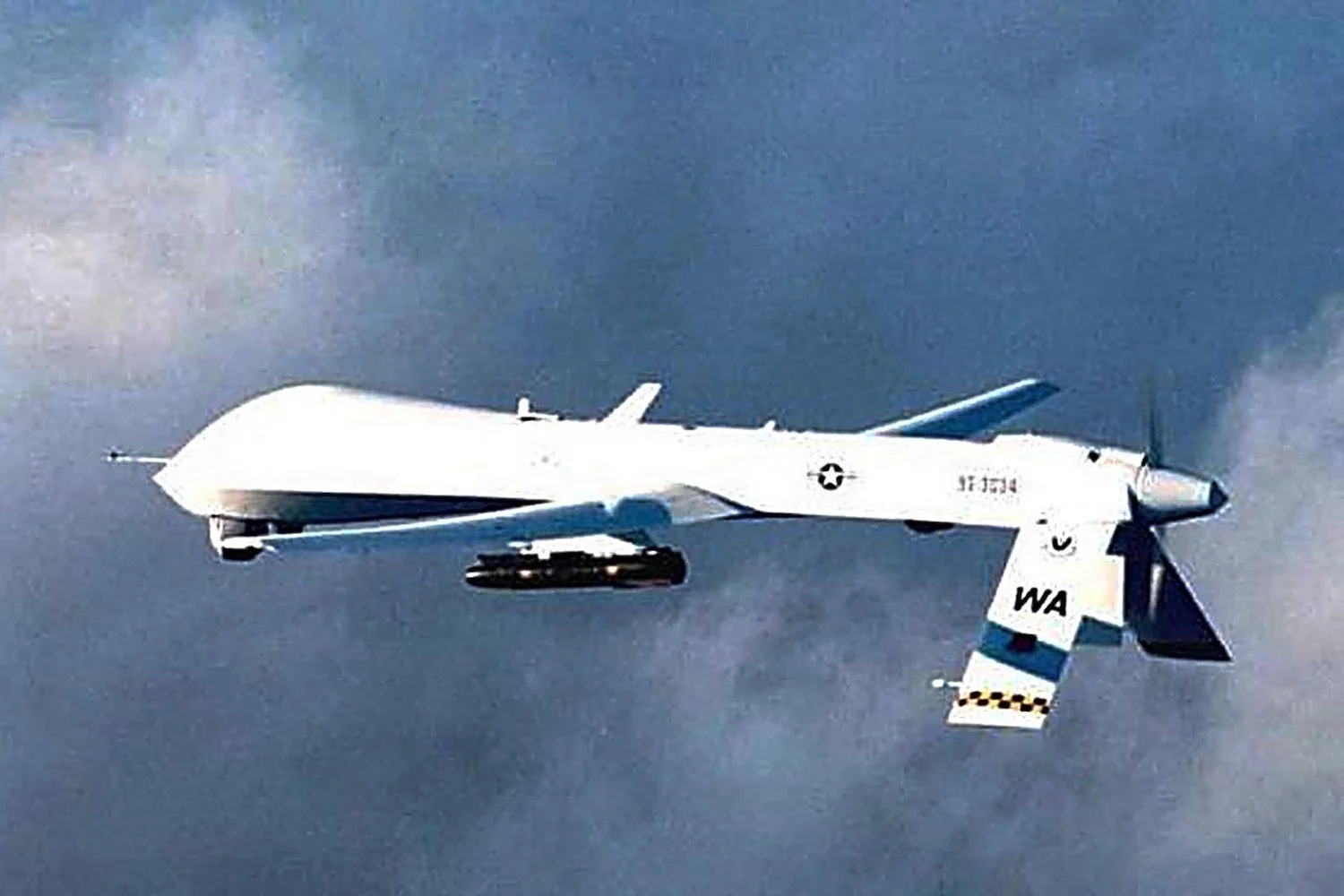
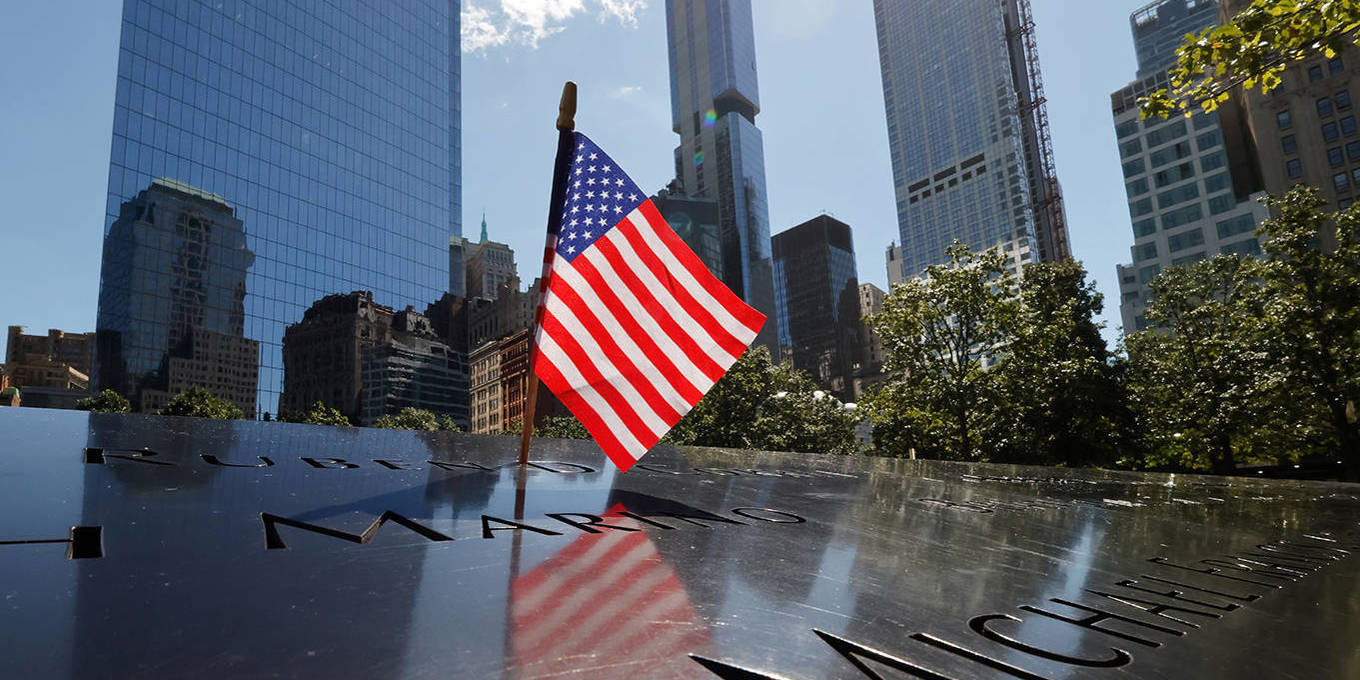
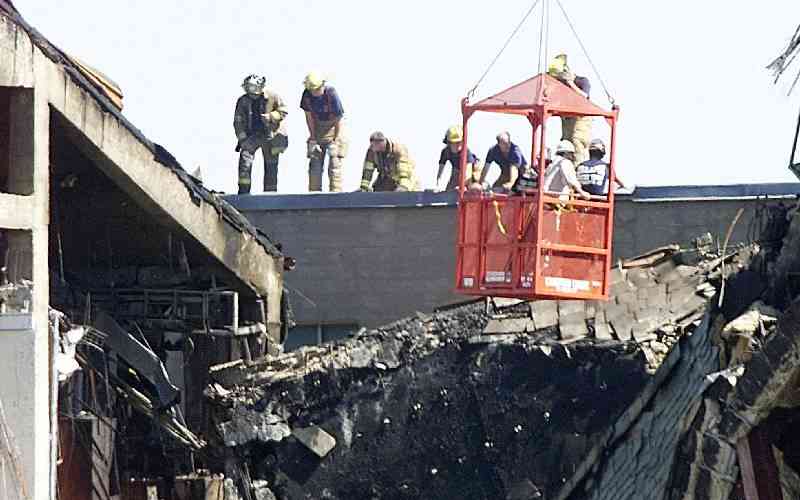
Friday marks the 25th anniversary of the attacks of September 11, 2001. Since 9/11, US presidents have expanded their power, step by step, to wage war anywhere, anytime, as they please.
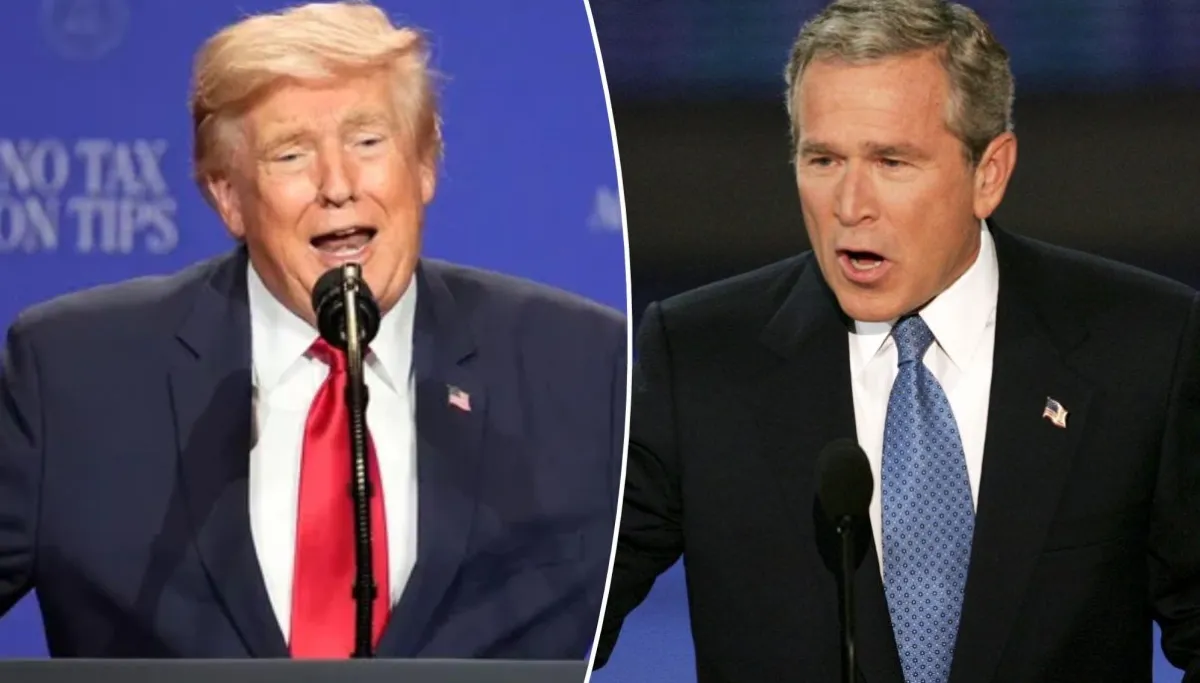
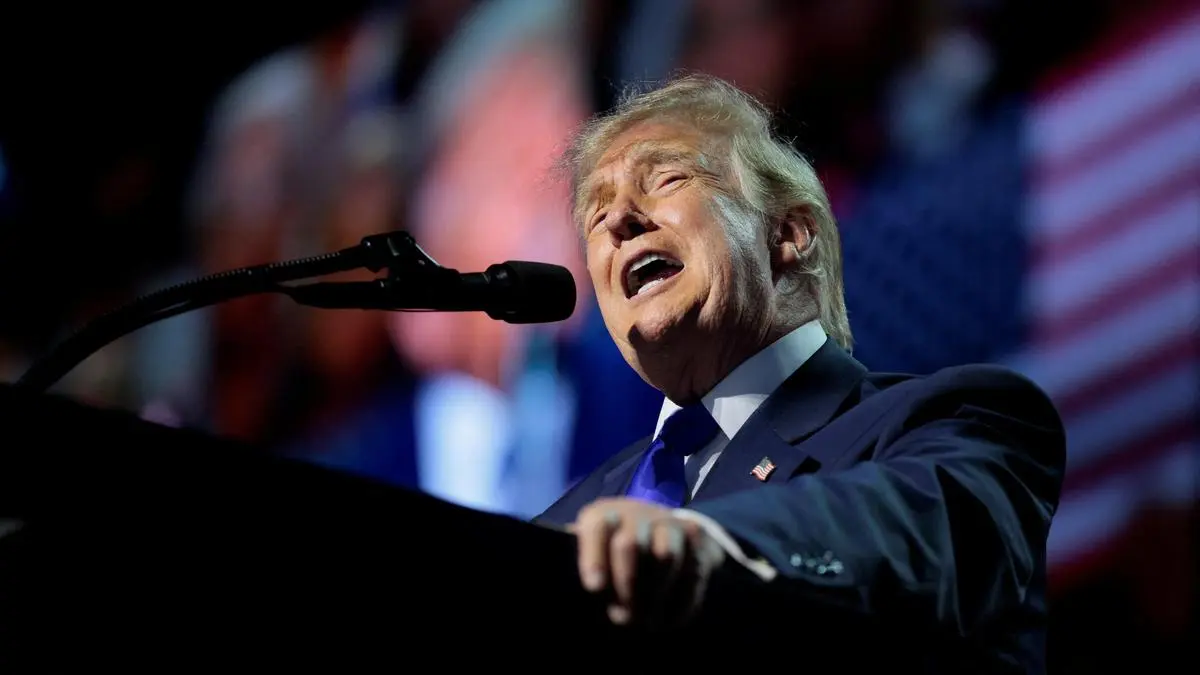
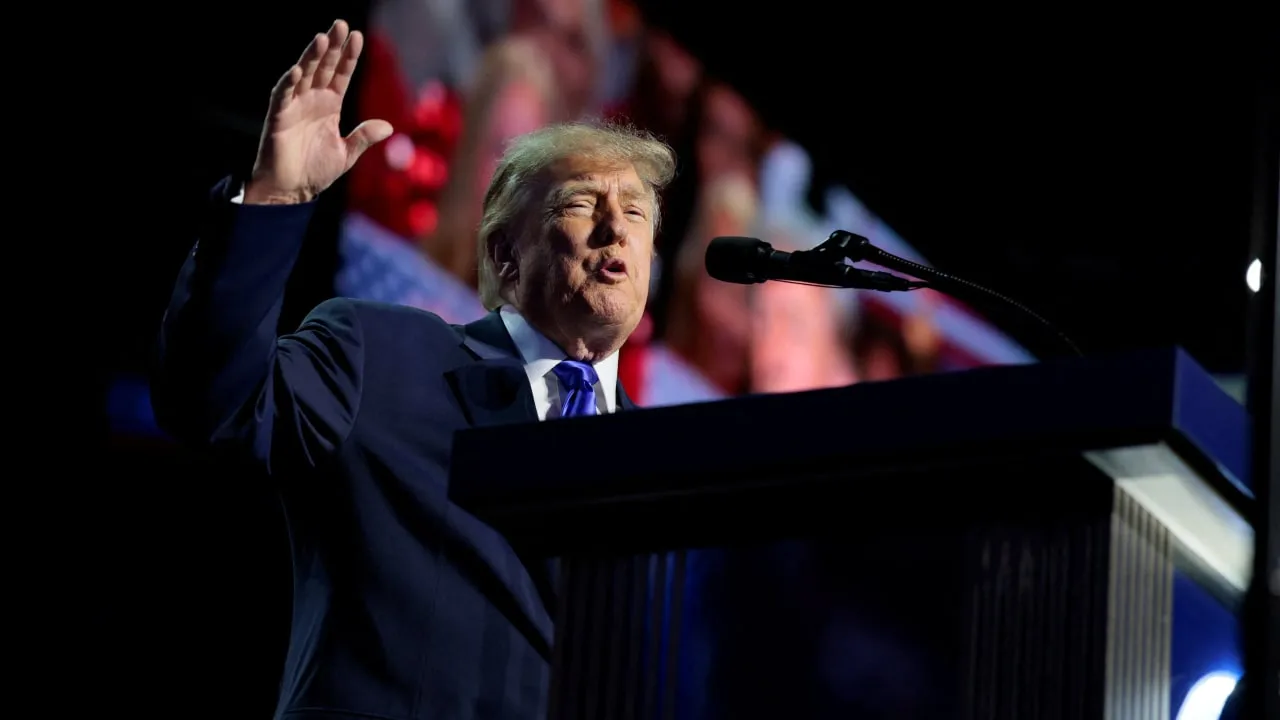
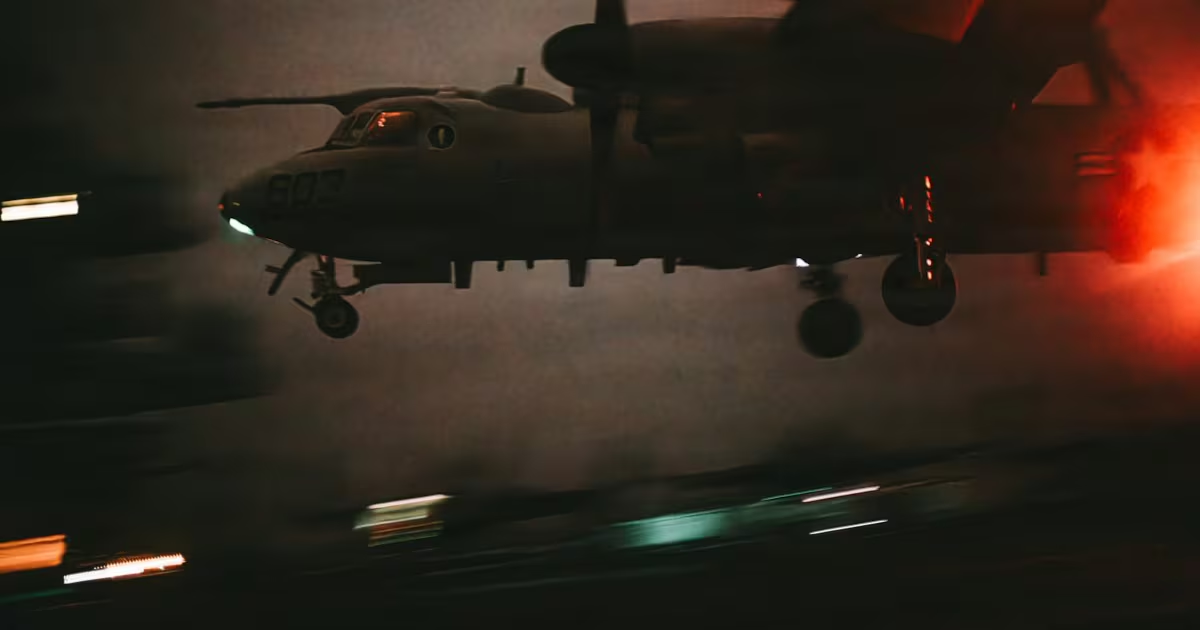
With Operation Epic Fury in Iran, President Donald Trump reached a new peak in the war-making powers claimed by the US commander in chief. Trump launched his war of choice on Iran — in his words, “the world’s No. 1 state sponsor of terror” — without any congressional authorization, the support of NATO allies or a UN resolution. There was also scant buy-in from the American public for what was at its outset the least popular war of the modern era, nor was there anything resembling an imminent threat to the United States. Nor had Trump bothered to learn anything from past American wars, and he did not have a real plan for the “day after” hostilities commenced.
The US military has long been adept at breaking things and killing people, but when its tactics were not aligned with a clear strategy, the United States ended up in the quagmire of Vietnam, or the sectarian civil war in Iraq that eventually birthed ISIS, or precipitating a possible global economic recession caused by the Iran war.