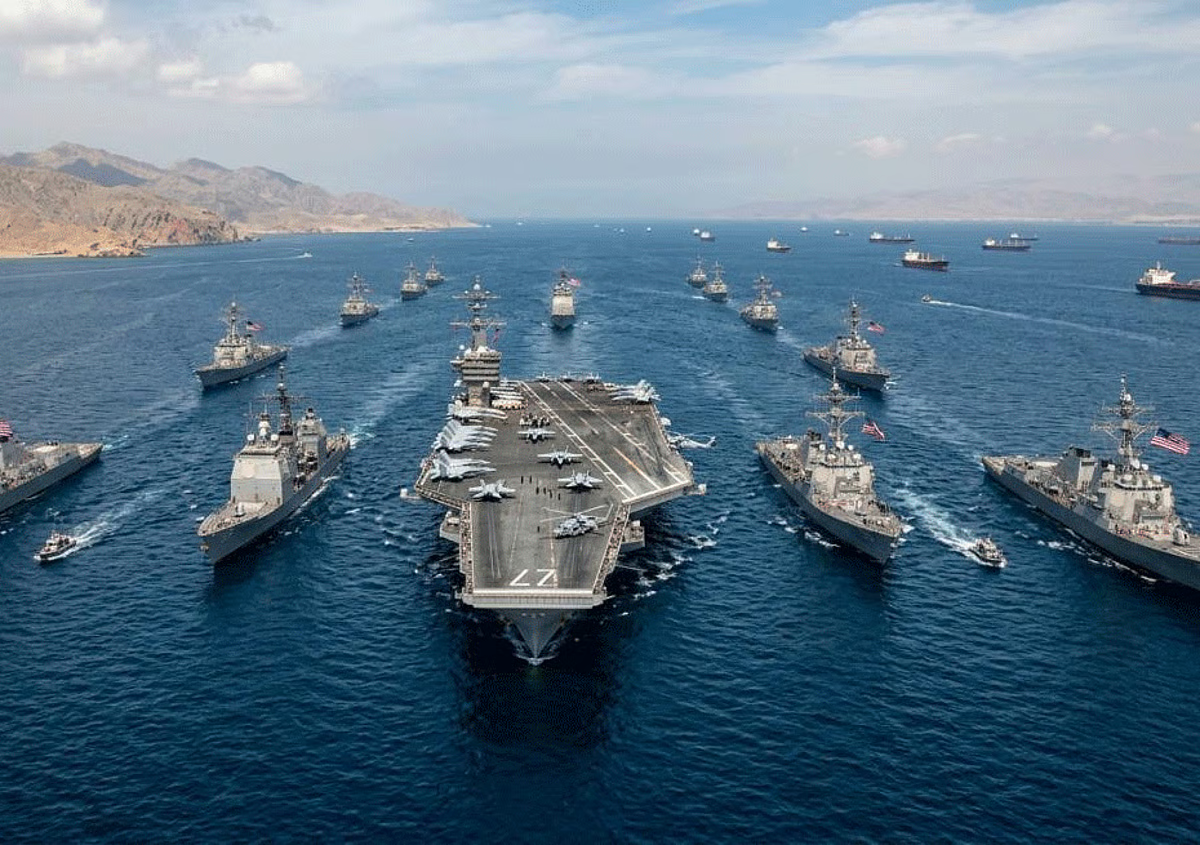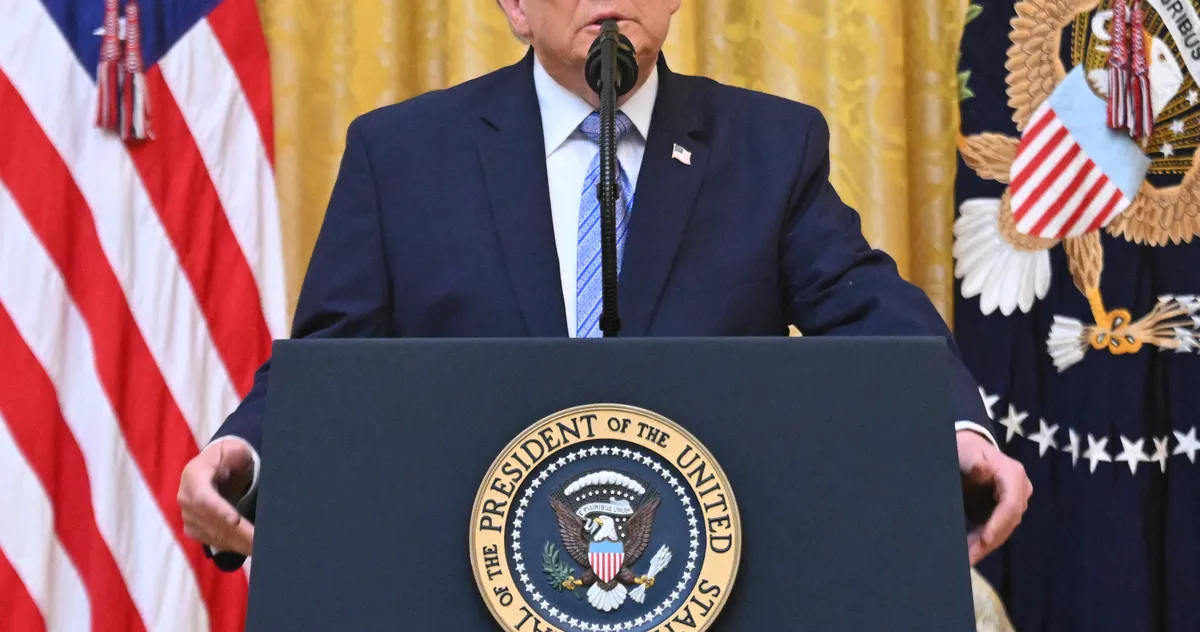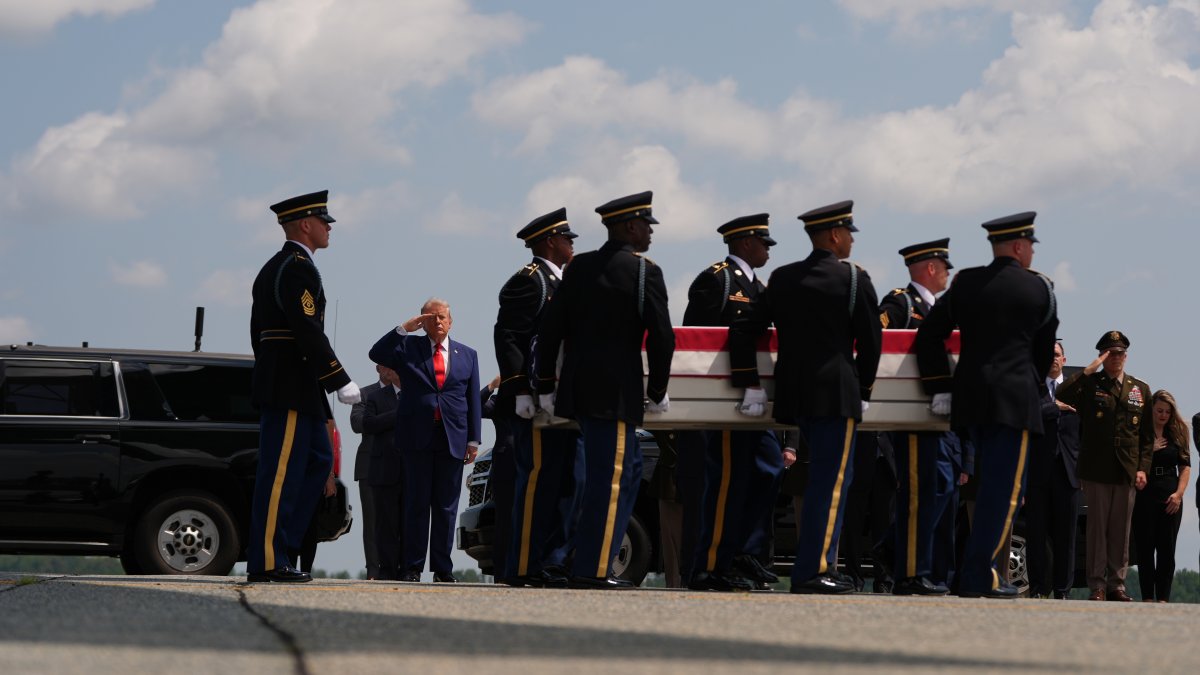
Donald Trump campaigned for a second term as a "president of peace" who would end foreign wars, but 25 years after the Sept. 11 attacks launched America's global "war on terror," he is now mired in a conflict of his own making that analysts warn could become his own "forever war."
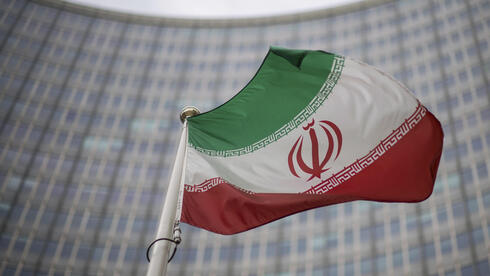
With the 9/11 anniversary at hand, Trump's war against Iran is drawing comparisons in foreign policy circles to the long, divisive conflicts in Afghanistan and Iraq that preceded it. It is also prompting questions about whether the U.S. has again failed to learn the lessons of past conflicts or prepare a clear exit strategy.
"Trump has broken an important post-Iraq and Afghanistan constraint in Washington against launching another major, open-ended war in the Middle East," said Sina Toossi of the Center for International Policy, a Washington think tank. "That could leave his successor inheriting ... an entrenched U.S.-Iran confrontation."
Administration officials have said the war against Iran is nothing like the protracted post-9/11 engagements.
During the conflicts in Iraq and Afghanistan, the U.S. removed foreign governments, committed thousands of ground troops who occupied and held territory, suffered and inflicted much higher casualties and struggled to instill Western-style governance.