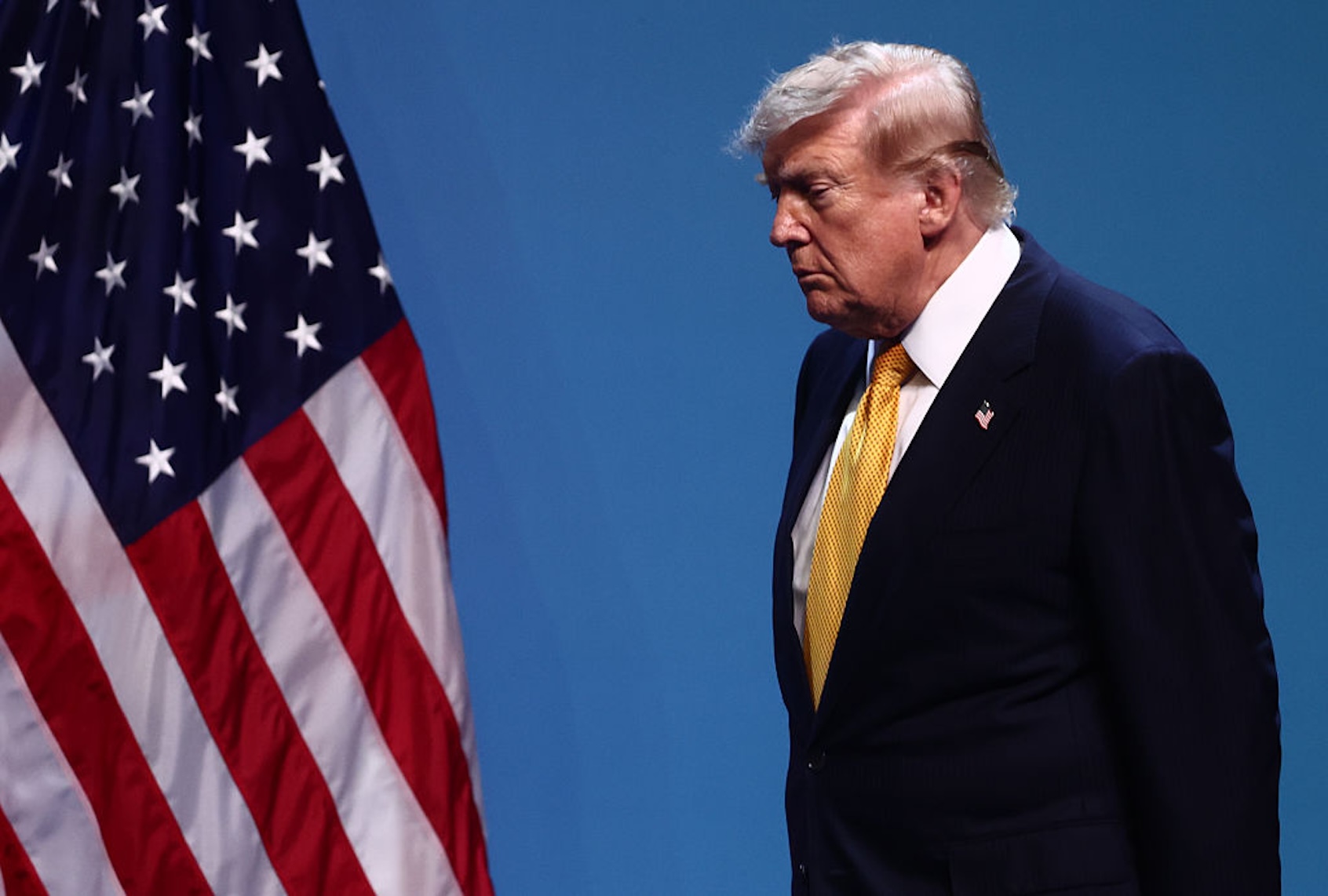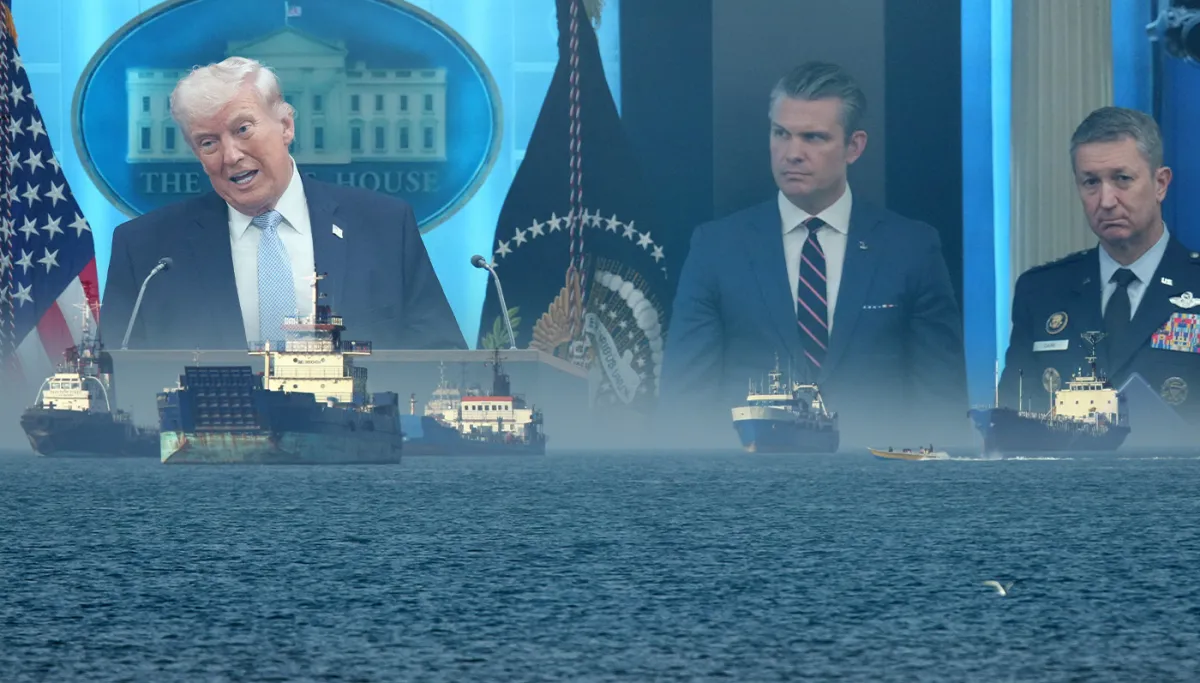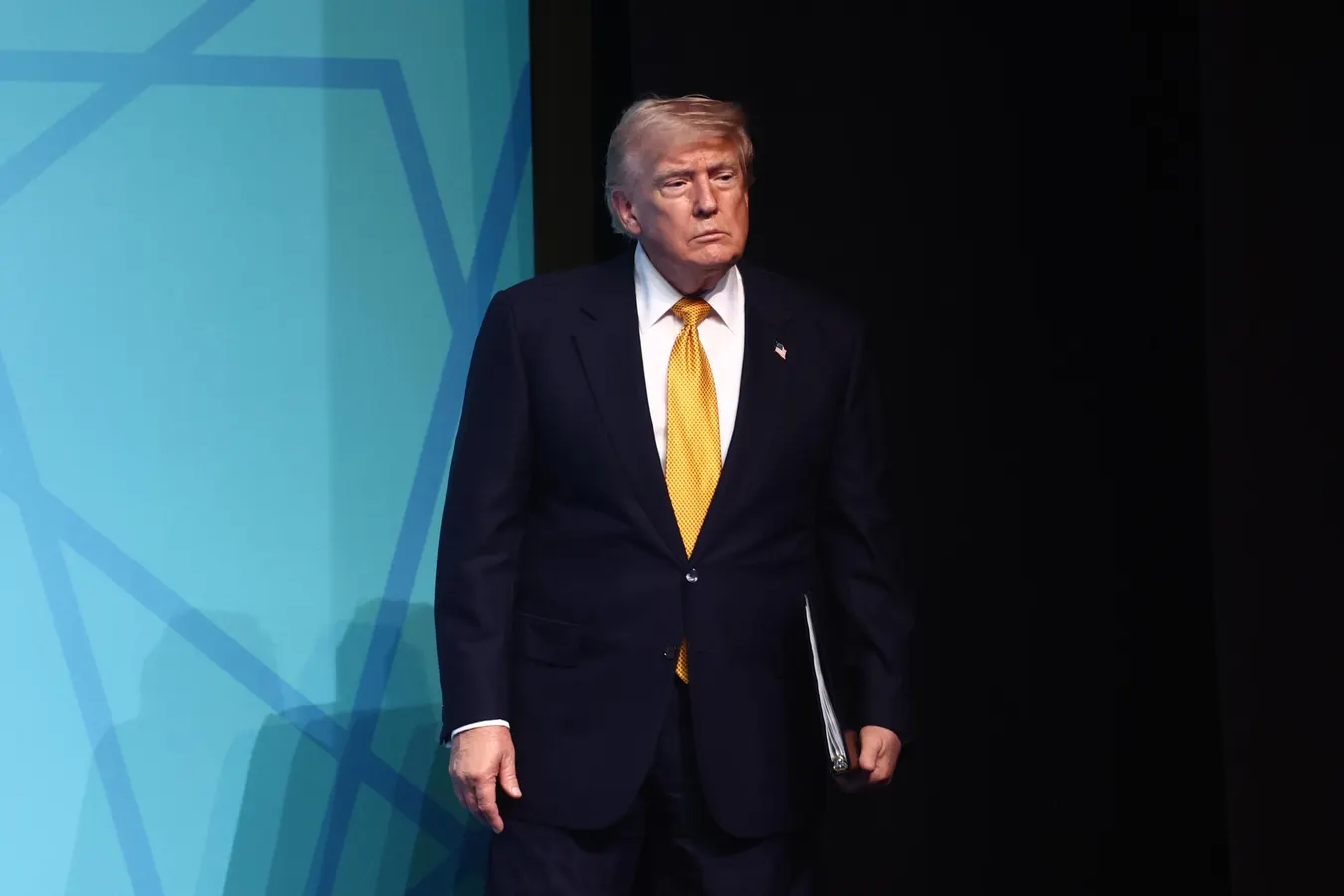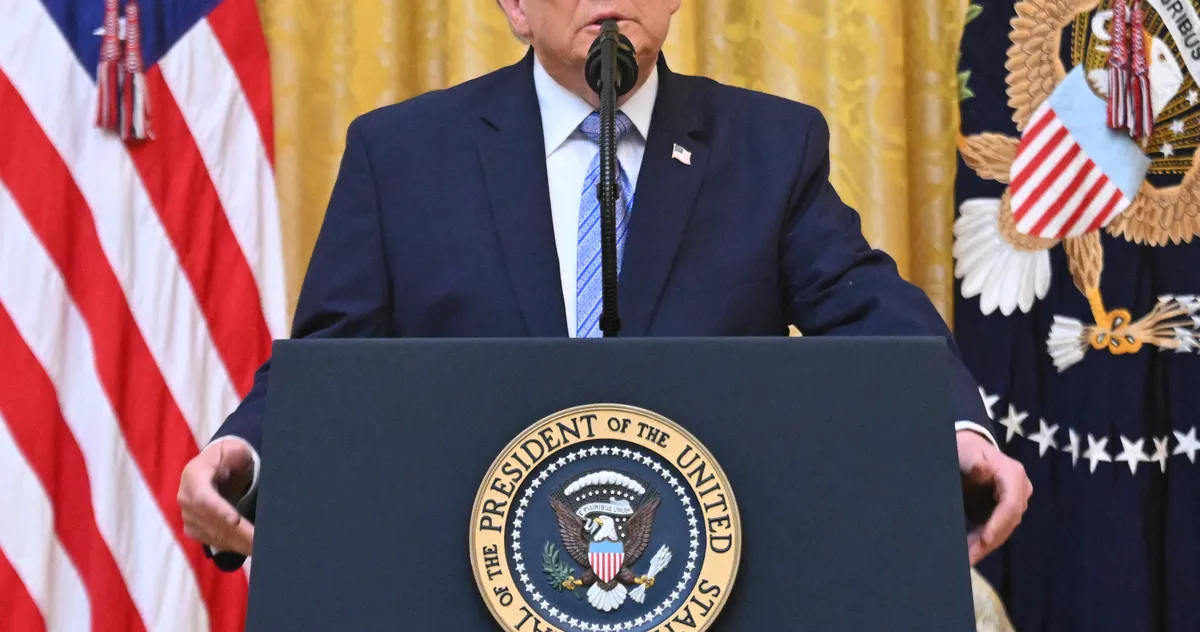
During his prime-time fireside rant on Thursday night, Trump barely mentioned Iran, telling Americans only that the U.S. was “winning big in Iran, and you will see the fruits of that labor very, very shortly.” (He did have a lot to say about the 2020 presidential election conspiracies, however.)
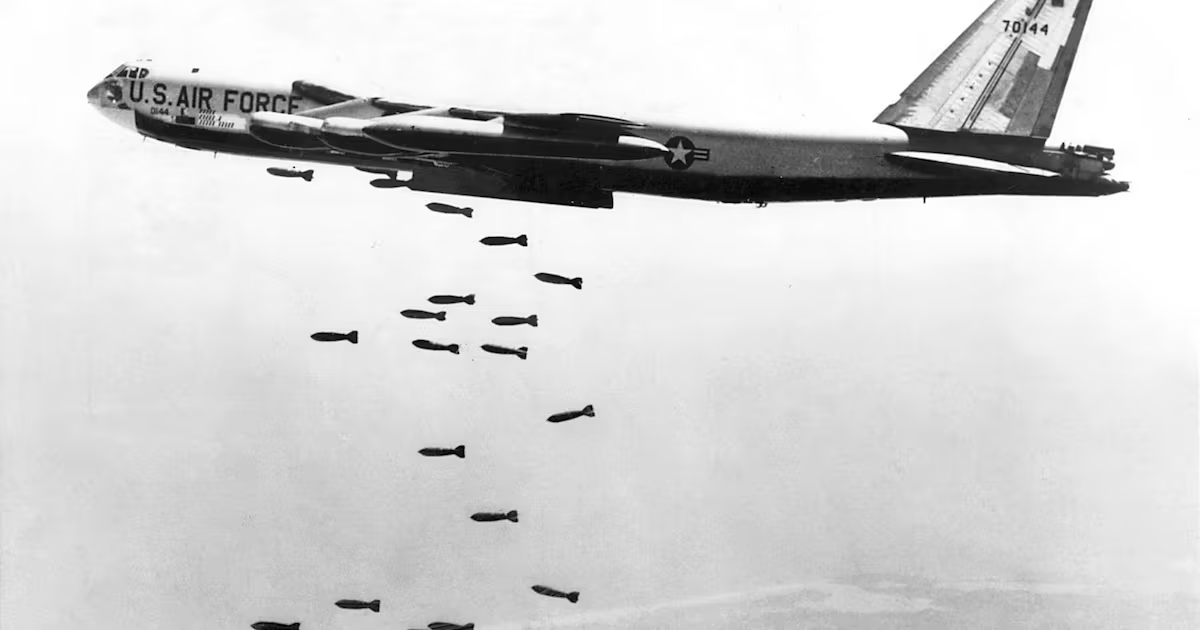
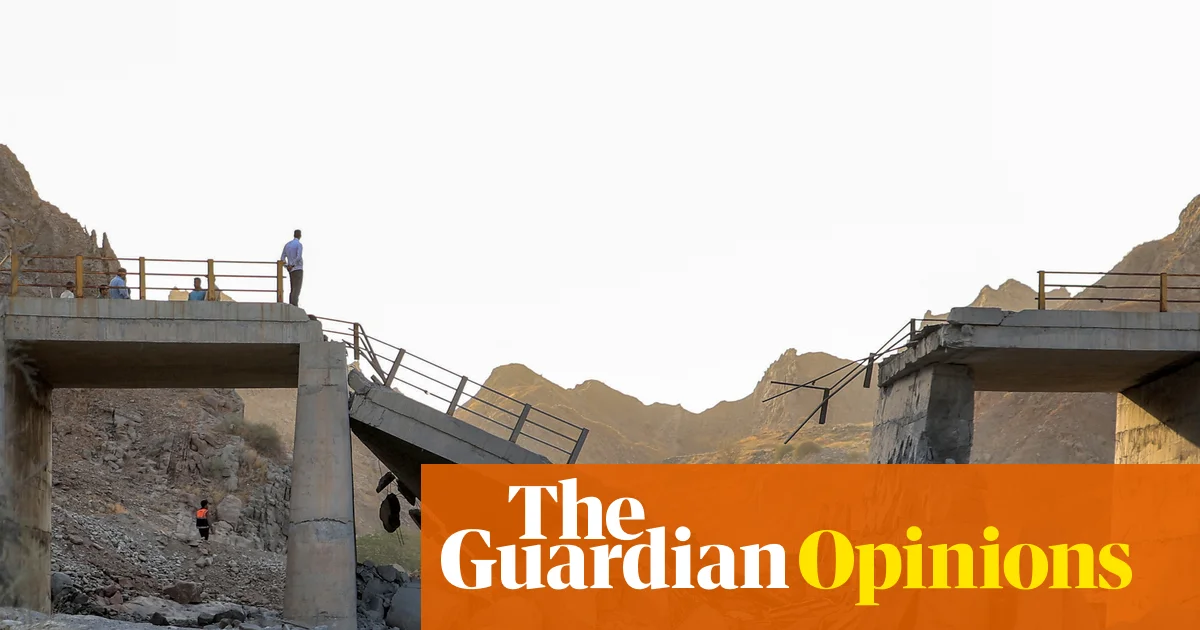
The U.S. and Iran are back at war again, less than a month after agreeing to a ceasefire deal that was supposed to be a pathway to permanent peace, but was more like a memorandum of misunderstanding. The U.S. has launched expansive waves of air strikes on targets in Iran for six consecutive days and is once again blowing up bridges. Iran is once again using missiles and drones to target nearby U.S. bases, and as in Part One of the war, we may not learn the true extent of the damage for weeks. The Strait of Hormuz is once again closed and the U.S. naval blockade has once again been imposed. Bluster and belligerence reign, while negotiations still just seem like a tease.
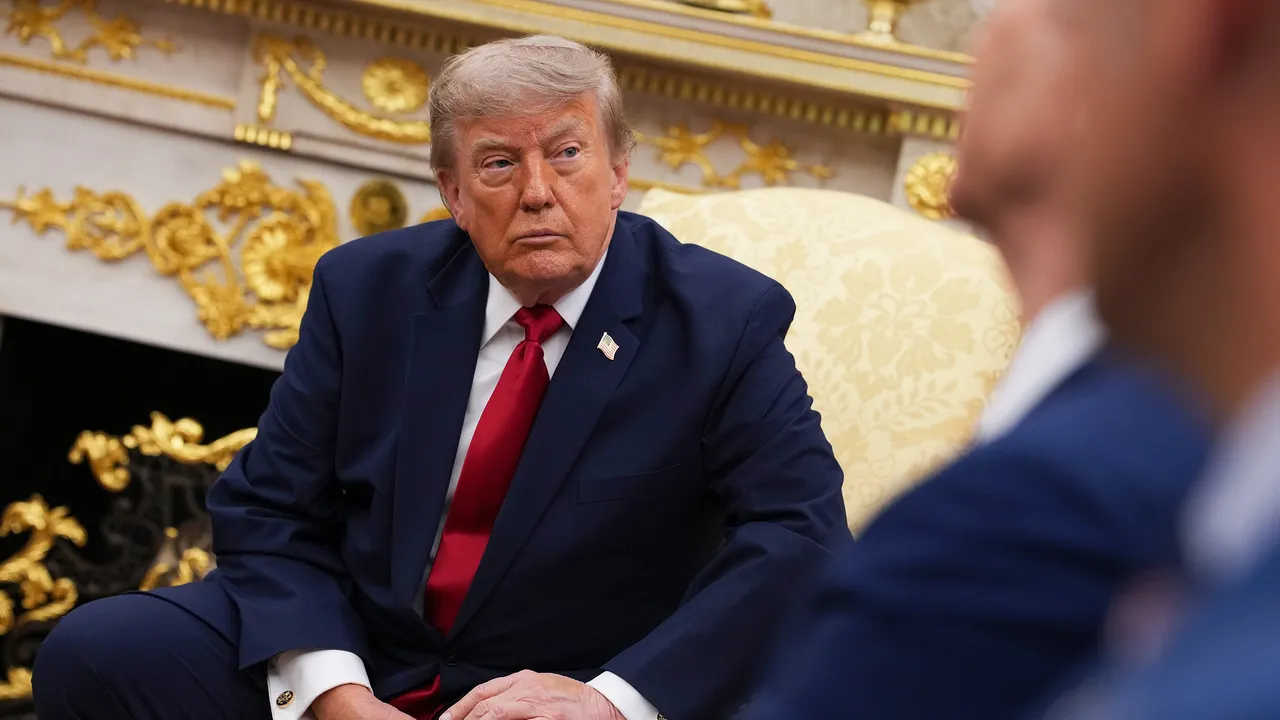
The now defunct agreement’s ambiguities, interpreted differently in Washington and Tehran, created too many opportunities for each side to take actions that the other would interpret as a breach and a rationale for abandoning their own commitments. The breaking point came, unsurprisingly, over the countries’ sharply contrasting visions of how the Strait of Hormuz would be reopened to international shipping. The Islamic Republic’s battered but not defeated leaders interpreted the MoU as ratifying the de facto sovereignty they had exercised over the strait since its closure in the early days of the war. The latest round of fighting began when Iran’s Islamic Revolutionary Guard Corps fired on commercial ships last week that were transiting the strait through Omani waters and, with U.S. help, evading that control. President Trump, clearly agitated and impatient, decided it was time for a disproportionate response. Wanting to offset the war’s enormous ongoing financial cost, he even briefly announced, then backed off, a U.S. military protection racket that would have crippled Gulf trade with fees in addition to fighting.