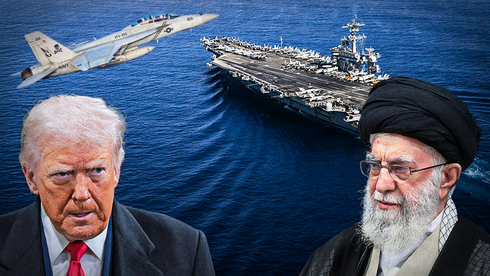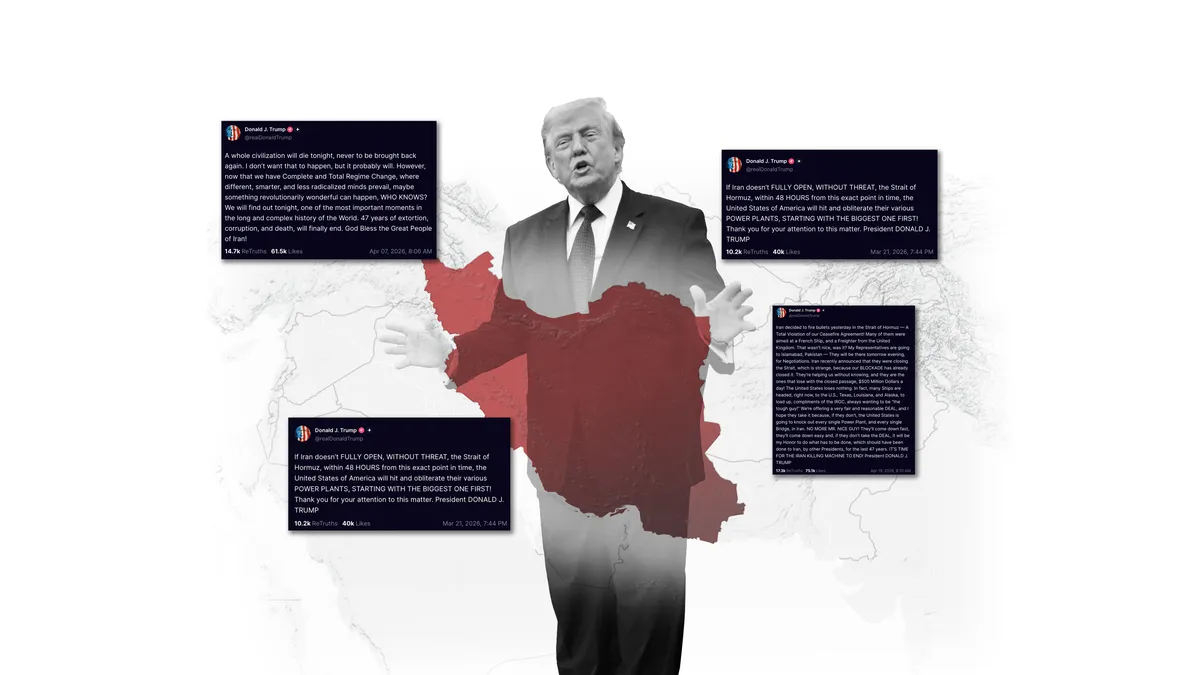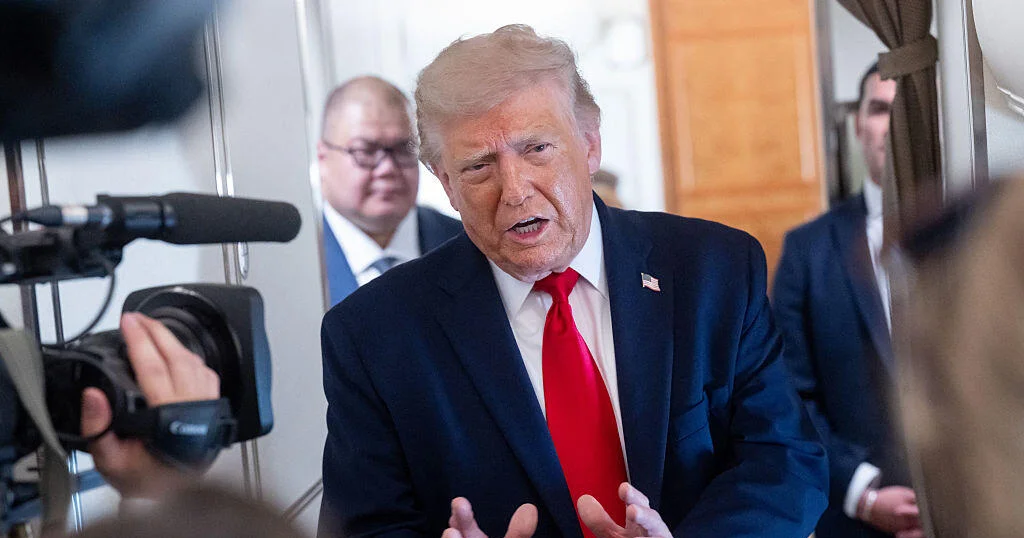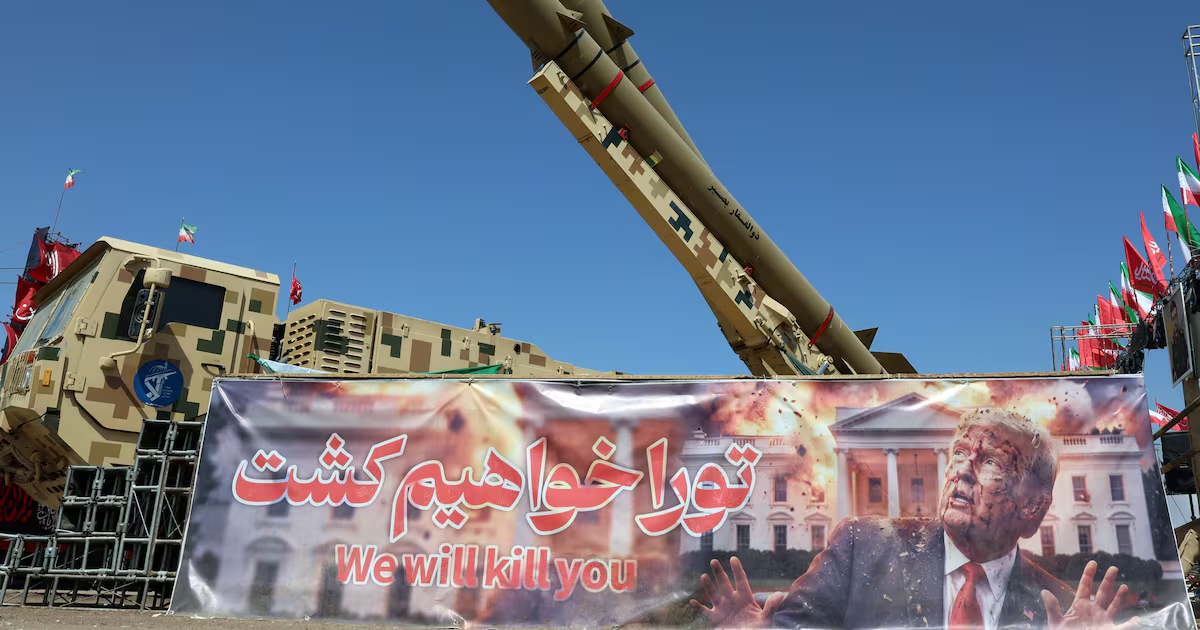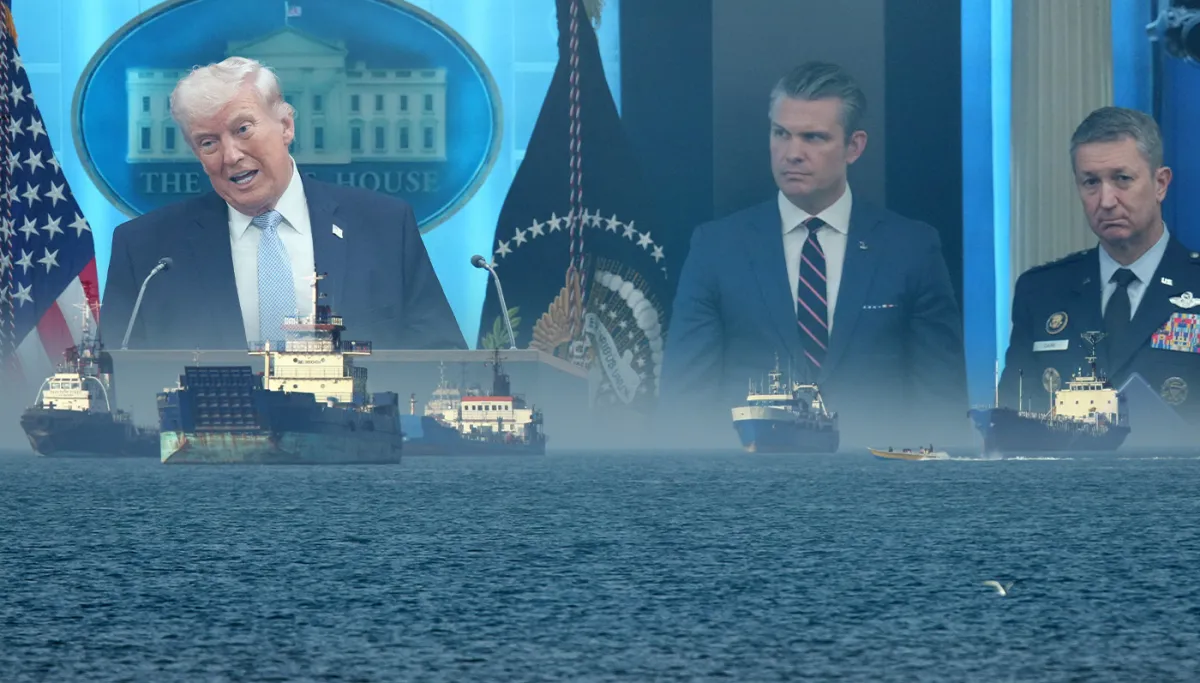
The war in Iran, which President Donald Trump thought would be a quick and easy romp given America’s vastly superior military might, has instead dragged on for weeks. Flummoxing Trump, who was sure Iran would capitulate once most of its navy, air forces, and leadership had been wiped out.In early April, the president was feeling good enough to declare a two-week ceasefire based on what he said in a Truth Social post was that the U.S. had “met and exceeded all military objectives.” And made great progress on a “long-term” peace agreement.There was one condition: Iran had to end its stranglehold on the Strait of Hormuz, gateway for 20% of the world’s oil supply.
And more than a month later, Iran’s surviving hard-line leaders are still holding fast to that hole card. Despite a U.S. naval blockade that prevents Iran from exporting its own oil.
Call it “The Great Strait Stalemate,” says Brett McGurk, a former top U.S. national security official who is now an analyst for CNN. “I’ve negotiated with the Iranians … and when they have an asset, whether it’s a hostage, something else, they will not give it up. So, it’s kind of like a hostage situation.”
Trump insists he is focused squarely on achieving a singular outcome — ensuring that Iran never acquires a nuclear weapon.