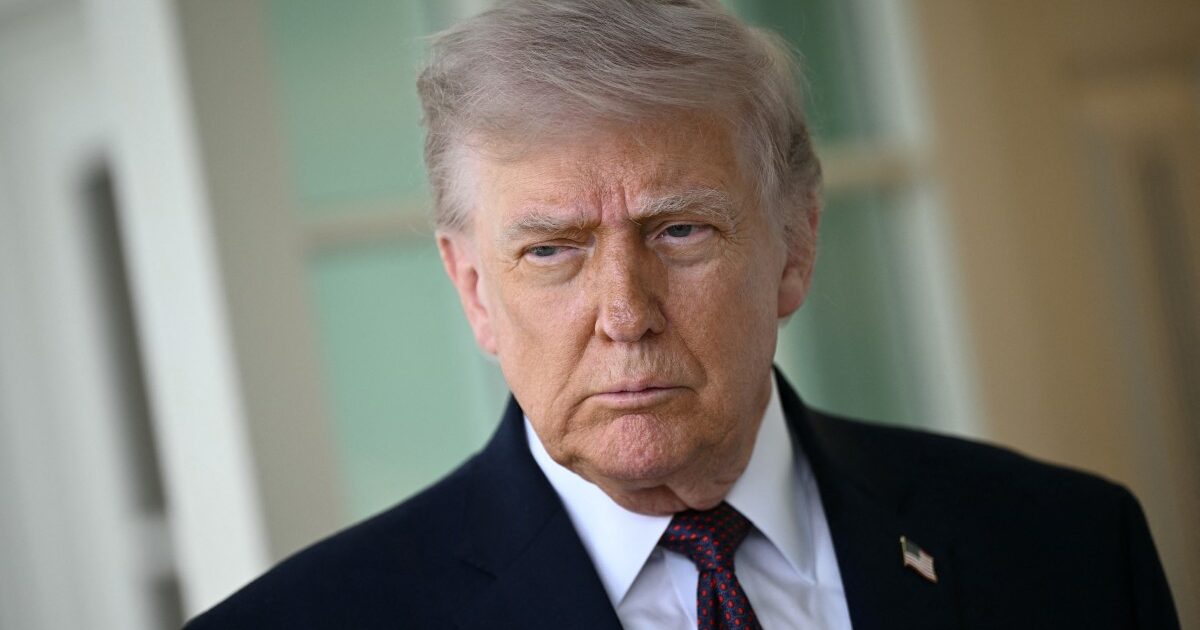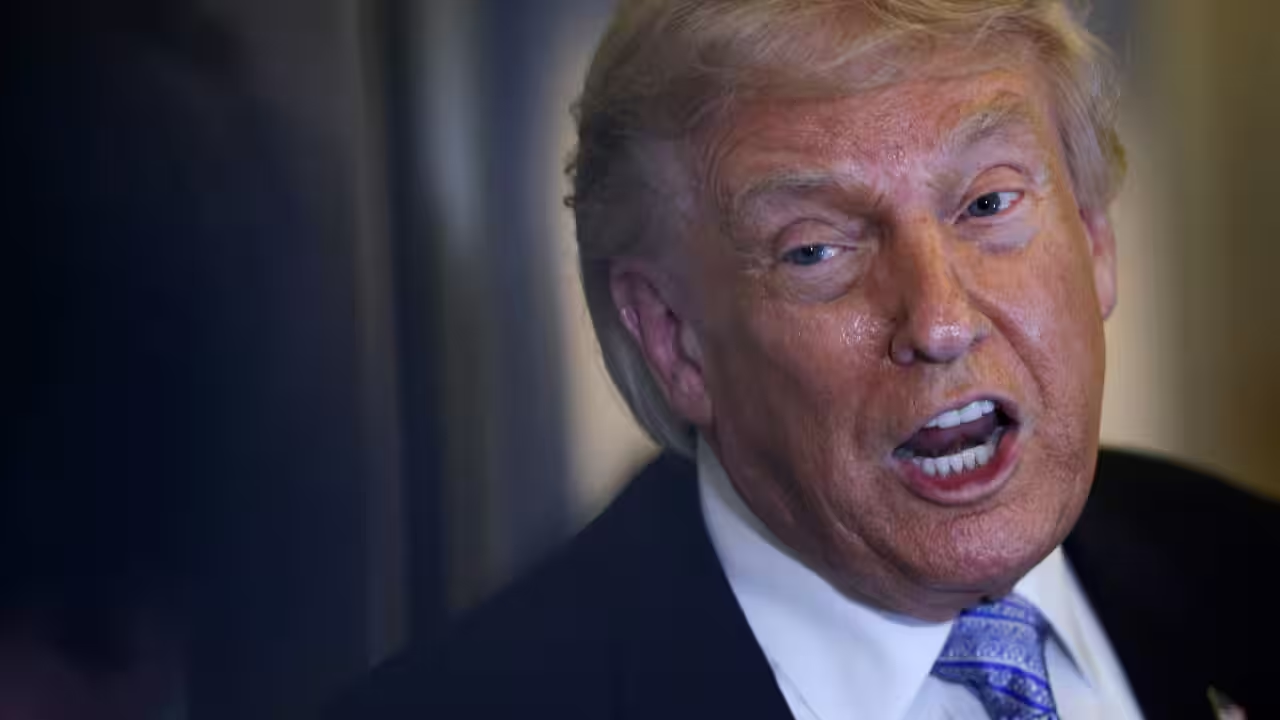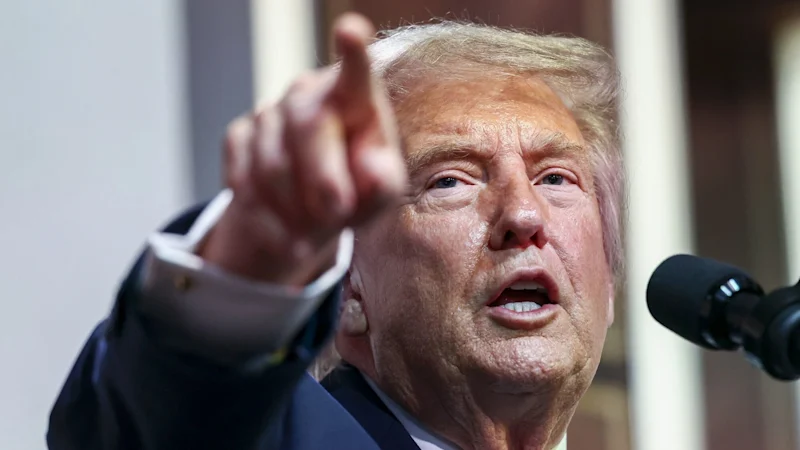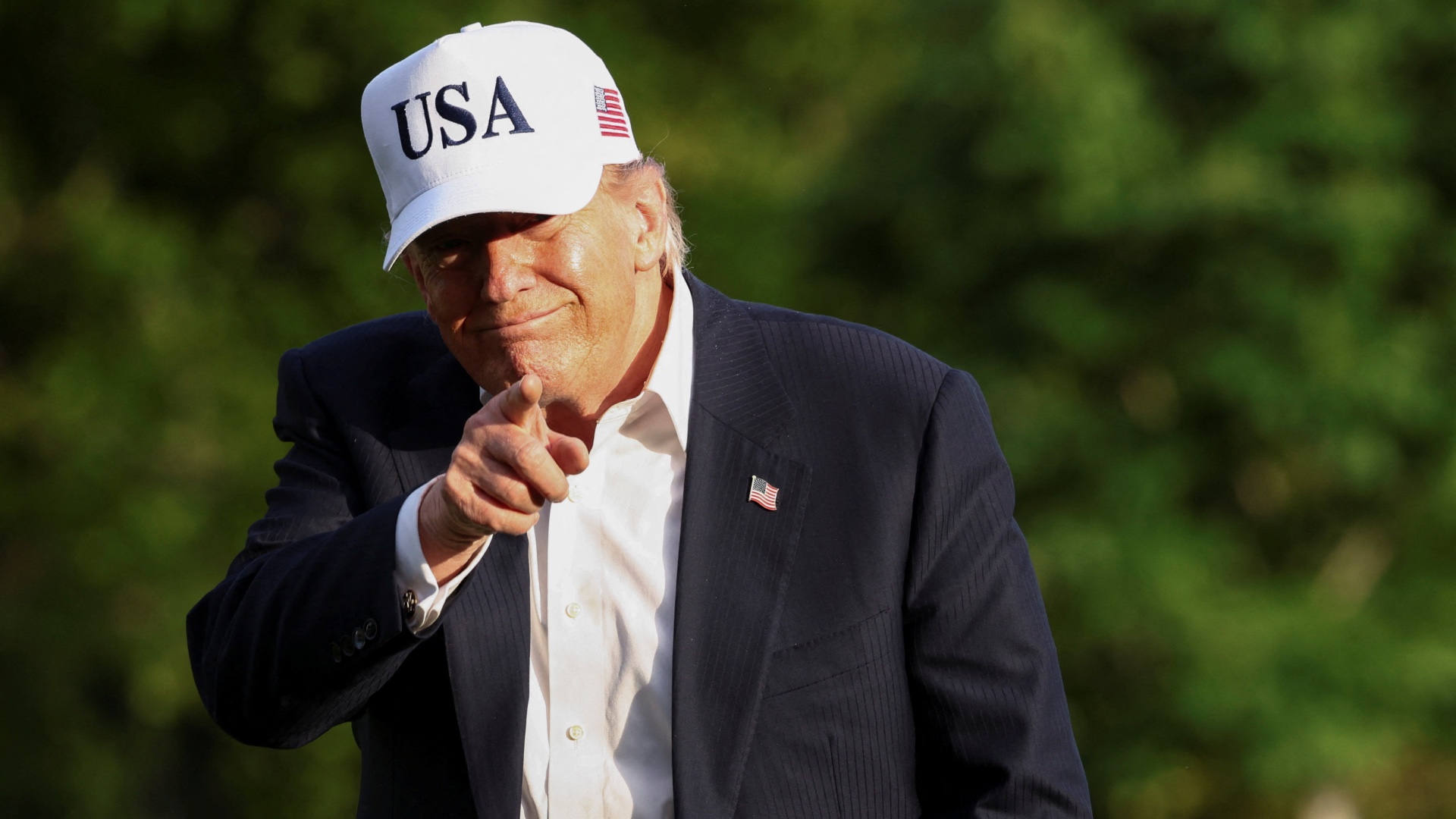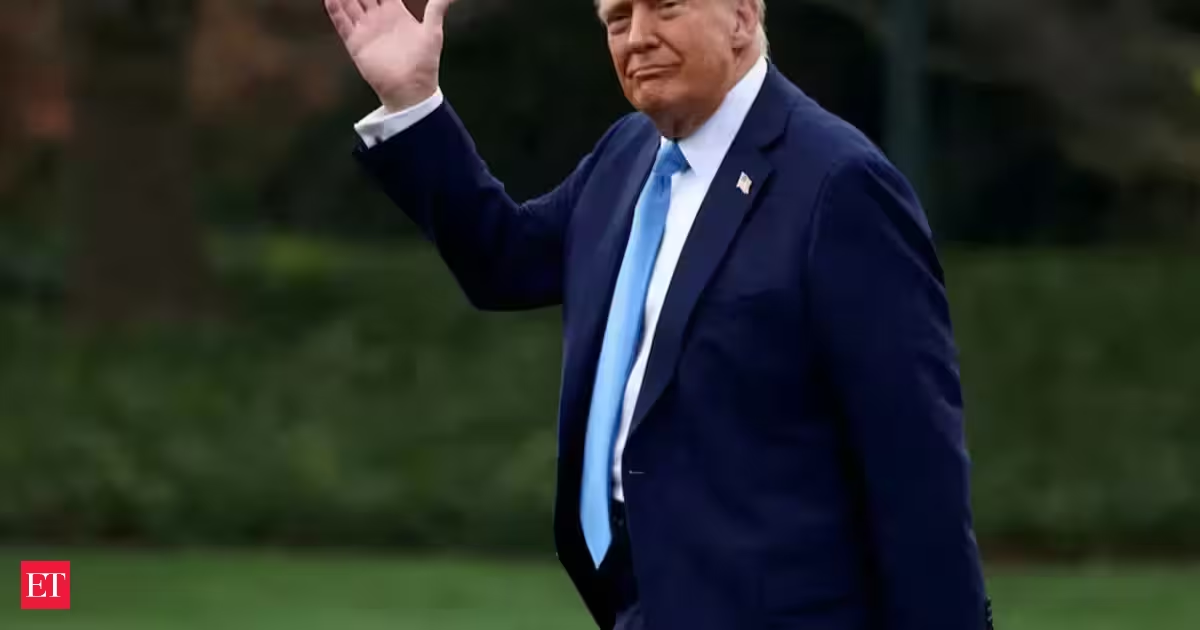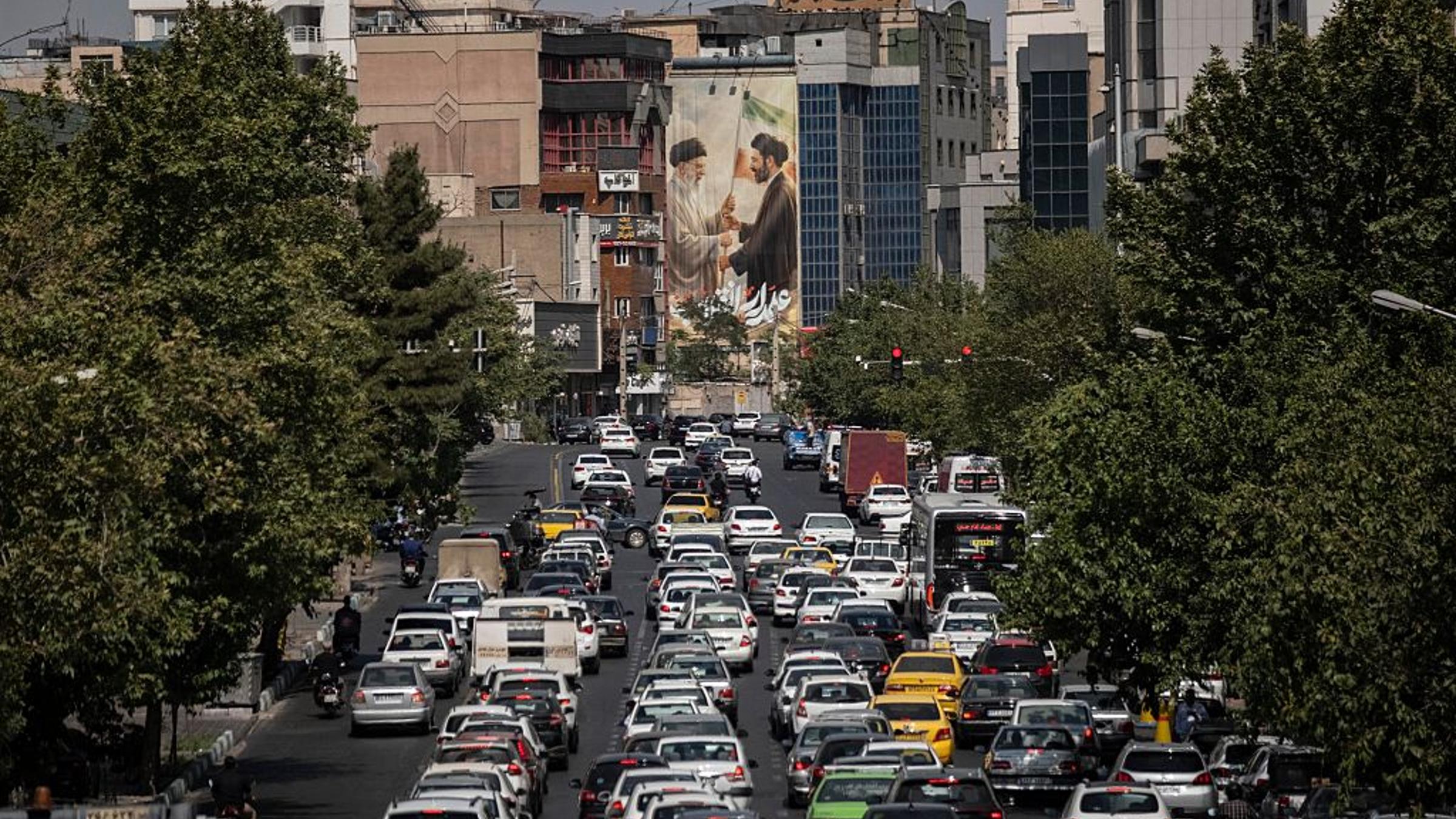
Donald Trump’s postponement of a fresh attack on Iran highlights the difficulty of his dilemma over a war he started but is struggling to end.Trump wriggles over fresh attack on IranHours after announcing that United States military commanders were preparing for a “full, large-scale assault on Iran”, Donald Trump said on Monday that he was holding off on the attack.“We were getting ready to do a very major attack tomorrow, and I put it off for a little while, hopefully maybe forever, but possibly for a little while, because we’ve had very big discussions with Iran, and we’ll see what they amount to,” he told reporters.Trump said that the leaders Saudi Arabia, Qatar and the United Arab Emirates (UAE) had persuaded him to postpone the attack, which was planned for today, because they thought negotiations were leading towards a good deal with Iran. Axios quoted US officials saying that the three Gulf states warned that if the US hit Iran “we will all pay the price for it” by getting their oil and gas facilities blown up.That risk was highlighted by a drone strike on Sunday on the Barakah Nuclear Power Plant in the UAE, which supplies about a quarter of the country’s electricity. The UAE did not identify Iran or any of its proxies as being behind the drone attack, which appeared to have come from the west and came the same day that Saudi Arabia intercepted three drones coming from Iraqi airspace.With two aircraft carriers in the region, the US has the capacity to launch a heavy, sustained attack on Iran, which some around the Trump administration believe would propel Tehran into a more accommodating negotiating posture. But western analysts believe that Iran remains capable of causing major damage to US assets and allies in the region through drone and missile attacks that could also have a crippling impact on the global economy if they target energy infrastructure.The White House rejected Iran’s latest 14-point proposal for a deal, delivered on Sunday night, as inadequate because it lacks detailed commitments about suspending uranium enrichment and handing over its existing stockpile of enriched uranium. The Iranian news agency Tasnim on Monday reported that the US side had offered some concessions on unfreezing Iranian financial assets and suspending sanctions on its oil sales during negotiations but that Tehran regarded the proposals as insufficient.An indication of the difficulty of Trump’s dilemma over Iran came on Monday when the US extended its waiver allowing Russian oil sales in an effort to contain a rise in fuel prices that is angering American voters. But the longer the current ceasefire and indirect negotiations continue without progress towards a resolution, the more opportunity Iran gains to determine how energy flows from the Gulf should resume.Tehran on Monday announced the formation of the Persian Gulf Strait Authority, a new body to manage shipping through the strait, requiring vessels to submit detailed information before passage is allowed. There are reports of fees of up to $2 million per transit, payable in Chinese yuan, and the number of ships passing through the strait has increased in recent days.Iran’s economy ministry last week announced the creation of Hormuz Safe, an insurance platform for ships passing through the strait, with fees paid in cryptocurrency. Tehran may hope that charging insurance premiums is more acceptable internationally than levying a toll but the effect is the same, creating a revenue stream from the strait that can endure beyond the end of the current conflict.Please let me know what you think and send your comments, thoughts or suggestions for topics you would like to see covered to denis.globalbriefing@irishtimes.com
Trump’s dilemma: How to end Iran war?
US president signals ‘full, large-scale assault’ on Iran but declares hours later he is holding off on a fresh attack
604 words~3 min read