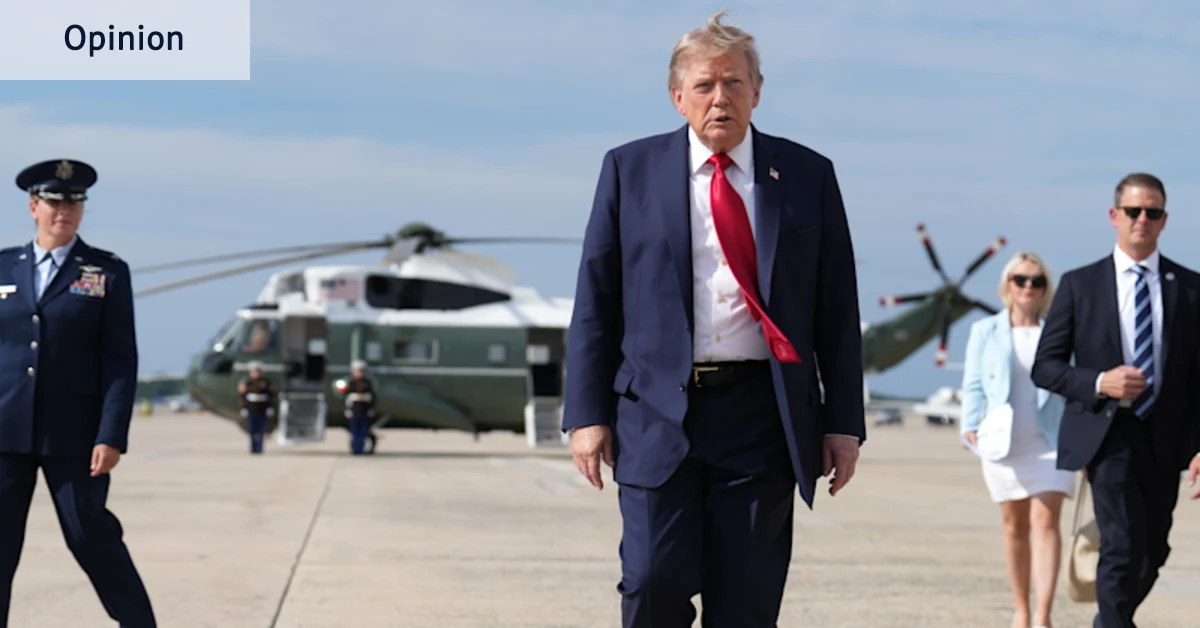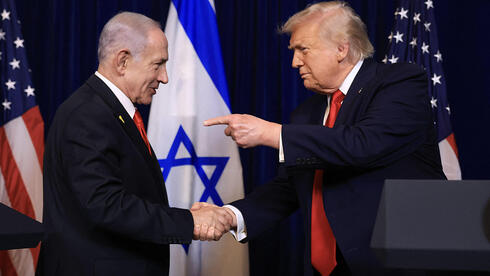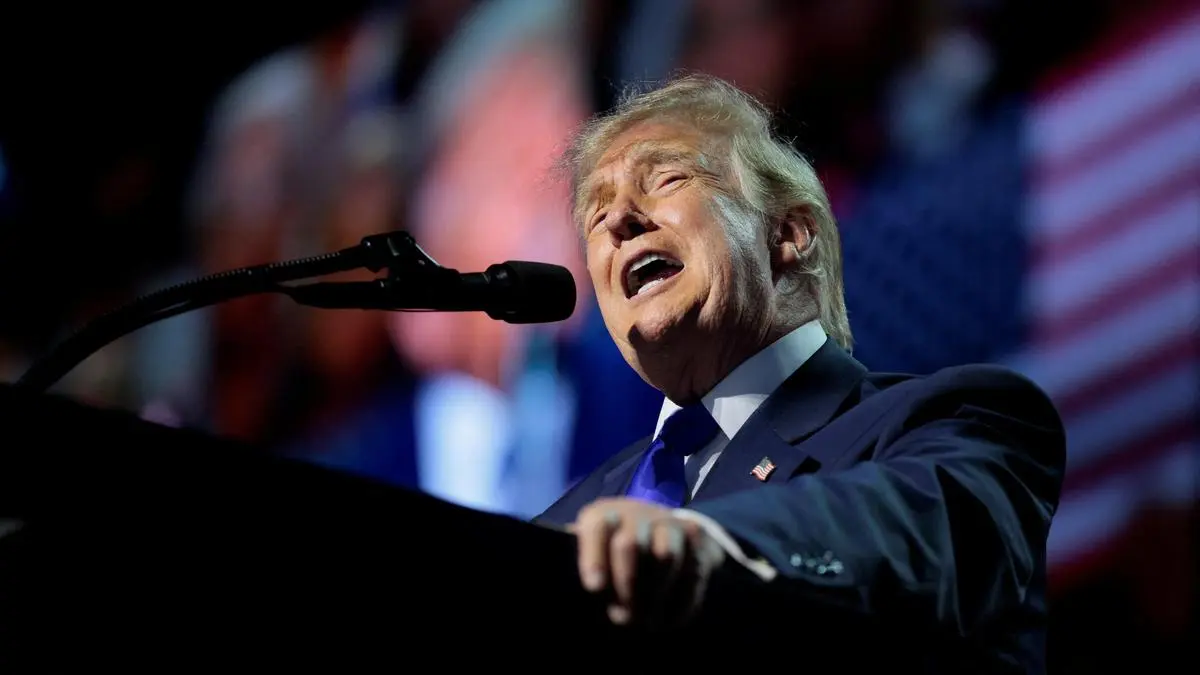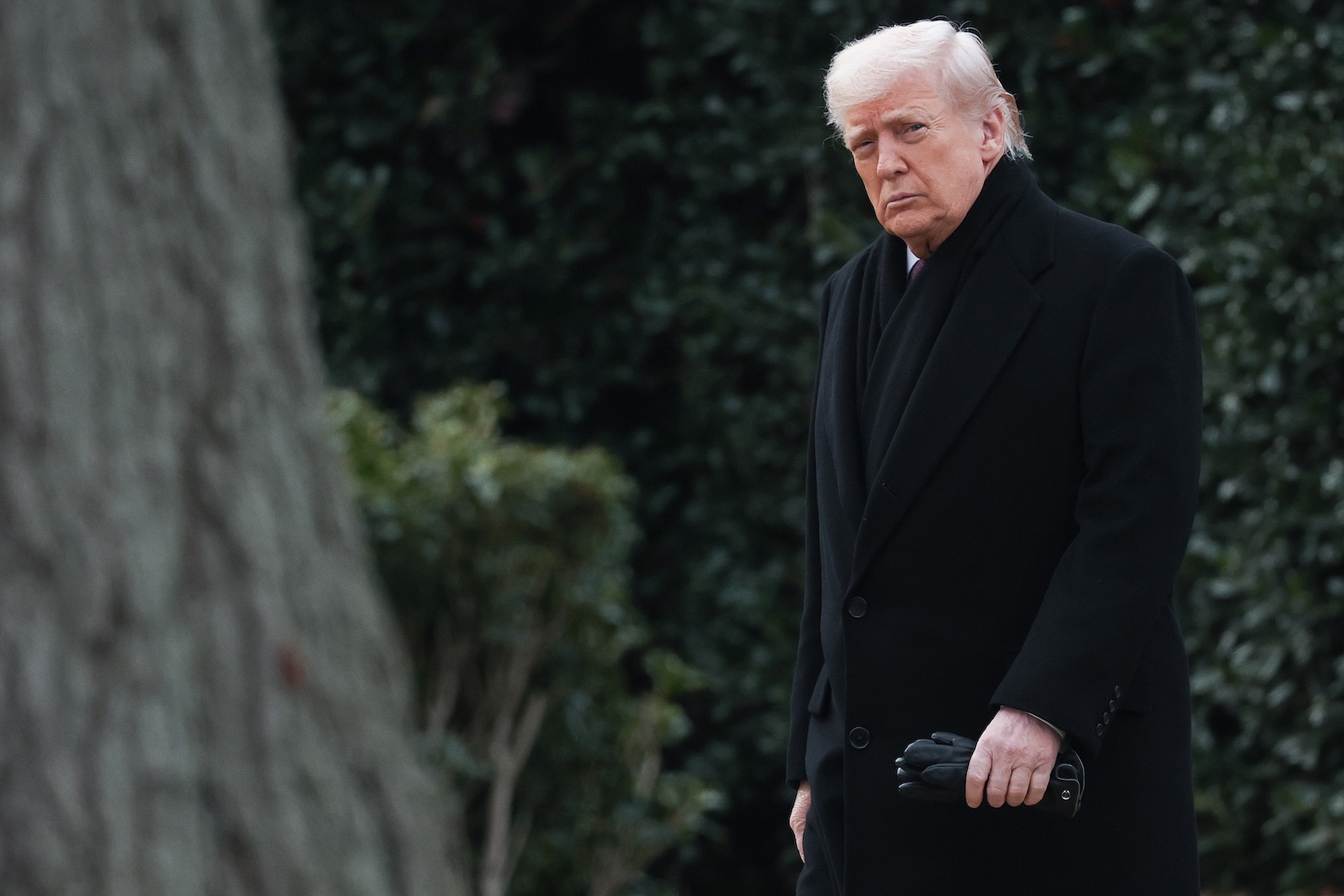
Donald Trump began his second term with a vision of peace. “We will measure our success not only by the battles we win,” he said during his inauguration, “but also by the wars we end, and perhaps most importantly, the wars we never get into”.
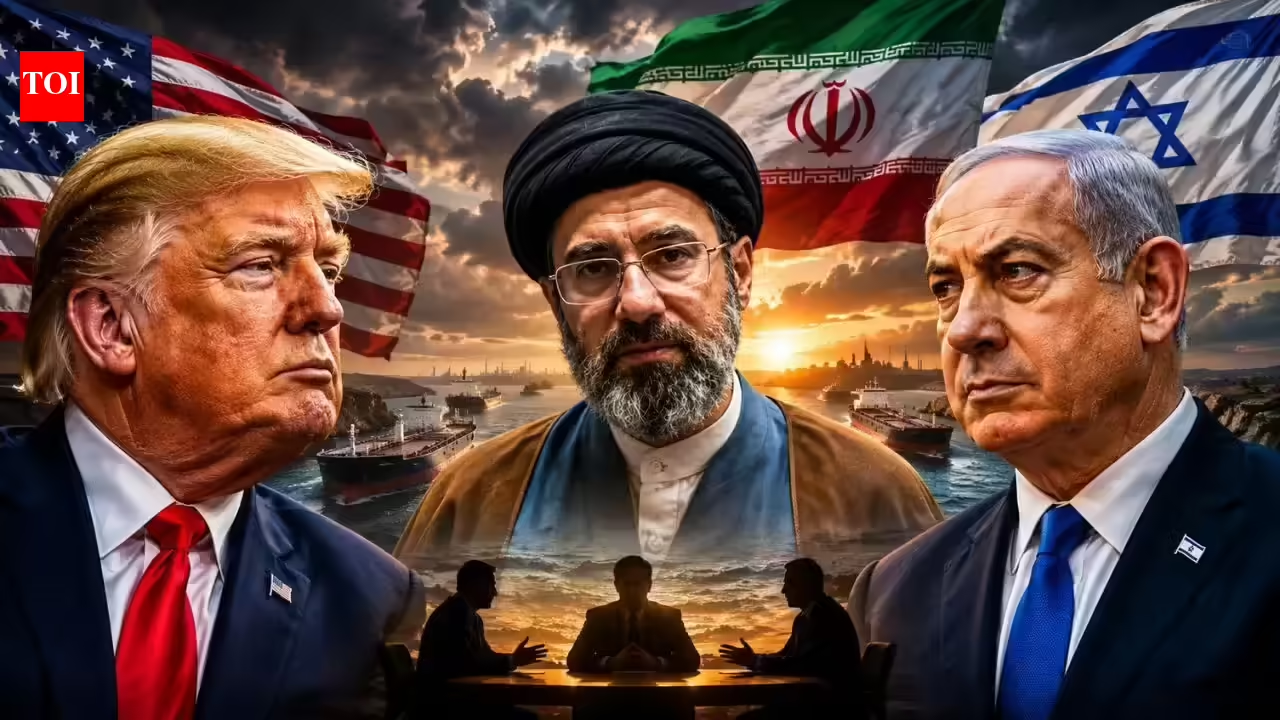
Just over 19 months later, with the US mired in a conflict with Iran that has tested American credibility and deterrence, Trump’s words stand as a striking contrast to the reality he has created in the region, a reality brought on by a grave miscalculation that US military might could address what are fundamentally political issues.
Only this week, the US and Iran engaged in yet another cycle of tit-for-tat attacks. President Trump is considering a plan for periodic strikes on Iran’s radar, air defence and anti-ship missile sites in and around the Strait of Hormuz, aiming to stop Tehran rebuilding its capacity to attack ships, according to one report. Iranian attacks on US bases at the weekend could push Trump to greenlight the plan, the report said, citing officials.
Shorts
Trump’s renewed taste for military action against Iran – six months into his war – is particularly striking coming so soon after his Treasury Secretary, Scott Bessent, announced an “economic D-Day” of increased sanctions aimed at squeezing the country into submission and ending the war. That announcement was meant to prevent exactly this kind of return to military means.