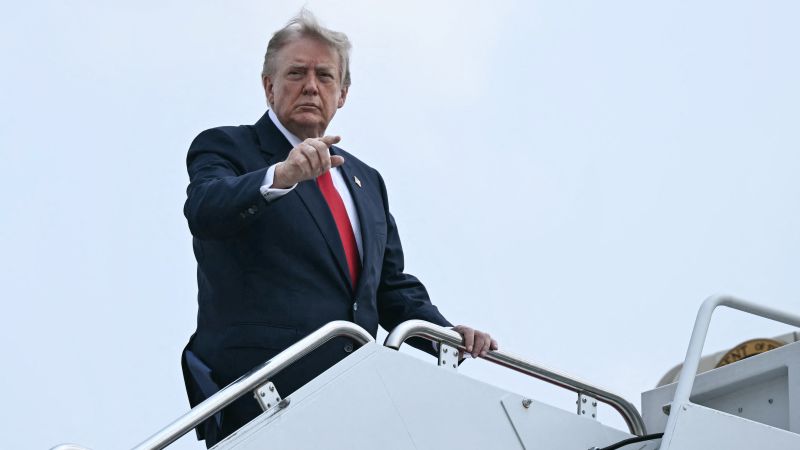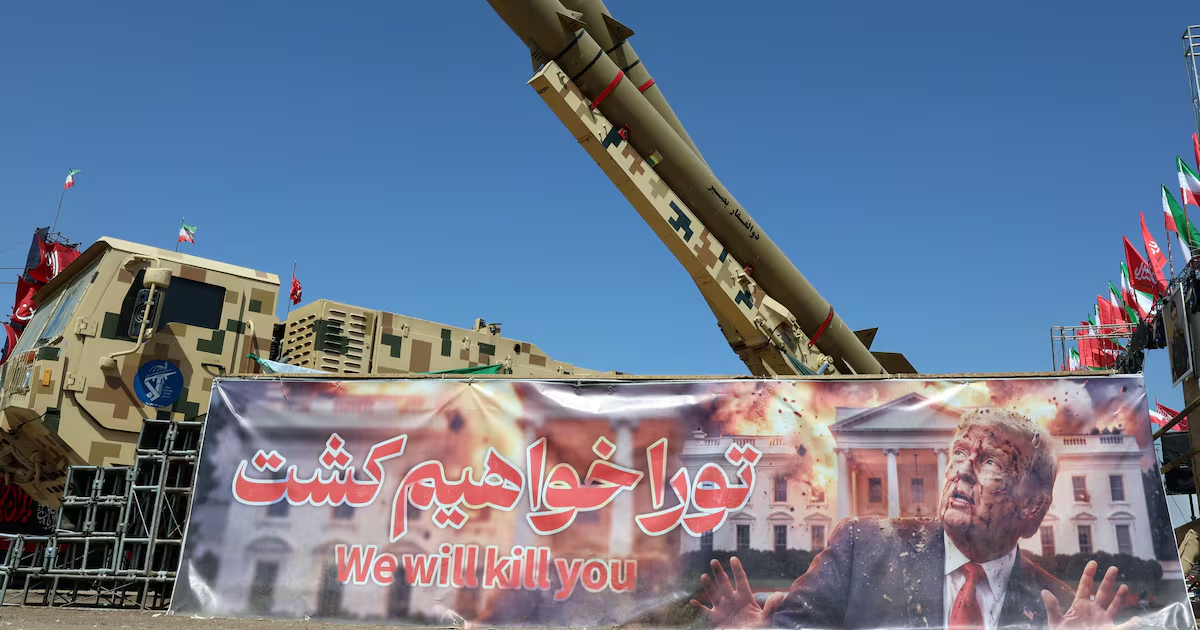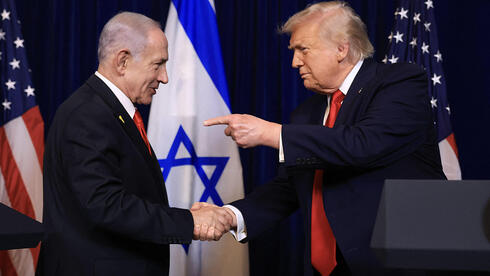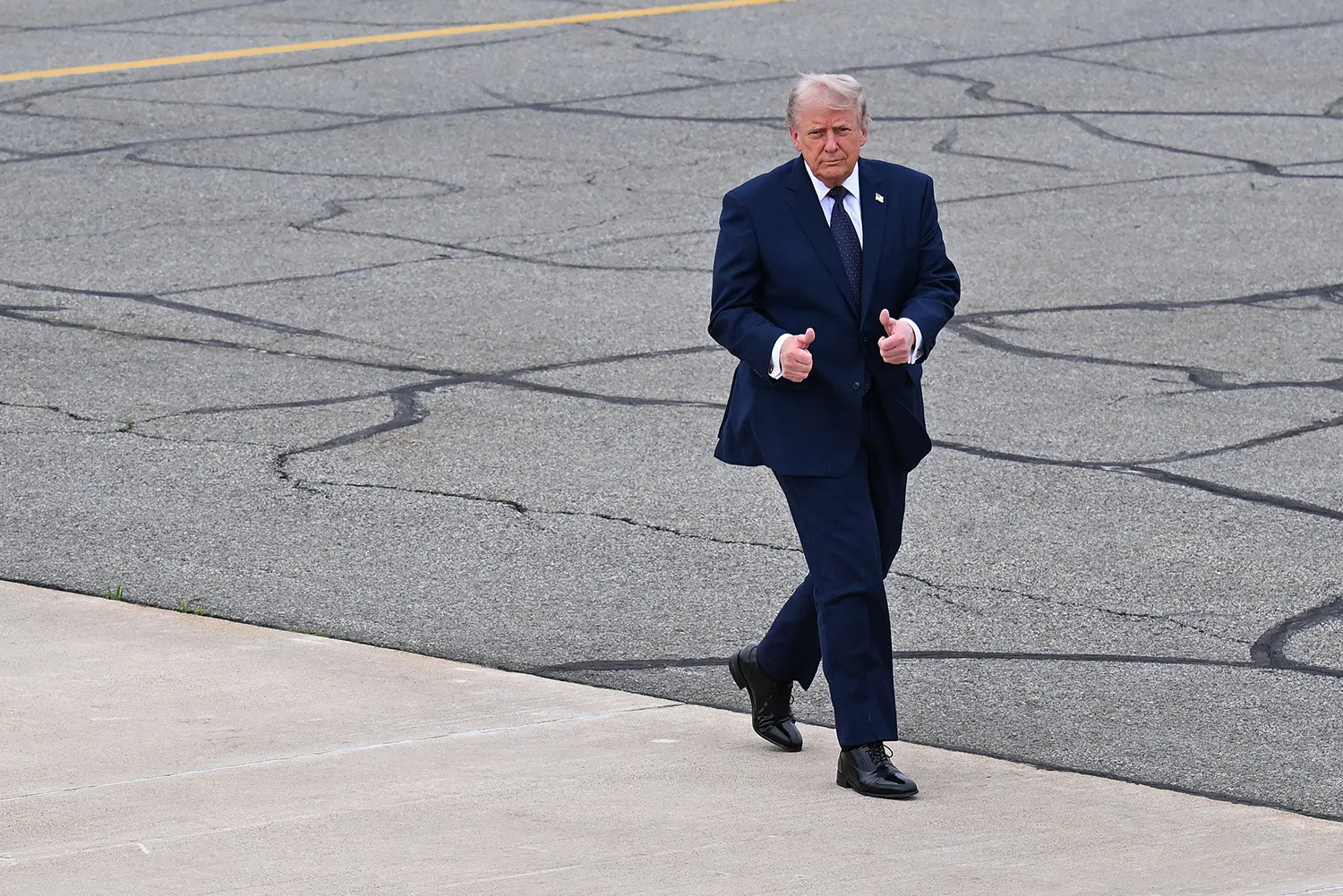
As Washington and Tehran trade messages in search of yet another cease-fire, the Trump administration must revisit the faulty assumptions that got it stuck in a costly war in the first place. The administration has repeatedly fallen prey to the sunk cost fallacy. In the face of this strategic failure, President Donald Trump has mostly acted as if the problem were one of scale or duration. In reality, U.S. negotiating leverage has diminished as the war has progressed and will likely continue to erode as the United States exhausts its munitions and domestic political consequences mount. New Houthi attacks on Saudi oil exports add precarity to a war that has already induced global economic shocks, damaged U.S. credibility, and put America’s regional allies in the middle of a conflict they advocated against.
Yet even as Tehran’s position hardens, a protracted war is not good for Iran either. The regime has benefited politically by casting itself as the victim of U.S. and Israeli aggression, but Iran was facing existential political and economic challenges before the conflict began. Every day the war drags on, and every bridge or business that warplanes destroy, only lengthens the road to a potential recovery for the regime. But to end the war, Iranian leaders need to believe that recovery is possible.