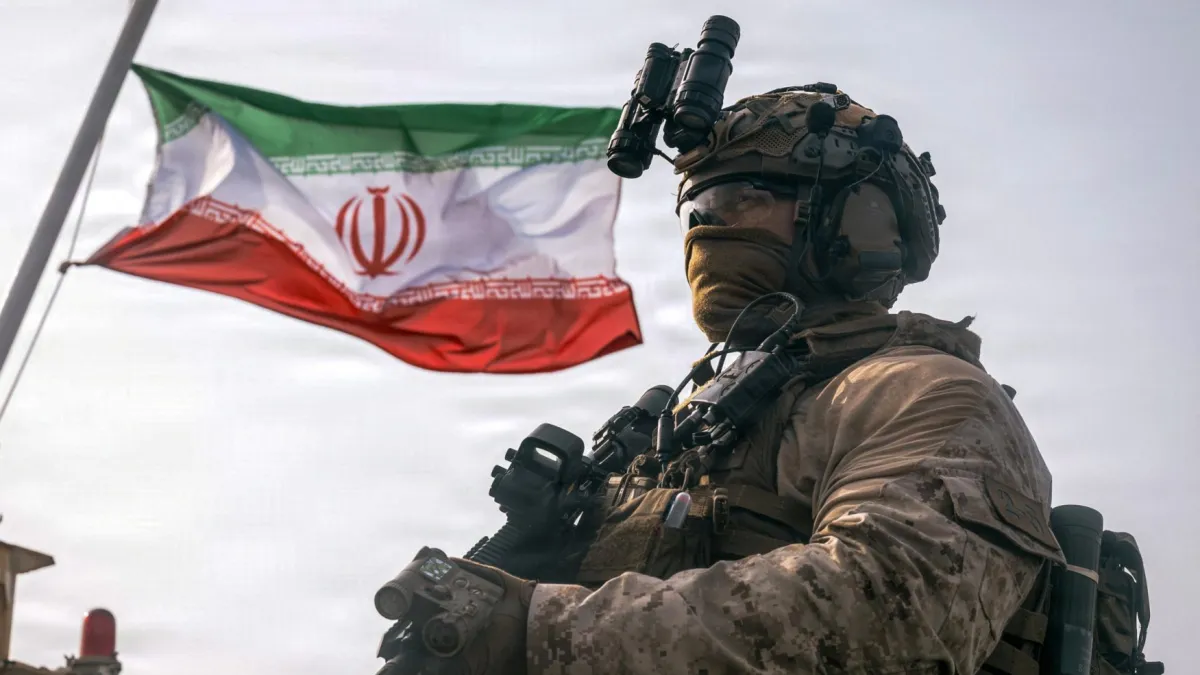
When U.S. President Donald Trump agreed to the memorandum of understanding (MOU) with Iran in mid-June, he promised to broker a final deal that will “bring peace and security to the whole region.” Since then, however, negotiations have stalled, fighting has resumed, U.S. sanctions have been reimposed, and U.S. warships have once again blockaded Iran. In short, we’re back to the same stalemated war we thought we were done with a month ago.
This all raises an important question: Can Trump bring the peace he’s promised?
If history is any guide, it’s unlikely. U.S. presidents are virtually never able to end the stalemated wars they start. Trump could overcome these precedents if he taps into his more pragmatic side or Congress presses him to do so. Both are long shots, however—meaning that a final peace is more likely to come from Trump’s successor, who will be better positioned to admit this war was a failure and make the kinds of concessions to get a deal that Trump should, but likely won’t, do.
What history shows us is that when presidents take the nation to war, they feel they have a unique stake in the conflict, whether politically, psychologically, or reputationally. Things like sunk-cost thinking (“we’ve invested so much, we need to show some kind of gains”) and worries about credibility (“backing down will hurt our image abroad”) push out good cost-benefit thinking and lead them to try to salvage something that approximates a win before making peace.